Blanco-Lizarazo Carla María, Sierra-Cadavid Andrea, Montoya R Alejandra M, Ospina-E Juan Camilo
Industria de Alimentos Zenú, Centro de Investigación y Desarrollo Cárnico CI+D, Medellín, Colombia.
Curr Res Food Sci. 2022 Apr 19;5:726-734. doi: 10.1016/j.crfs.2022.04.007. eCollection 2022.
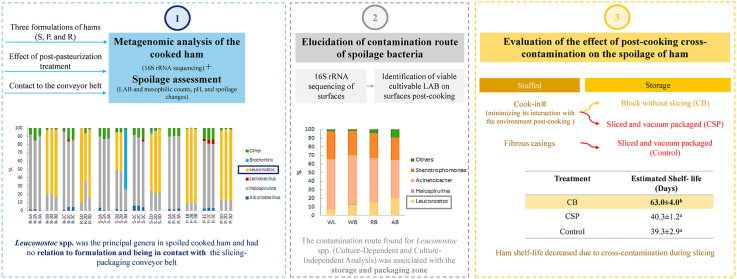
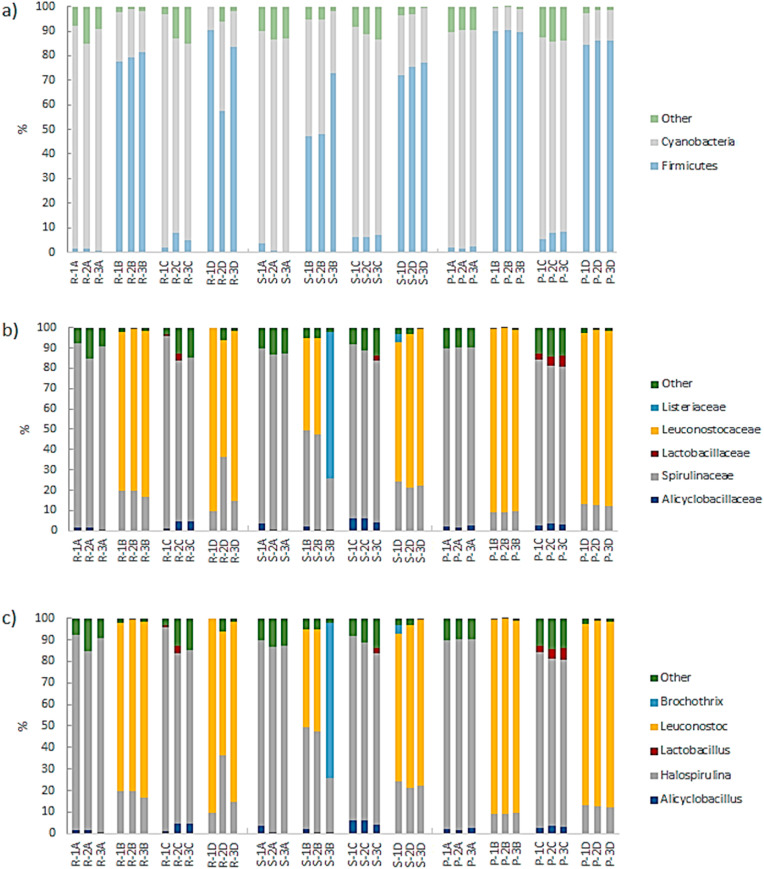
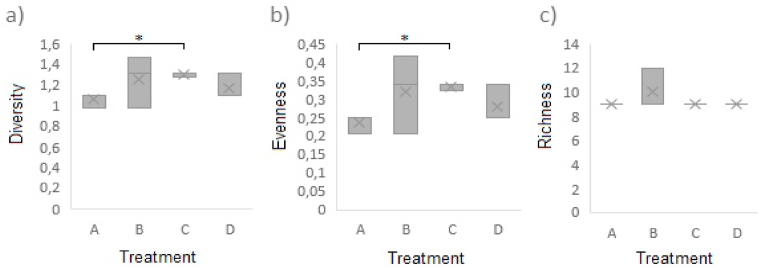
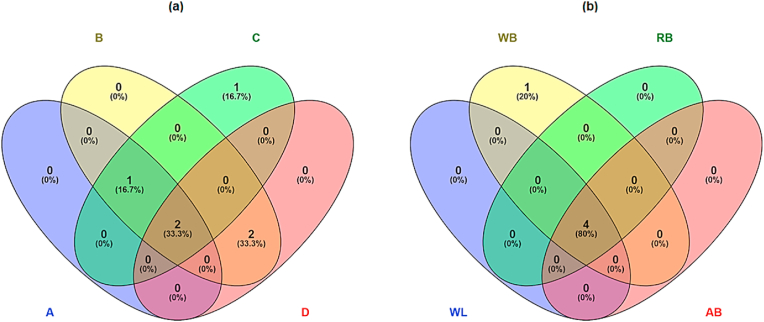
Spoilage in cooked ham is one of the main challenges where microbial contamination can play a fundamental role. This study aimed to characterize pork-cooked ham's microbial community changes among different food production conditions (formulation and processing) using 16S rRNA sequencing and also to investigate the spoilage bacteria in order to elucidate their contamination route. Samples of three pork-cooked ham references with and without post-pasteurization treatment and in contact with the slicing-packaging conveyor belt and slicer and packager surfaces were performed by 16S rRNA gene sequencing. In order to clarify the contamination route, surfaces were sampled by conventional microbiological methods. Results showed that spp. was the principal genera in spoiled cooked ham and had no relation neither to formulation nor contact with the slicing-packaging conveyor belt. The contamination route found for spp. was associated with the storage and packaging zone. In addition, the calculated shelf-life decreased to 57.5% independently of the environment interaction minimization when ham casing permeability was changed and linked to contamination of spoilage bacteria during the slicing and packaging process. This research illustrates how the combined approach provides complementary results to implement suggestions in the facility to reduce the cross-contamination with spoilage bacteria. It also generates tools to comprehend and propose transference models understanding the environmental and intrinsic factors related to microbial transfer rate.
熟火腿的变质是微生物污染可能起关键作用的主要挑战之一。本研究旨在利用16S rRNA测序来表征不同食品生产条件(配方和加工)下猪肉熟火腿微生物群落的变化,并调查变质细菌以阐明其污染途径。对三种经过和未经过巴氏杀菌处理、与切片包装输送带以及切片机和包装机表面接触的猪肉熟火腿参考样品进行了16S rRNA基因测序。为了阐明污染途径,通过传统微生物学方法对表面进行了采样。结果表明,[具体菌属]是变质熟火腿中的主要菌属,与配方以及与切片包装输送带的接触均无关。发现[具体菌属]的污染途径与储存和包装区域有关。此外,当火腿肠衣渗透性改变并与切片和包装过程中变质细菌的污染相关联时,无论环境相互作用最小化程度如何,计算得出的保质期均降至57.5%。本研究说明了这种综合方法如何提供互补结果,以便在工厂实施相关建议以减少与变质细菌的交叉污染。它还生成了工具来理解并提出转移模型,以了解与微生物转移速率相关的环境和内在因素。