Nayar Saba, Pontarini Elena, Campos Joana, Berardicurti Onorina, Smith Charlotte G, Asam Saba, Gardner David H, Colafrancesco Serena, Lucchesi Davide, Coleby Rachel, Chung Ming-May, Iannizzotto Valentina, Hunter Kelly, Bowman Simon J, Carlesso Gianluca, Herbst Ronald, McGettrick Helen M, Browning Jeff, Buckley Christopher D, Fisher Benjamin A, Bombardieri Michele, Barone Francesca
Centre for Translational Inflammation Research, Institute of Inflammation and Ageing, College of Medical & Dental Sciences, University of Birmingham Research Laboratories, Queen Elizabeth Hospital, Birmingham, B15 2WB, UK.
National Institute for Health Research (NIHR) Birmingham Biomedical Research Centre and Department of Rheumatology, University Hospitals Birmingham NHS Foundation Trust, Birmingham, UK.
Commun Biol. 2022 May 4;5(1):413. doi: 10.1038/s42003-022-03344-6.
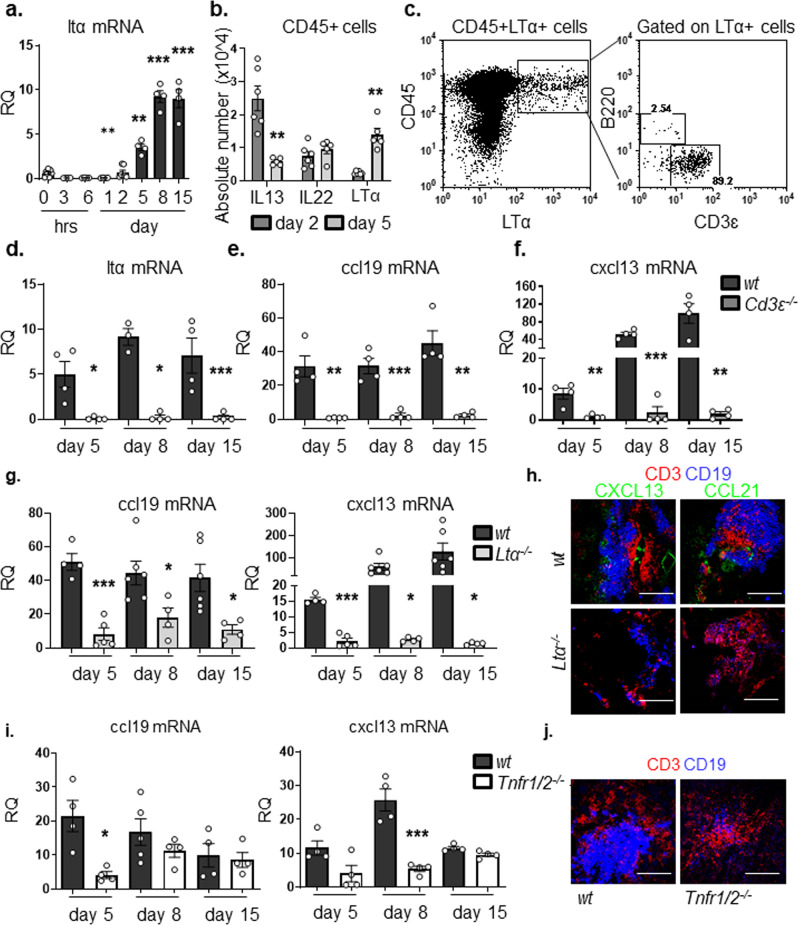
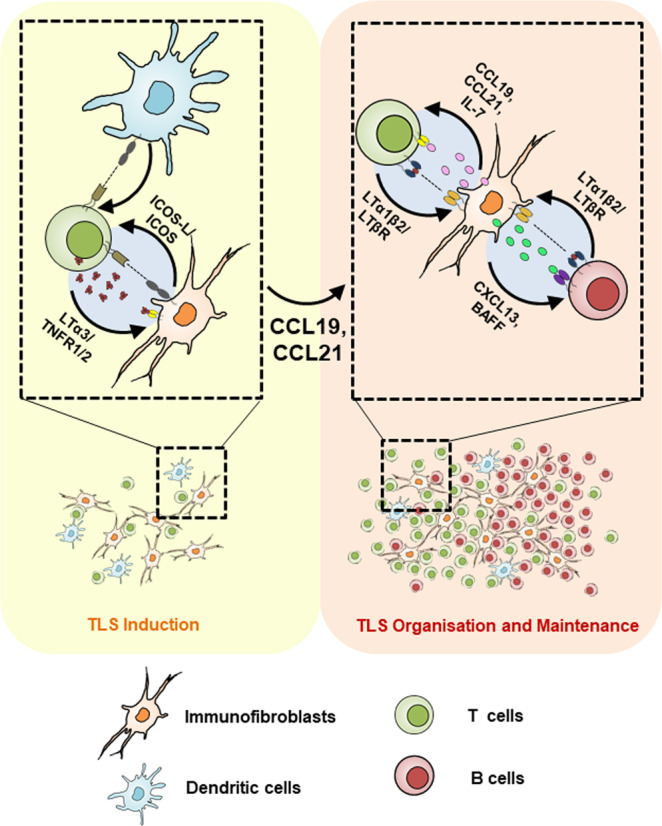
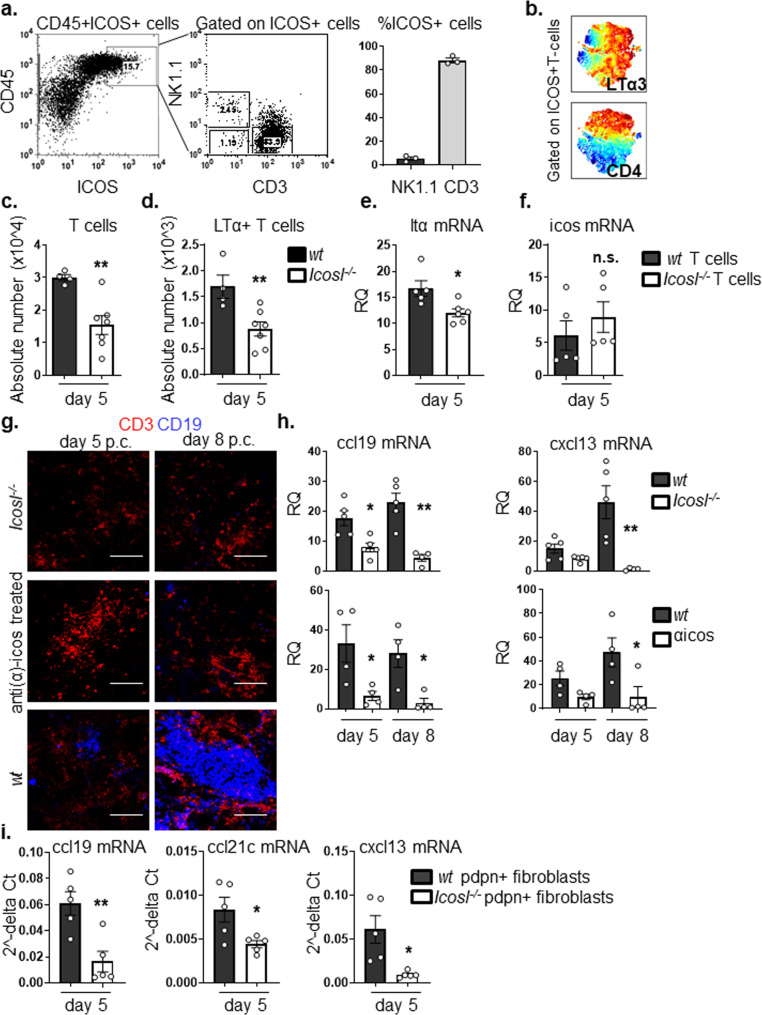
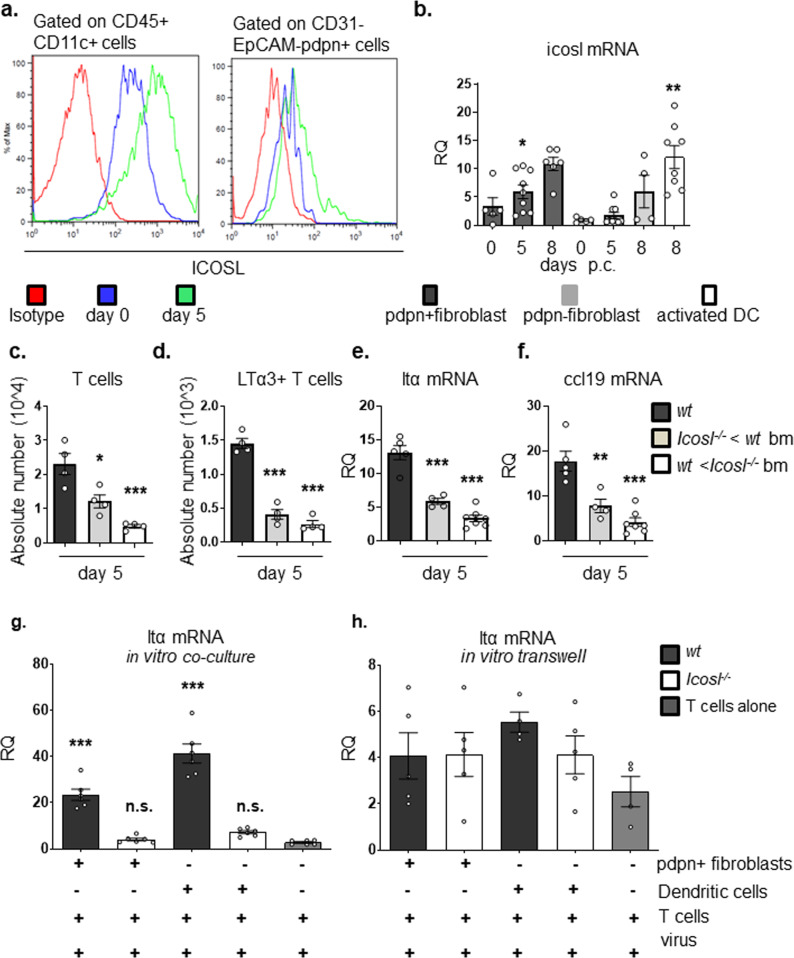
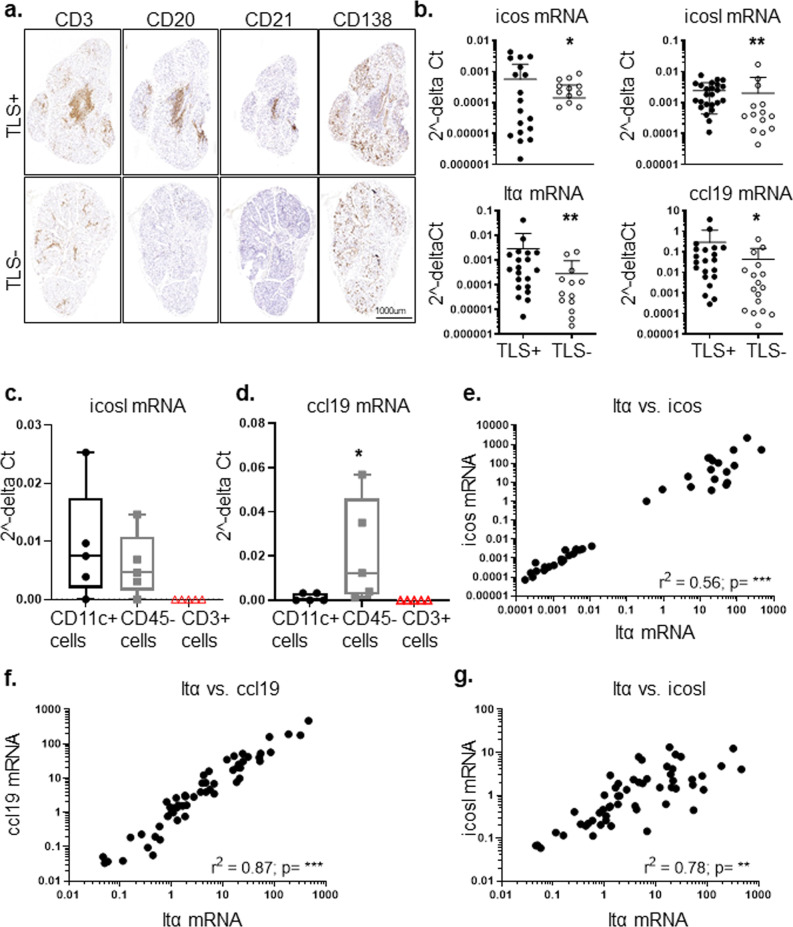
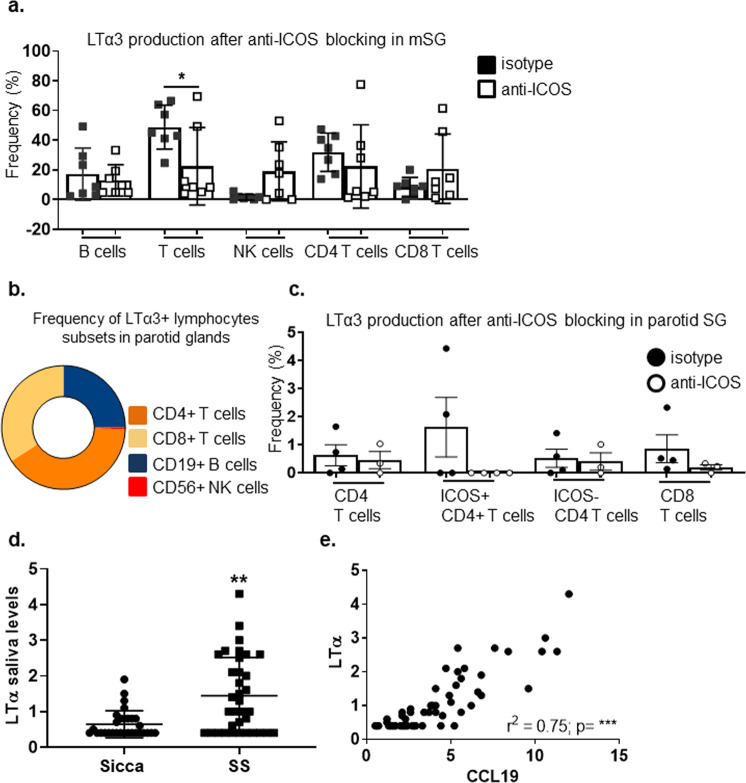
Immunofibroblasts have been described within tertiary lymphoid structures (TLS) that regulate lymphocyte aggregation at sites of chronic inflammation. Here we report, for the first time, an immunoregulatory property of this population, dependent on inducible T-cell co-stimulator ligand and its ligand (ICOS/ICOS-L). During inflammation, immunofibroblasts, alongside other antigen presenting cells, like dendritic cells (DCs), upregulate ICOSL, binding incoming ICOS + T cells and inducing LTα3 production that, in turn, drives the chemokine production required for TLS assembly via TNFRI/II engagement. Pharmacological or genetic blocking of ICOS/ICOS-L interaction results in defective LTα expression, abrogating both lymphoid chemokine production and TLS formation. These data provide evidence of a previously unknown function for ICOSL-ICOS interaction, unveil a novel immunomodulatory function for immunofibroblasts, and reveal a key regulatory function of LTα3, both as biomarker of TLS establishment and as first driver of TLS formation and maintenance in mice and humans.
免疫成纤维细胞已在三级淋巴结构(TLS)中被描述,其可调节慢性炎症部位的淋巴细胞聚集。在此,我们首次报道了该细胞群的一种免疫调节特性,其依赖于诱导性T细胞共刺激分子配体及其配体(ICOS/ICOS-L)。在炎症过程中,免疫成纤维细胞与其他抗原呈递细胞(如树突状细胞,DC)一起上调ICOSL,与进入的ICOS+T细胞结合并诱导LTα3产生,进而通过TNFRI/II参与驱动TLS组装所需的趋化因子产生。对ICOS/ICOS-L相互作用进行药理学或基因阻断会导致LTα表达缺陷,从而消除淋巴趋化因子产生和TLS形成。这些数据为ICOSL-ICOS相互作用的先前未知功能提供了证据,揭示了免疫成纤维细胞的一种新的免疫调节功能,并揭示了LTα3的关键调节功能,其既是TLS建立的生物标志物,也是小鼠和人类TLS形成和维持的首要驱动因素。