Peng Lin, Ai-Lati Aisikaer, Ji Zhongwei, Chen Shuguang, Mao Jian
National Engineering Laboratory for Cereal Fermentation Technology, Jiangnan University Wuxi 214122 China
School of Food Science and Technology, Jiangnan University Wuxi Jiangsu 214122 China.
RSC Adv. 2019 Feb 12;9(10):5295-5301. doi: 10.1039/c8ra09671f. eCollection 2019 Feb 11.
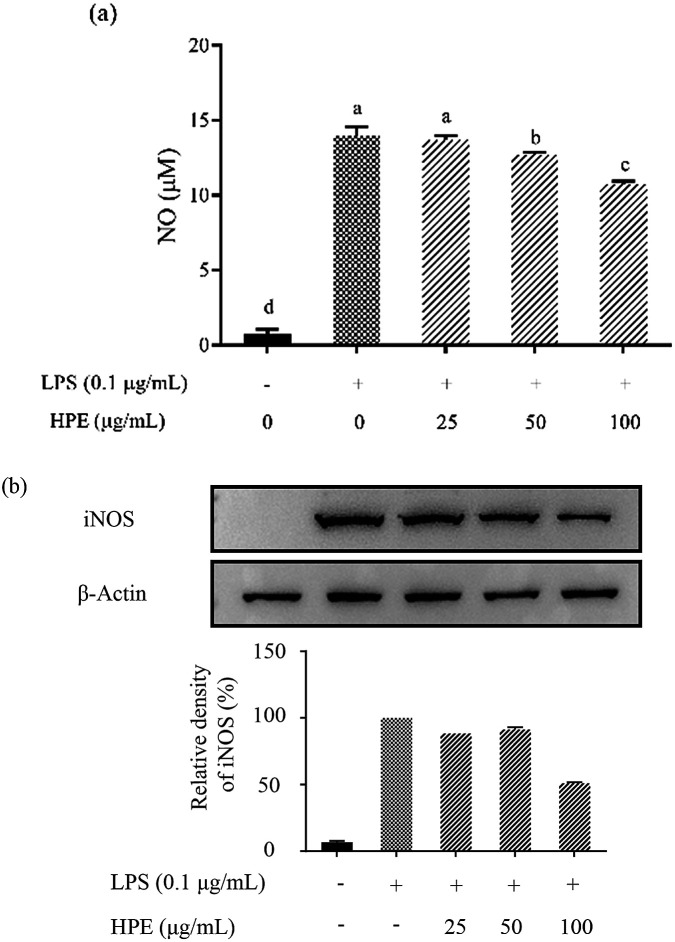
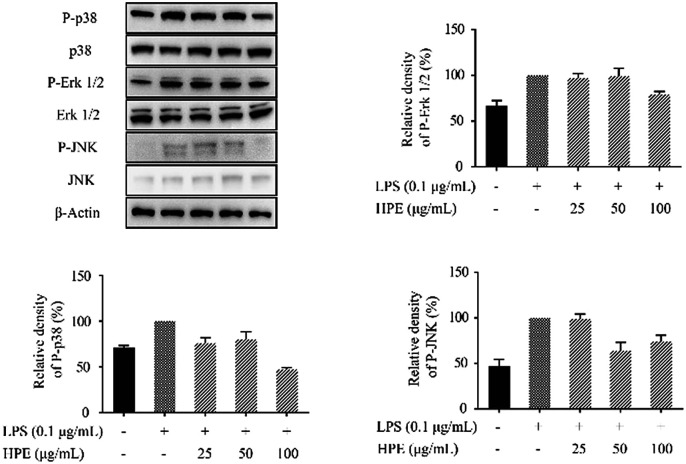
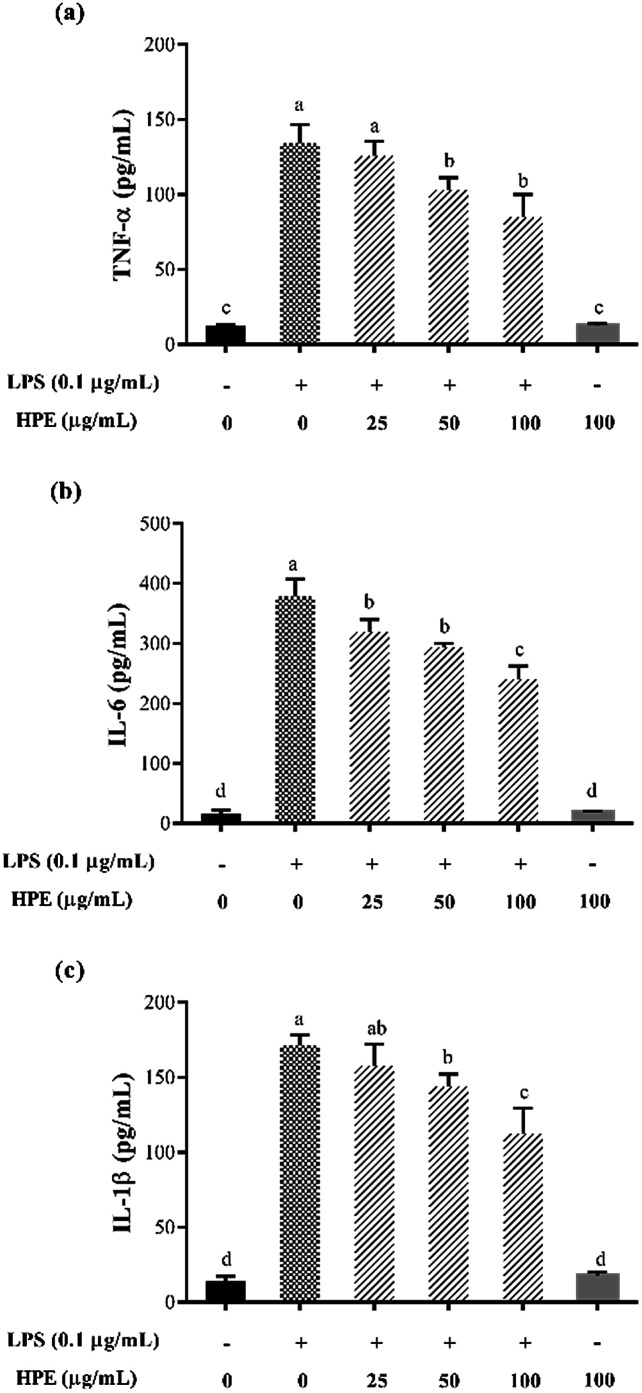
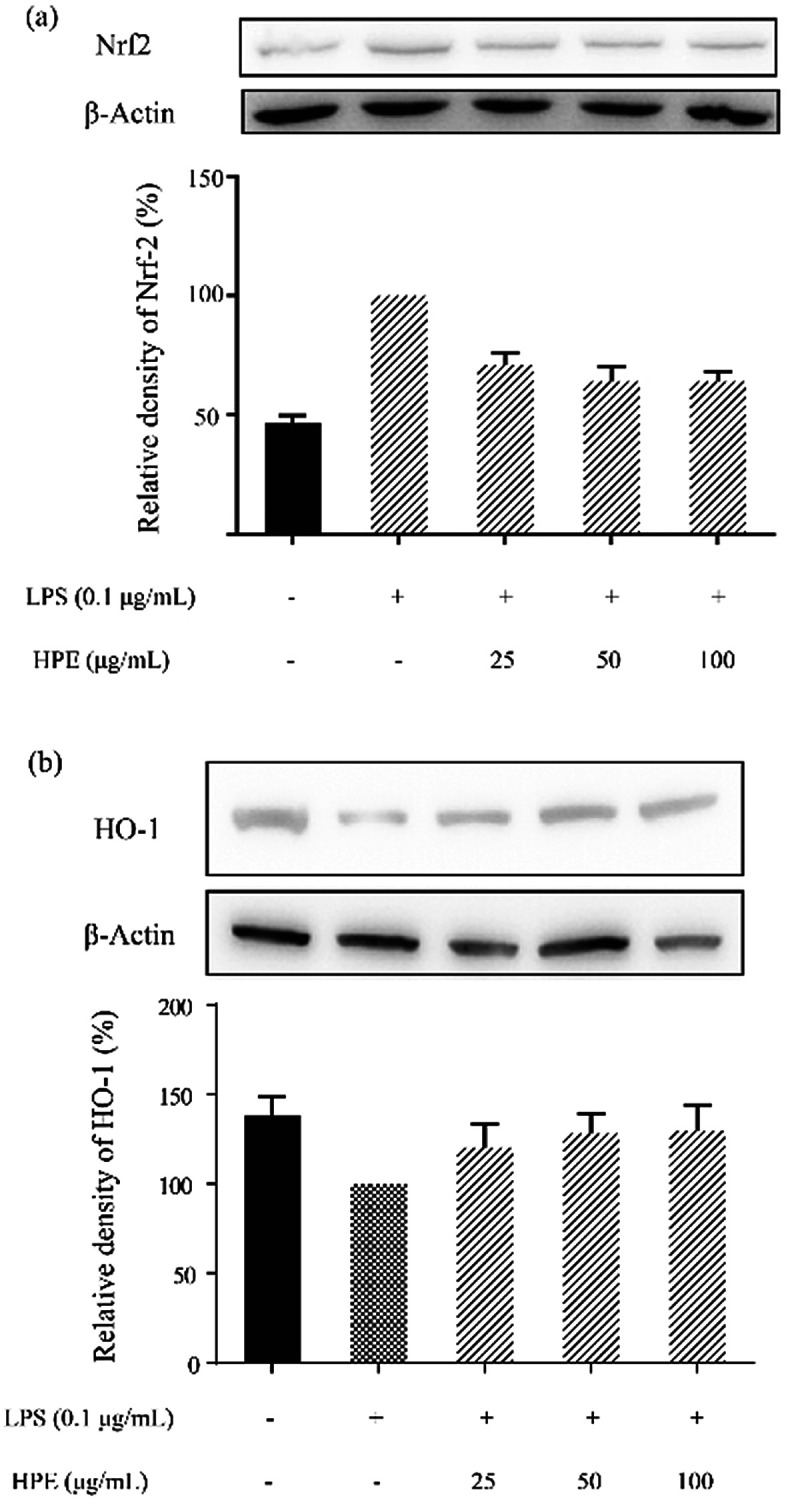
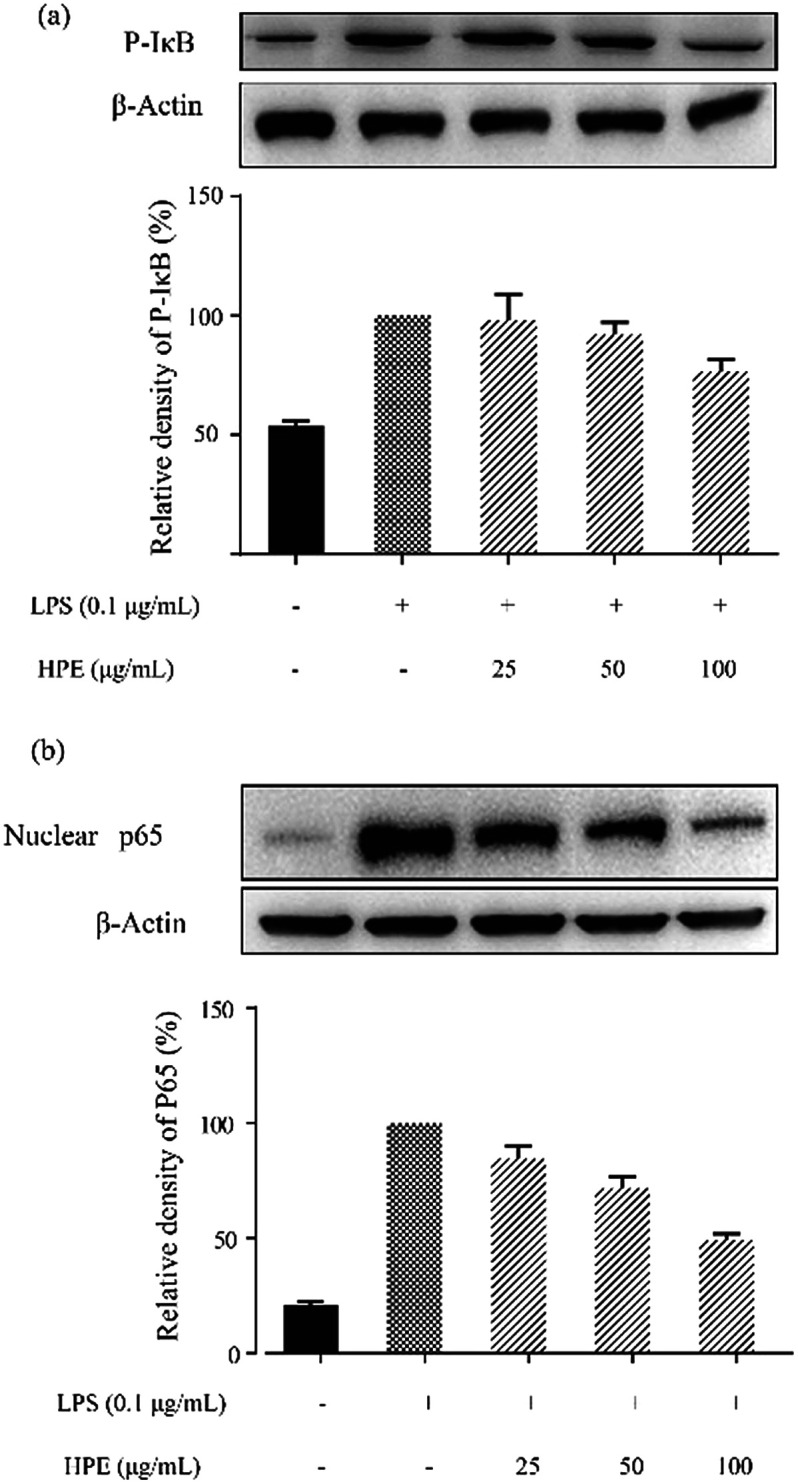
In the present study, an extraction method, combining extraction by ethyl acetate + ethanol and purification by HPD400 resin, was established to obtain huangjiu polyphenol extract (HPE). After extraction and purification, the polyphenol yield was 22.57%, and 90.57% protein and 97.99% sugar were removed. HPLC analysis indicated that (+)-catechin (91.33 μg mL) was the predominant phenolic compound among the 11 detected polyphenols. In LPS-stimulated RAW264.7 cells, HPE exhibits anti-inflammatory effects by inhibiting the production of NO and pro-inflammatory cytokines (TNF-α, interleukin IL-6 and IL-1β). The anti-inflammatory effect of HPE is associated with the inhibition of iNOS expression, the suppression of NF-κB translocation to the nucleus, and the inhibition of the phosphorylation of IκB and the MAPK family proteins, p-38, Erk 1/2, and JNK. Moreover, the activation of Nrf2 and HO-1 is also related to the anti-inflammatory effect of HPE.
在本研究中,建立了一种将乙酸乙酯+乙醇提取与HPD400树脂纯化相结合的提取方法,以获得黄酒多酚提取物(HPE)。经过提取和纯化后,多酚得率为22.57%,去除了90.57%的蛋白质和97.99%的糖。高效液相色谱分析表明,(+)-儿茶素(91.33μg/mL)是11种检测到的多酚中主要的酚类化合物。在脂多糖刺激的RAW264.7细胞中,HPE通过抑制一氧化氮(NO)及促炎细胞因子(肿瘤坏死因子-α、白细胞介素IL-6和IL-1β)的产生发挥抗炎作用。HPE的抗炎作用与抑制诱导型一氧化氮合酶(iNOS)表达、抑制核因子-κB(NF-κB)向细胞核的转位以及抑制IκB和丝裂原活化蛋白激酶(MAPK)家族蛋白p-38、细胞外信号调节激酶1/2(Erk 1/2)和c-Jun氨基末端激酶(JNK)的磷酸化有关。此外,核因子E2相关因子2(Nrf2)和血红素加氧酶-1(HO-1)的激活也与HPE的抗炎作用有关。