Amaya Celina, Smith Elizabeth R, Xu Xiang-Xi
Department of Radiation Oncology, University of Miami Miller School of Medicine, Miami, FL 33136.
Department of Obstetrics, Gynecology and Reproductive Science, University of Miami Miller School of Medicine, Miami, FL 33136.
J Cancer. 2022 Apr 18;13(7):2362-2373. doi: 10.7150/jca.71263. eCollection 2022.
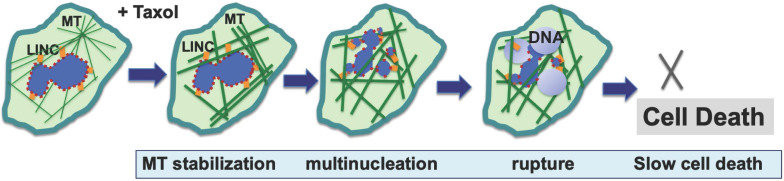
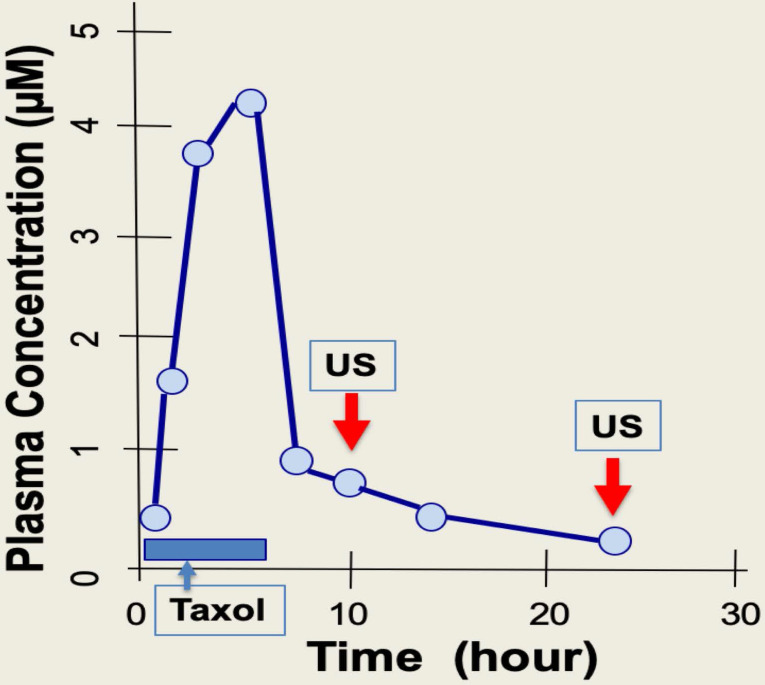
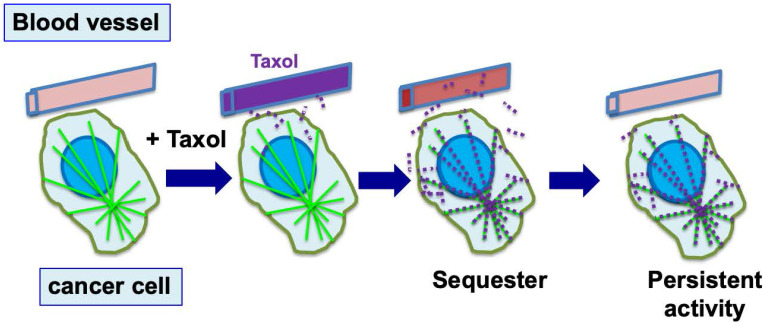
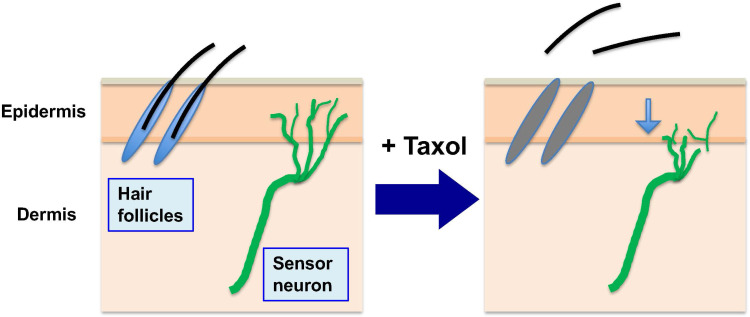
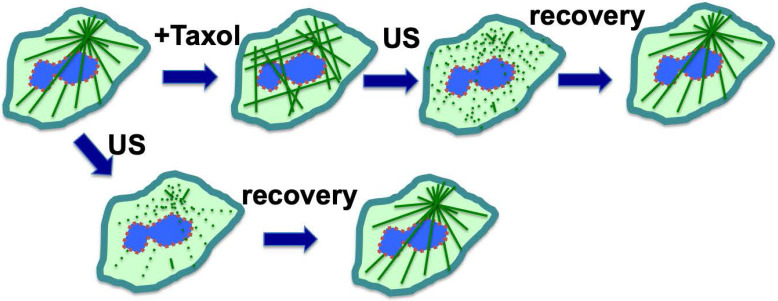
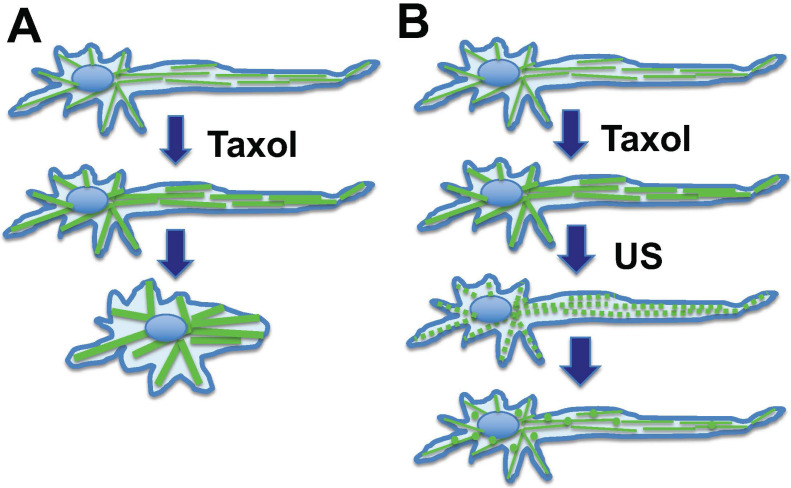
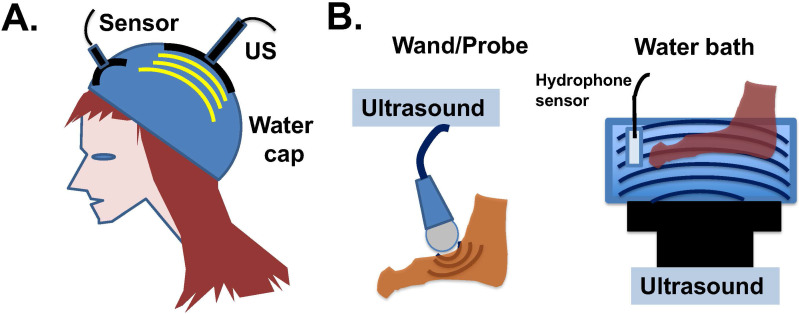
The taxane family of compounds, including Taxol/paclitaxel and Taxotere/docetaxel, are surprisingly successful drugs used in combination or alone for the treatment of most major solid tumors, especially metastatic cancer. The drugs are commonly used in regimen with other agents (often platinum drugs) as frontline treatment, or used as a single agent in a dose dense regimen for recurrent cancer. The major side effects of taxanes are peripheral neuropathy, alopecia, and neutropenia, which are grave burden for patients and limit the full potential of the taxane drugs. Especially in the current treatment protocol for peripheral neuropathy, taxane dosage is reduced once the symptoms present, resulting in the loss of full or optimal cancer killing activity. Substantial efforts have been made to address the problem of cytotoxic side effects of taxanes, though strategies remain very limited. Following administration of the taxane compound by infusion, taxane binds to cellular microtubules and is sequestered within the cells for several days. Taxane stabilizes and interferes with microtubule function, leading to ultimate death of cancer cells, but also damages hair follicles, peripheral neurons, and hemopoietic stem cells. Currently, cryo-treatment is practiced to limit exposure and side effects of the drug during infusion, though the effectiveness is uncertain or limited. A recent laboratory finding may provide a new strategy to counter taxane cytotoxicity, that a brief exposure to low density ultrasound waves was sufficient to eliminate paclitaxel cytotoxicity cells in culture by transiently breaking microtubule filaments, which were then relocated to lysosomes for disposal. Thus, ultrasonic force to break rigid microtubules is an effective solution to counter taxane cytotoxicity. The discovery and concept of low intensity ultrasound as an antidote may have the potential to provide a practical strategy to counter paclitaxel-induced peripheral neuropathy and alopecia that resulted from chemotherapy. Taxanes are a class of important drugs used in chemotherapy to treat several major cancers. This article reviews a new laboratory discovery that ultrasound can be used as an antidote for the peripheral cytotoxicity of taxane drugs and discusses the potential development and application of low intensity ultrasound to prevent side effects in chemotherapeutic treatment of cancer patients.
紫杉烷类化合物,包括紫杉醇/泰素和多西他赛/泰索帝,是非常成功的药物,可单独或联合用于治疗大多数主要实体瘤,尤其是转移性癌症。这些药物通常与其他药物(通常是铂类药物)联合用于一线治疗方案,或在复发性癌症的剂量密集方案中作为单一药物使用。紫杉烷类药物的主要副作用是外周神经病变、脱发和中性粒细胞减少,这些对患者来说是沉重负担,并限制了紫杉烷类药物的全部潜力。特别是在当前针对外周神经病变的治疗方案中,一旦出现症状就会降低紫杉烷剂量,从而导致失去全部或最佳的抗癌活性。尽管应对策略仍然非常有限,但人们已经做出了大量努力来解决紫杉烷类药物的细胞毒性副作用问题。通过静脉输注给药后,紫杉烷会与细胞微管结合并在细胞内滞留数天。紫杉烷会使微管稳定并干扰其功能,导致癌细胞最终死亡,但同时也会损害毛囊、外周神经元和造血干细胞。目前,采用冷冻疗法来限制药物在输注过程中的暴露和副作用,但其效果尚不确定或有限。最近一项实验室研究结果可能提供一种对抗紫杉烷细胞毒性的新策略,即短暂暴露于低密度超声波足以通过短暂破坏微管丝来消除培养物中的紫杉醇细胞毒性,然后这些微管丝会重新定位到溶酶体进行处理。因此,利用超声力破坏刚性微管是对抗紫杉烷细胞毒性的有效解决方案。低强度超声作为解毒剂的发现和概念可能有潜力提供一种实用策略,以对抗由化疗引起的紫杉醇诱导的外周神经病变和脱发。紫杉烷类是化疗中用于治疗几种主要癌症的一类重要药物。本文综述了一项新的实验室发现,即超声可作为紫杉烷类药物外周细胞毒性的解毒剂,并讨论了低强度超声在预防癌症患者化疗副作用方面的潜在发展和应用。