Baker Amy L, Du Liqin
Department of Chemistry and Biochemistry, Texas State University, 601 University Drive, San Marcos, TX, 78666, USA.
J Cancer. 2022 Apr 18;13(7):2374-2387. doi: 10.7150/jca.65949. eCollection 2022.
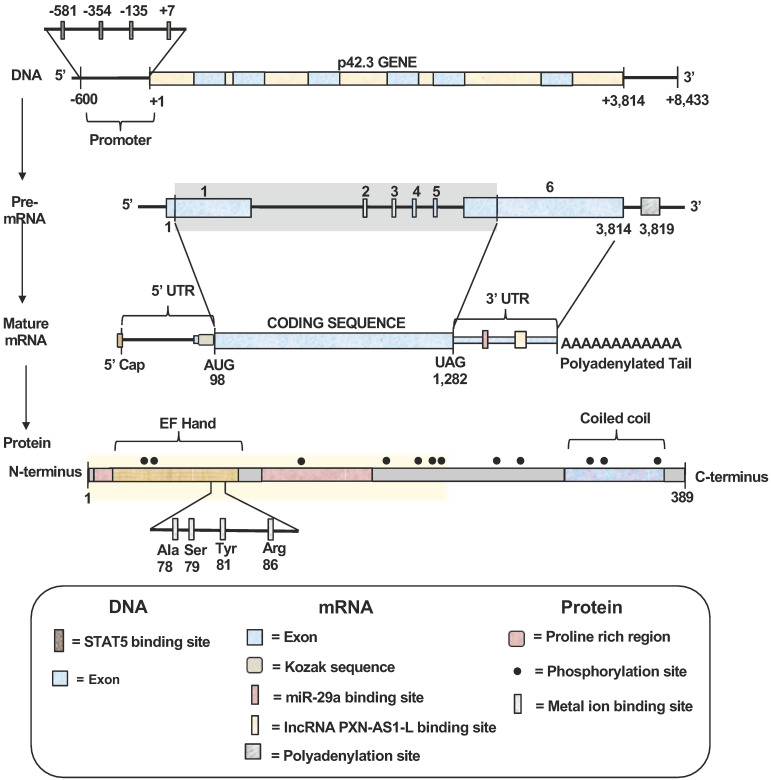
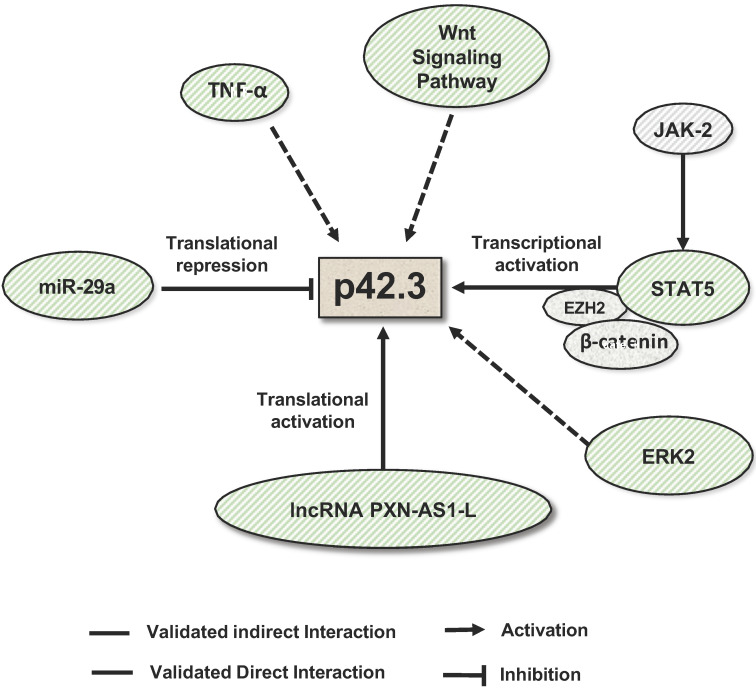
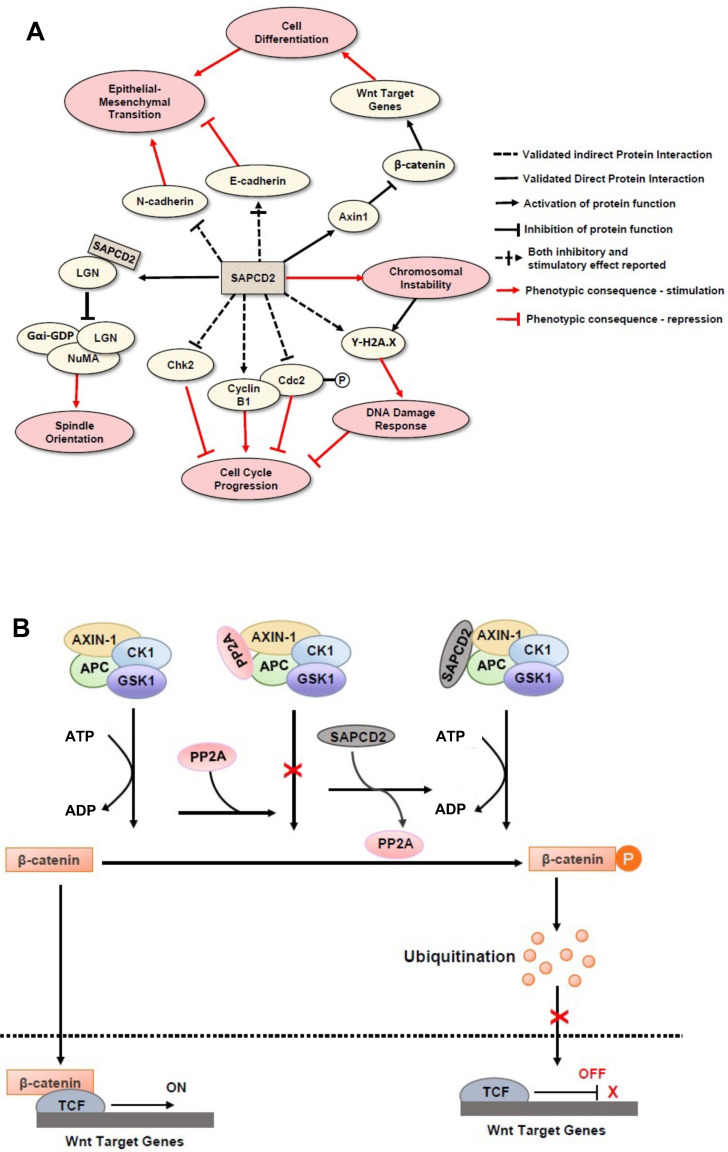
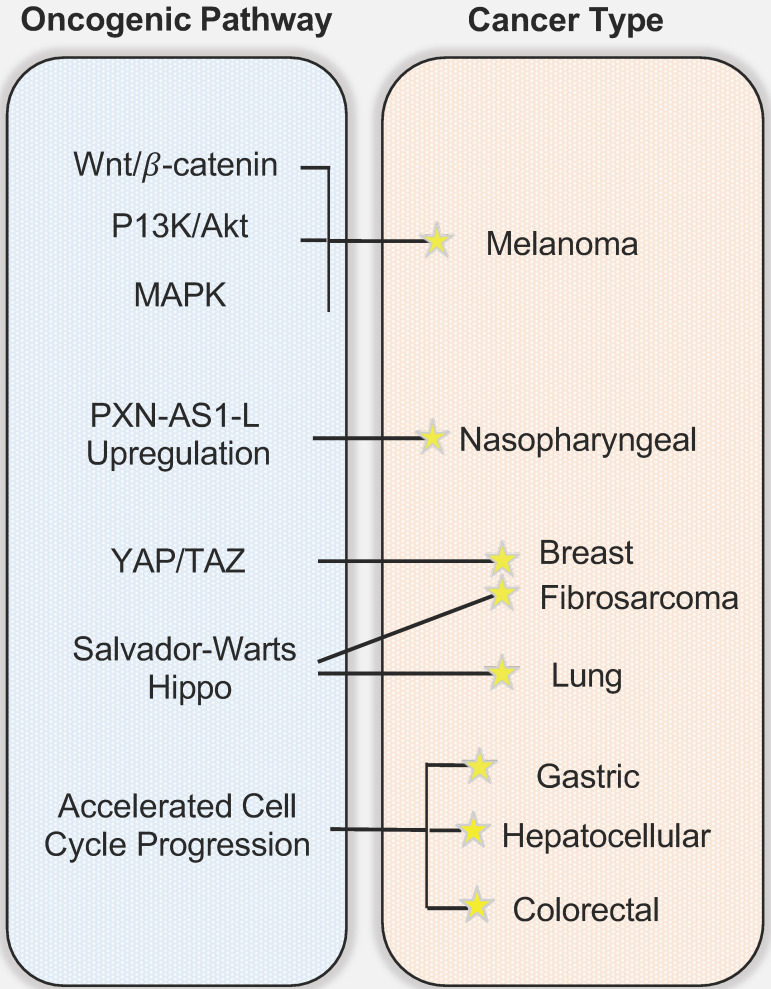
The Suppressor APC Domain Containing 2 (SAPCD2) gene, also known by its aliases p42.3 and c9orf140, encodes a protein with an approximate molecular weight of 42.3 kDa. It was initially recognized as a cell cycle-associated protein involved in mitotic progression. Since the initial discovery of this gene, emerging evidence has suggested that its functions extend beyond that of regulating cell cycle progression to include modulation of planar polarization of cell progenitors and determination of cell fate throughout embryonic development. The underlying mechanisms driving such functions have been partially elucidated. However, the detailed mechanisms of action remain to be further characterized. The expression level of SAPCD2 is high throughout embryogenesis but is generally absent in healthy postnatal tissues, with restored expression in adult tissues being associated with various disease states. The pathological consequences of its aberrant expression have been investigated, most notably in the development of several types of cancers. The role of SAPCD2 in tumorigenesis has been supported by , , and retrospective clinical investigations and the mechanisms underlying its oncogenic function have been partially revealed. The potential of SAPCD2 as a diagnostic marker and therapeutic target of cancers have also been explored and have shown great promise. However, many questions pertaining to its oncogenic mechanisms as well as its value as a diagnostic marker and therapeutic target remain to be answered. In addition to its function as an oncogene, an involvement of SAPCD2 in other pathological processes such as inflammation has also been implicated and provides additional directions that warrant future investigation. This article reviews the current understanding of the normal cellular functions of SAPCD2 and the relevance of SAPCD2 in disease development with a primary focus on tumorigenesis. The mechanisms that regulate p43.2 expression, including the potential role of microRNAs in regulating its expression, are also reviewed. To the best of our knowledge, we are the first to comprehensively review the published findings regarding the physiological and pathological functions of this gene.
含抑制性APC结构域2(SAPCD2)基因,其别名p42.3和c9orf140也为人所知,编码一种分子量约为42.3 kDa的蛋白质。它最初被认为是一种与细胞周期相关的蛋白质,参与有丝分裂进程。自该基因最初被发现以来,新出现的证据表明其功能不仅限于调节细胞周期进程,还包括调节细胞祖细胞的平面极化以及在整个胚胎发育过程中决定细胞命运。驱动这些功能的潜在机制已得到部分阐明。然而,其详细的作用机制仍有待进一步明确。SAPCD2在整个胚胎发育过程中的表达水平较高,但在健康的出生后组织中通常不存在,在成体组织中表达恢复与多种疾病状态相关。已经对其异常表达的病理后果进行了研究,最显著的是在几种癌症的发生发展方面。SAPCD2在肿瘤发生中的作用得到了前瞻性、回顾性临床研究的支持,其致癌功能的潜在机制也已部分揭示。SAPCD2作为癌症诊断标志物和治疗靶点的潜力也已得到探索,并显示出巨大的前景。然而,许多关于其致癌机制以及作为诊断标志物和治疗靶点的价值的问题仍有待解答。除了作为癌基因的功能外,SAPCD2还被认为参与了其他病理过程,如炎症,这为未来的研究提供了新的方向。本文综述了目前对SAPCD2正常细胞功能的理解以及SAPCD2在疾病发展中的相关性,主要关注肿瘤发生。还综述了调节p43.2表达的机制,包括微小RNA在调节其表达中的潜在作用。据我们所知,我们是第一个全面综述关于该基因生理和病理功能已发表研究结果的。