Moura Cinthia Cristine, Salazar-Bryam Ana Maria, Piazza Rodolfo Debone, Carvalho Dos Santos Caio, Jafelicci Miguel, Marques Rodrigo Fernando Costa, Contiero Jonas
Associate Laboratory of the Institute for Research in Bioenergy (IPBEN)-Unesp, São Paulo State University (Unesp), Institute for Research in Bioenergy, Rio Claro, Brazil.
Industrial Microbiology Laboratory, General and Applied Biology, Institute of Biosciences, São Paulo State University (Unesp), Rio Claro, Brazil.
Front Bioeng Biotechnol. 2022 Apr 19;10:794460. doi: 10.3389/fbioe.2022.794460. eCollection 2022.
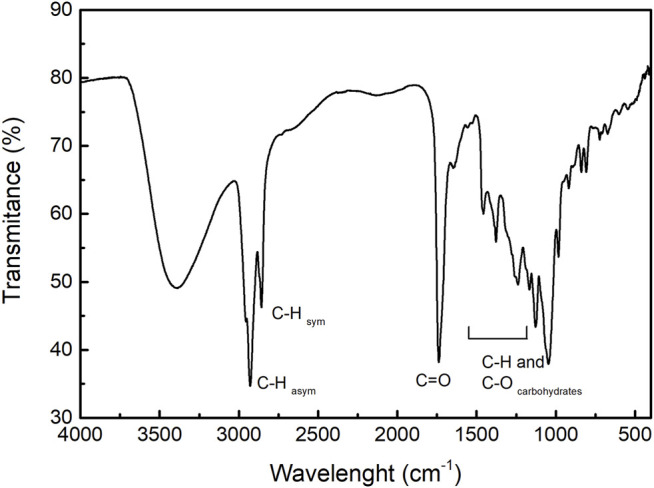
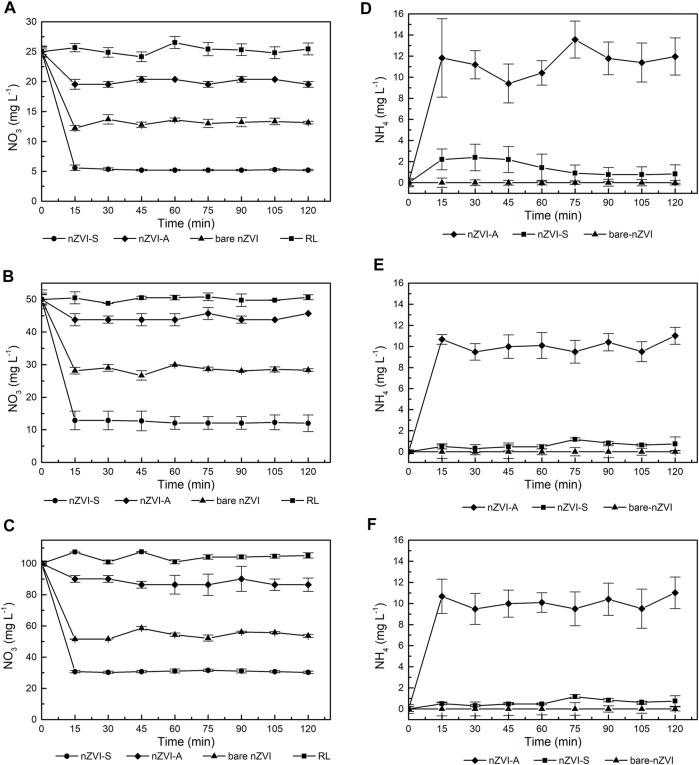
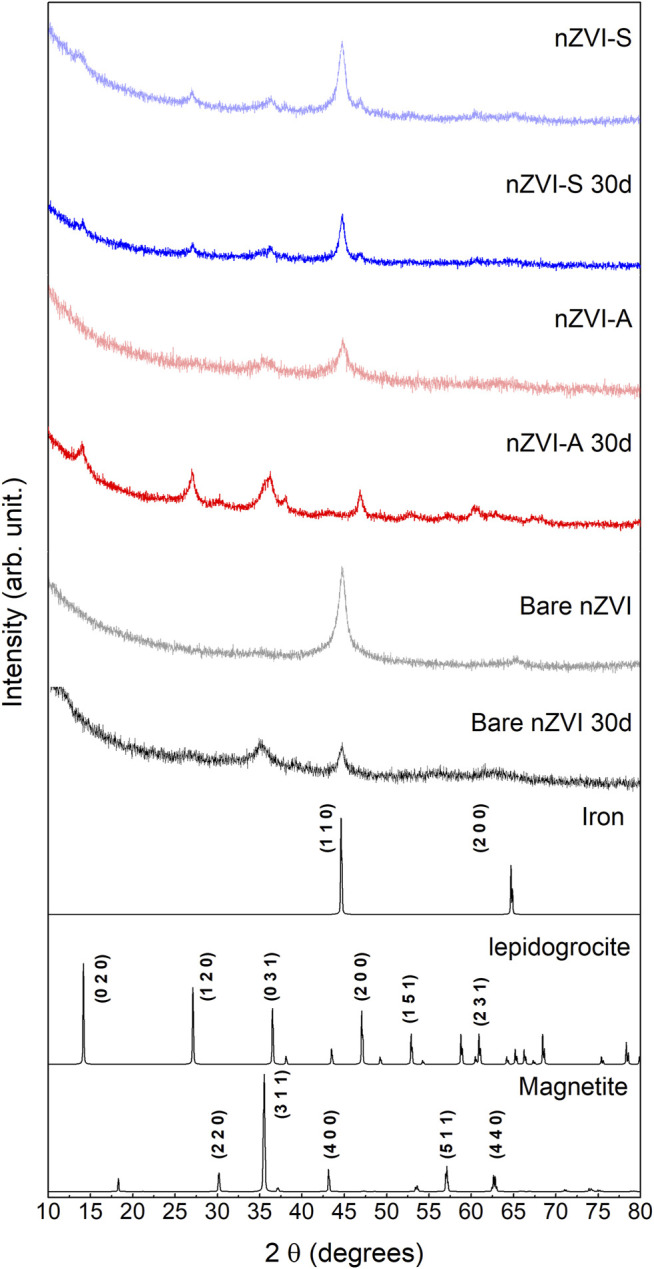
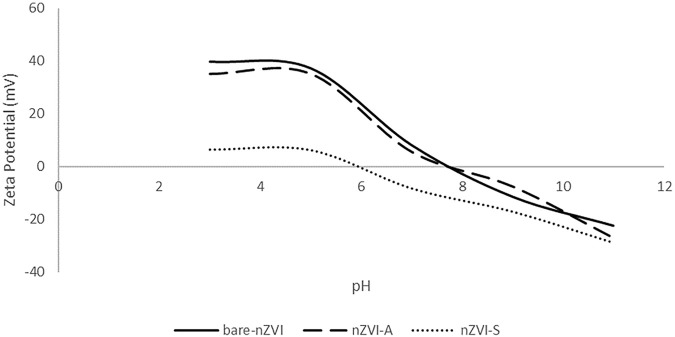
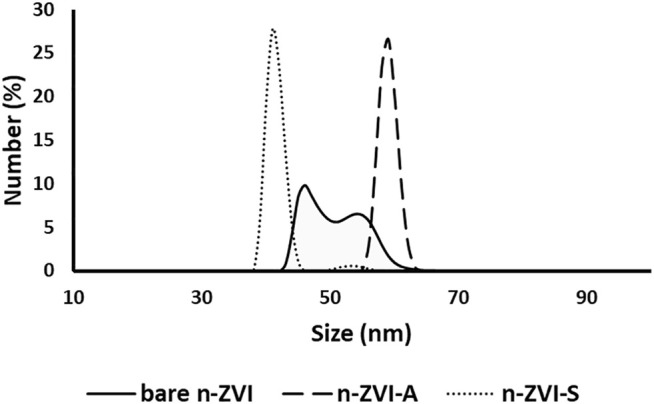
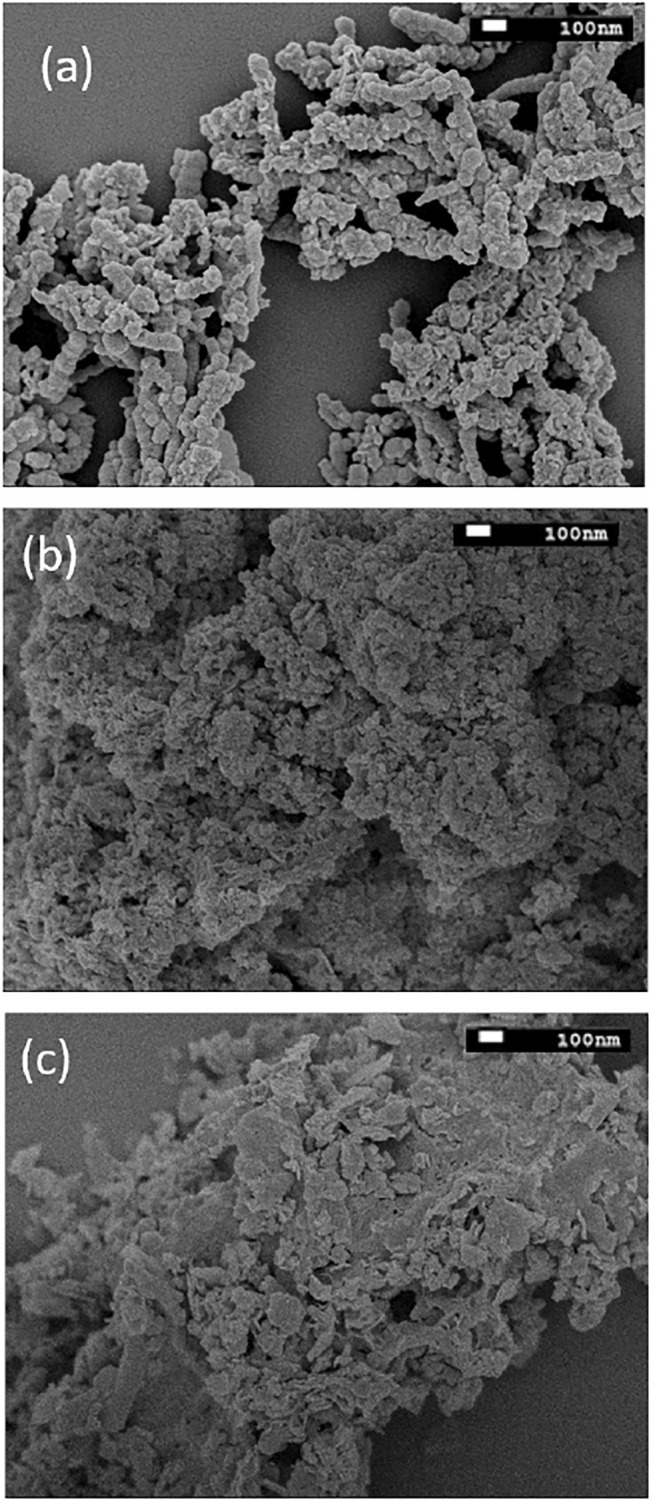
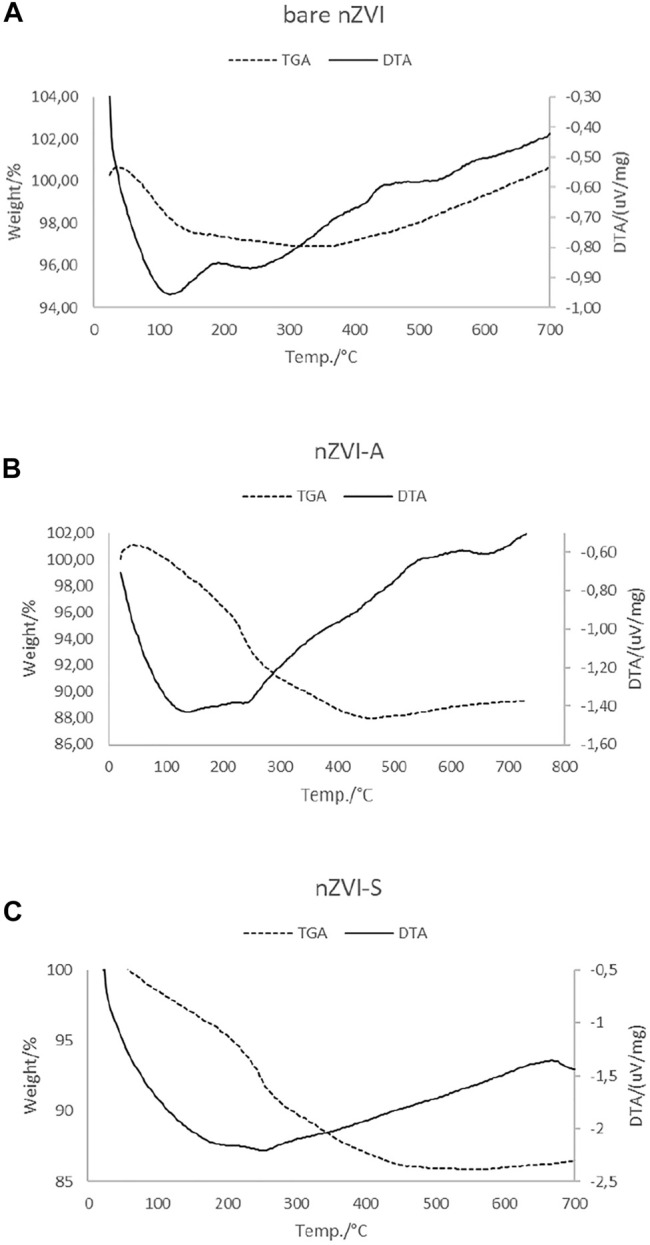
Environmental contamination caused by inorganic compounds is a major problem affecting soils and surface water. Most remediation techniques are costly and generally lead to incomplete removal and production of secondary waste. Nanotechnology, in this scenario with the zero-valent iron nanoparticle, represents a new generation of environmental remediation technologies. It is non-toxic, abundant, cheap, easy to produce, and its production process is simple. However, in order to decrease the aggregation tendency, the zero-iron nanoparticle is frequently coated with chemical surfactants synthesized from petrochemical sources, which are persistent or partially biodegradable. Biosurfactants (rhamnolipids), extracellular compounds produced by microorganisms from hydrophilic and hydrophobic substrates can replace synthetic surfactants. This study investigated the efficiency of a rhamnolipid biosurfactant on the aggregation of nanoscale zer-valent iron (nZVI) and its efficiency in reducing nitrate in simulated groundwater at pH 4.0. Two methods were tested: 1) adding the rhamnolipid during chemical synthesis and 2) adding the rhamnolipid after chemical synthesis of nZVI. Scanning electron microscopy field emission, X-ray diffractometry, Fourier transform infrared spectroscopy, thermogravimetric analysis, Dynamic Light Scattering, and zeta potential measurements were used to characterize bare nZVI and rhamnolipid-coated nZVI. The effects of the type of nZVI and initial NO concentration were examined. Nanoscale zer-valent iron with the addition of the rhamnolipid after synthesis achieved the best removal rate of nitrate (about 78%), with an initial nitrate concentration of 25 mg L. The results suggest that nZVI functionalized with rhamnolipids is a promising strategy for the remediations of groundwater contaminated by NO, heavy metal, and inorganic carbon.
无机化合物造成的环境污染是影响土壤和地表水的一个主要问题。大多数修复技术成本高昂,而且通常导致去除不完全并产生二次废物。在这种情况下,纳米技术与零价铁纳米颗粒一起,代表了新一代的环境修复技术。它无毒、储量丰富、价格低廉、易于生产,而且其生产过程简单。然而,为了降低聚集倾向,零价铁纳米颗粒经常被涂上由石化来源合成的化学表面活性剂,这些表面活性剂是持久的或部分可生物降解的。生物表面活性剂(鼠李糖脂),即微生物从亲水性和疏水性底物产生的细胞外化合物,可以替代合成表面活性剂。本研究调查了鼠李糖脂生物表面活性剂对纳米级零价铁(nZVI)聚集的影响及其在pH 4.0的模拟地下水中还原硝酸盐的效率。测试了两种方法:1)在化学合成过程中添加鼠李糖脂;2)在nZVI化学合成后添加鼠李糖脂。使用场发射扫描电子显微镜、X射线衍射、傅里叶变换红外光谱、热重分析、动态光散射和zeta电位测量来表征裸露的nZVI和鼠李糖脂包覆的nZVI。研究了nZVI类型和初始NO浓度的影响。合成后添加鼠李糖脂的纳米级零价铁实现了最佳的硝酸盐去除率(约78%),初始硝酸盐浓度为25 mg/L。结果表明,用鼠李糖脂功能化的nZVI是修复受NO、重金属和无机碳污染的地下水的一种有前景的策略。