Joshi Kanchan M, Shinde Dnyaneshwar R, Nikam Latesh K, Panmand Rajendra, Sethi Yogesh A, Kale Bharat B, Chaskar Manohar G
Prof. Ramakrishna More College Akurdi Pune 44 India.
B. R. Gholap College Sangavi Pune India.
RSC Adv. 2019 Jan 18;9(5):2484-2492. doi: 10.1039/c8ra05874a.
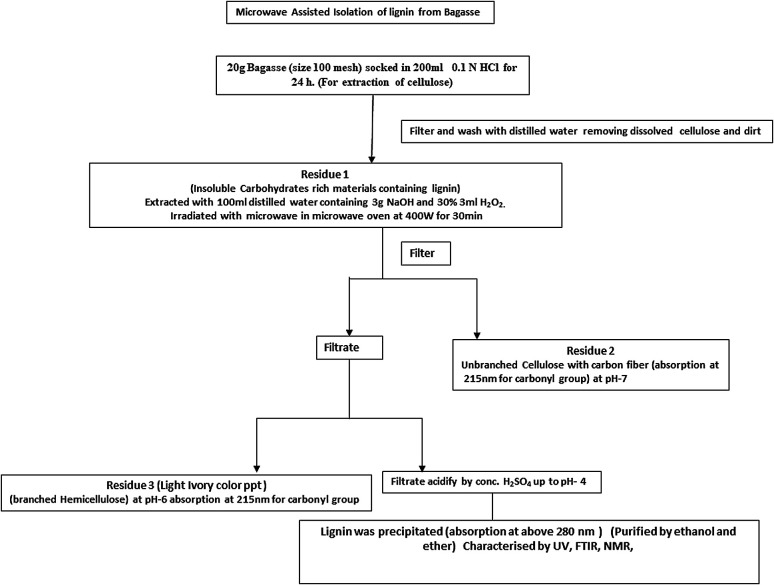
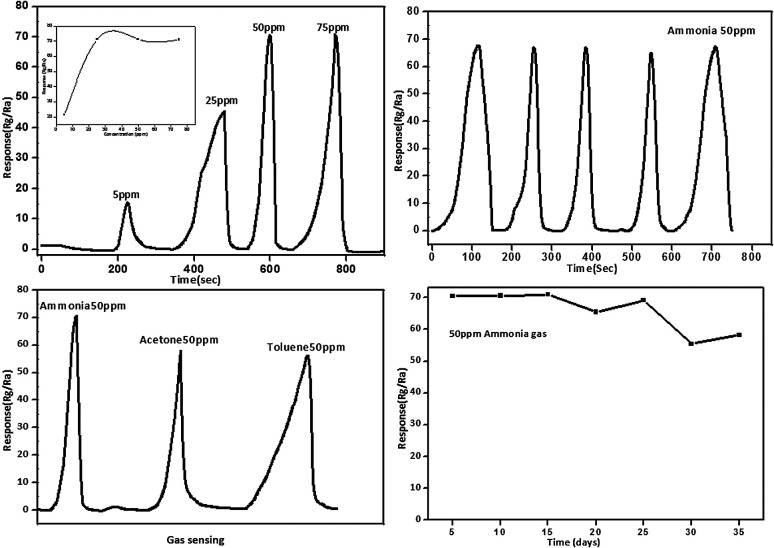
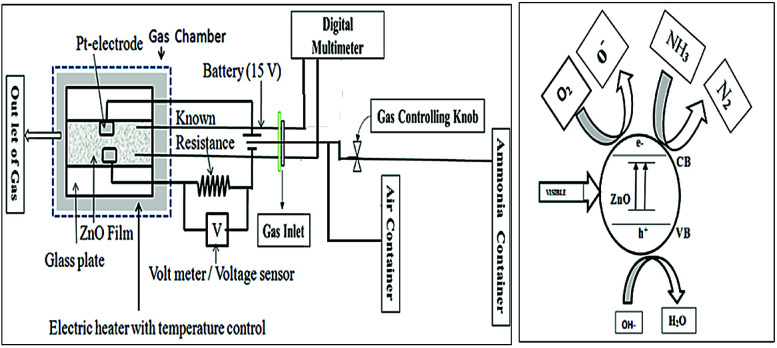
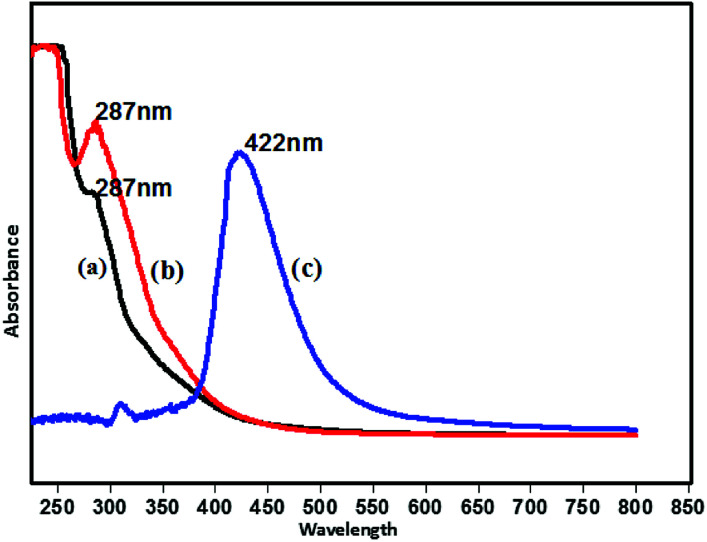
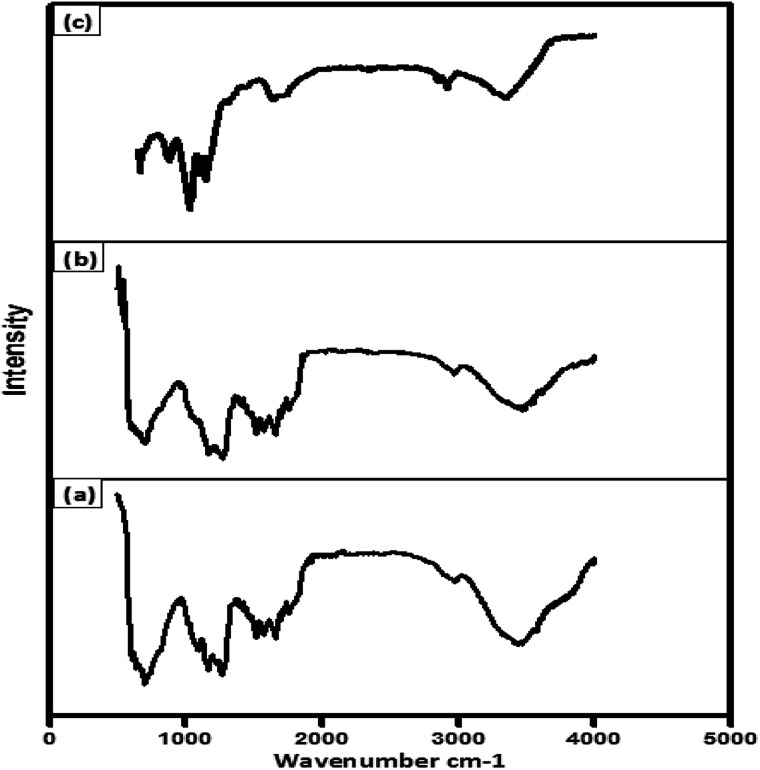
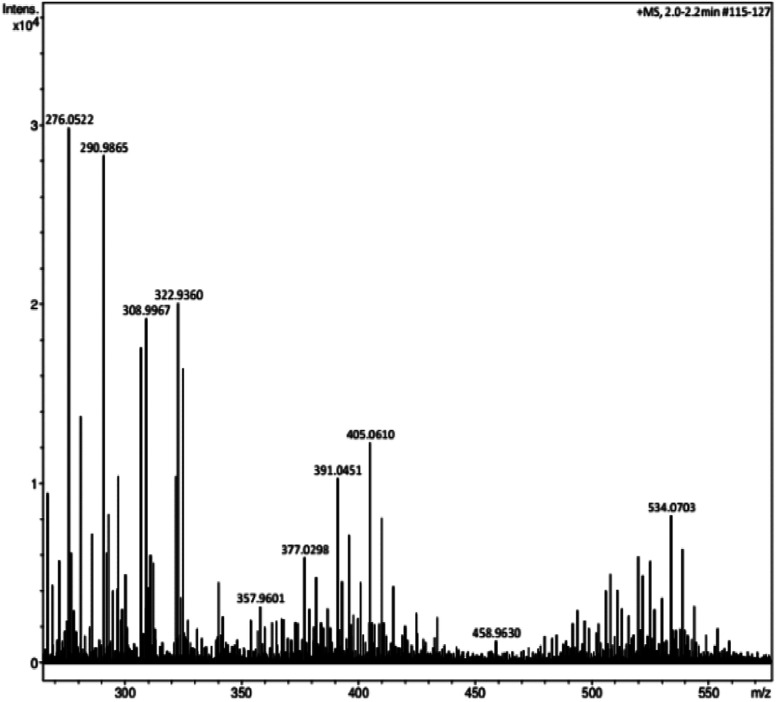
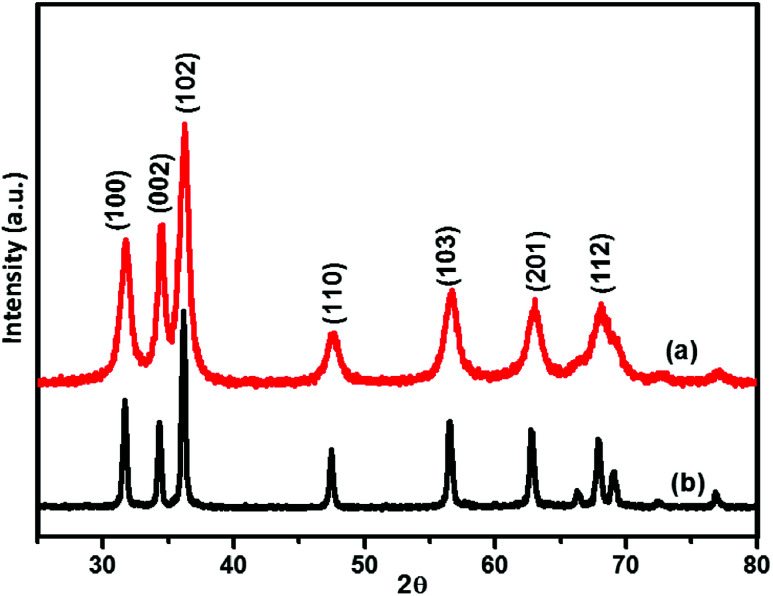
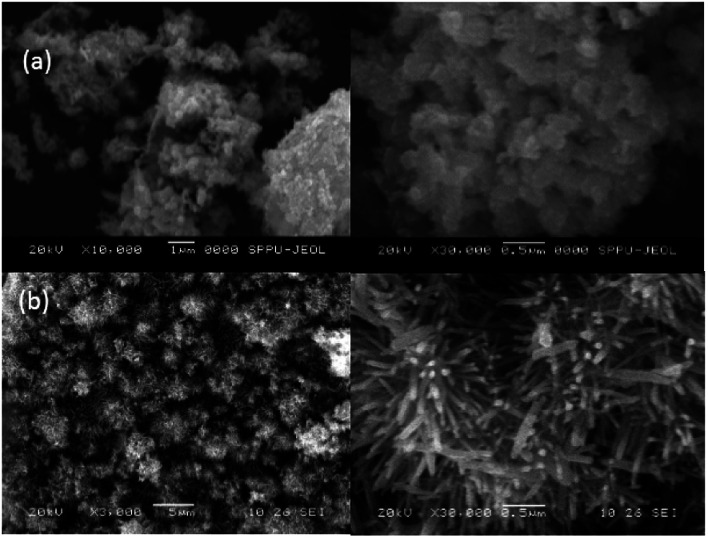
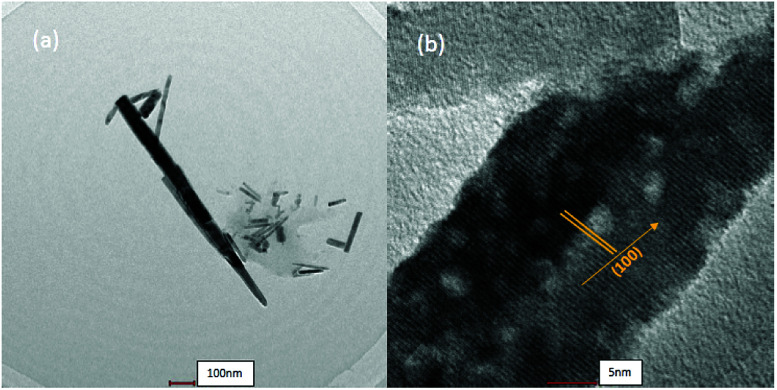
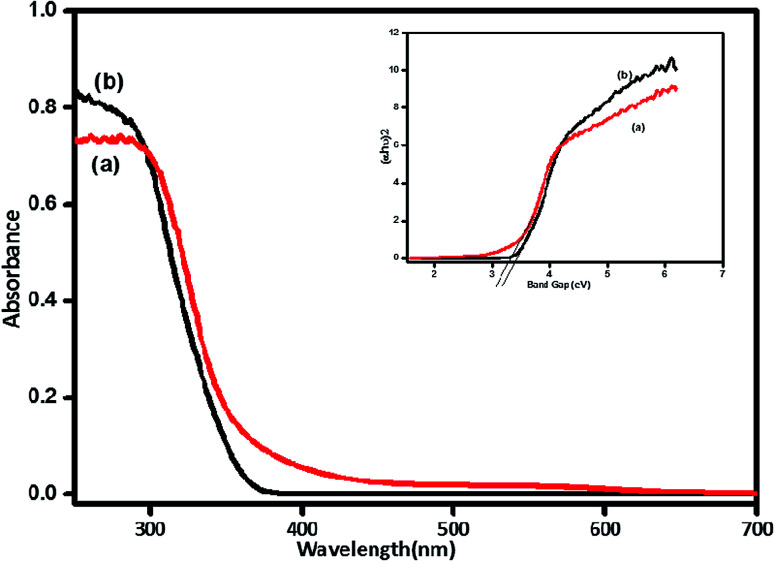
In the present study, we demonstrated the use of fragmented lignin in the synthesis of a hierarchical-type structure of ZnO nanorods. Lignin was isolated from bagasse by the microwave assisted method and its fragmentation was achieved in alkaline conditions along with hydrogen peroxide. Lignin and fragmented lignin were purified by crystallisation followed by column chromatography and characterized by UV-visible spectroscopy, Frontier infra-red spectroscopy (FTIR), H-NMR and high resolution mass spectroscopy (HRMS). Fragmented lignin was utilized as a template for the synthesis of ZnO nanorods, which were characterized by powder XRD, scanning electron microscopy (SEM), transmission electron microscopy (TEM), and UV-DRS for the determination of crystal structure, particle morphology and band gap. XRD of the ZnO samples revealed a hexagonal wurtzite structure. The morphology of ZnO without fragmented lignin showed agglomerated nanoparticles and with fragmented lignin, a self-assembled hierarchical nanostructure due to nanorods of 30 nm diameter and 200-500 nm length was observed. The fragmented lignin showed a pronounced effect on the particle size and morphology of ZnO nanoparticles. We measured the response of the hierarchical ZnO nanostructure (50 ppm) for sensing NH in terms of change in voltage across known resistance. We observed the response and recovery upon introduction of the analyte ammonia gas at 175 °C.
在本研究中,我们展示了使用碎片化木质素合成分级结构的氧化锌纳米棒。通过微波辅助法从甘蔗渣中分离出木质素,并在碱性条件下用过氧化氢实现其碎片化。木质素和碎片化木质素通过结晶后柱色谱法进行纯化,并通过紫外可见光谱、前沿红外光谱(FTIR)、氢核磁共振(H-NMR)和高分辨率质谱(HRMS)进行表征。碎片化木质素被用作合成氧化锌纳米棒的模板,通过粉末X射线衍射(XRD)、扫描电子显微镜(SEM)、透射电子显微镜(TEM)和紫外漫反射光谱(UV-DRS)对其晶体结构、颗粒形态和带隙进行表征。氧化锌样品的XRD显示为六方纤锌矿结构。没有碎片化木质素的氧化锌形态显示为团聚的纳米颗粒,而有碎片化木质素时,观察到由于直径为30nm、长度为200 - 500nm的纳米棒形成了自组装分级纳米结构。碎片化木质素对氧化锌纳米颗粒的粒径和形态有显著影响。我们在已知电阻两端电压变化的情况下测量了分级氧化锌纳米结构(50ppm)对氨气传感的响应。在175°C引入分析物氨气时,我们观察到了响应和恢复情况。