Department of Obstetrics and Gynecology, Shenzhen University General Hospital, Shenzhen, Guangdong, China.
Guangdong Key Laboratory for Biomedical Measurements and Ultrasound Imaging, School of Biomedical Engineering, Shenzhen University Health Science Center, Shenzhen, Guangdong, China.
Oxid Med Cell Longev. 2022 Apr 28;2022:3145938. doi: 10.1155/2022/3145938. eCollection 2022.
This study elucidates the potential therapeutic targets and molecular mechanisms of KTC in the treatment of PCOS.
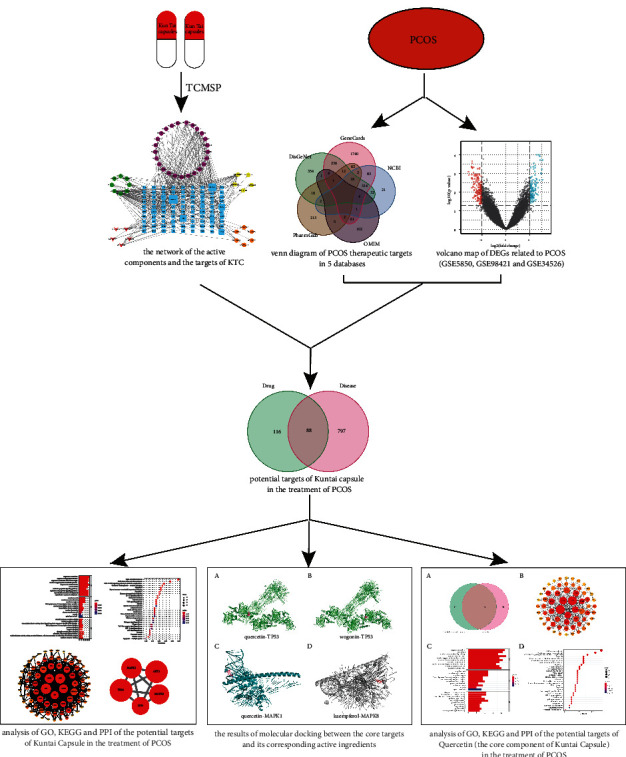
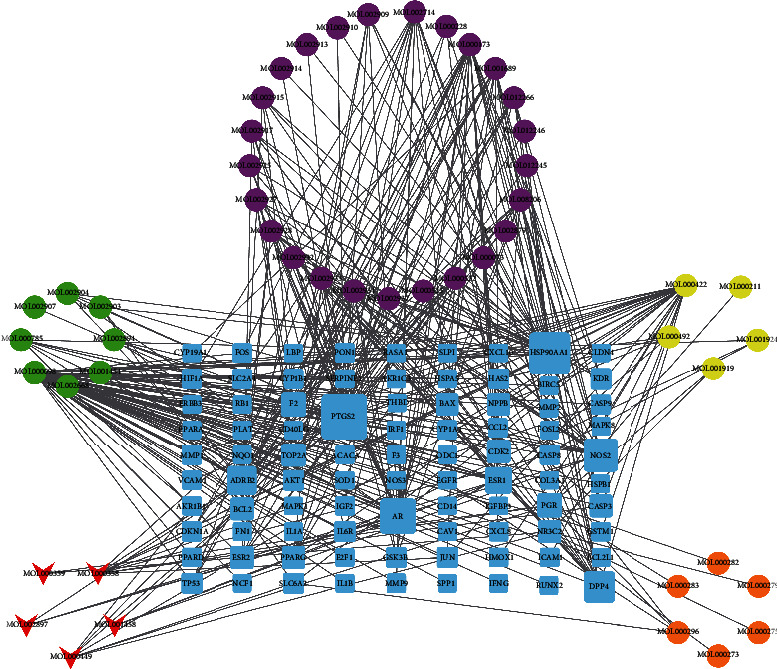
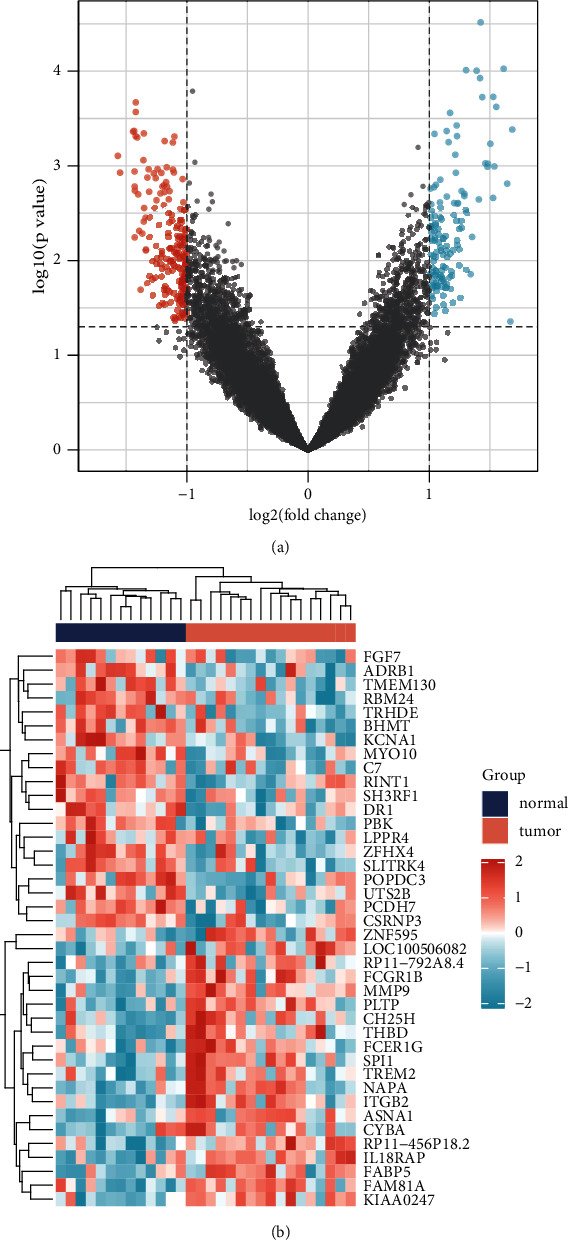
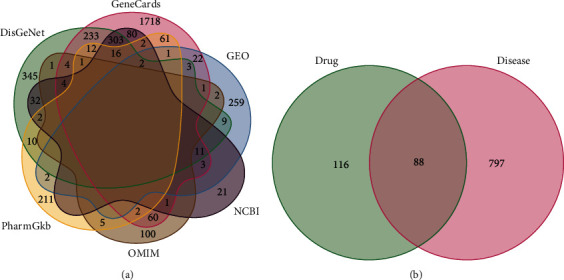
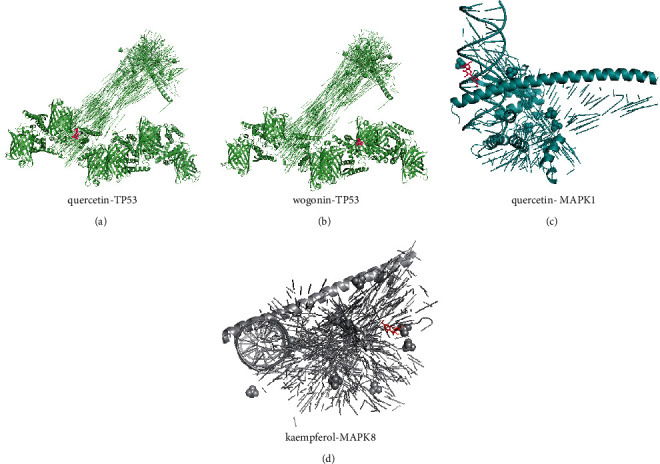
Using the Traditional Chinese Medicine System Pharmacology Database and Analysis Platform (TCMSP), the active ingredients and potential targets of KTC were obtained. The Gene Expression Omnibus (GEO) database was used to find differentially expressed genes (DEGs) related to PCOS. Search the CTD, DisGeNet, genecards, NCBI, OMIM, and PharmGKB databases for therapeutic targets related to PCOS. The intersection of potential targets, DEGs, and therapeutic targets was submitted to perform bioinformatics analysis by R language. Finally, the analyses' core targets and their corresponding active ingredients were molecularly docked.
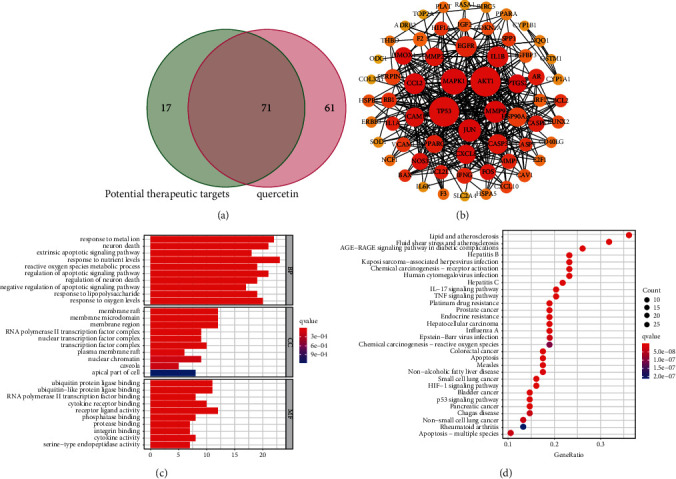
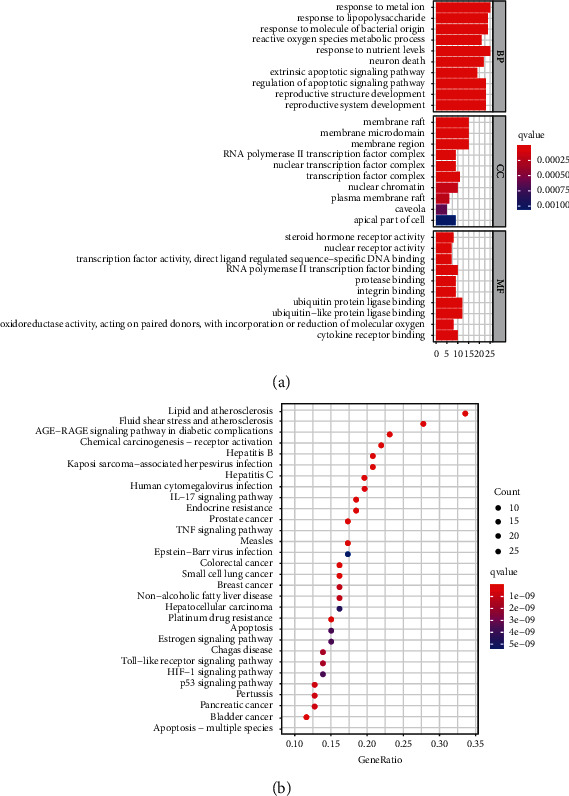
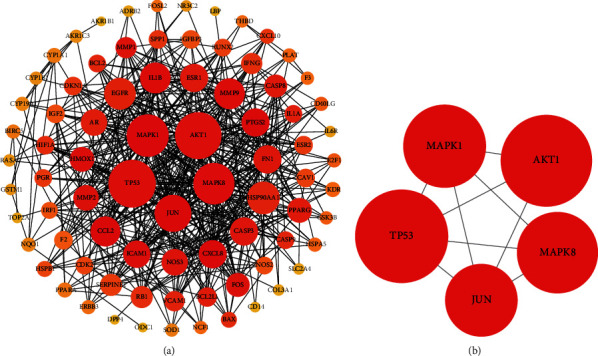
88 potential therapeutic targets of KTC for PCOS were discovered by intersecting the potential targets, DEGs, and therapeutic targets. According to bioinformatics analysis, the mechanisms of KTC treatment for PCOS could be linked to IL-17 signaling route, p53 signaling pathway, HIF-1 signaling pathway, etc. The minimal binding energies of the 5 core targets and their corresponding ingredients were all less than -6.5. Further research found that quercetin may replace KTC in the treatment of PCOS. . We explored the active ingredients and molecular mechanisms of KTC in the treatment of PCOS and found that quercetin may be the core ingredient of KTC in the treatment of PCOS.
本研究阐明了 KTC 治疗 PCOS 的潜在治疗靶点和分子机制。
使用中药系统药理学数据库和分析平台(TCMSP)获取 KTC 的活性成分和潜在靶点。利用基因表达综合数据库(GEO)找到与 PCOS 相关的差异表达基因(DEGs)。在 CTD、DisGeNet、genecards、NCBI、OMIM 和 PharmGKB 数据库中搜索与 PCOS 相关的治疗靶点。将潜在靶点、DEGs 和治疗靶点的交集提交给 R 语言进行生物信息学分析。最后,对分析的核心靶点及其相应的活性成分进行分子对接。
通过潜在靶点、DEGs 和治疗靶点的交集,发现了 KTC 治疗 PCOS 的 88 个潜在治疗靶点。通过生物信息学分析,KTC 治疗 PCOS 的机制可能与 IL-17 信号通路、p53 信号通路、HIF-1 信号通路等有关。5 个核心靶点及其相应成分的最小结合能均小于-6.5。进一步研究发现,槲皮素可能替代 KTC 治疗 PCOS。我们探讨了 KTC 治疗 PCOS 的活性成分和分子机制,发现槲皮素可能是 KTC 治疗 PCOS 的核心成分。