Liu Ying, Lv Wenzhou, Xia Siqing, Zhang Zhiqiang
State Key Laboratory of Pollution Control and Resource Reuse, Key Laboratory of Yangtze River Water Environment, Ministry of Education, College of Environmental Science and Engineering, Tongji University Shanghai 200092 China
Shanghai Institute of Pollution Control and Ecological Security Shanghai 200092 China.
RSC Adv. 2019 Oct 23;9(58):33981-33989. doi: 10.1039/c9ra07576c. eCollection 2019 Oct 18.
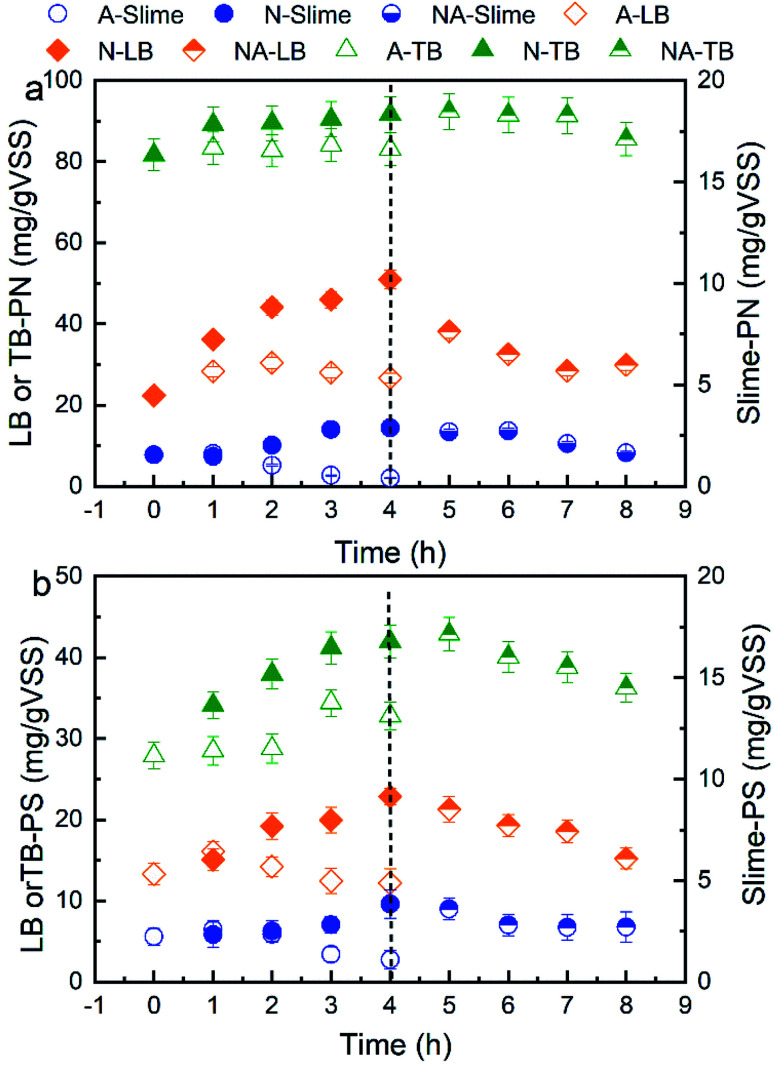
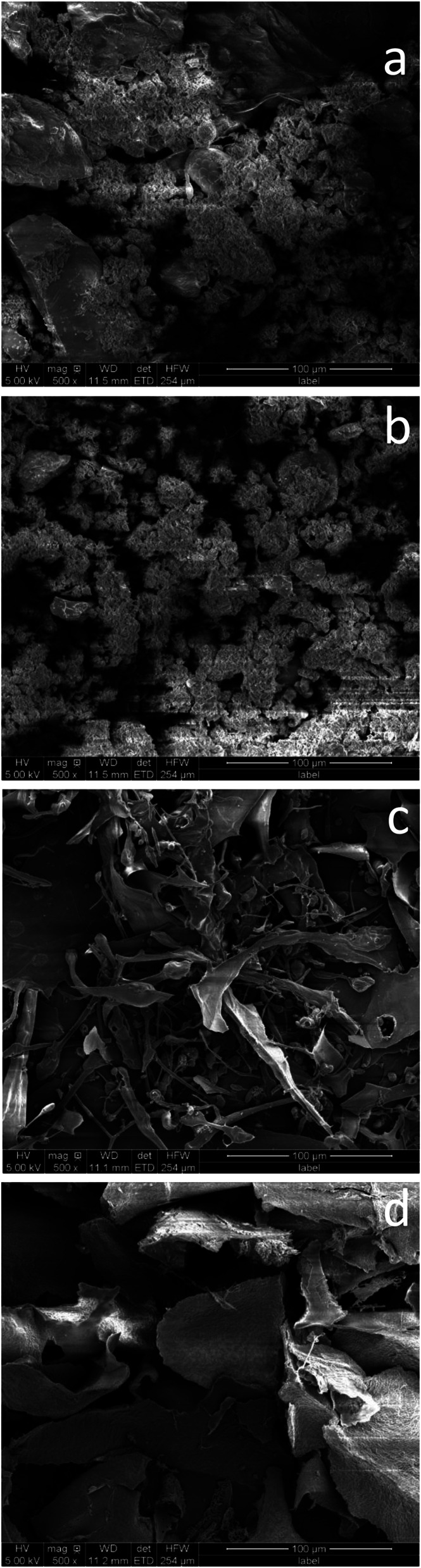
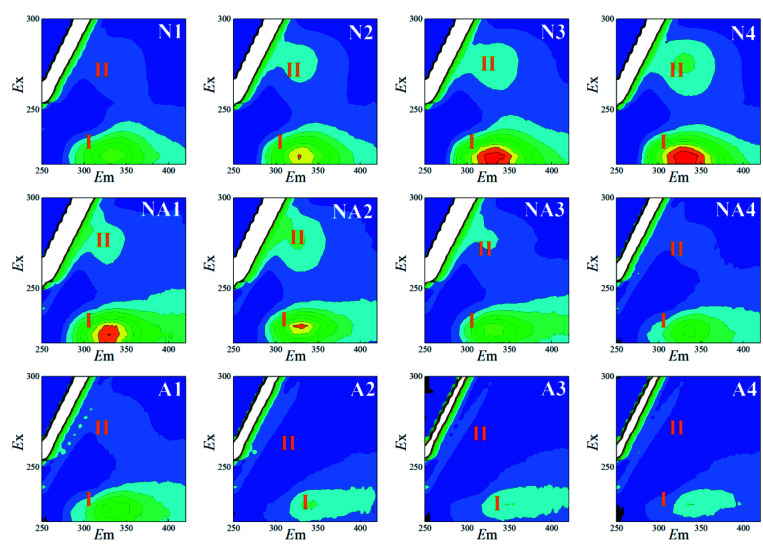
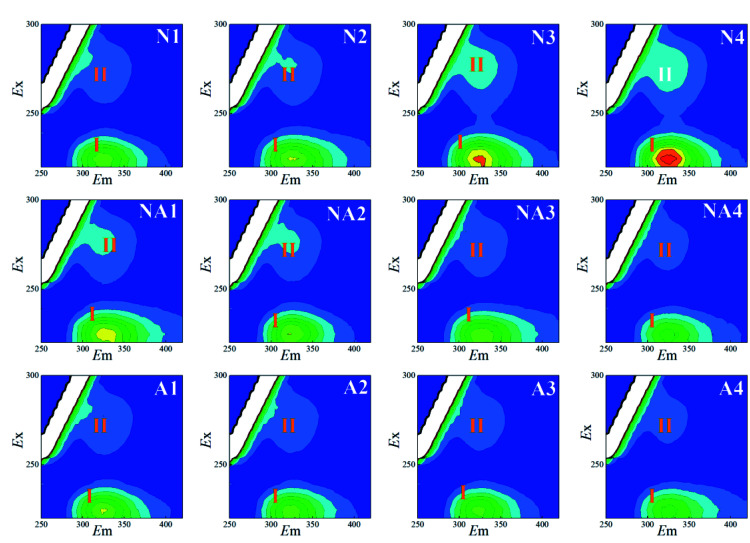
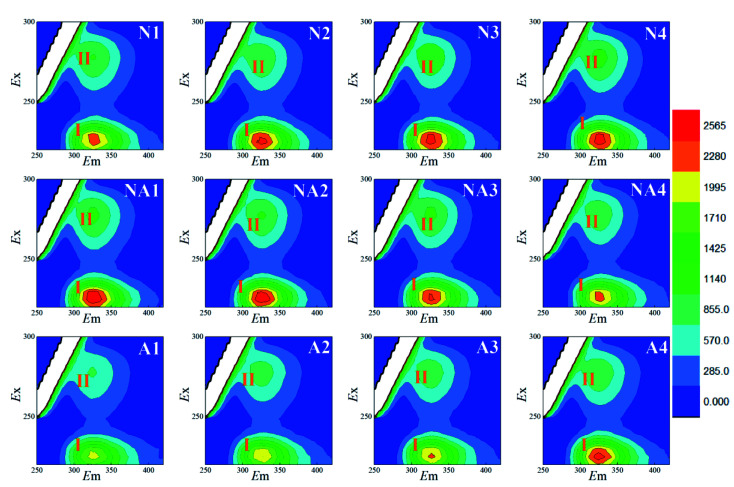
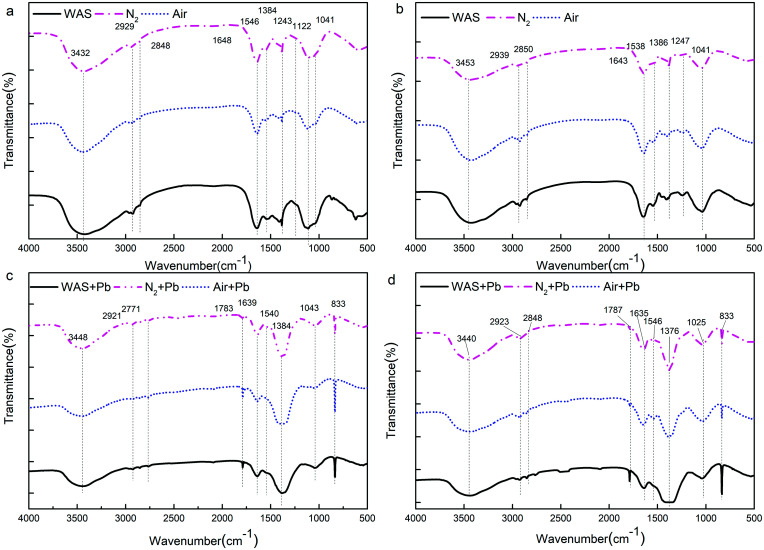
Extracellular polymeric substances (EPS) extracted from waste-activated sludge (WAS) have the potential to remove heavy metal ions from wastewater; both the spatial distribution and metal adsorption of EPS from WAS after nitrogen aeration were systematically investigated in this study. Compared with air aeration, nitrogen aeration significantly improved the contents of proteins (PN) and polysaccharides (PS) in the Slime-EPS (S-EPS) and loosely-bound EPS (LB-EPS), significantly increased the PS content, and slightly increased the PN content in the tightly-bound EPS (TB-EPS). The variations in the fluorescence intensities (FI) of the peaks I and II for the S-EPS, LB-EPS and TB-EPS were basically consistent with the abovementioned variations in the concentrations of these EPS. Notably, nitrogen aeration dramatically improved the content of protein-like substances in the LB-EPS. For the same aeration time, the Pb reclamation rates obtained by the LB-EPS extracted from the nitrogen-aerated WAS were much higher than those achieved by the LB-EPS extracted from the air-aerated WAS. The FTIR analyses further indicated that nitrogen aeration improved the contents of the functional groups, especially -OH, -COOH and -NH, responsible for binding heavy metals, in both the LB-EPS and TB-EPS. The SEM analyses verified that the nitrogen scours contributed to the EPS release, and Pb reclamation was achieved the attachment of Pb onto the edge of the EPS. The influences of the nitrogen aeration on the spatial distribution and metal adsorption of the EPS in WAS were revealed for the first time in this study. Thus, this study lays the foundation for the application of nitrogen aeration in the resource utilization of WAS.
从废弃活性污泥(WAS)中提取的胞外聚合物(EPS)具有从废水中去除重金属离子的潜力;本研究系统地研究了氮气曝气后WAS中EPS的空间分布和金属吸附情况。与空气曝气相比,氮气曝气显著提高了黏液状EPS(S-EPS)和松散结合EPS(LB-EPS)中蛋白质(PN)和多糖(PS)的含量,显著增加了PS含量,并略微增加了紧密结合EPS(TB-EPS)中的PN含量。S-EPS、LB-EPS和TB-EPS的峰I和峰II的荧光强度(FI)变化与上述这些EPS浓度的变化基本一致。值得注意的是,氮气曝气显著提高了LB-EPS中类蛋白质物质的含量。在相同曝气时间下,从氮气曝气的WAS中提取的LB-EPS获得的铅回收效率远高于从空气曝气的WAS中提取的LB-EPS。傅里叶变换红外光谱(FTIR)分析进一步表明,氮气曝气提高了LB-EPS和TB-EPS中负责结合重金属的官能团含量,特别是-OH、-COOH和-NH。扫描电子显微镜(SEM)分析证实,氮气冲刷有助于EPS的释放,并且通过铅附着在EPS边缘实现了铅的回收。本研究首次揭示了氮气曝气对WAS中EPS的空间分布和金属吸附的影响。因此,本研究为氮气曝气在WAS资源利用中的应用奠定了基础。