Xu Min, Li Liu, Liu Hua, Lu Wei, Ling Xiaoyang, Gong Mingjie
Department of Neurosurgery, Kunshan Hospital of Traditional Chinese Medicine, Kunshan Affiliated Hospital of Nanjing University of Chinese Medicine, Kunshan, China.
Collaborative Innovation Center of Jiangsu Province of Cancer Prevention and Treatment of Chinese Medicine, Nanjing University of Chinese Medicine, Nanjing, China.
Front Pharmacol. 2022 Apr 12;13:807125. doi: 10.3389/fphar.2022.807125. eCollection 2022.
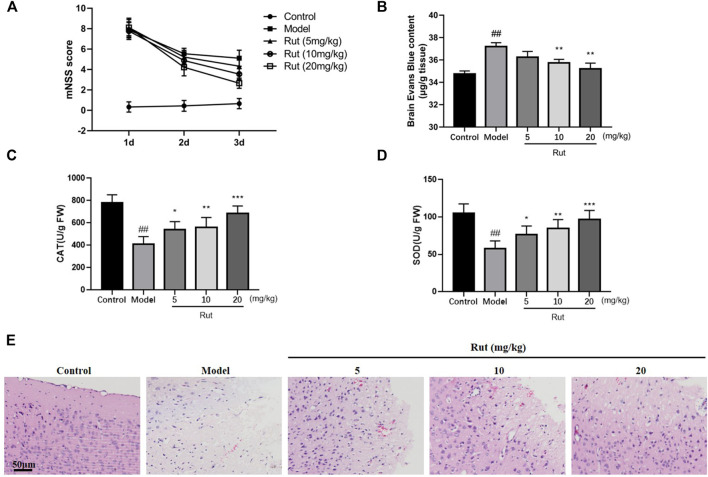
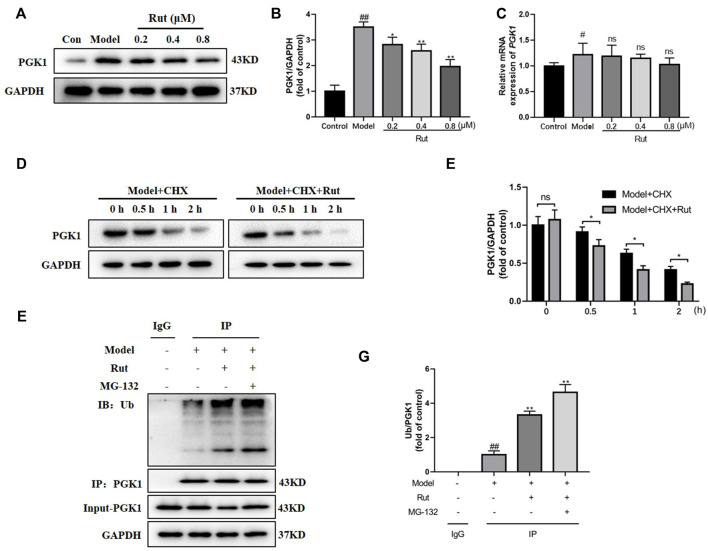
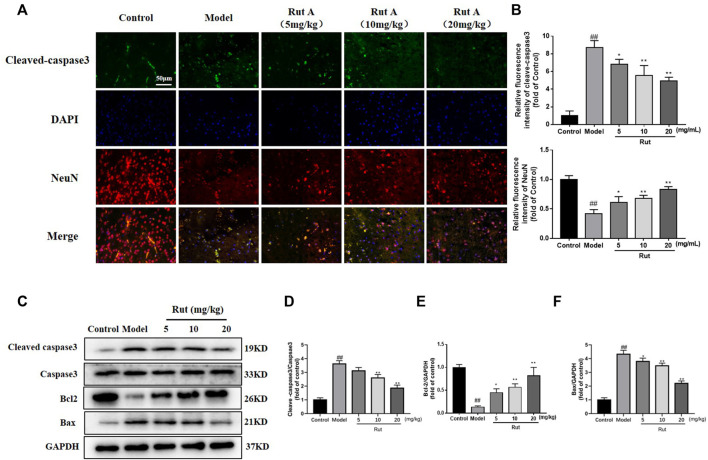
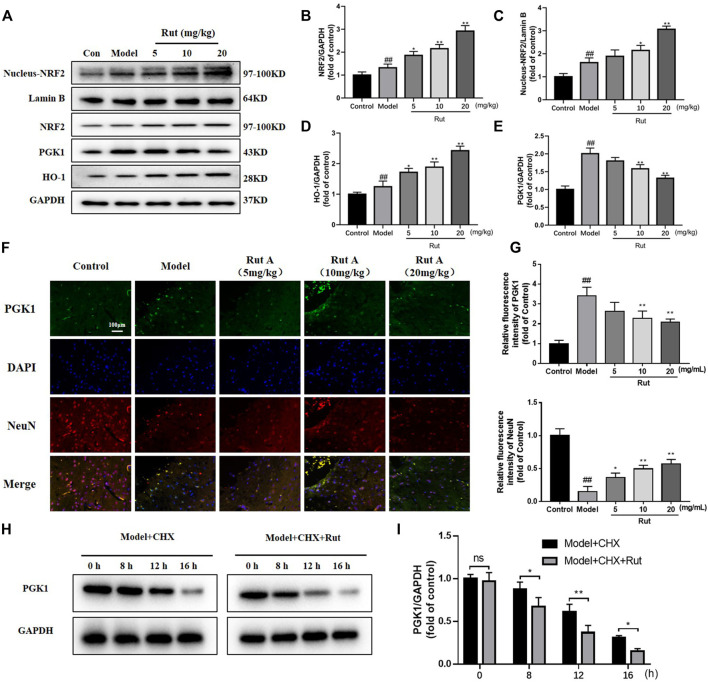
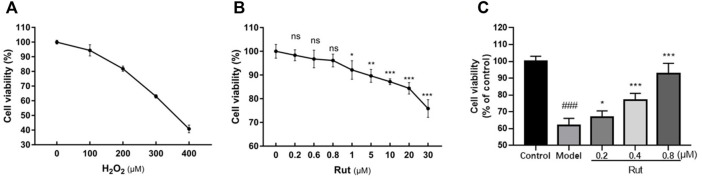
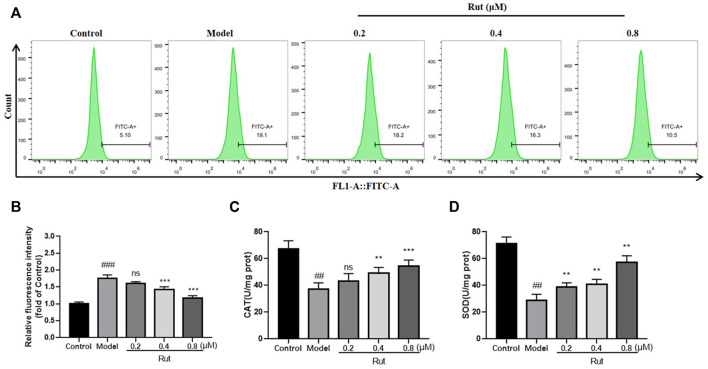
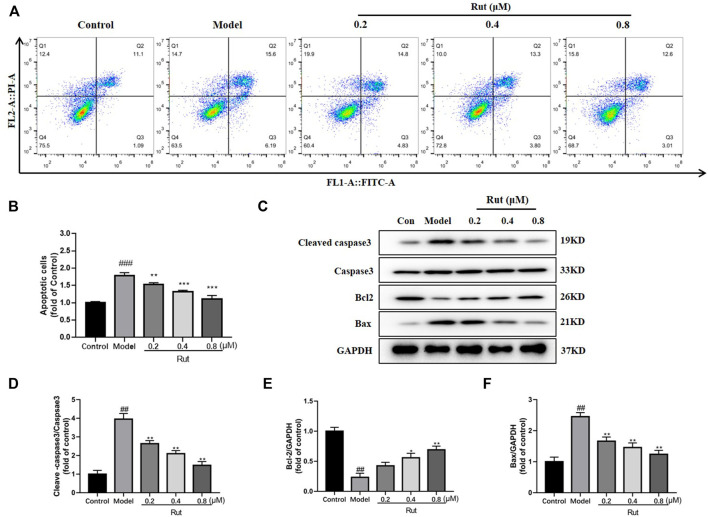
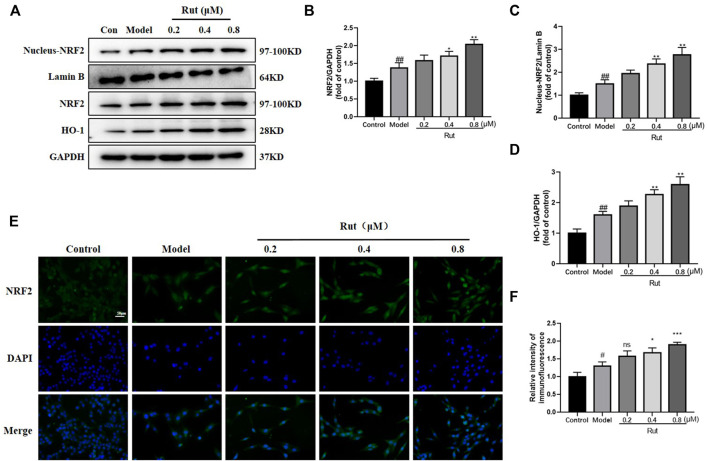
The oxidative stress response caused by traumatic brain injury (TBI) leads to secondary damage in the form of tissue damage and cell death. Nuclear transcription-related factor 2 (NRF2) is a key factor in the body against oxidative stress and has an important role in combating oxidative damage in TBI neurons. In the present study, we investigated whether rutaecarpine could activate the PGK1/KEAP1/NRF2 pathway to antagonize oxidative damage in TBI neurons. We performed controlled cortical impact (CCI) surgery on mice and taken HO treatment on PC12 cells to construct TBI models. The results of western blot showed that the expression of PGK1, KEAP and NRF2 was regulated and accompanied by altered levels of oxidative stress, and the use of rutaecarpine in the TBI model mice significantly improved cognitive dysfunction, increased antioxidant capacity and reduced apoptosis in brain tissue. Similar antioxidant damage results were obtained using rutaecarpine in a PC12 cell model. Furthermore, through the use of the protein synthesis inhibitor CHX and the proteasome synthesis inhibitor MG-132, rutaecarpine was found to promote the expreesions of PGK1 and NRF2 by accelerating PGK1 ubiquitination to reduce PGK1 expression. Therefore, rutaecarpine may be a promising therapeutic agent for the treatment of TBI-related neuro-oxidative damage.
创伤性脑损伤(TBI)引起的氧化应激反应会导致组织损伤和细胞死亡形式的继发性损伤。核转录相关因子2(NRF2)是机体对抗氧化应激的关键因子,在对抗TBI神经元氧化损伤中起重要作用。在本研究中,我们研究了吴茱萸次碱是否能激活PGK1/KEAP1/NRF2通路以拮抗TBI神经元的氧化损伤。我们对小鼠进行了控制性皮质撞击(CCI)手术,并对PC12细胞进行了HO处理以构建TBI模型。蛋白质印迹结果显示,PGK1、KEAP和NRF2的表达受到调节,并伴有氧化应激水平的改变,在TBI模型小鼠中使用吴茱萸次碱可显著改善认知功能障碍,提高抗氧化能力并减少脑组织中的细胞凋亡。在PC12细胞模型中使用吴茱萸次碱也获得了类似的抗氧化损伤结果。此外,通过使用蛋白质合成抑制剂CHX和蛋白酶体合成抑制剂MG-132,发现吴茱萸次碱通过加速PGK1泛素化以降低PGK1表达来促进PGK1和NRF2的表达。因此,吴茱萸次碱可能是治疗TBI相关神经氧化损伤的一种有前景的治疗药物。