Department of Biochemistry and Molecular Biology, College of Medicine, University of Nebraska Medical Center, Omaha, Nebraska.
Eppley Institute for Research in Cancer and Allied Diseases, Fred & Pamela Buffett Cancer Center, University of Nebraska Medical Center, Omaha, Nebraska.
Mol Cancer Res. 2022 Aug 5;20(8):1208-1221. doi: 10.1158/1541-7786.MCR-21-0888.
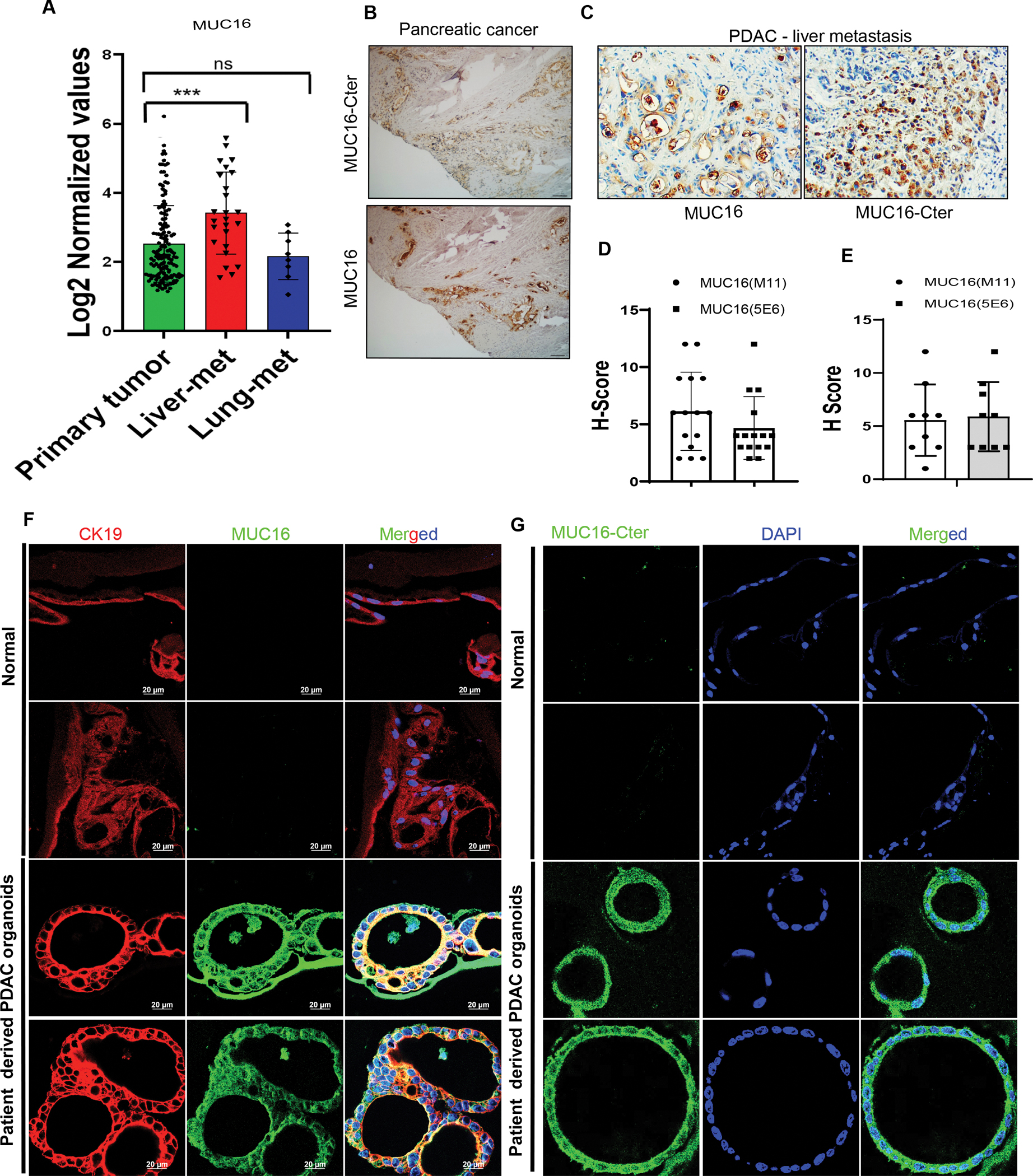
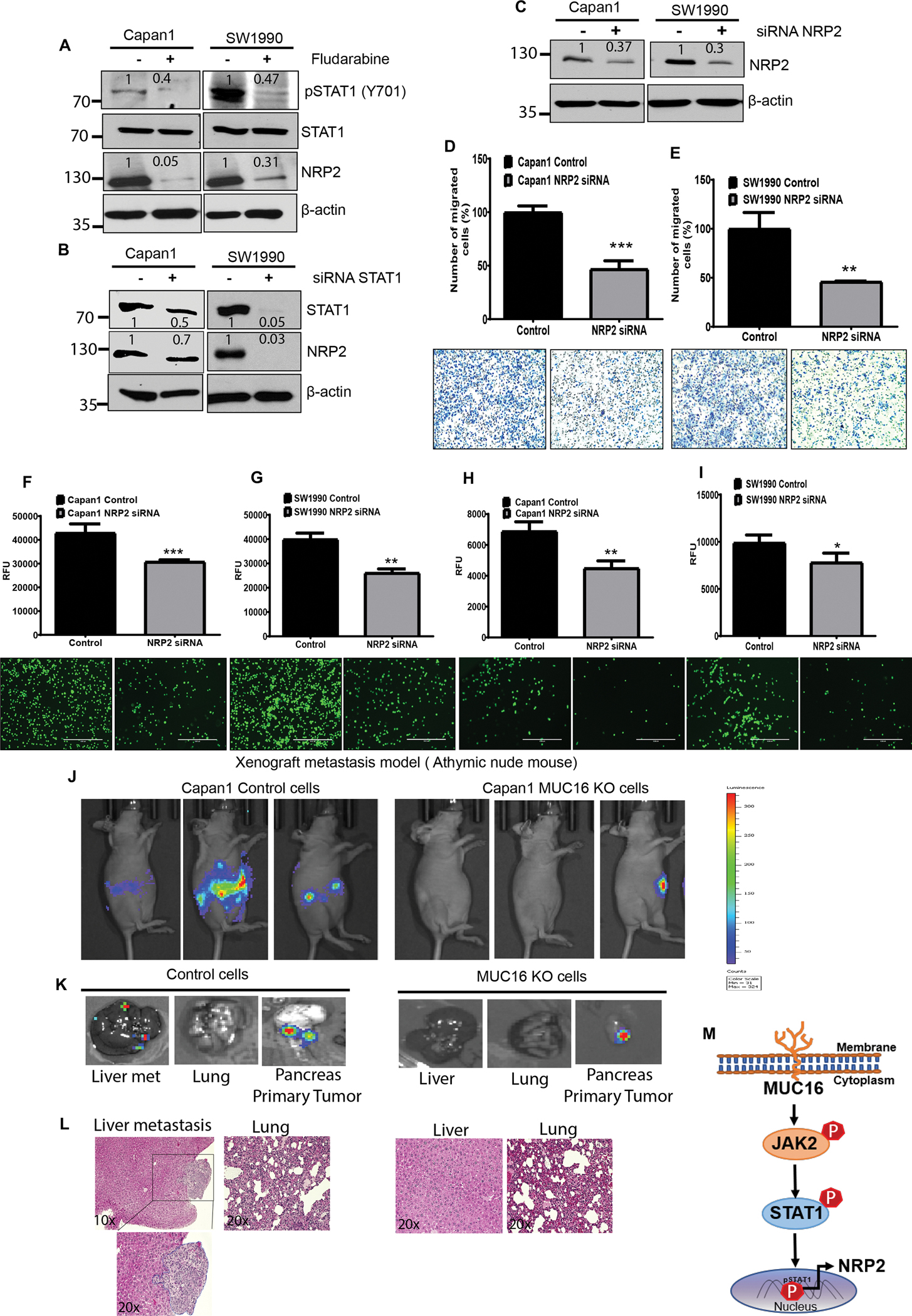
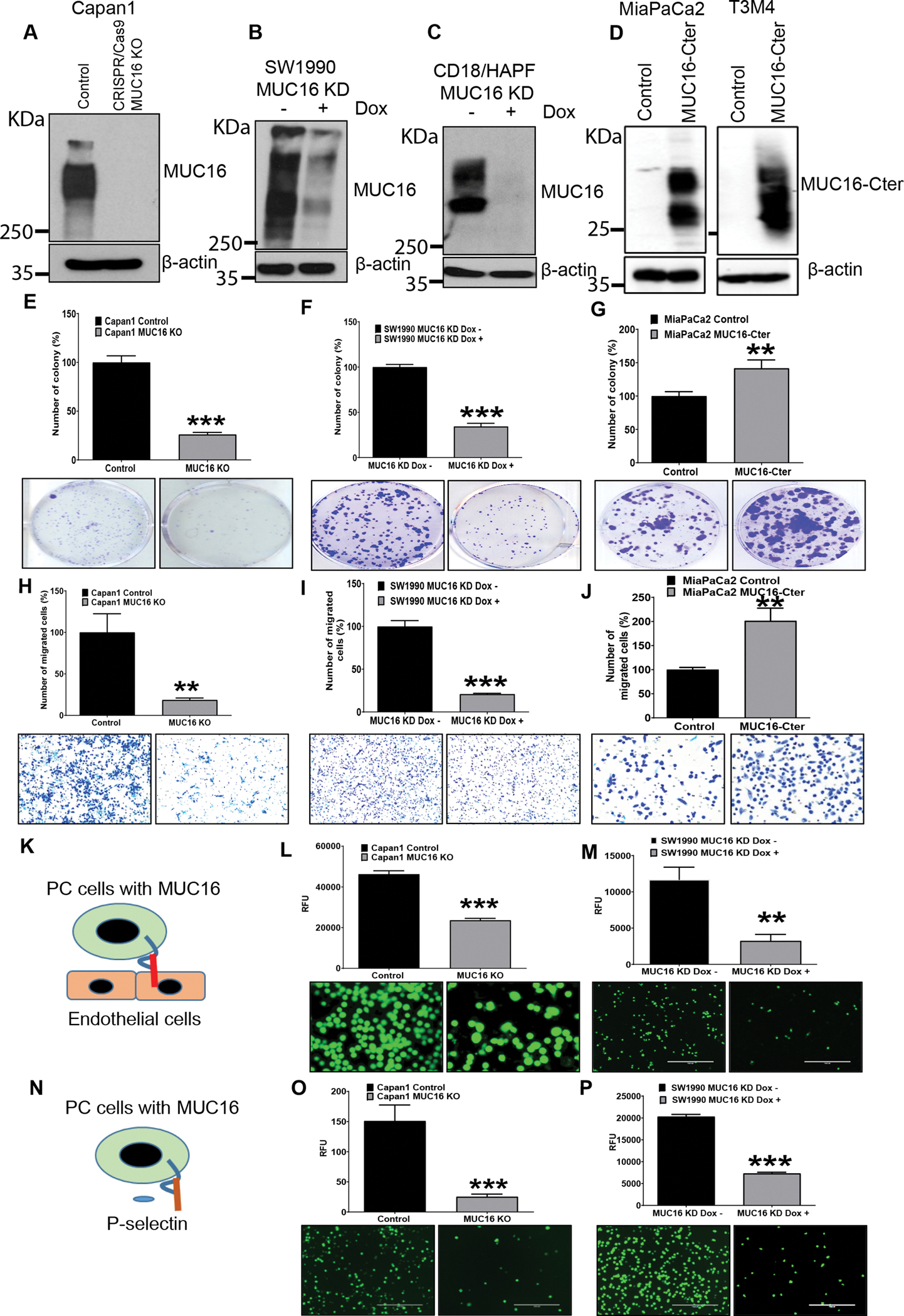
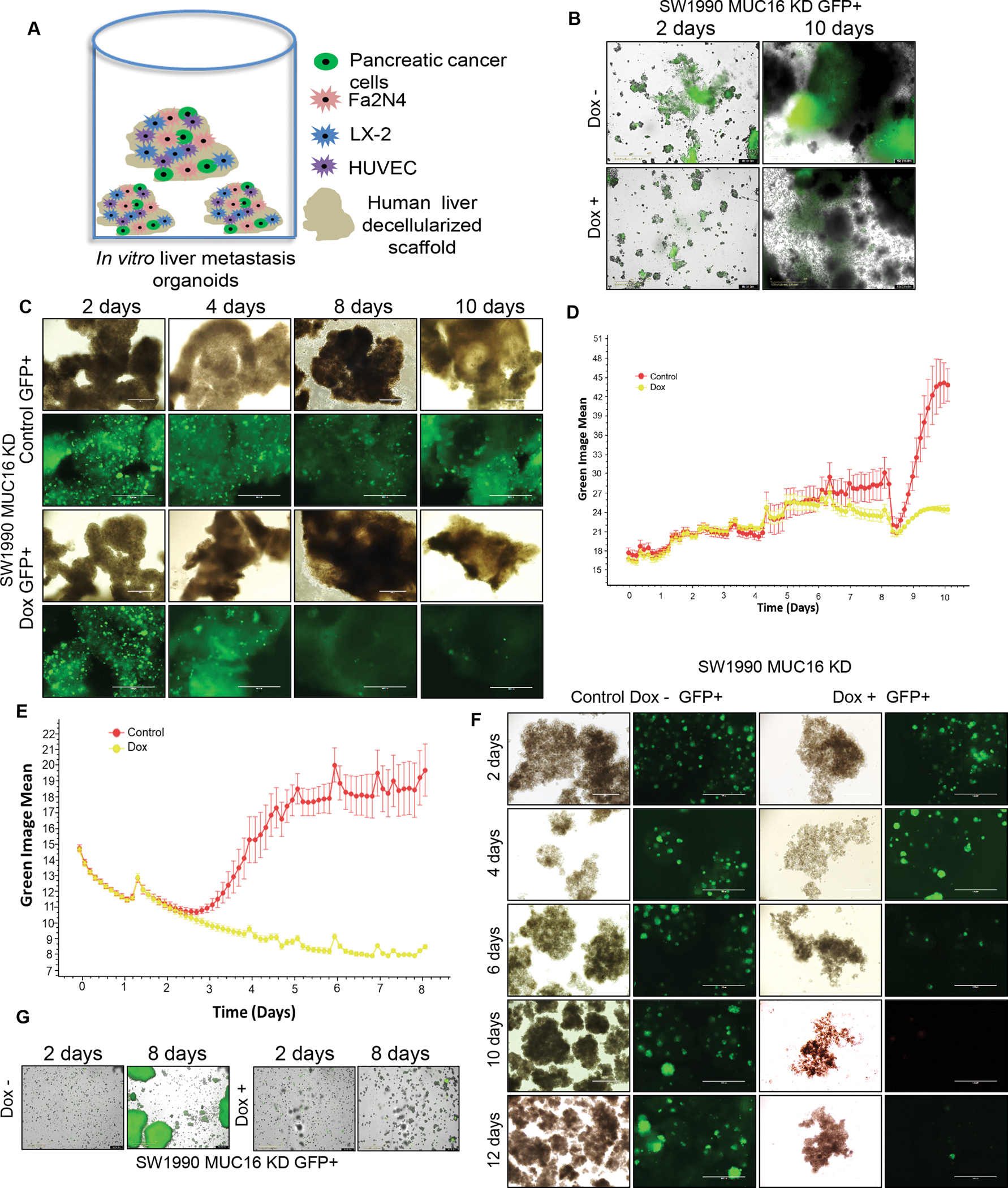
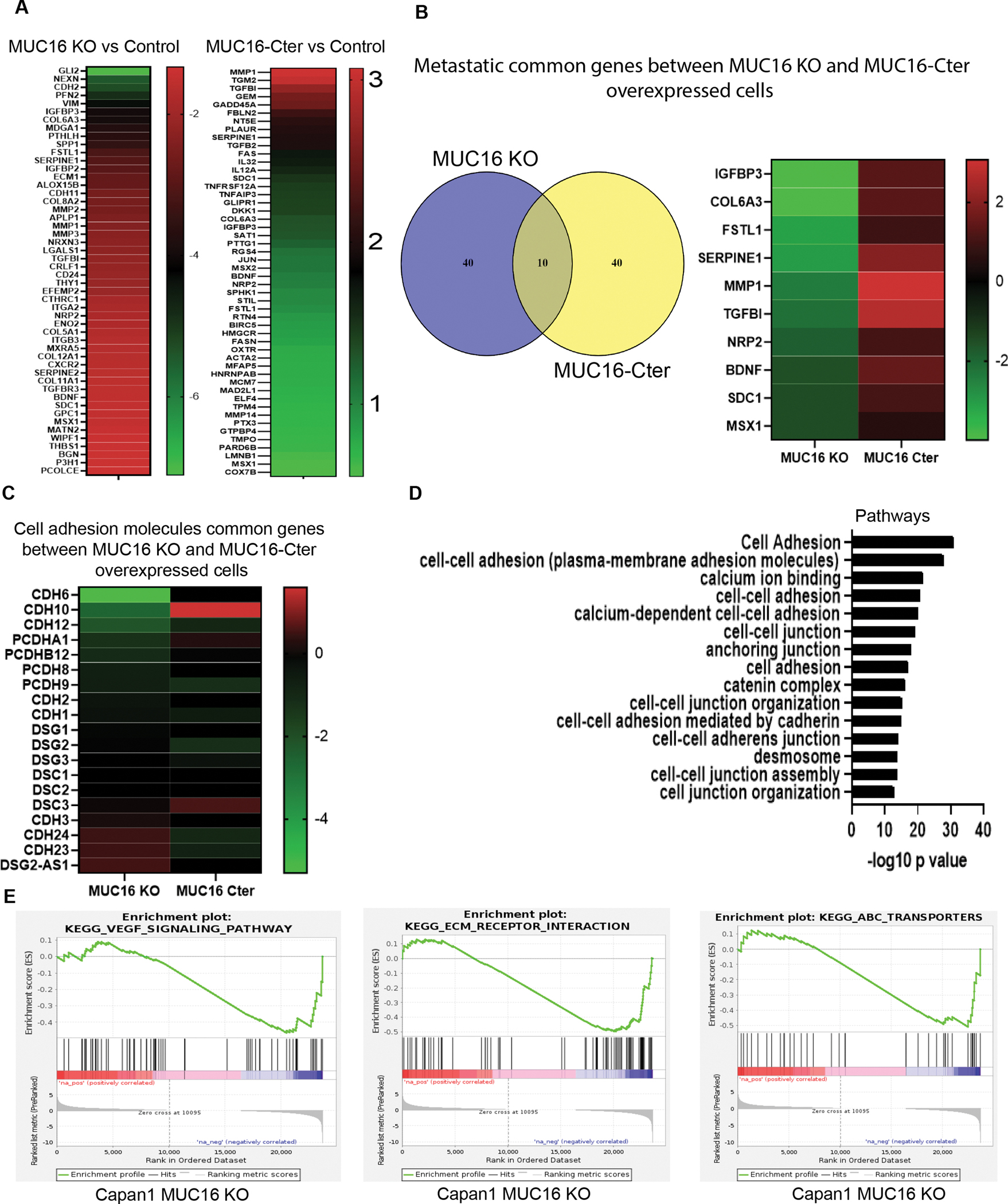
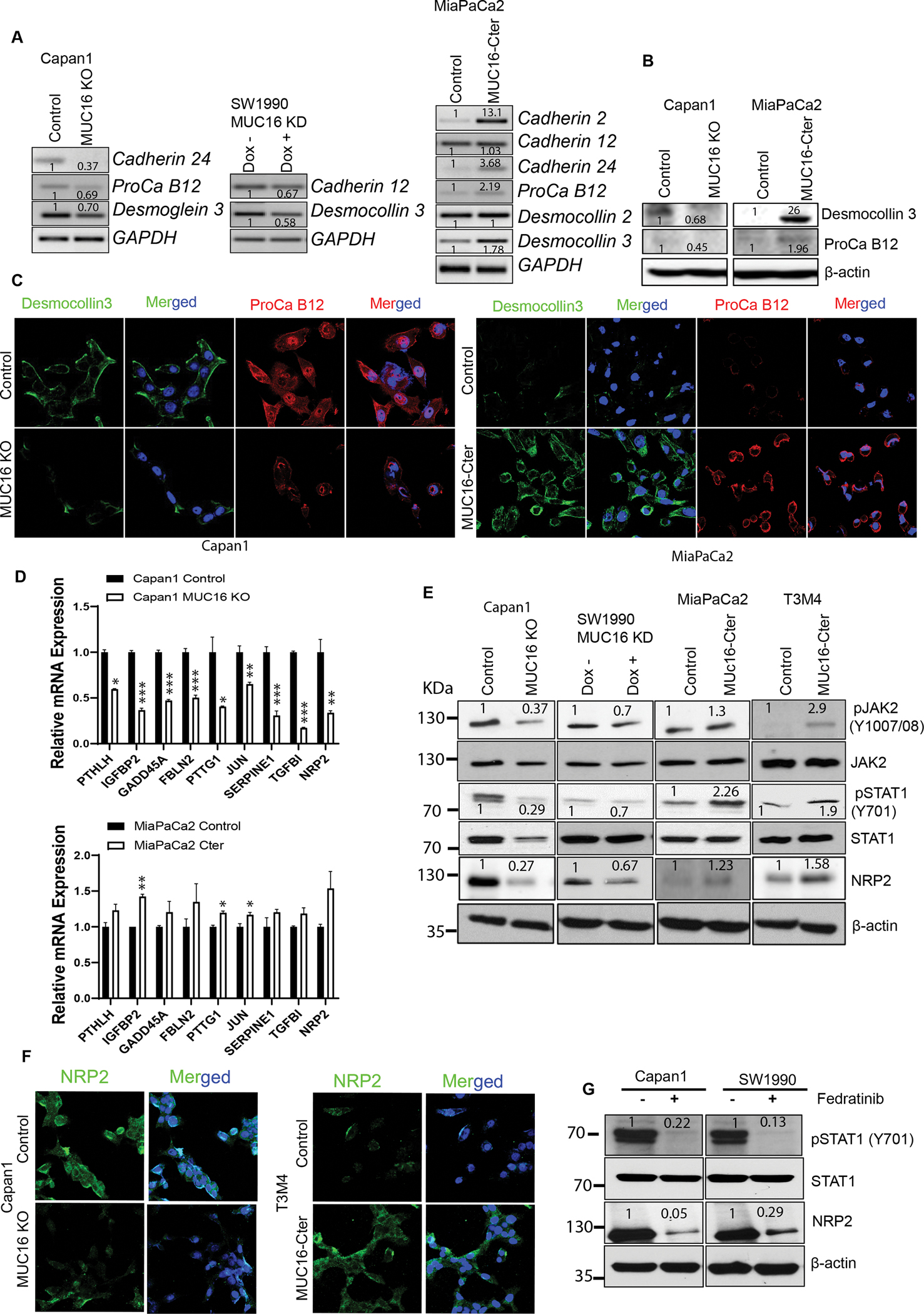
Pancreatic ductal adenocarcinoma (PDAC) is one of the most lethal types of cancer, as it commonly metastasizes to the liver resulting in an overall poor prognosis. However, the molecular mechanism involved in liver metastasis remains poorly understood. Here, we aimed to identify the MUC16-mediated molecular mechanism of PDAC-liver metastasis. Previous studies demonstrated that MUC16 and its C-terminal (Cter) domain are involved in the aggressiveness of PDAC. In this study, we observed MUC16 and its Cter expression significantly high in human PDAC tissues, PDAC organoids, and metastatic liver tissues, while no expression was observed in normal pancreatic tissues using IHC and immunofluorescence (IFC) analyses. MUC16 knockdown in SW1990 and CD18/HPAF PDAC cells significantly decreased the colony formation, migration, and endothelial/p-selectin binding. In contrast, MUC16-Cter ectopic overexpression showed significantly increased colony formation and motility in MiaPaCa2 pancreatic cancer cells. Interestingly, MUC16 promoted cell survival and colonization in the liver, mimicking an ex vivo environment. Furthermore, MUC16 enhanced liver metastasis in the in vivo mouse model. Our integrated analyses of RNA-sequencing suggested that MUC16 alters Neuropilin-2 (NRP2) and cell adhesion molecules in pancreatic cancer cells. Furthermore, we identified that MUC16 regulated NRP2 via JAK2/STAT1 signaling in PDAC. NRP2 knockdown in MUC16-overexpressed PDAC cells showed significantly decreased cell adhesion and migration. Overall, the findings indicate that MUC16 regulates NRP2 and induces metastasis in PDAC.
This study shows that MUC16 plays a critical role in PDAC liver metastasis by mediating NRP2 regulation by JAK2/STAT1 axis, thereby paving the way for future therapy efforts for metastatic PDAC.
胰腺导管腺癌(PDAC)是最致命的癌症类型之一,因为它通常转移到肝脏,导致整体预后不良。然而,肝转移涉及的分子机制仍知之甚少。在这里,我们旨在确定 MUC16 介导的 PDAC-肝转移的分子机制。先前的研究表明,MUC16 及其 C 端(Cter)结构域参与了 PDAC 的侵袭性。在这项研究中,我们通过免疫组化(IHC)和免疫荧光(IFC)分析观察到,MUC16 和其 Cter 在人 PDAC 组织、PDAC 类器官和转移性肝组织中表达显著升高,而在正常胰腺组织中则无表达。SW1990 和 CD18/HPAF PDAC 细胞中 MUC16 的敲低显著降低了集落形成、迁移和内皮/选择素结合。相比之下,MUC16-Cter 异位过表达在 MiaPaCa2 胰腺癌细胞中显示出明显增加的集落形成和运动性。有趣的是,MUC16 促进了细胞在肝脏中的存活和定植,模拟了体外环境。此外,MUC16 增强了体内小鼠模型中的肝转移。我们对 RNA 测序的综合分析表明,MUC16 改变了胰腺癌细胞中的 Neuropilin-2(NRP2)和细胞黏附分子。此外,我们发现 MUC16 通过 PDAC 中的 JAK2/STAT1 信号通路调节 NRP2。在 MUC16 过表达的 PDAC 细胞中敲低 NRP2 显示出明显减少的细胞黏附和迁移。总的来说,这些发现表明 MUC16 通过 JAK2/STAT1 轴调节 NRP2,从而在 PDAC 中诱导转移。
本研究表明,MUC16 通过 JAK2/STAT1 轴介导 NRP2 调节,在 PDAC 肝转移中发挥关键作用,为转移性 PDAC 的未来治疗努力铺平了道路。