Codou Amandine, Anstey Andrew, Misra Manjusri, Mohanty Amar K
Bioproducts Discovery and Development Centre, Department of Plant Agriculture, University of Guelph Crop Science Building, 50 Stone Road East Guelph ON N1G 2W1 Canada
School of Engineering, University of Guelph Thornbrough Building, 50 Stone Road East Guelph ON N1G 2W1 Canada.
RSC Adv. 2018 Apr 26;8(28):15709-15724. doi: 10.1039/c8ra01707g. eCollection 2018 Apr 23.
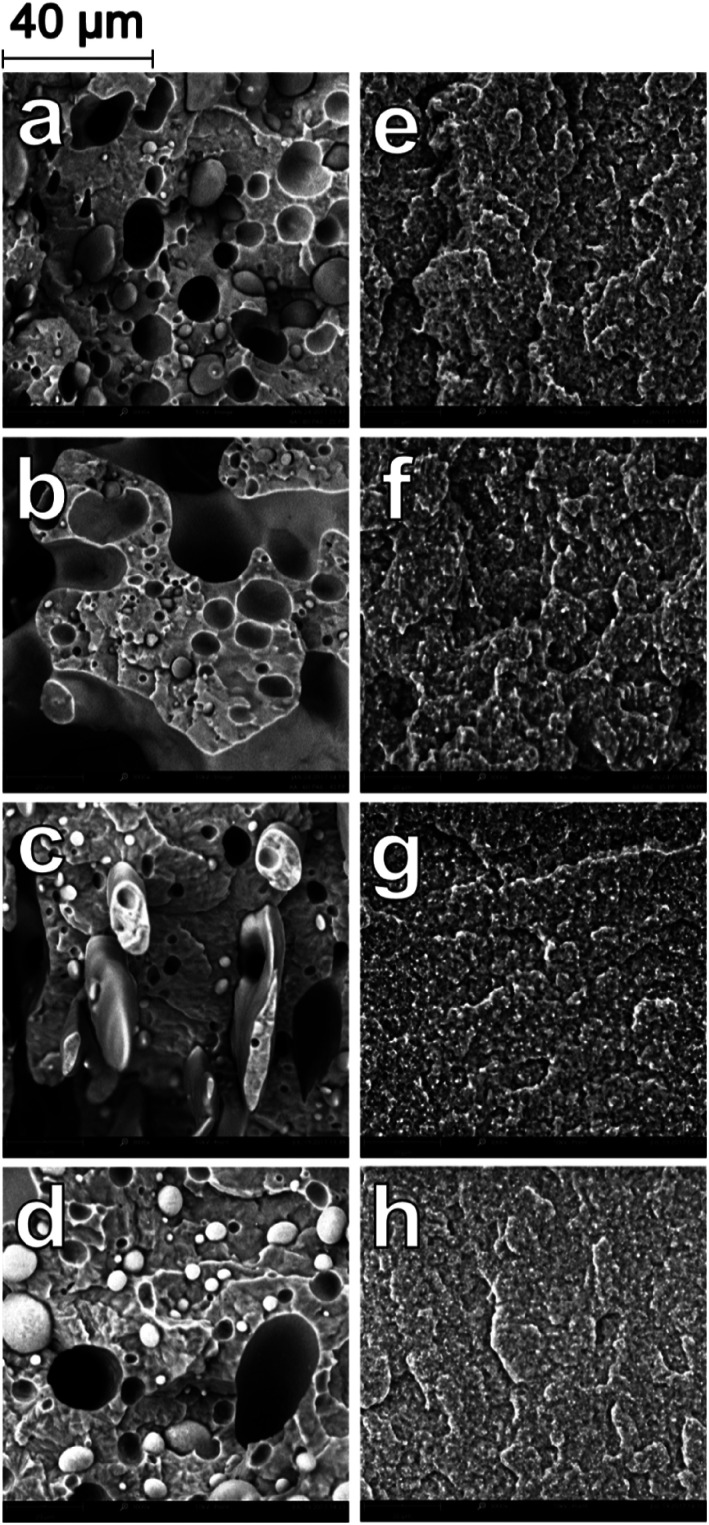
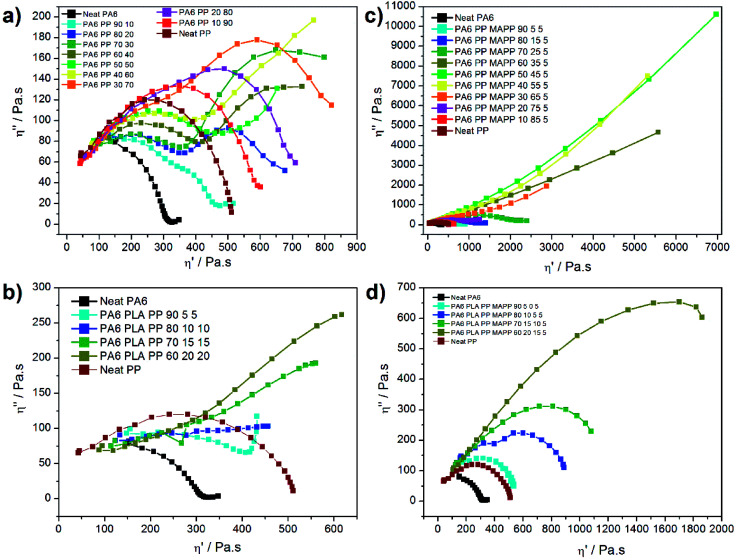
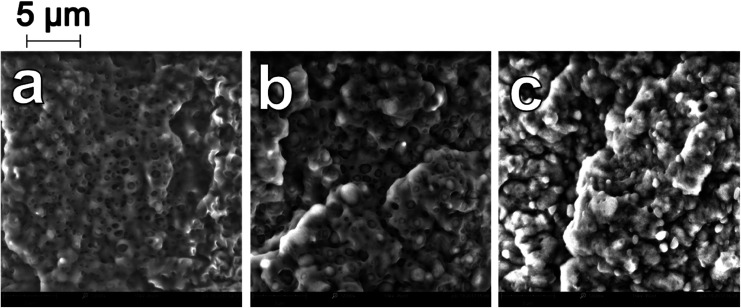
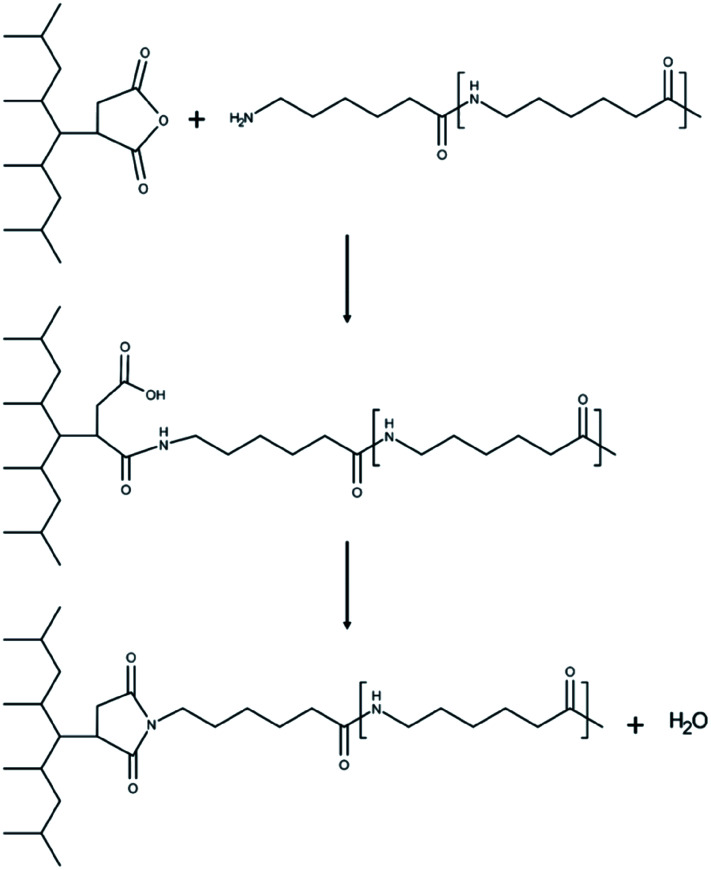
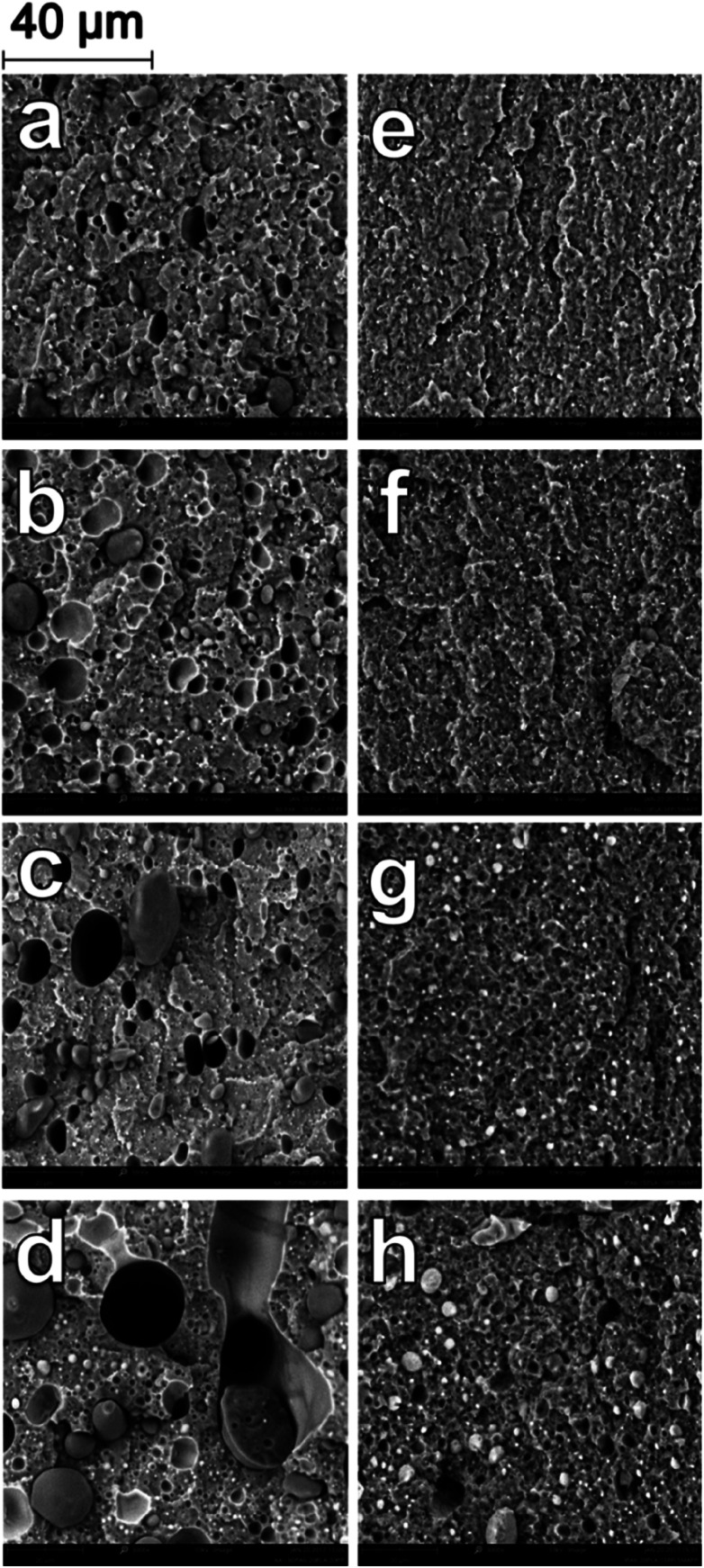
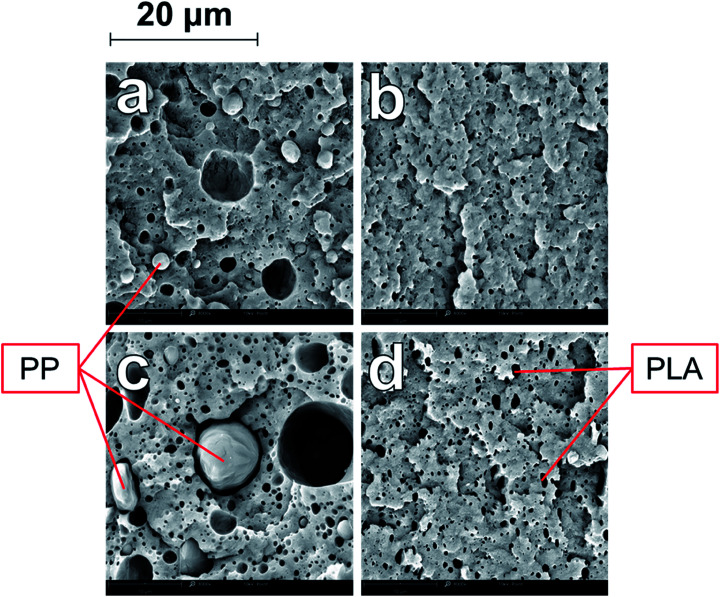
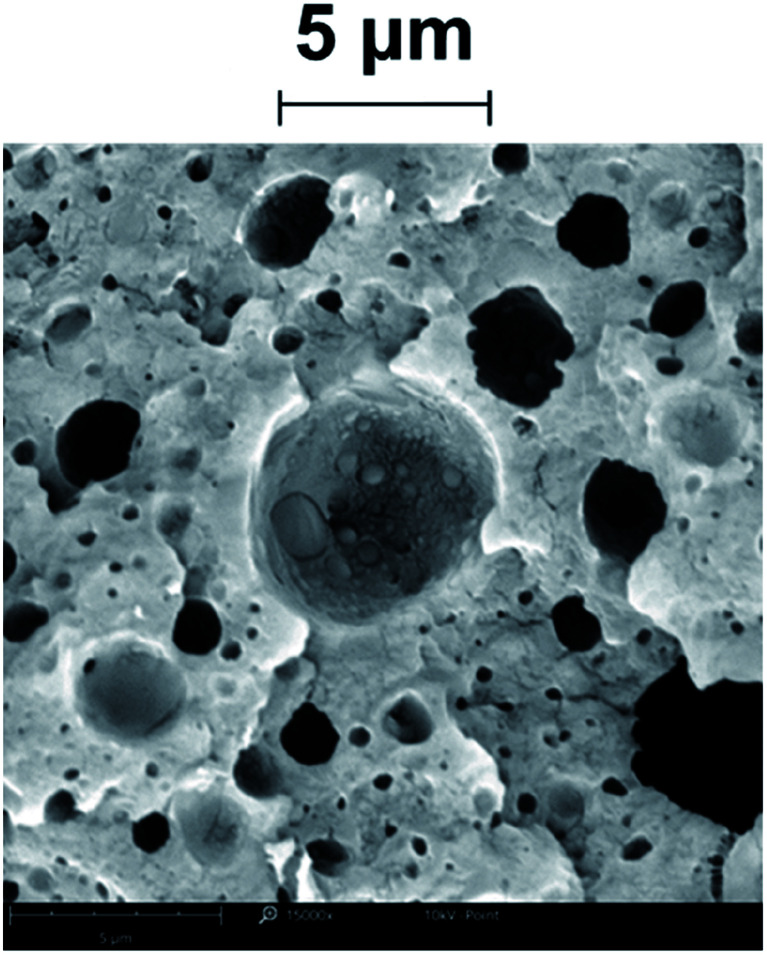
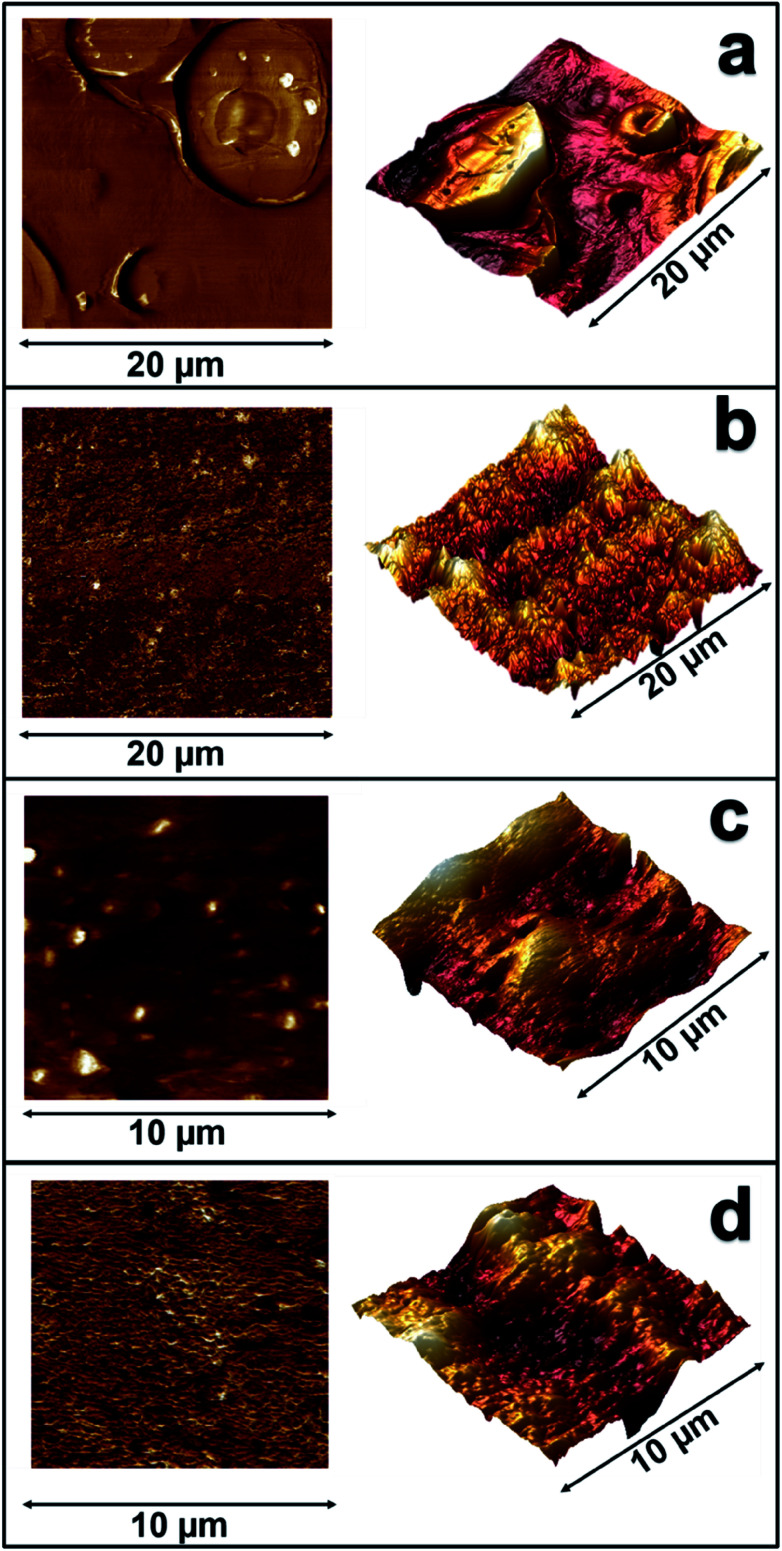
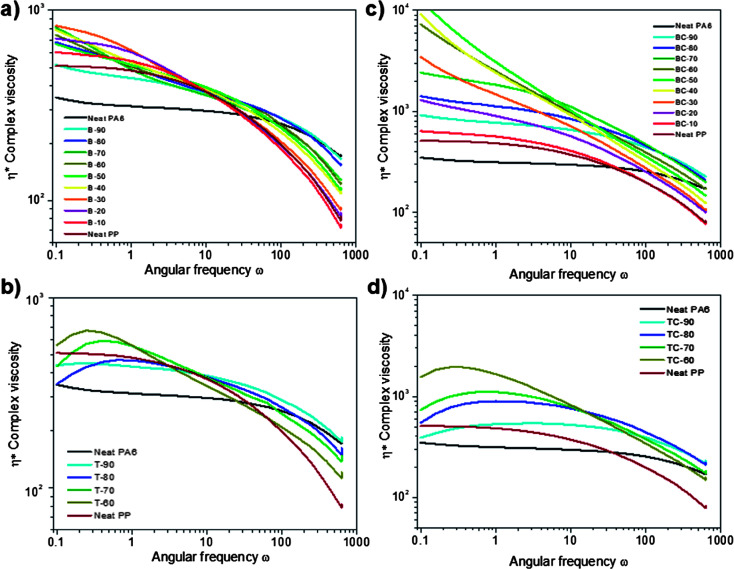
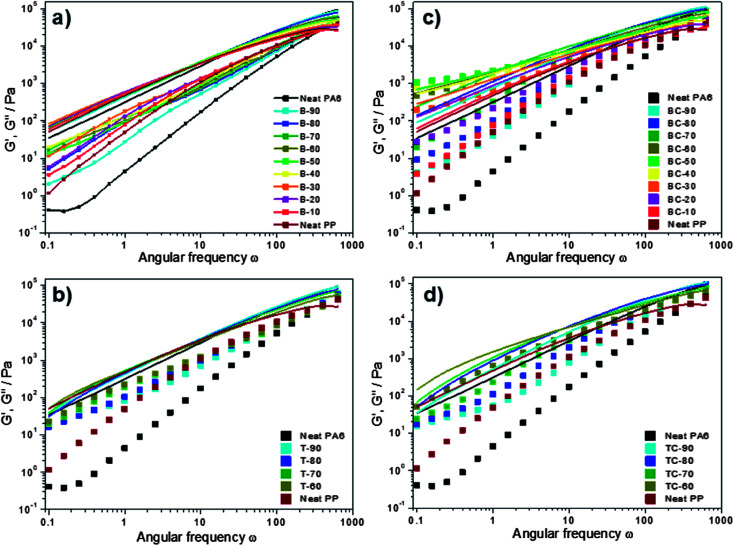
In this paper, the interaction between nylon 6 (PA6), polypropylene (PP) and poly(lactic acid) (PLA) is reported. To improve the compatibility between these immiscible polymers, a reactive compatibilization approach was used through extrusion with maleic anhydride grafted polypropylene (PP--MA). To further improve the compatibility of the phases, PLA was selected as a semi-polar polymer and a low molecular weight was used to assure a good droplet dispersion. All the blends were twin-screw extruded in the melt at different compositions. The morphologies of binary and ternary blends were investigated using microscopic techniques by means of scanning electron microscopy (SEM) and atomic force microscopy (AFM). The PP--MA grafting process was observed to have a dramatic effect on the compatibility of both the binary and ternary blends and while a drastic reduction of the PP dispersed phases particle size was observed, the affinity between PLA and PP was also highlighted. The surface tension of the homopolymers and the interfacial tension of the pairs of polymers were measured to characterize the interaction at their interfaces. The interaction of PA6/PLA appeared preferable to PLA/PP, explaining the thinner dispersion obtained for PLA phase. The morphologies observed were compared to the predictions of spreading coefficient and minimum free energy models. While both models predicted the encapsulation of PP by the PLA phase, disagreeing with the morphological results, the rheological measurement gave an explanation for this phase separation. Using rheology measurements, the interaction between the phases was further investigated and the viscosity ratios were measured for the different pairs of polymers, stressing the high interaction between PA6 and PLA with and without compatibilizer. The droplet size of the dispersed phases appeared to substantially influence the chain relaxations in the melt.
本文报道了尼龙6(PA6)、聚丙烯(PP)和聚乳酸(PLA)之间的相互作用。为了提高这些不相容聚合物之间的相容性,采用了一种反应性增容方法,即通过与马来酸酐接枝聚丙烯(PP-MA)共挤出。为了进一步提高各相的相容性,选择了PLA作为半极性聚合物,并使用低分子量的PLA以确保良好的液滴分散。所有共混物均在不同组成下于熔体中通过双螺杆挤出。采用扫描电子显微镜(SEM)和原子力显微镜(AFM)等微观技术研究了二元和三元共混物的形态。观察到PP-MA接枝过程对二元和三元共混物的相容性都有显著影响,虽然观察到PP分散相颗粒尺寸大幅减小,但PLA与PP之间的亲和力也得到了凸显。测量了均聚物的表面张力和聚合物对的界面张力,以表征它们界面处的相互作用。PA6/PLA之间的相互作用似乎比PLA/PP更有利,这解释了PLA相获得的更细分散。将观察到的形态与铺展系数和最小自由能模型的预测结果进行了比较。虽然两个模型都预测PLA相将包裹PP,这与形态学结果不一致,但流变学测量对此相分离给出了解释。通过流变学测量,进一步研究了各相之间的相互作用,并测量了不同聚合物对的粘度比,强调了有和没有增容剂时PA6与PLA之间的强相互作用。分散相的液滴尺寸似乎对熔体中的链松弛有显著影响。