Ma Hongfang, Xu Zhaogui, Wang Wenyu, Gao Xiang, Ma Huifang
State Key Laboratory of Biobased Material and Green Papermaking, Qilu University of Technology, Shandong Academy of Sciences Jinan 250353 China
School of Environmental Science and Engineering, Qilu University of Technology (Shandong Academy of Sciences) Jinan 250353 China.
RSC Adv. 2019 Nov 29;9(67):39282-39293. doi: 10.1039/c9ra07943b. eCollection 2019 Nov 27.
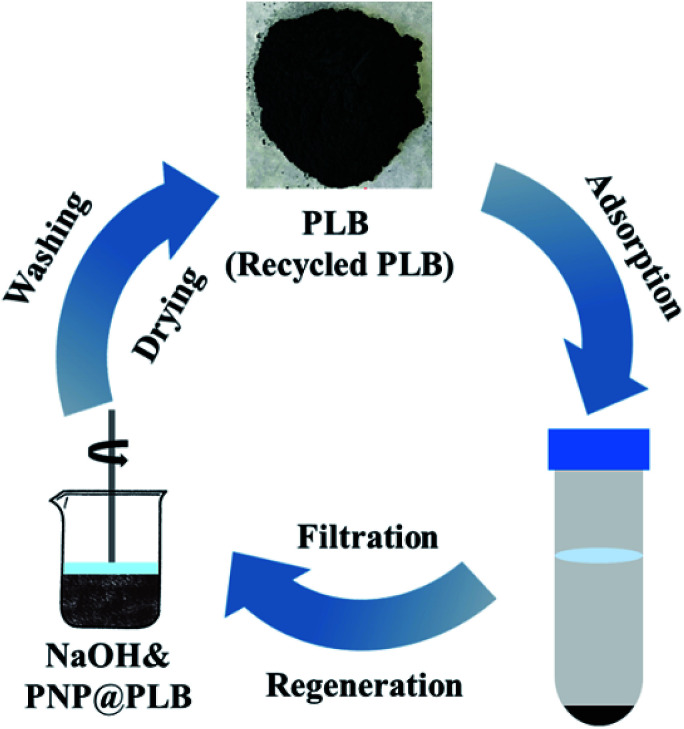
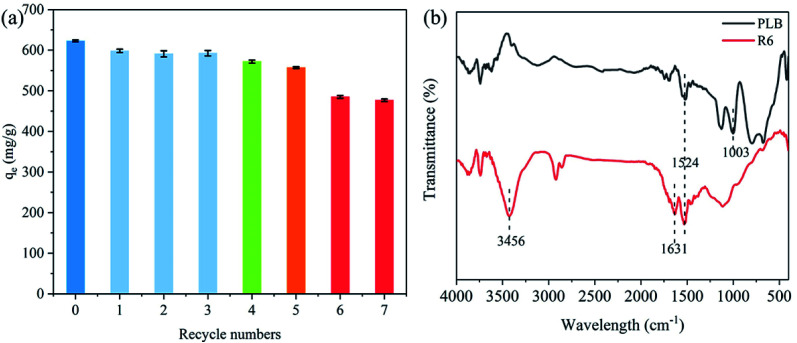
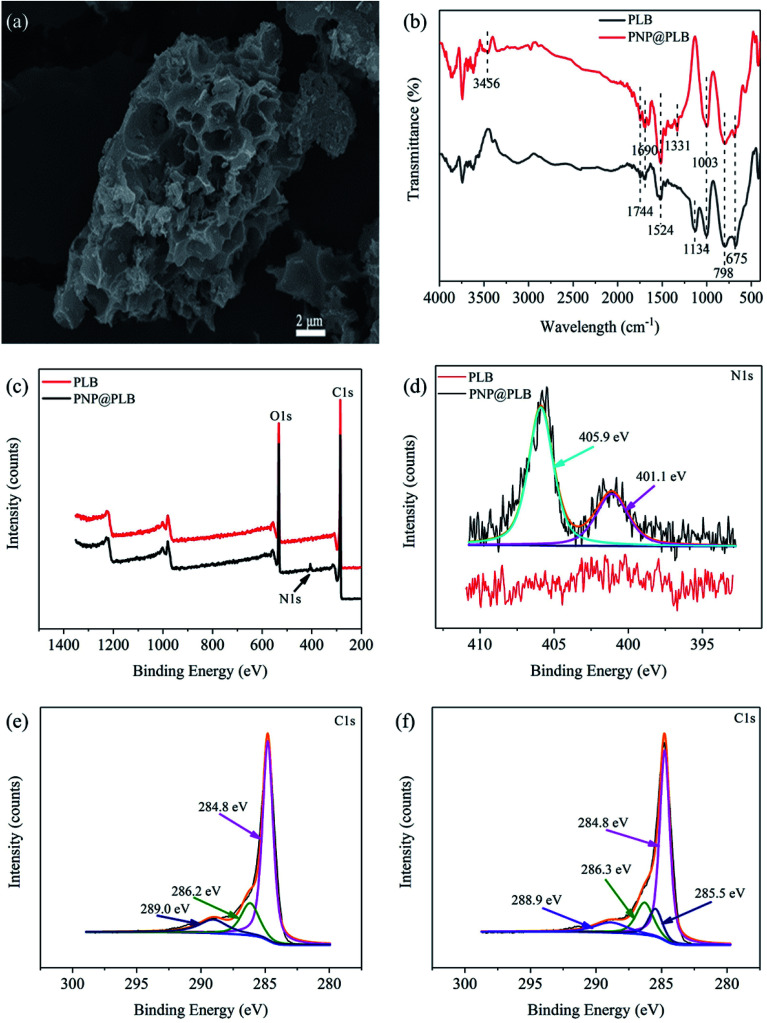
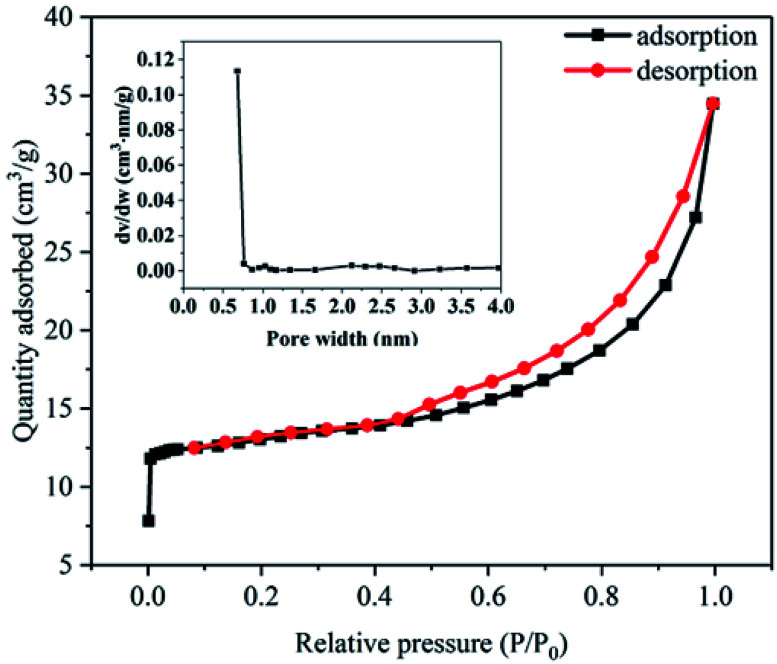
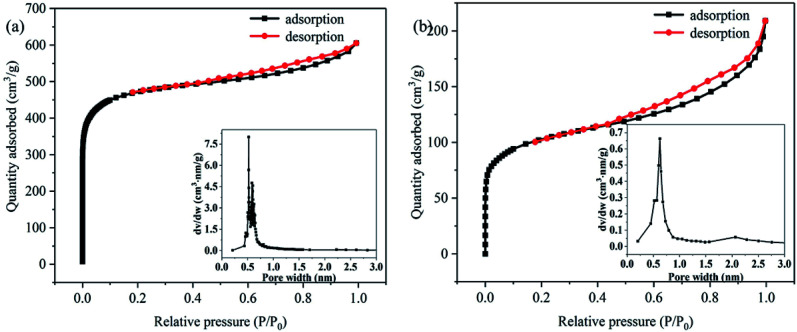
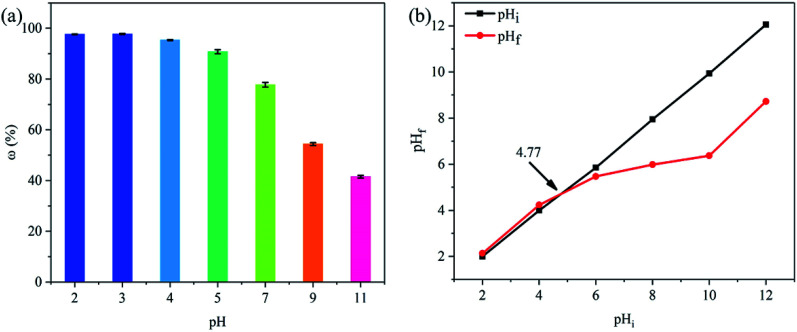
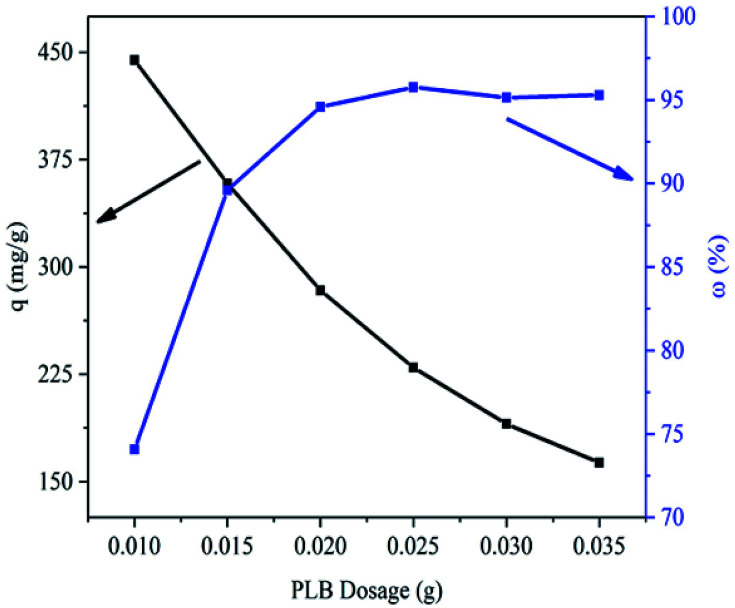
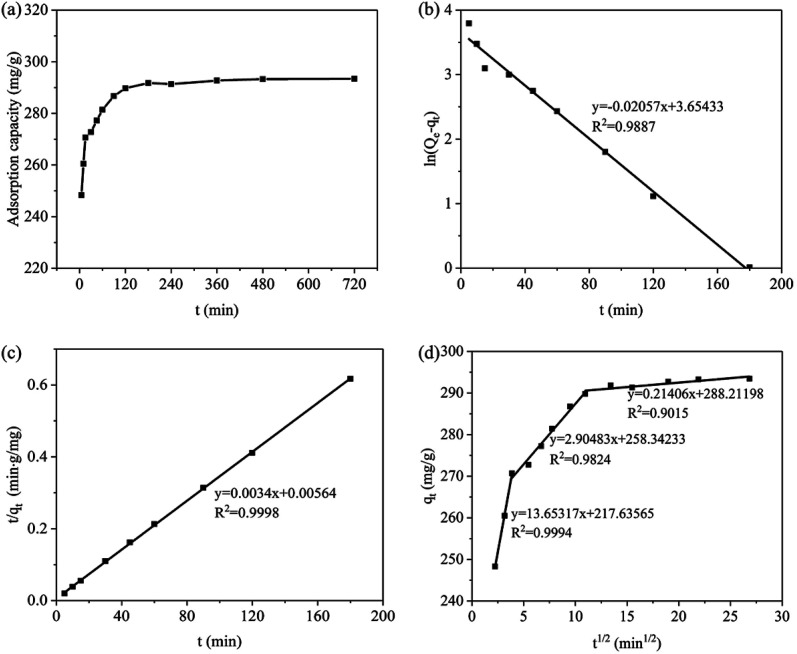
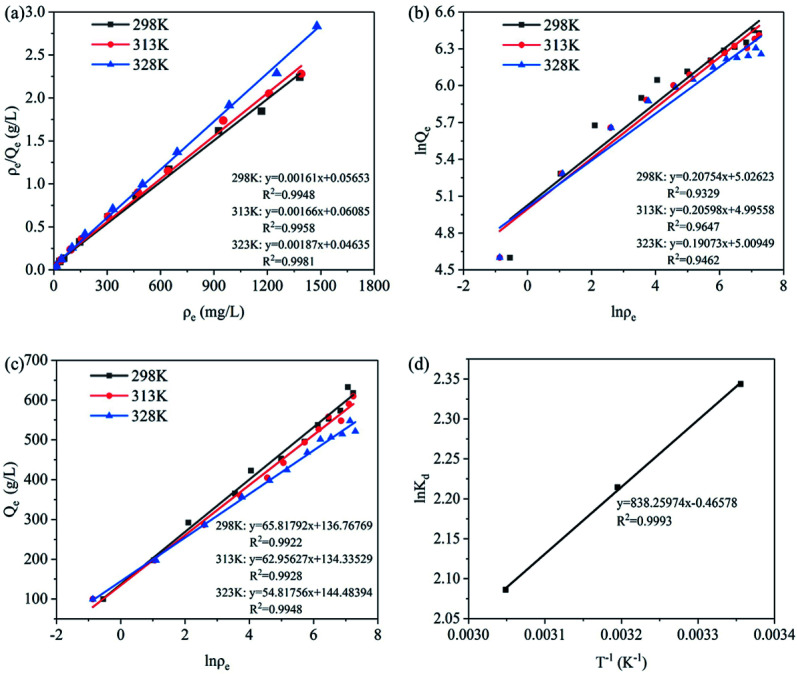
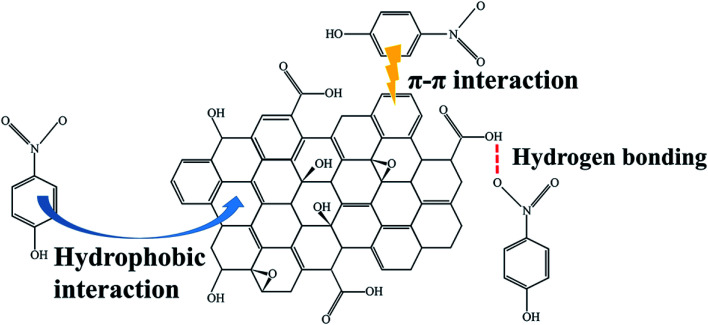
As an environmentally friendly and low-cost adsorbent, biochar has great potential in wastewater treatment. This study investigated biochar derived from L. leaves (PLB) activated by KOH in terms of its capacity and reusability to adsorb -nitrophenol (PNP). PLB had a large specific surface area and total pore volume, and exhibits good PNP removal with a maximal adsorption capacity of 622.73 mg g at 298 K. Batch experiments showed that PLB had a high PNP adsorption capacity under acidic conditions. Experimental results were well described by the pseudo-second-order kinetic model and the Langmuir adsorption isotherm model. The thermodynamic study showed that PNP adsorption was a spontaneously exothermic process, and increasing temperature was not conducive to adsorption. In addition, PNP adsorption was mainly attributed to hydrophobic interaction. The regeneration experiment showed that PLB had good reusability. After the fifth regeneration, the adsorption capacity of PLB still reached 557.05 mg g. The deactivation of oxygen-containing functional groups and pore blockage were the causes for the decrease in adsorption capacity of the recycled PLB. Moreover, the biochar showed good adsorption efficiency and reusability, thereby suggesting its potential to serve as an efficient PNP adsorbent for wastewater treatment.
作为一种环保且低成本的吸附剂,生物炭在废水处理方面具有巨大潜力。本研究考察了由KOH活化的L. 树叶衍生生物炭(PLB)对吸附对硝基苯酚(PNP)的能力及可重复使用性。PLB具有较大的比表面积和总孔体积,在298 K时对PNP具有良好的去除效果,最大吸附容量为622.73 mg/g。批次实验表明,PLB在酸性条件下具有较高的PNP吸附容量。实验结果可用准二级动力学模型和朗缪尔吸附等温线模型很好地描述。热力学研究表明,PNP吸附是一个自发的放热过程,温度升高不利于吸附。此外,PNP吸附主要归因于疏水相互作用。再生实验表明,PLB具有良好的可重复使用性。第五次再生后,PLB的吸附容量仍达到557.05 mg/g。含氧官能团失活和孔堵塞是再生PLB吸附容量下降的原因。此外,该生物炭表现出良好的吸附效率和可重复使用性,从而表明其有潜力作为一种高效的PNP吸附剂用于废水处理。