Lin Min, Weng Si-Ying, Chai Ke-Fu, Mao Zhu-Jun
College of Basic Medicine, Zhejiang Chinese Medical University Hangzhou 310053 China
Endocrinology Department, Ningbo Municipal TCM Hospital Ningbo 315010 China.
RSC Adv. 2019 Dec 16;9(71):41419-41430. doi: 10.1039/c9ra07071k. eCollection 2019 Dec 13.
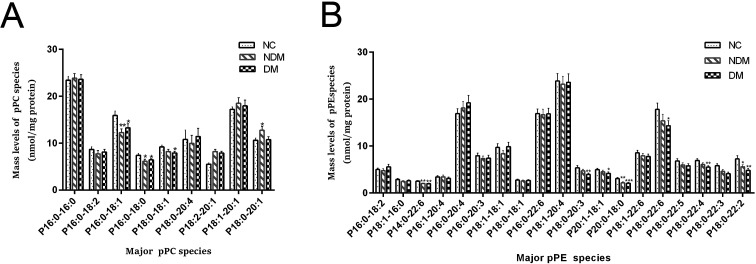
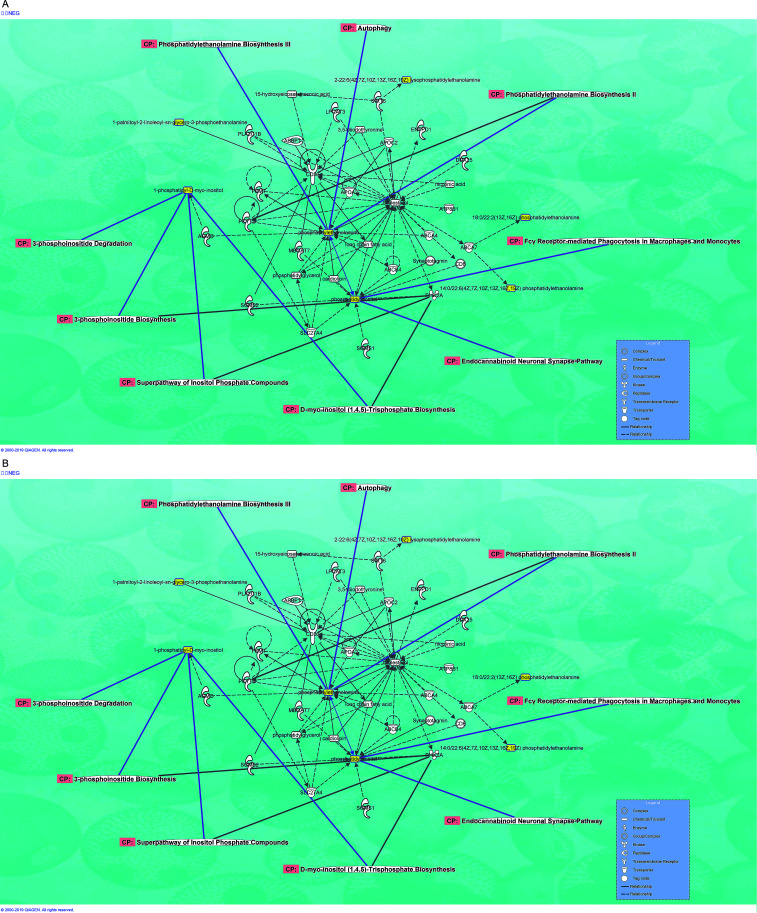
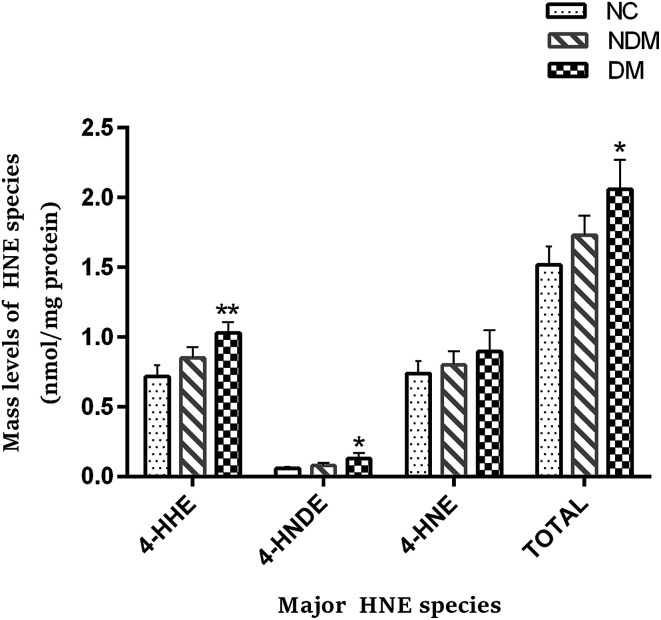
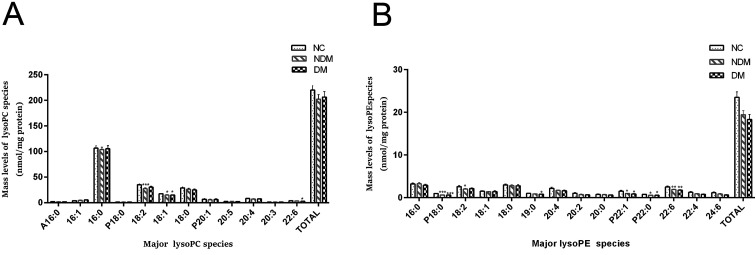
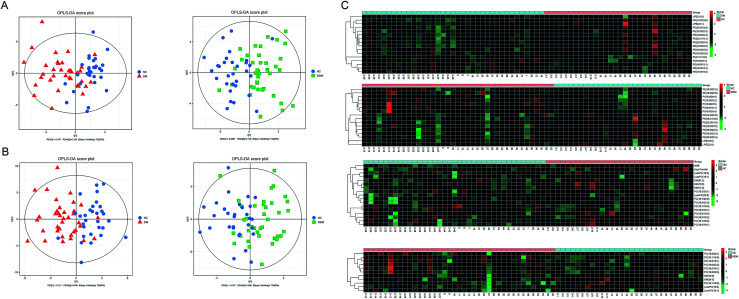
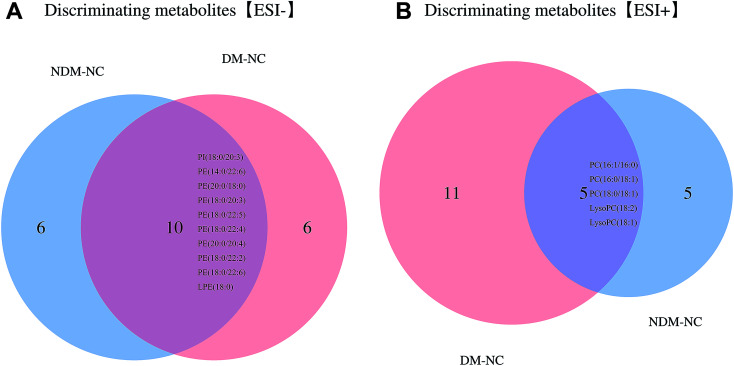
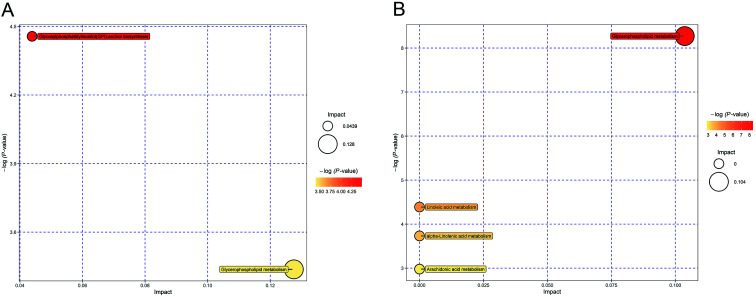
The lipid metabolism relationship between non-alcoholic fatty pancreas disease (NAFPD) and type 2 diabetes mellitus (T2DM) is poorly defined. We aim to identify novel T2DM-related lipid biomarkers in addition to previous studies and provide the evidence for elucidating the relationship between NAFPD and T2DM in a lipid perspective. In this study, multi-dimensional mass spectrometry-based shotgun lipidomics (MDMS-SL) was used to investigate the potential discriminating lipid profile of the fasting plasma of 105 Chinese individuals (39 NAFPD patients, 38 T2DM patients and 30 healthy controls). Then multivariate statistical analysis combined with pathway analysis was performed to identify the lipid biomarker and explore the potential relationship of these two important diseases. The results described a marked reduction of plasmalogen and a significant 4-hydroxynonenal increase in the two diagnostic group, which indicated increased oxidative stress and peroxisomal dysfunction in patients. 60 discriminating metabolites were identified by multivariate statistical analysis of the lipidomics data. In addition, ingenuity pathway analysis (IPA) and a metabolic network constructed by prediction of IPA indicated that lipid metabolism, molecular transport, carbohydrate metabolism and small molecule biochemistry were correlated with disease progression. Our results revealed that the profile of plasma lipid alteration characteristic of NAFPD was similar to that of T2DM, especially during the period prior to the onset of T2DM.
非酒精性脂肪性胰腺疾病(NAFPD)与2型糖尿病(T2DM)之间的脂质代谢关系尚不明确。我们旨在除先前的研究之外,鉴定与T2DM相关的新型脂质生物标志物,并从脂质角度为阐明NAFPD与T2DM之间的关系提供证据。在本研究中,基于多维质谱的鸟枪法脂质组学(MDMS-SL)被用于研究105名中国个体(39名NAFPD患者、38名T2DM患者和30名健康对照)空腹血浆中潜在的鉴别脂质谱。然后进行多变量统计分析并结合通路分析,以鉴定脂质生物标志物并探索这两种重要疾病之间的潜在关系。结果表明,在两个诊断组中,缩醛磷脂显著减少,4-羟基壬烯醛显著增加,这表明患者体内氧化应激增加和过氧化物酶体功能障碍。通过对脂质组学数据的多变量统计分析,鉴定出60种鉴别代谢物。此外, Ingenuity通路分析(IPA)以及通过IPA预测构建的代谢网络表明,脂质代谢、分子转运、碳水化合物代谢和小分子生物化学与疾病进展相关。我们的结果显示,NAFPD特征性的血浆脂质改变谱与T2DM相似,尤其是在T2DM发病前的时期。