Division of Medical Radiation Physics and Department of Radiation Oncology, Inselspital, Bern University Hospital, University of Bern, Bern, Switzerland.
Department of Orthopedic Surgery and Traumatology, Inselspital, Bern University Hospital, University of Bern, Bern, Switzerland.
Radiat Oncol. 2022 May 12;17(1):94. doi: 10.1186/s13014-022-02058-7.
To assess the feasibility of postoperative stereotactic body radiation therapy (SBRT) for patients with hybrid implants consisting of carbon fiber reinforced polyetheretherketone and titanium (CFP-T) using CyberKnife.
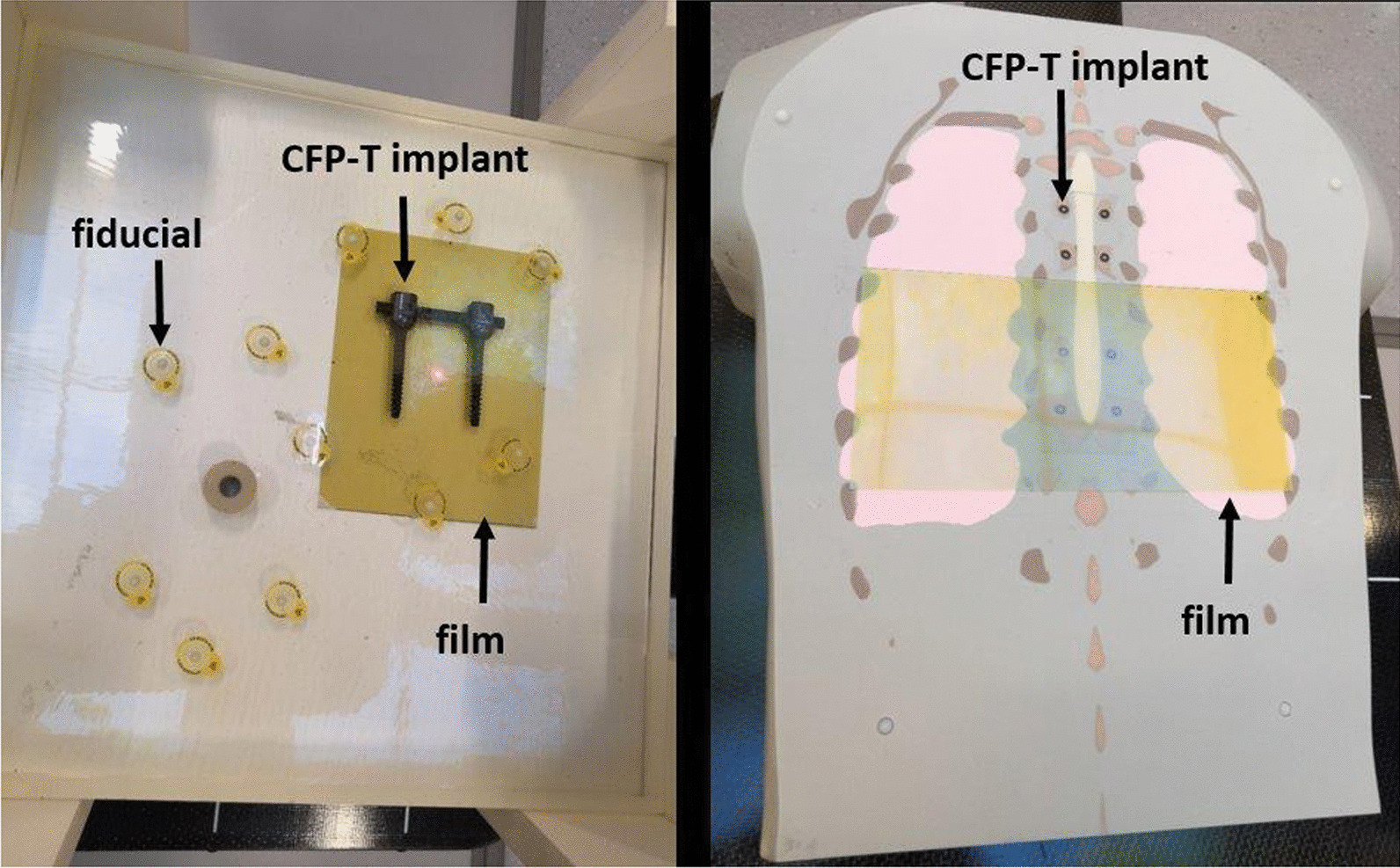
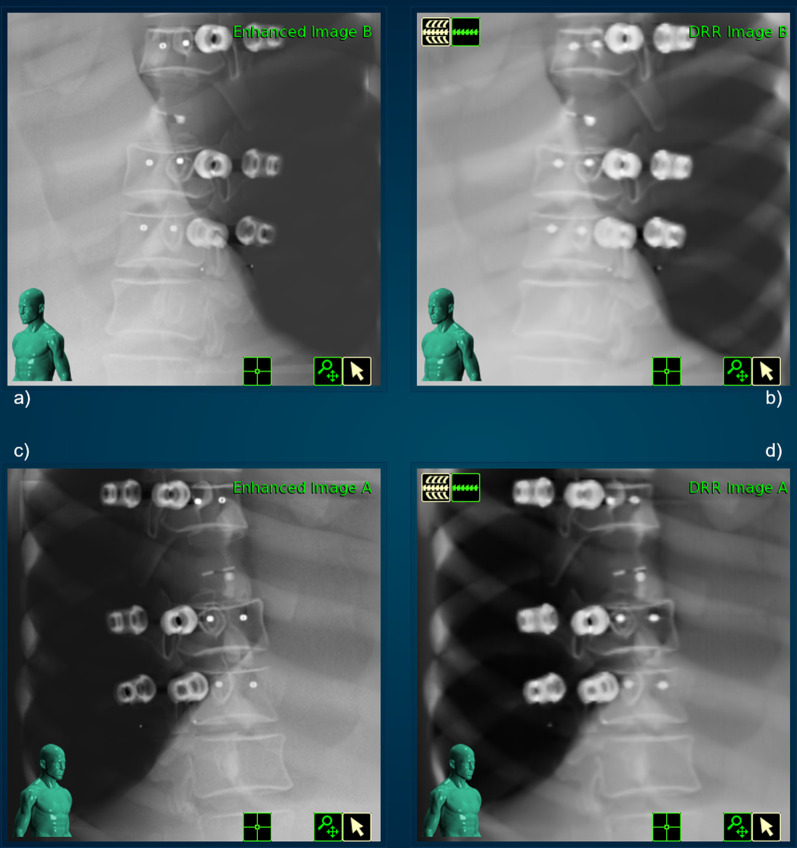
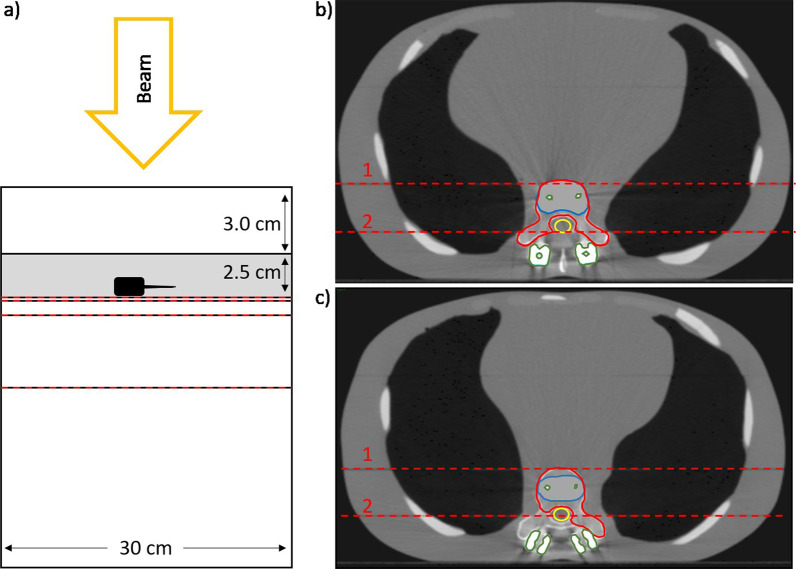
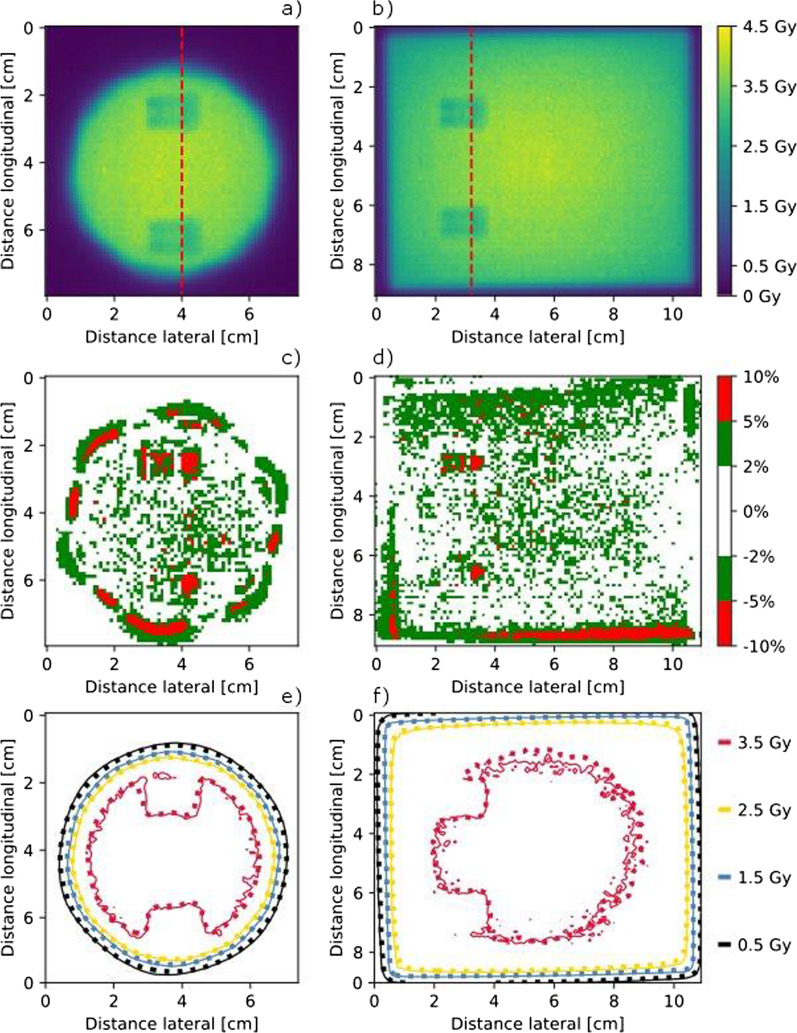
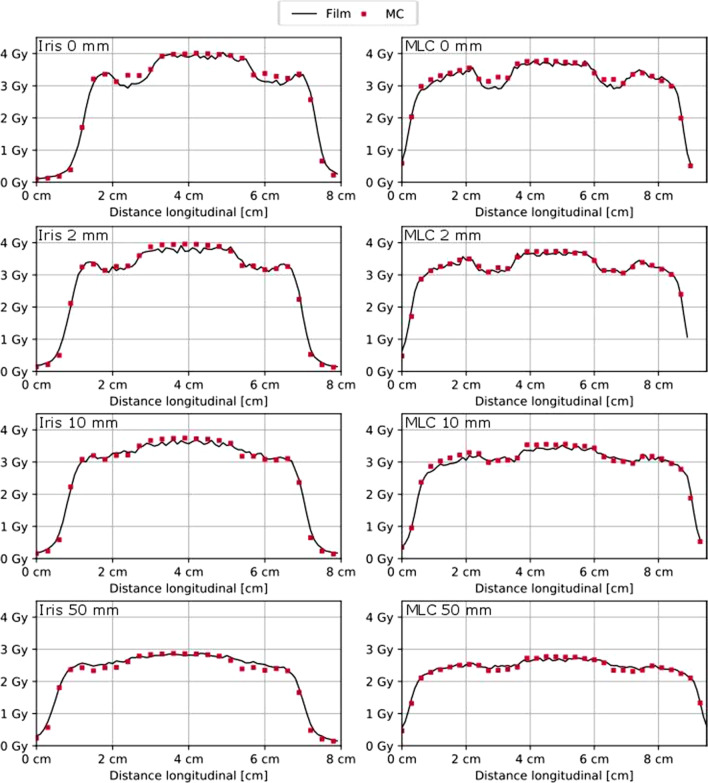
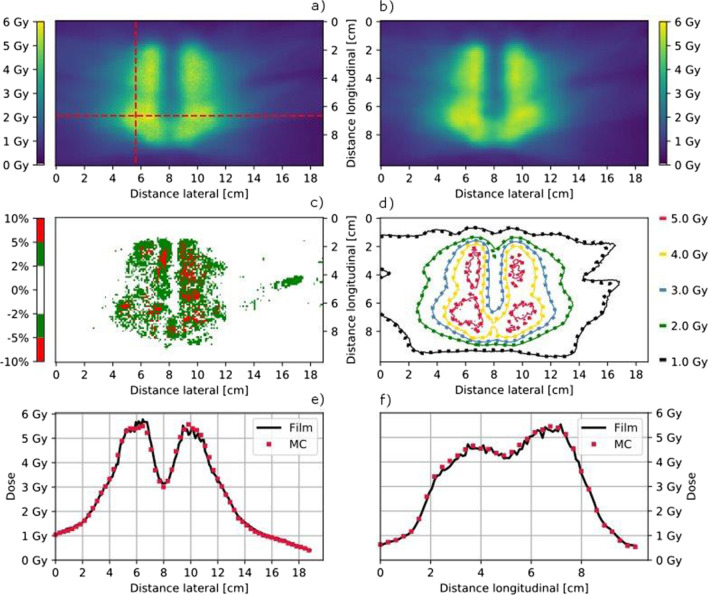
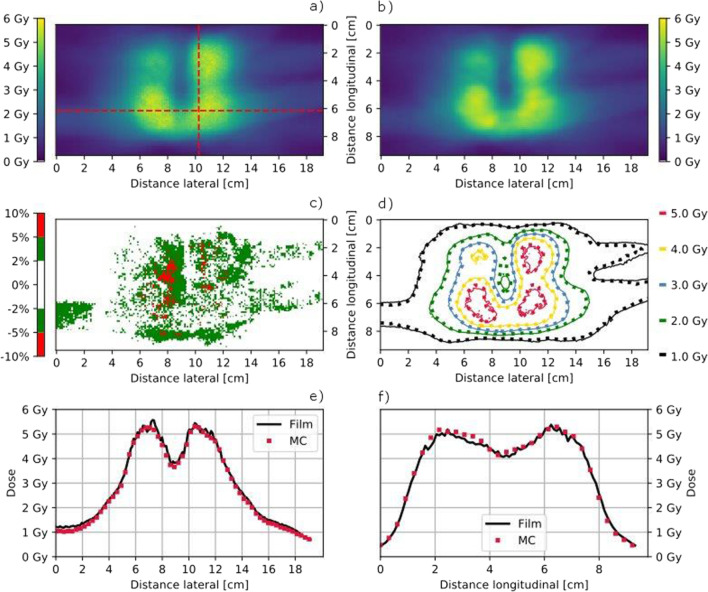
All essential steps within a radiation therapy (RT) workflow were evaluated. First, the contouring process of target volumes and organs at risk (OAR) was done for patients with CFP-T implants. Second, after RT-planning, the accuracy of the calculated dose distributions was tested in a slab phantom and an anthropomorphic phantom using film dosimetry. As a third step, the accuracy of the mandatory image guided radiation therapy (IGRT) including automatic matching was assessed using the anthropomorphic phantom. For this goal, a standard quality assurance (QA) test was modified to carry out its IGRT part in presence of CFP-T implants.
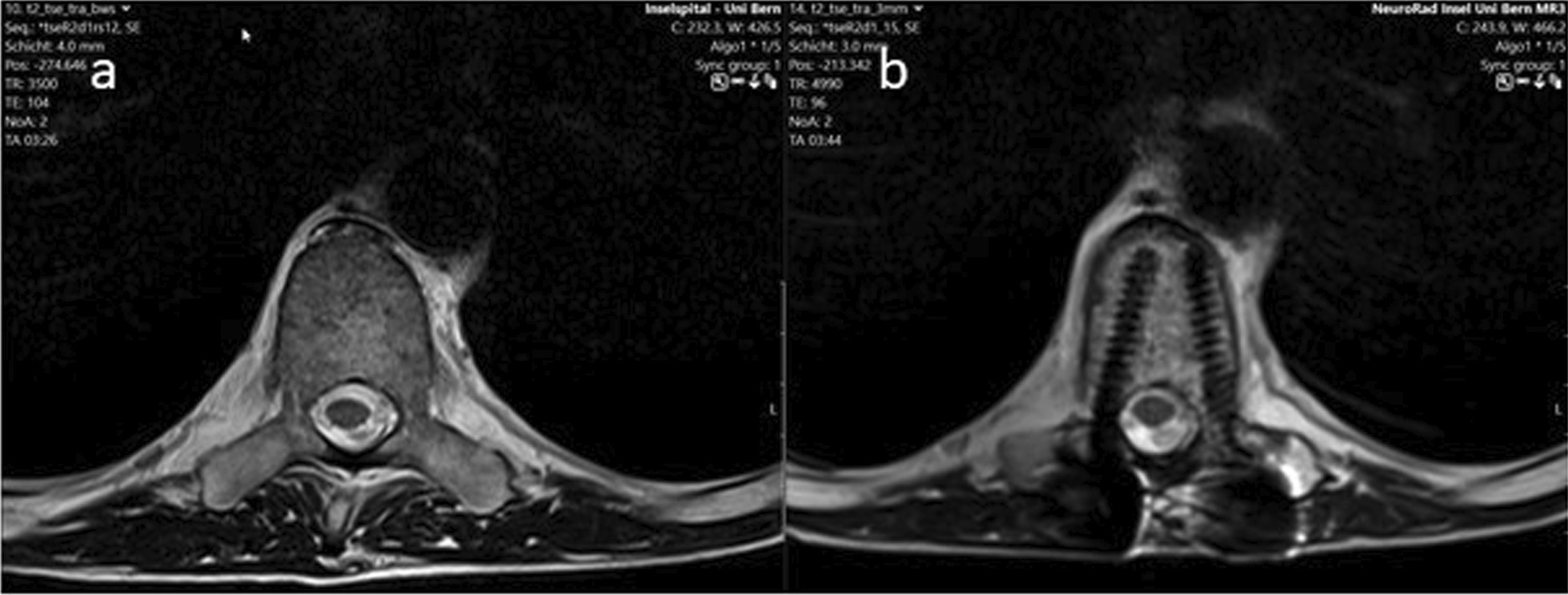
Using CFP-T implants, target volumes could precisely delineated. There was no need for compromising the contours to overcome artifact obstacles. Differences between measured and calculated dose values were below 11% for the slab phantom, and at least 95% of the voxels were within 5% dose difference. The comparisons for the anthropomorphic phantom showed a gamma-passing rate (5%, 1 mm) of at least 97%. Additionally the test results with and without CFP-T implants were comparable. No issues concerning the IGRT were detected. The modified machine QA test resulted in a targeting error of 0.71 mm, which corresponds to the results of the unmodified standard tests.
Dose calculation and delivery of postoperative spine SBRT is feasible in proximity of CFP-T implants using a CyberKnife system.
评估使用 CyberKnife 对包含碳纤维增强聚醚醚酮和钛(CFP-T)的混合植入物患者进行术后立体定向体放射治疗(SBRT)的可行性。
评估了放射治疗(RT)工作流程中的所有必要步骤。首先,对 CFP-T 植入物患者进行靶区和危及器官(OAR)的轮廓处理。其次,在 RT 计划后,使用胶片剂量测定法在平板体模和人体模型中测试计算剂量分布的准确性。作为第三步,使用人体模型评估强制性图像引导放射治疗(IGRT)的准确性,包括自动匹配。为此目的,修改了标准质量保证(QA)测试,以在存在 CFP-T 植入物的情况下进行其 IGRT 部分。
使用 CFP-T 植入物,可以精确描绘靶区。无需为克服伪影障碍而牺牲轮廓。平板体模的测量值与计算值之间的差异小于 11%,至少 95%的体素在 5%剂量差异内。人体模型的比较显示伽马通过率(5%,1 毫米)至少为 97%。此外,有无 CFP-T 植入物的测试结果具有可比性。未发现 IGRT 存在问题。修改后的机器 QA 测试导致定位误差为 0.71 毫米,与未修改的标准测试结果相当。
在 CyberKnife 系统中,在 CFP-T 植入物附近进行术后脊柱 SBRT 的剂量计算和输送是可行的。