Department of Medicine, Renal Electrolyte and Hypertension Division, University of Pennsylvania, Philadelphia, PA, USA.
Department of Pathobiology, University of Pennsylvania School of Veterinary Medicine, Philadelphia, PA, USA.
Nat Immunol. 2022 Jun;23(6):947-959. doi: 10.1038/s41590-022-01200-7. Epub 2022 May 12.
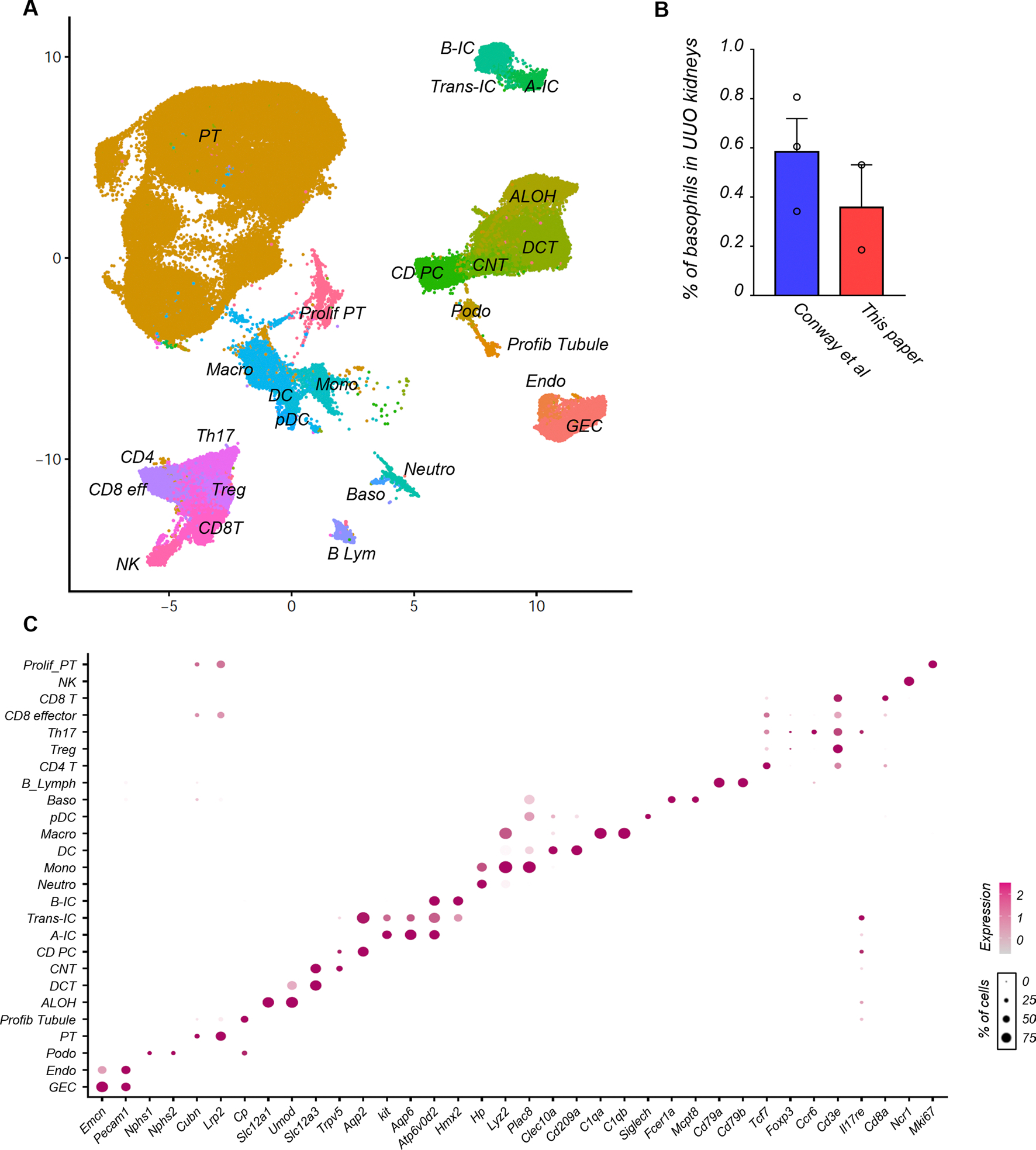
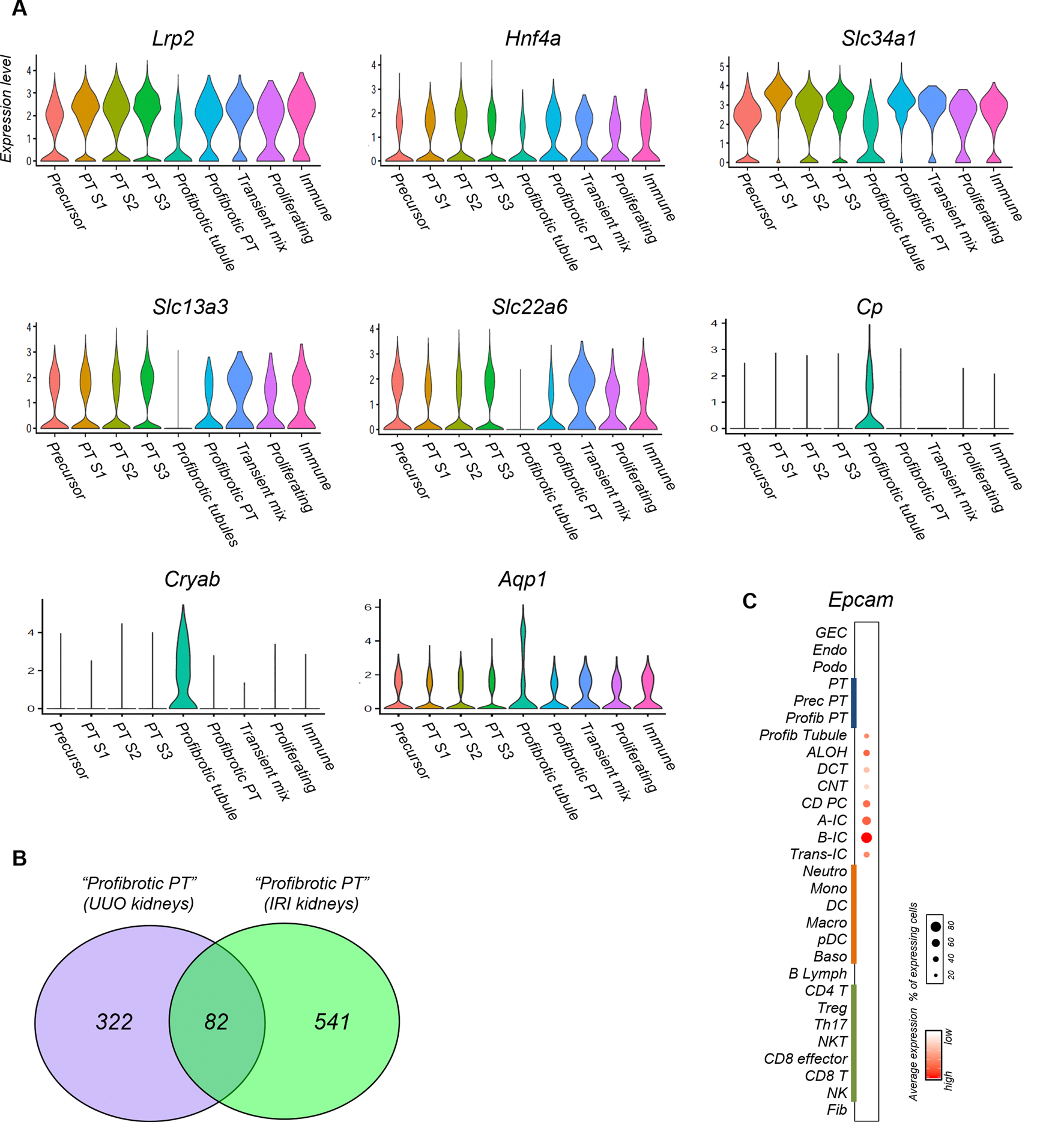
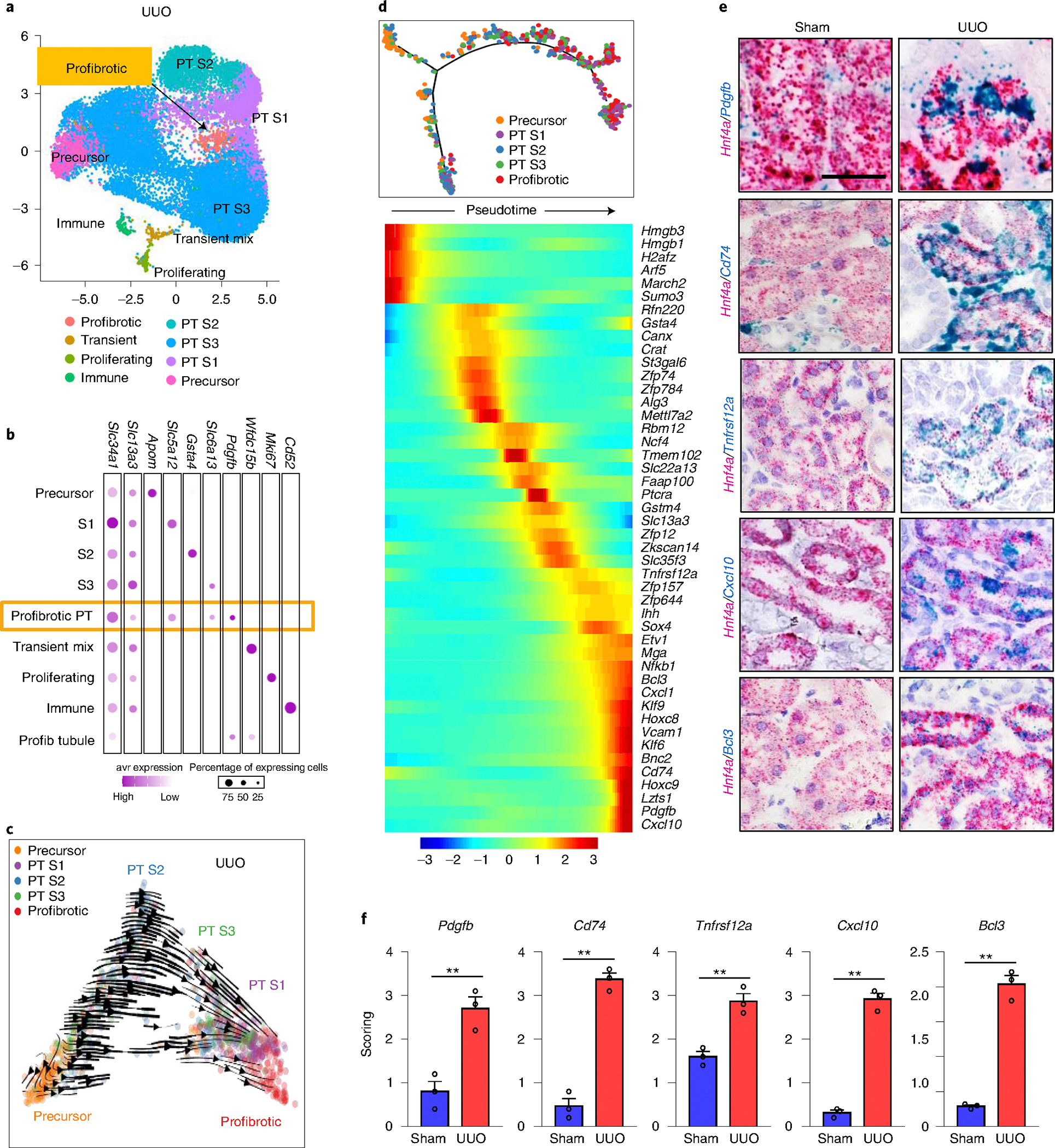
Inflammation is an important component of fibrosis but immune processes that orchestrate kidney fibrosis are not well understood. Here we apply single-cell sequencing to a mouse model of kidney fibrosis. We identify a subset of kidney tubule cells with a profibrotic-inflammatory phenotype characterized by the expression of cytokines and chemokines associated with immune cell recruitment. Receptor-ligand interaction analysis and experimental validation indicate that CXCL1 secreted by profibrotic tubules recruits CXCR2 basophils. In mice, these basophils are an important source of interleukin-6 and recruitment of the T17 subset of helper T cells. Genetic deletion or antibody-based depletion of basophils results in reduced renal fibrosis. Human kidney single-cell, bulk gene expression and immunostaining validate a function for basophils in patients with kidney fibrosis. Collectively, these studies identify basophils as contributors to the development of renal fibrosis and suggest that targeting these cells might be a useful clinical strategy to manage chronic kidney disease.
炎症是纤维化的一个重要组成部分,但调节肾脏纤维化的免疫过程尚不清楚。在这里,我们应用单细胞测序技术研究了一种小鼠肾脏纤维化模型。我们鉴定出了一组具有促纤维化-炎症表型的肾脏小管细胞亚群,其特征是表达与免疫细胞募集相关的细胞因子和趋化因子。受体-配体相互作用分析和实验验证表明,促纤维化小管细胞分泌的 CXCL1 招募 CXCR2 嗜碱性粒细胞。在小鼠中,这些嗜碱性粒细胞是白细胞介素-6 的重要来源,并且招募了辅助性 T 细胞的 T17 亚群。嗜碱性粒细胞的基因缺失或基于抗体的耗竭导致肾脏纤维化减少。人类肾脏单细胞、批量基因表达和免疫染色验证了嗜碱性粒细胞在肾脏纤维化患者中的功能。总的来说,这些研究表明嗜碱性粒细胞是肾脏纤维化发展的贡献者,并提示靶向这些细胞可能是管理慢性肾脏病的一种有用的临床策略。