Drabińska Natalia, Azeem Hafiz Abdul, Krupa-Kozak Urszula
Department of Chemistry and Biodynamics of Food, Institute of Animal Reproduction and Food Research of Polish Academy of Sciences Tuwima 10 Str. 10-748 Olsztyn Poland
Centre for Analysis and Synthesis, Department of Chemistry, Lund University Naturvetarvägen 14/Sölvegatan 39 A 221 00 Lund Sweden.
RSC Adv. 2018 Oct 29;8(64):36534-36541. doi: 10.1039/c8ra07342b. eCollection 2018 Oct 26.
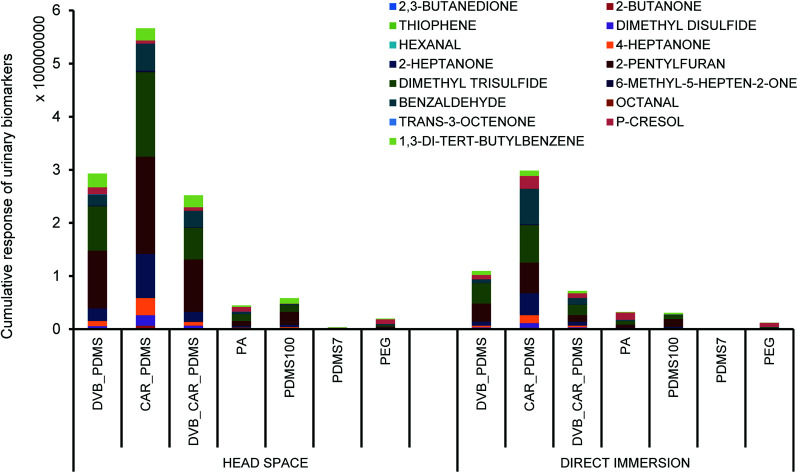
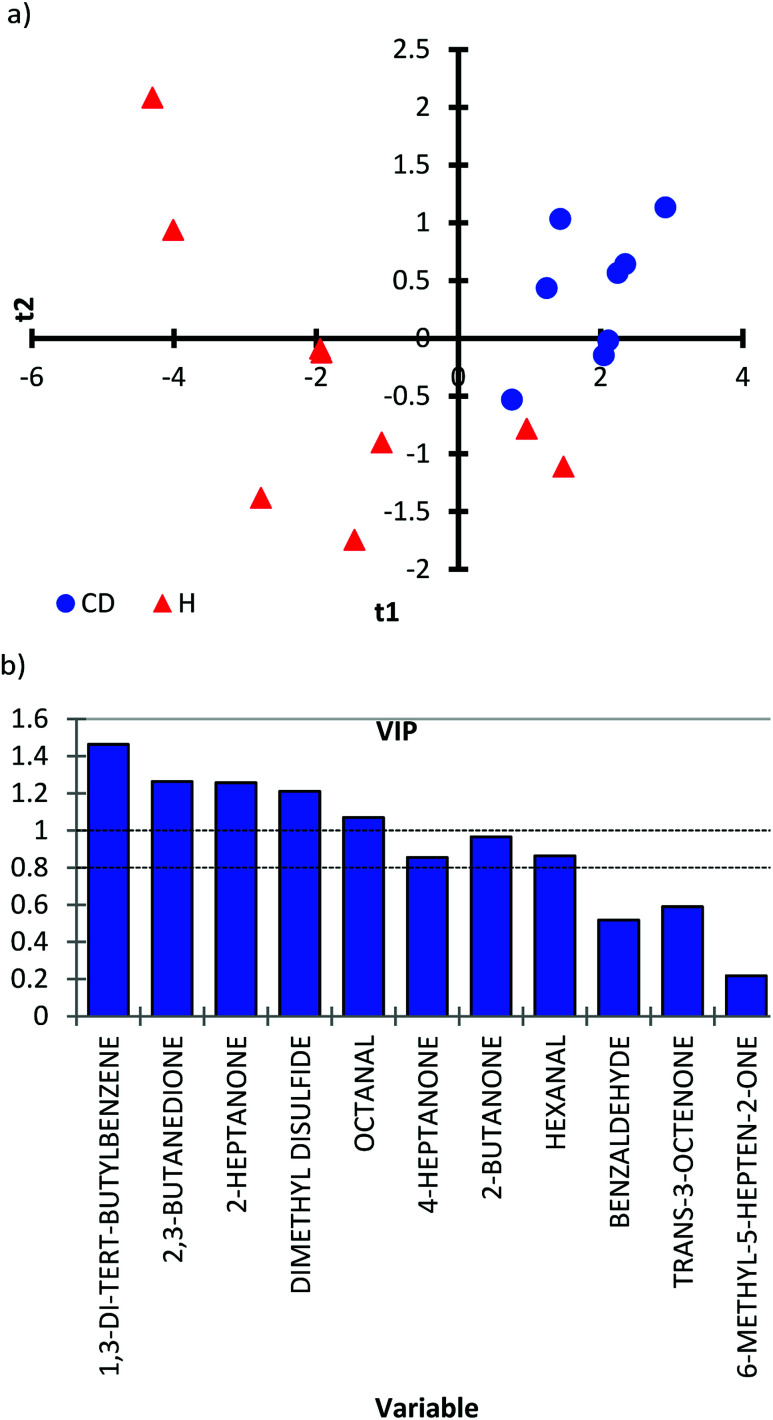
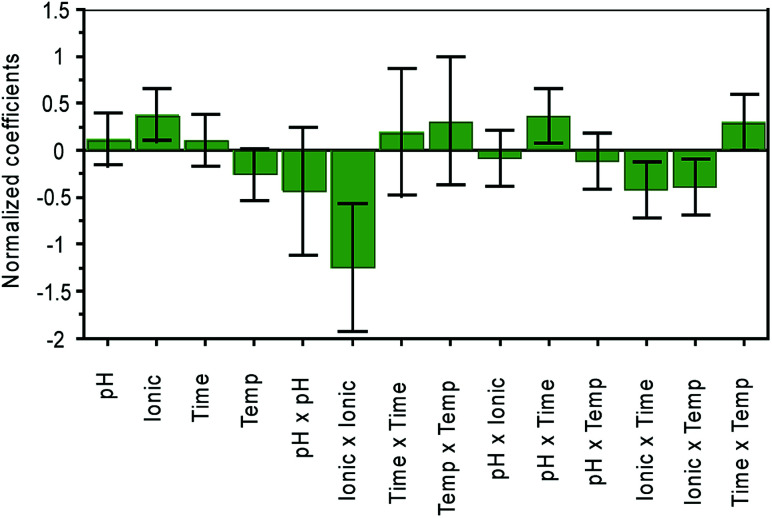
Volatile organic compounds (VOCs) in biological samples have gained popularity for disease monitoring and diagnosis. Celiac disease (CD) is one of the many prevalent health conditions which are challenging to diagnose. The aim of this study was to optimize a solid phase microextraction followed by gas chromatography-mass spectrometry, for quantitative analysis of a wide range of VOCs in the urine of patients with CD. Multivariate design of experiment was used to optimize the extraction conditions for the analysis of 15 urinary VOCs. Based on the performed experiments, extraction using 2.98 g of sodium chloride and 21 μL of 6 M hydrochloric acid for 15 min at 30 °C, using a CAR/PDMS fiber in headspace mode was found to be the most effective procedure for the analysis of the selected biomarkers. It was also demonstrated that the proposed method could distinguish between children with CD and healthy children based on the profile of VOCs. It is believed that quantitative analysis of these biomarkers will extend our understanding of CD and could be used for monitoring in patients under treatment.
生物样品中的挥发性有机化合物(VOCs)在疾病监测和诊断方面越来越受到关注。乳糜泻(CD)是众多难以诊断的常见健康问题之一。本研究的目的是优化一种先进行固相微萃取然后进行气相色谱 - 质谱分析的方法,用于定量分析CD患者尿液中多种VOCs。采用多变量实验设计来优化15种尿中VOCs分析的萃取条件。基于所进行的实验,发现在顶空模式下使用2.98 g氯化钠和21 μL 6 M盐酸在30℃下萃取15分钟,使用CAR/PDMS纤维是分析所选生物标志物最有效的方法。还证明了所提出的方法可以根据VOCs谱区分CD儿童和健康儿童。相信对这些生物标志物的定量分析将扩展我们对CD的理解,并可用于治疗中患者的监测。