Center of Nuclear Energy in Agriculture (CENA/USP), University of São Paulo, Piracicaba, SP, CEP: 13416-903, Brazil.
Department of Hydrobiology, Federal University of São Carlos, São Carlos, SP, Brazil.
Sci Rep. 2022 May 13;12(1):7939. doi: 10.1038/s41598-022-12046-2.
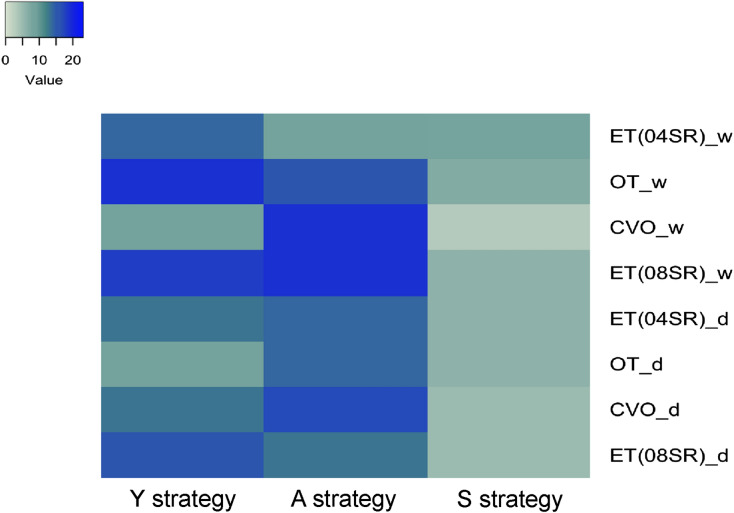
Microbial lifestyles may reveal niche-specific signatures and can contribute to detecting the effects of abiotic fluctuations on biogeochemical cycles. Microorganisms make a tradeoff between optimizing nutrient uptake, improving biomass yield, and overcoming environmental changes according to environmental hostility. Soda lakes are natural environments rich in carbonate and bicarbonate water, resulting in elevated pH and salinities that frequently approach saturation. We hypothesized that during the dry period (elevated pH and salinity), microorganisms try to overcome this harshness by allocating energy to the cellular maintenance process. As these environmental conditions improve during the wet period, microorganisms will begin to invest in nutrient uptake. To test this hypothesis, we evaluated four soda lakes in two different seasons by applying metagenomics combined with flow cytometry (estimate heterotrophic bacterial biomass). The natural occurrence of cyanobacterial blooms in some lakes is the main driver of carbon. These primary producers provide organic carbon that supports heterotrophic bacterial growth and, consequently, a high biomass yield. Under harsh conditions (dry season), cyanobacteria invest in nutrient uptake mechanisms, whereas heterotrophic bacteria allocate energy to survive at the expense of biomass yield. Lakes without cyanobacteria blooms invest in nutrient uptake independent of environmental hostility. This study clarifies the microbial tradeoffs in hostile environments and the impact of this choice on carbon and energy flux in tropical alkaline lakes.
微生物的生活方式可能揭示特定小生境的特征,并有助于检测非生物波动对生物地球化学循环的影响。根据环境的恶劣程度,微生物在优化养分吸收、提高生物量产量和克服环境变化之间进行权衡。苏打湖是富含碳酸盐和碳酸氢盐水的天然环境,导致 pH 值升高和盐度经常接近饱和。我们假设在干旱期(高 pH 值和盐度),微生物会通过将能量分配到细胞维持过程中来克服这种严酷性。随着这些环境条件在雨季得到改善,微生物将开始投资于养分吸收。为了验证这一假设,我们在两个不同的季节应用宏基因组学结合流动细胞术(估计异养细菌生物量)评估了四个苏打湖。一些湖泊中蓝藻水华的自然发生是碳的主要驱动因素。这些初级生产者提供有机碳,支持异养细菌的生长,从而产生高生物量产量。在恶劣条件下(旱季),蓝藻投资于养分吸收机制,而异养细菌则将能量分配用于生存,而牺牲了生物量产量。没有蓝藻水华的湖泊独立于环境恶劣程度投资于养分吸收。本研究阐明了恶劣环境中的微生物权衡以及这种选择对热带碱性湖泊中碳和能量通量的影响。