Laboratory of Preclinical Testing of Higher Standard, Nencki Institute of Experimental Biology Polish Academy of Sciences, 02-093 Warsaw, Poland.
Int J Mol Sci. 2022 Apr 25;23(9):4744. doi: 10.3390/ijms23094744.
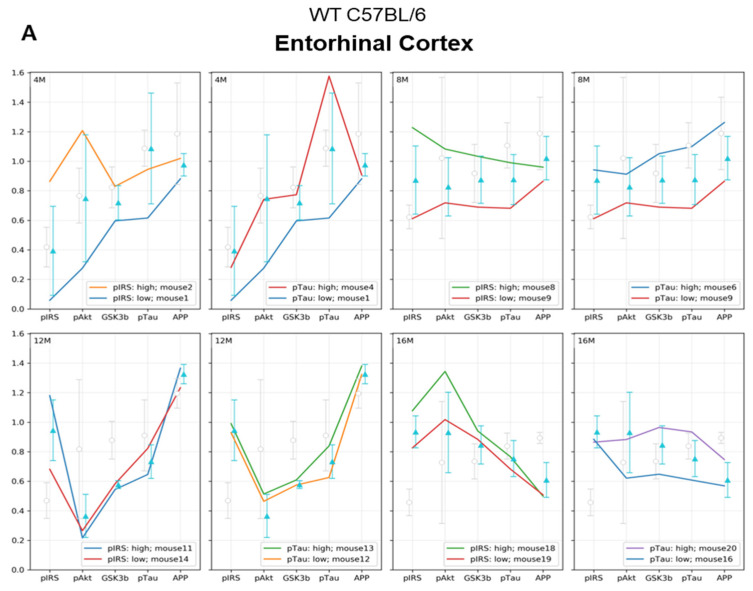
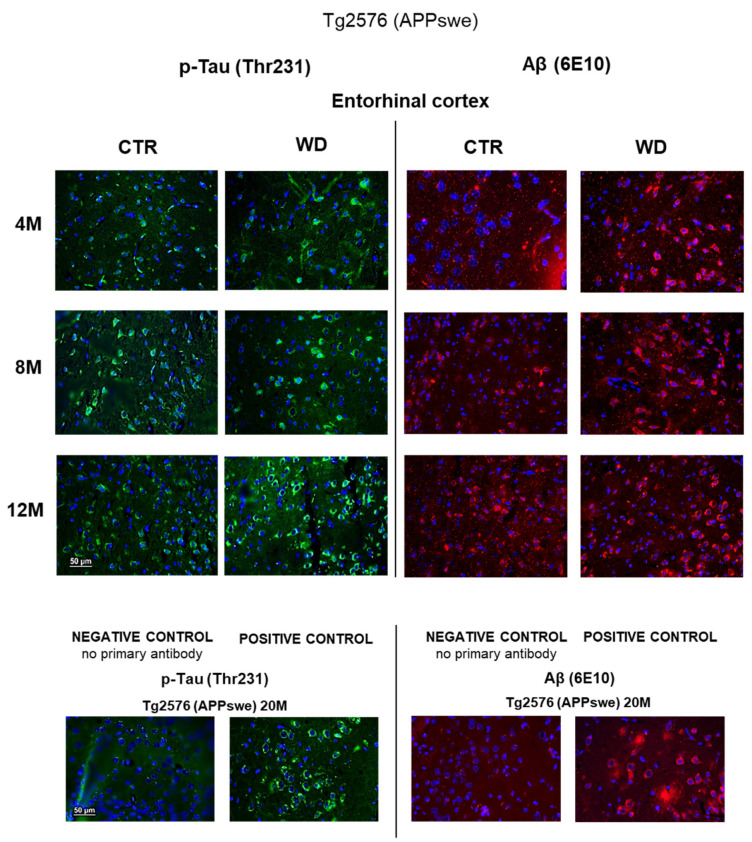
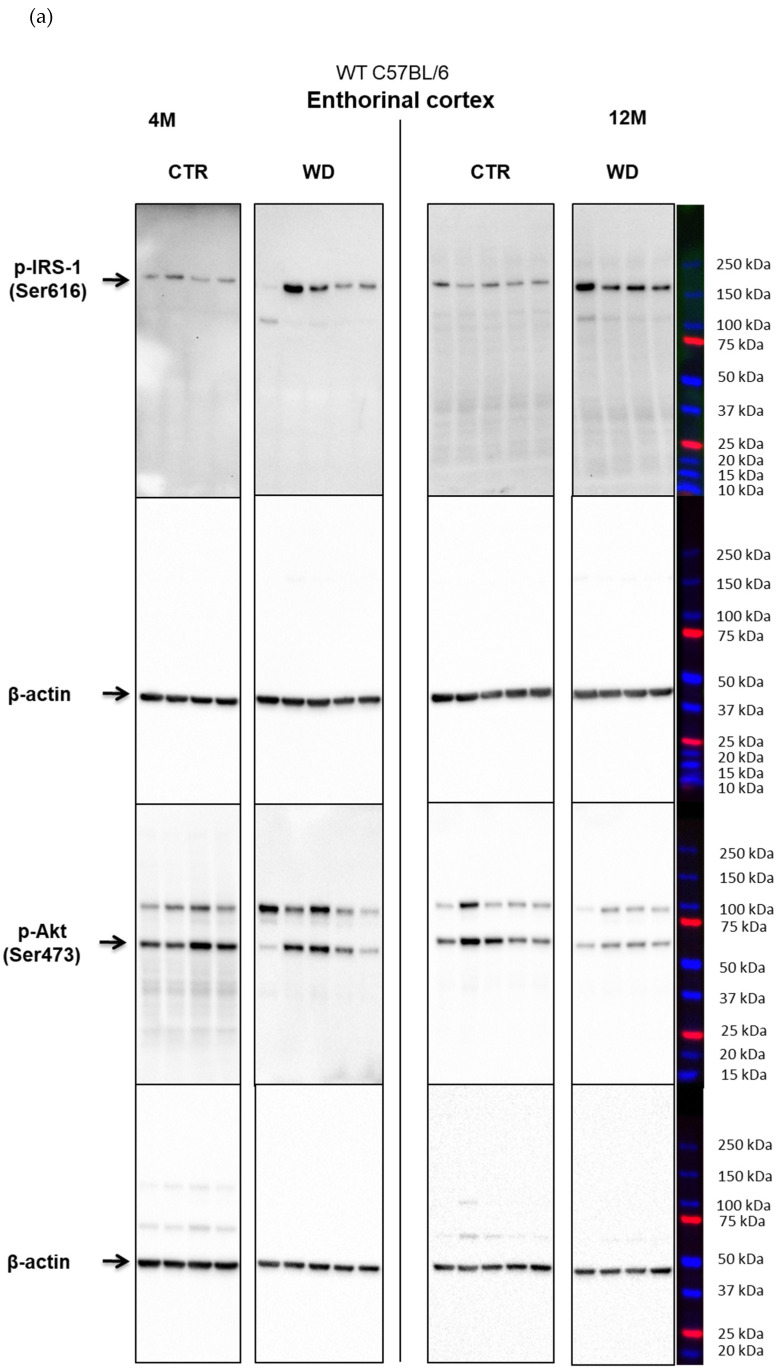
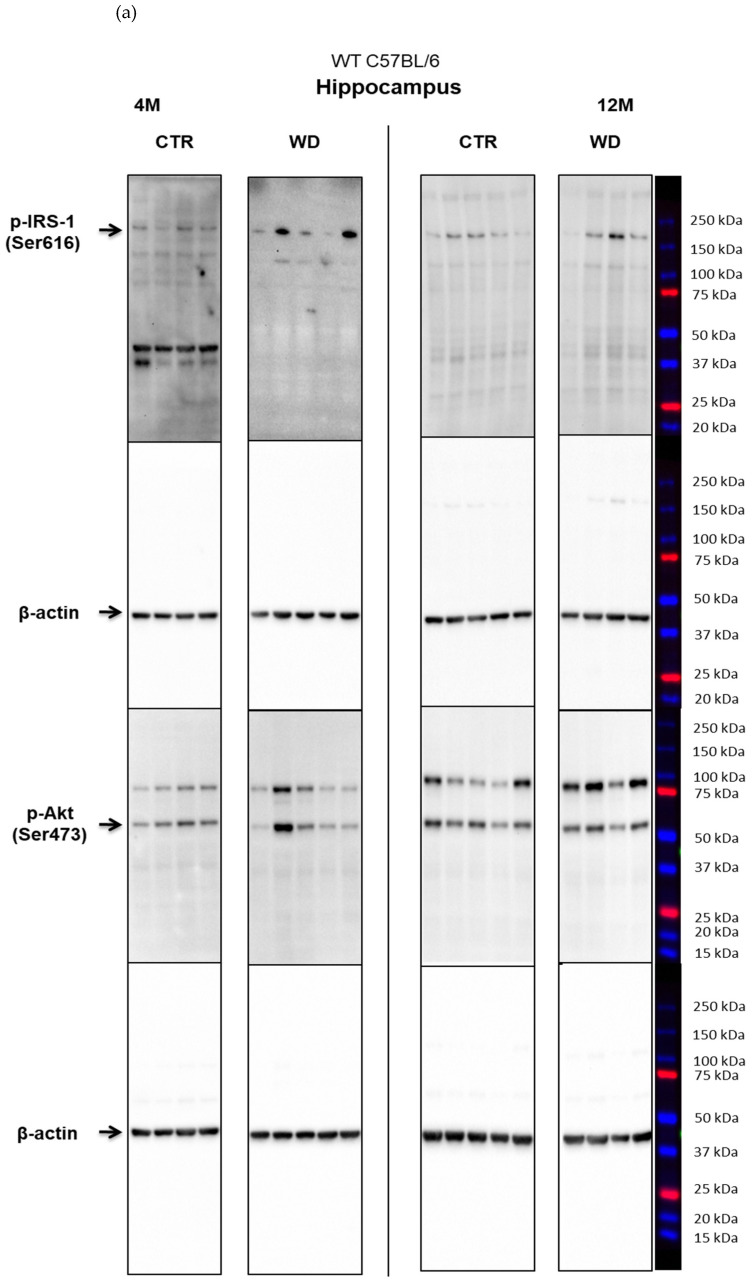
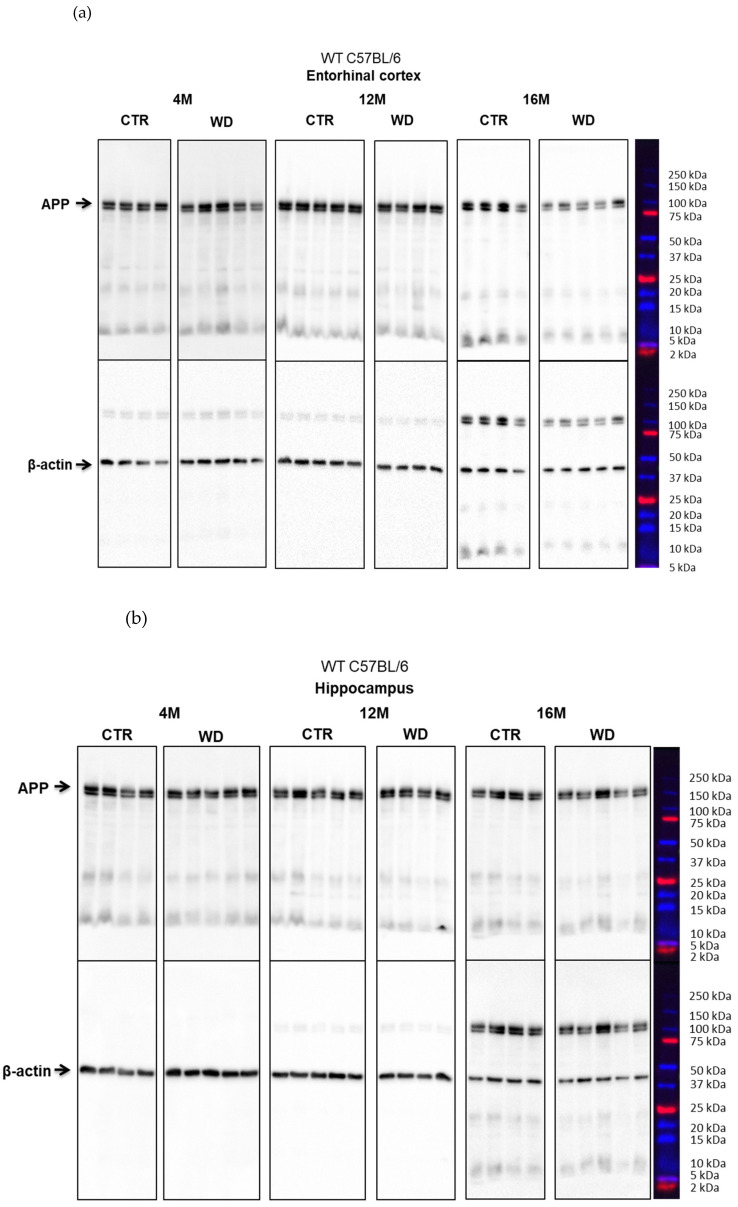
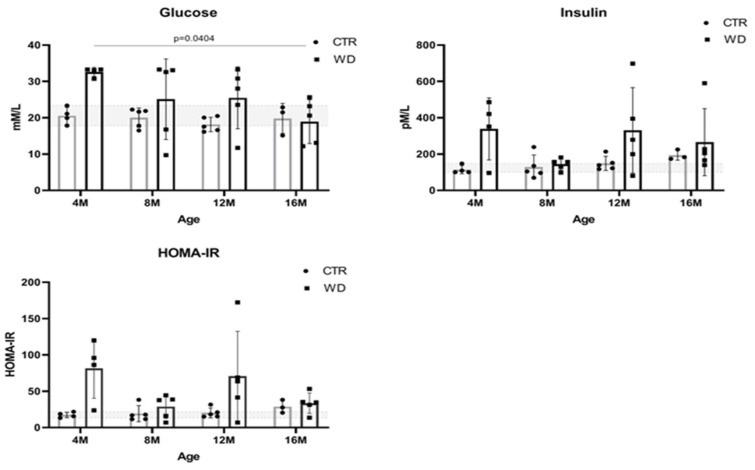
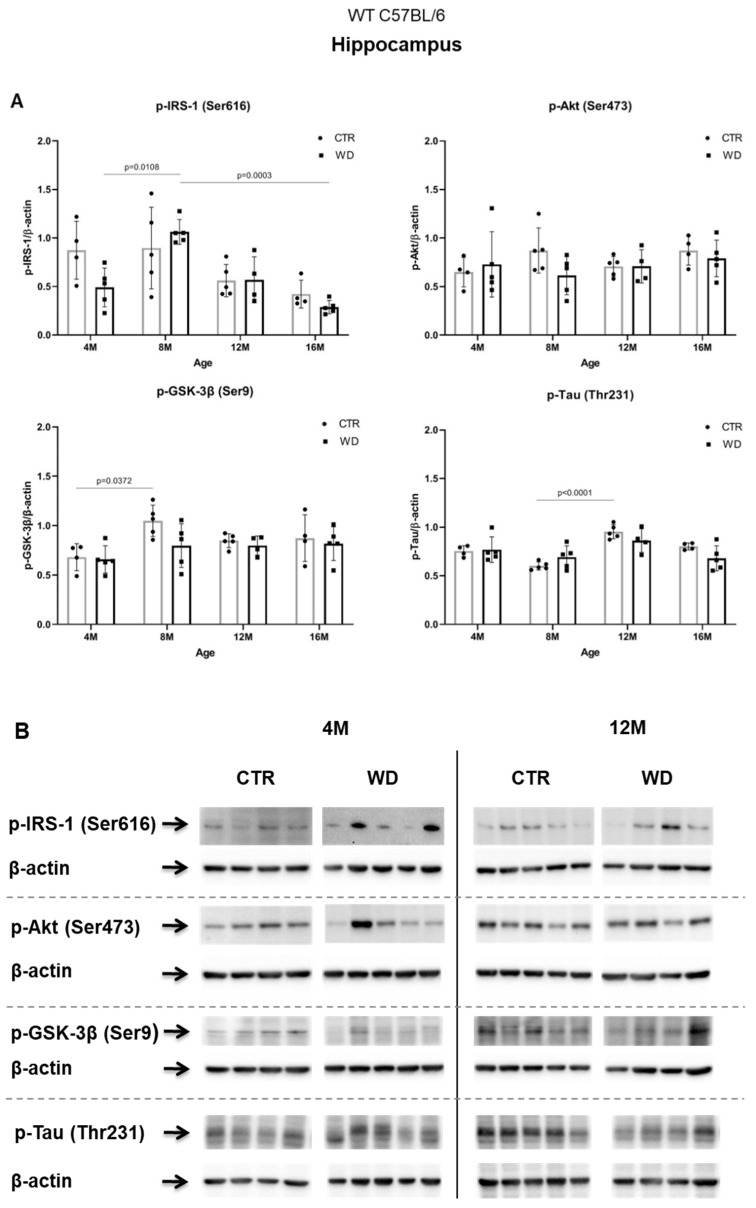
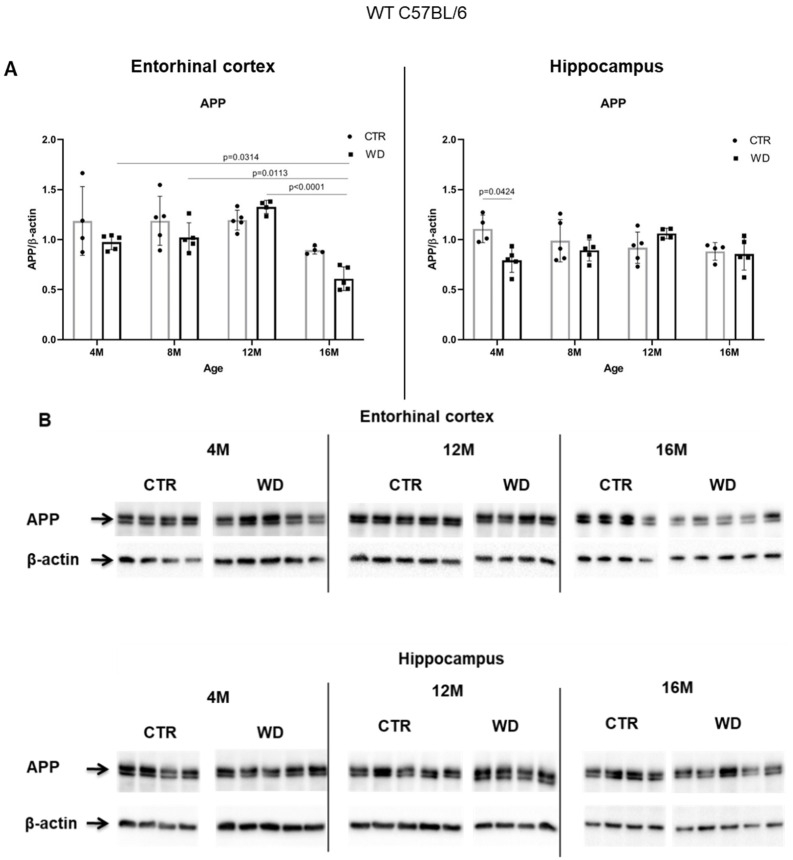
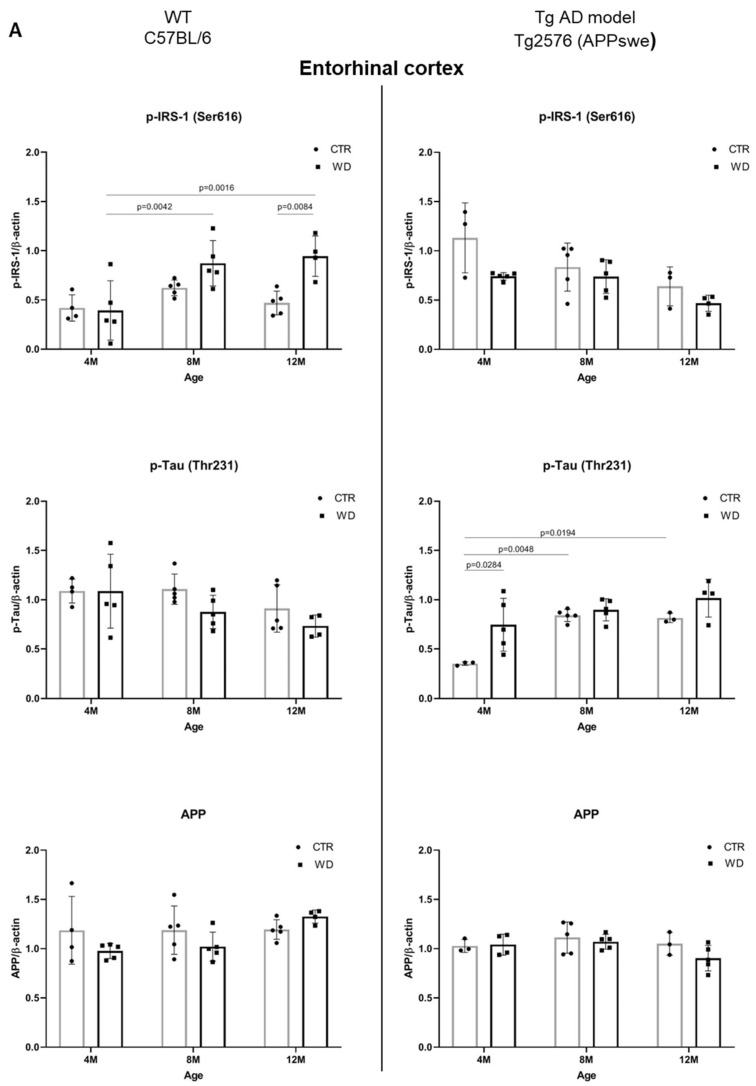
The term Western diet (WD) describes the consumption of large amounts of highly processed foods, rich in simple sugars and saturated fats. Long-term WD feeding leads to insulin resistance, postulated as a risk factor for Alzheimer's disease (AD). AD is the main cause of progressive dementia characterized by the deposition of amyloid-β (Aβ) plaques and neurofibrillary tangles consisting of the hyperphosphorylated tau (p-Tau) protein in the brain, starting from the entorhinal cortex and the hippocampus. In this study, we report that WD-derived impairment in insulin signaling induces tau and Aβ brain pathology in wild-type C57BL/6 mice, and that the entorhinal cortex is more sensitive than the hippocampus to the impairment of brain insulin signaling. In the brain areas developing WD-induced insulin resistance, we observed changes in p-Tau(Thr231) localization in neuronal subcellular compartments, indicating progressive tauopathy, and a decrease in amyloid precursor protein levels correlating with the appearance of Aβ peptides. These results suggest that WD promotes the development of AD and may be considered not only a risk factor, but also a modifiable trigger of AD.
西方饮食(WD)描述了大量食用高度加工食品的行为,这些食品富含简单糖和饱和脂肪。长期 WD 喂养会导致胰岛素抵抗,这被认为是阿尔茨海默病(AD)的一个风险因素。AD 是进行性痴呆的主要原因,其特征是大脑中淀粉样β(Aβ)斑块和由过度磷酸化的 tau(p-Tau)蛋白组成的神经原纤维缠结的沉积,起始于内嗅皮层和海马体。在这项研究中,我们报告 WD 引起的胰岛素信号转导受损会导致野生型 C57BL/6 小鼠的 tau 和 Aβ 脑病理学,并且与海马体相比,内嗅皮层对脑胰岛素信号转导受损更为敏感。在发生 WD 诱导的胰岛素抵抗的脑区中,我们观察到神经元亚细胞区室中 p-Tau(Thr231)定位的变化,表明进行性 tau 病,以及淀粉样前体蛋白水平的降低与 Aβ 肽的出现相关。这些结果表明 WD 促进 AD 的发展,并且不仅可以被视为 AD 的风险因素,还可以被视为可改变的 AD 触发因素。