Department of Biochemistry, Hoshi University School of Pharmacy, 2-4-41, Ebara, Shinagawa-ku, Tokyo 144-8501, Japan.
Department of Microbiology, Hoshi University School of Pharmacy, 2-4-41, Ebara, Shinagawa-ku, Tokyo 144-8501, Japan.
Int J Mol Sci. 2022 May 2;23(9):5055. doi: 10.3390/ijms23095055.
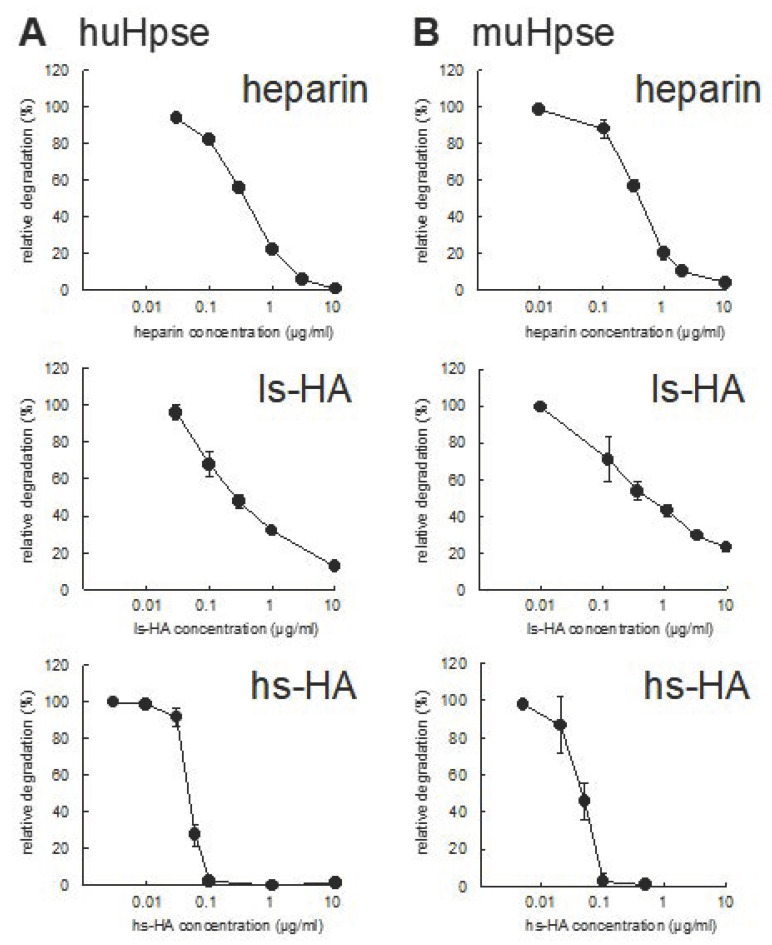
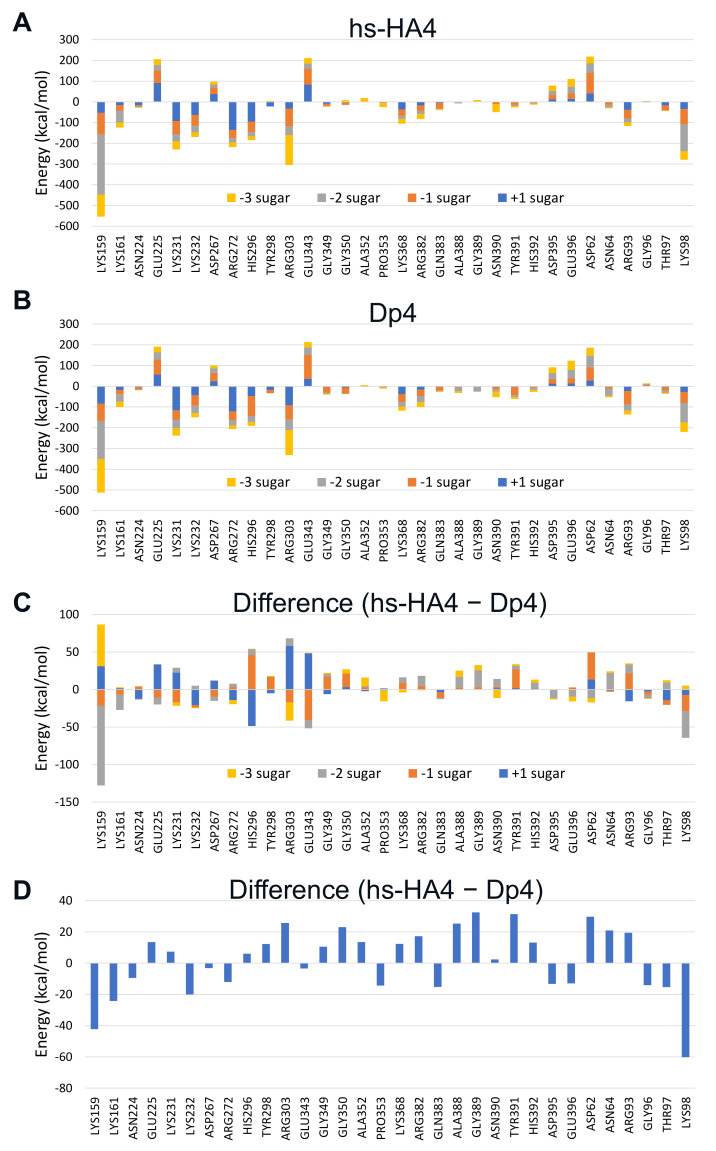
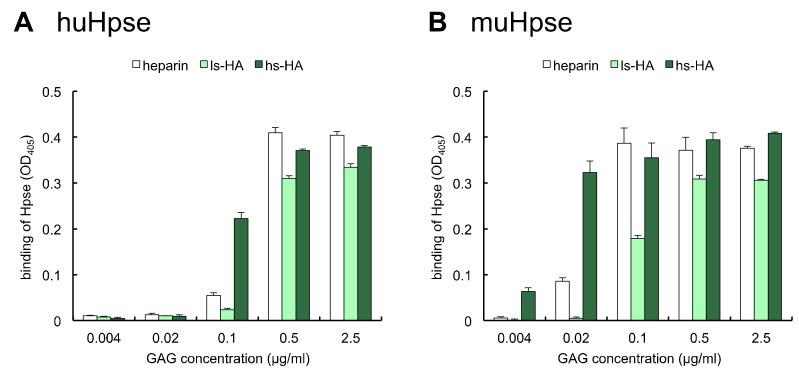
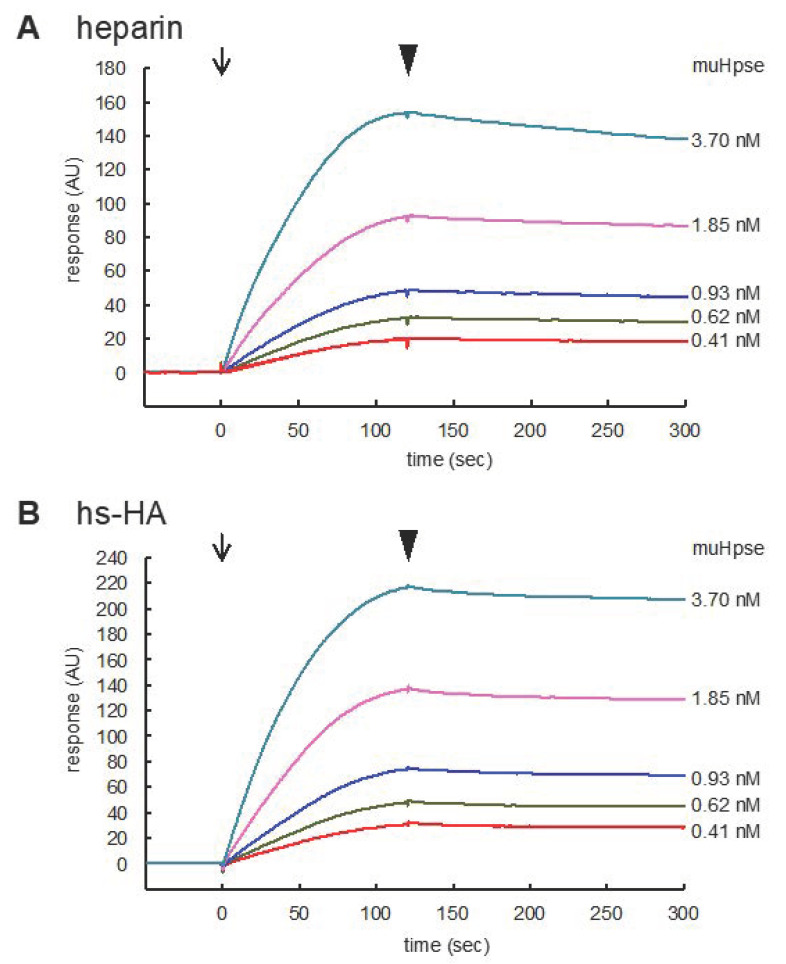
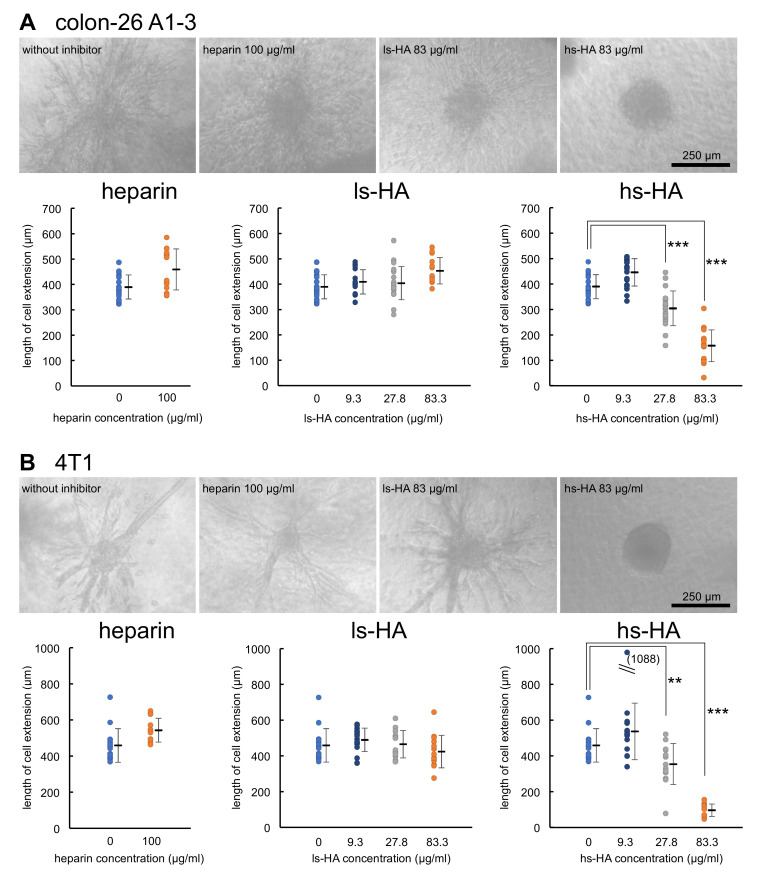
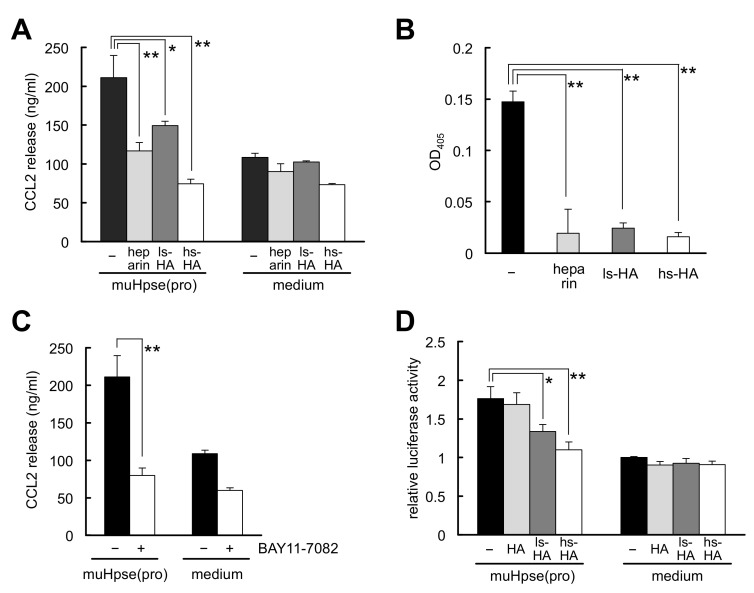
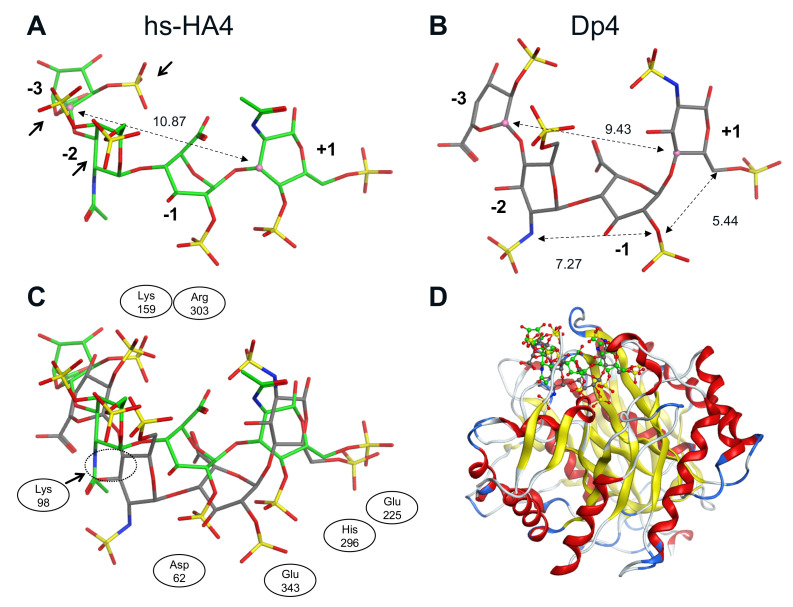
We examined whether sulfated hyaluronan exerts inhibitory effects on enzymatic and biological actions of heparanase, a sole endo-beta-glucuronidase implicated in cancer malignancy and inflammation. Degradation of heparan sulfate by human and mouse heparanase was inhibited by sulfated hyaluronan. In particular, high-sulfated hyaluronan modified with approximately 2.5 sulfate groups per disaccharide unit effectively inhibited the enzymatic activity at a lower concentration than heparin. Human and mouse heparanase bound to immobilized sulfated hyaluronan. Invasion of heparanase-positive colon-26 cells and 4T1 cells under 3D culture conditions was significantly suppressed in the presence of high-sulfated hyaluronan. Heparanase-induced release of CCL2 from colon-26 cells was suppressed in the presence of sulfated hyaluronan via blocking of cell surface binding and subsequent intracellular NF-κB-dependent signaling. The inhibitory effect of sulfated hyaluronan is likely due to competitive binding to the heparanase molecule, which antagonizes the heparanase-substrate interaction. Fragment molecular orbital calculation revealed a strong binding of sulfated hyaluronan tetrasaccharide to the heparanase molecule based on electrostatic interactions, particularly characterized by interactions of (-1)- and (-2)-positioned sulfated sugar residues with basic amino acid residues composing the heparin-binding domain-1 of heparanase. These results propose a relevance for sulfated hyaluronan in the blocking of heparanase-mediated enzymatic and cellular actions.
我们研究了硫酸乙酰肝素是否对肝素酶(一种唯一的内-β-葡糖醛酸酶,与癌症恶性肿瘤和炎症有关)的酶促和生物学作用具有抑制作用。人源和鼠源肝素酶对硫酸乙酰肝素的降解被硫酸乙酰肝素所抑制。特别是,大约每二糖单位有 2.5 个硫酸盐基团修饰的高硫酸化乙酰肝素在较低浓度下就能有效地抑制酶活性,比肝素的抑制效果更好。人源和鼠源肝素酶与固定化硫酸乙酰肝素结合。在 3D 培养条件下,高硫酸化乙酰肝素显著抑制了肝素酶阳性结肠 26 细胞和 4T1 细胞的侵袭。在硫酸乙酰肝素存在的情况下,肝素酶诱导的结肠 26 细胞中 CCL2 的释放通过阻断细胞表面结合和随后的细胞内 NF-κB 依赖性信号而受到抑制。硫酸乙酰肝素的抑制作用可能是由于与肝素酶分子的竞争性结合,从而拮抗了肝素酶-底物的相互作用。片段分子轨道计算显示,硫酸乙酰肝素四糖基于静电相互作用与肝素酶分子具有很强的结合能力,特别是由位于(-1)和(-2)位置的带负电荷的糖残基与构成肝素酶肝素结合域-1 的碱性氨基酸残基之间的相互作用为特征。这些结果表明硫酸乙酰肝素在阻断肝素酶介导的酶促和细胞作用方面具有相关性。