Robinson Research Institute, School of Biomedicine, University of Adelaide, Adelaide 5000, Australia.
School of Biomedical Sciences, University of Queensland, St. Lucia 4072, Australia.
Cells. 2022 May 5;11(9):1563. doi: 10.3390/cells11091563.
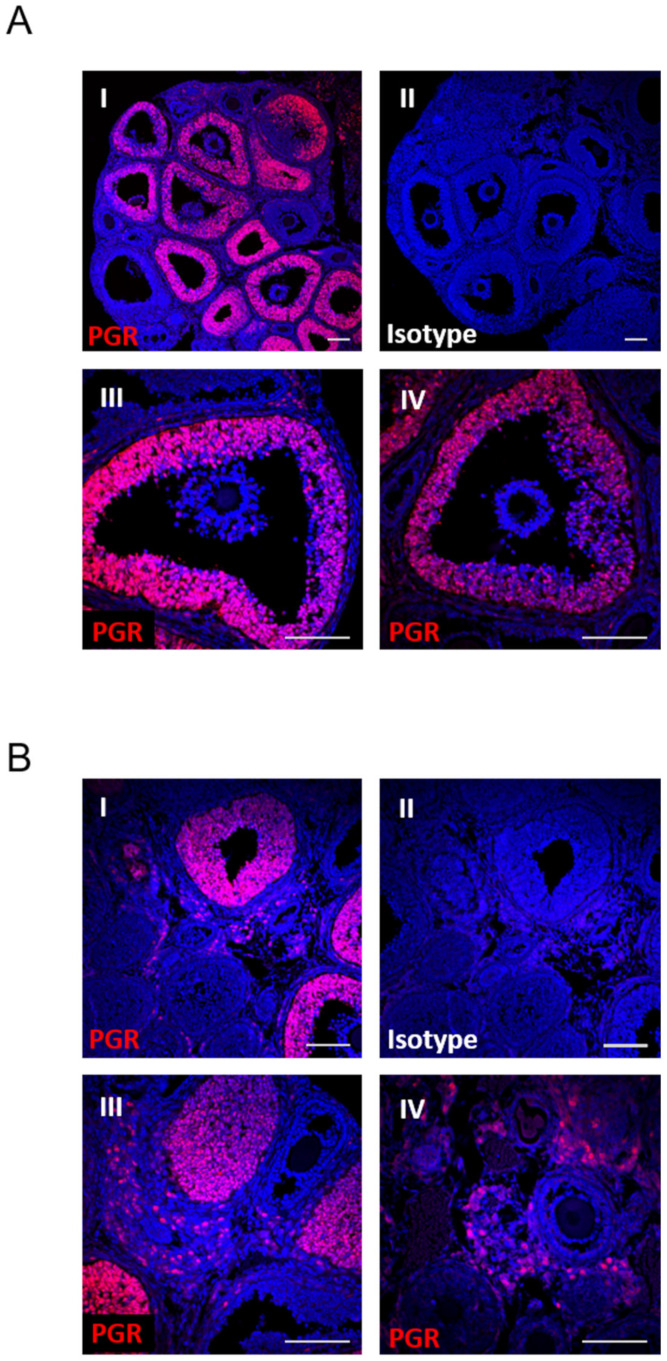
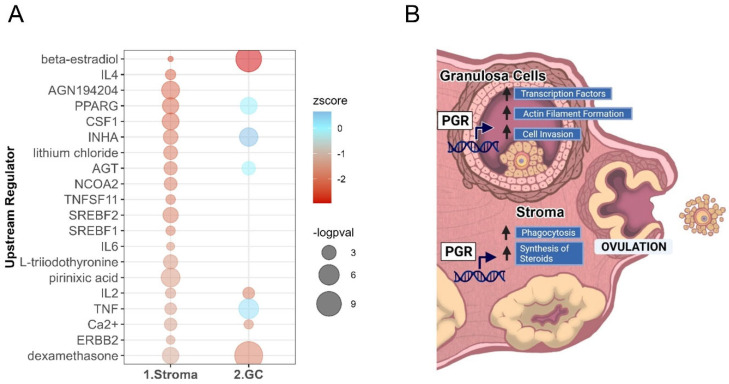
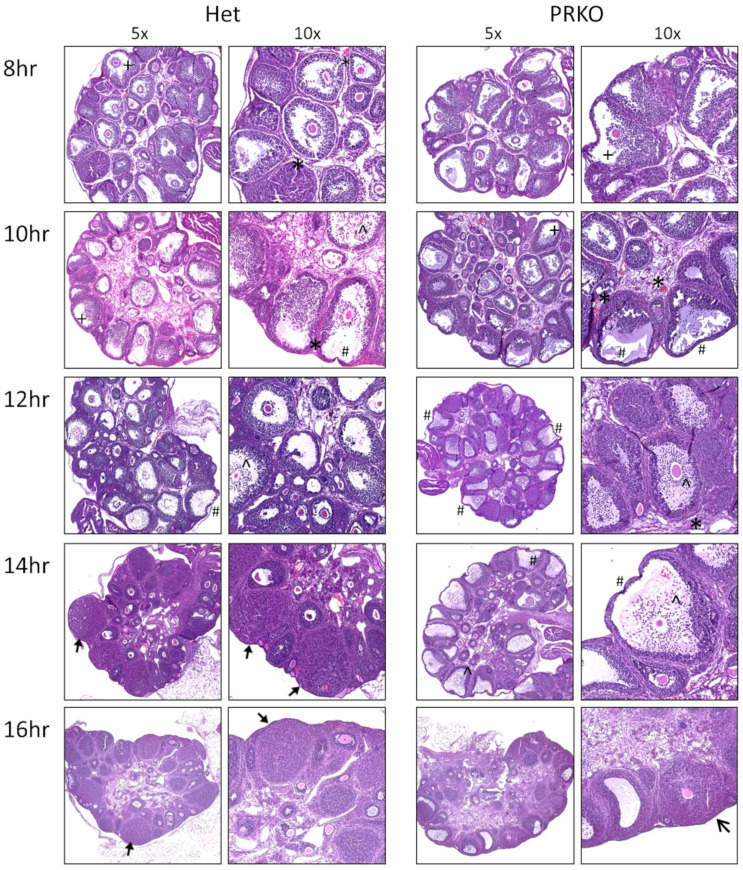
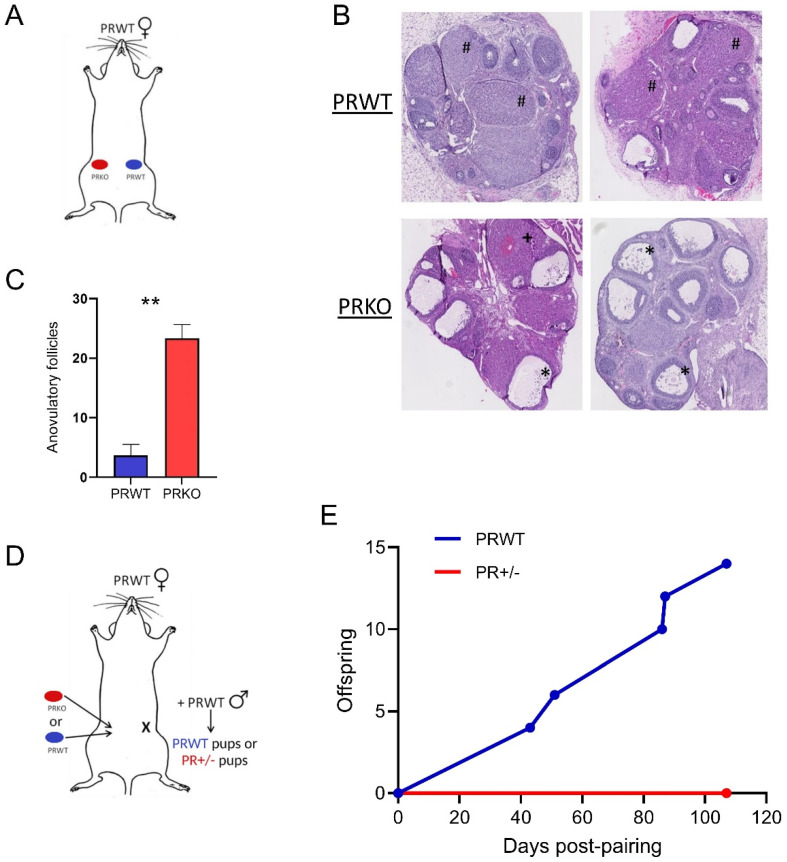
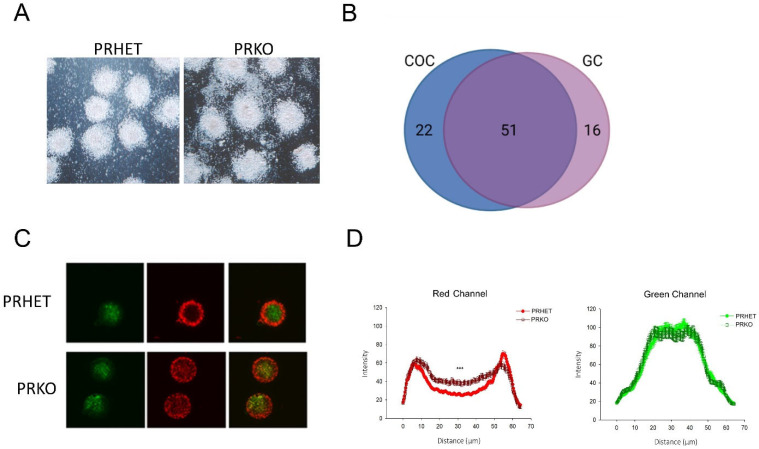
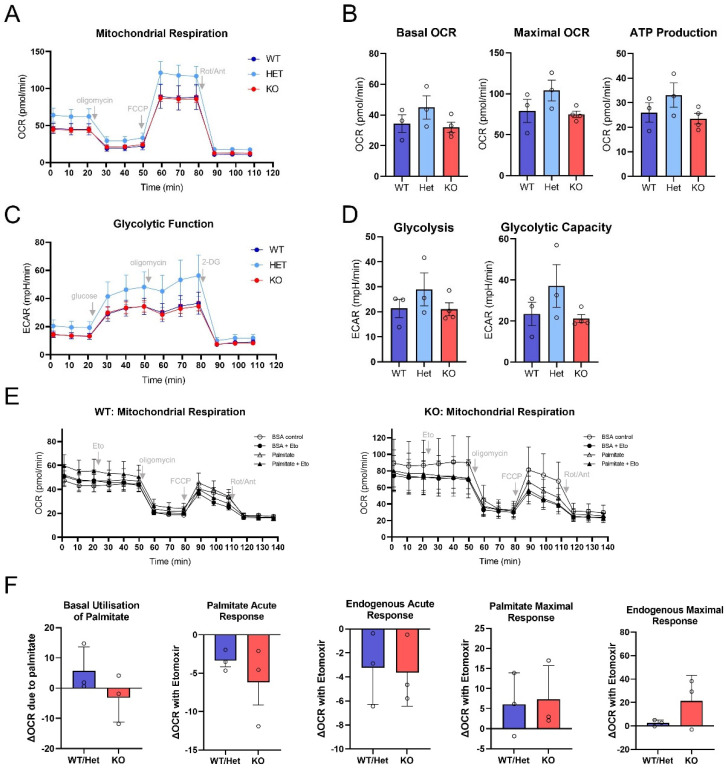
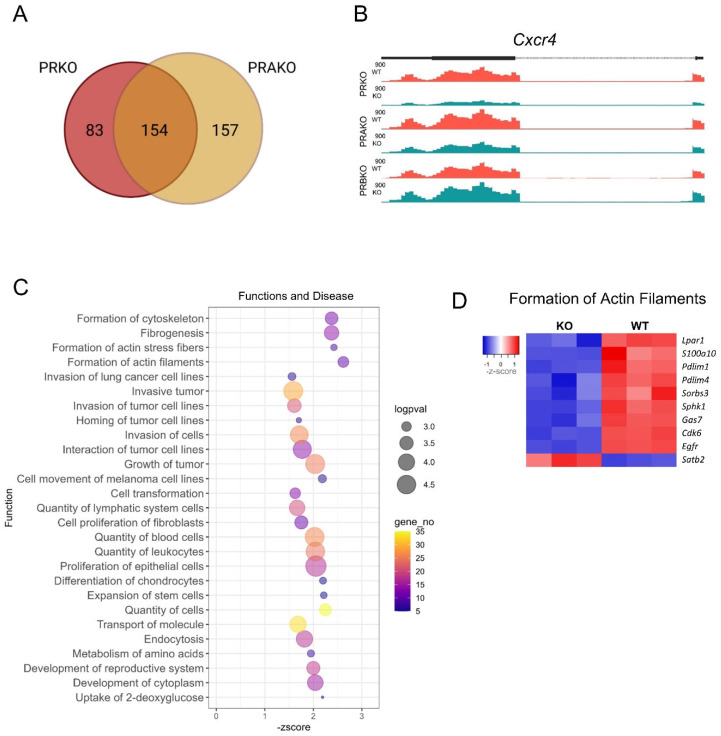
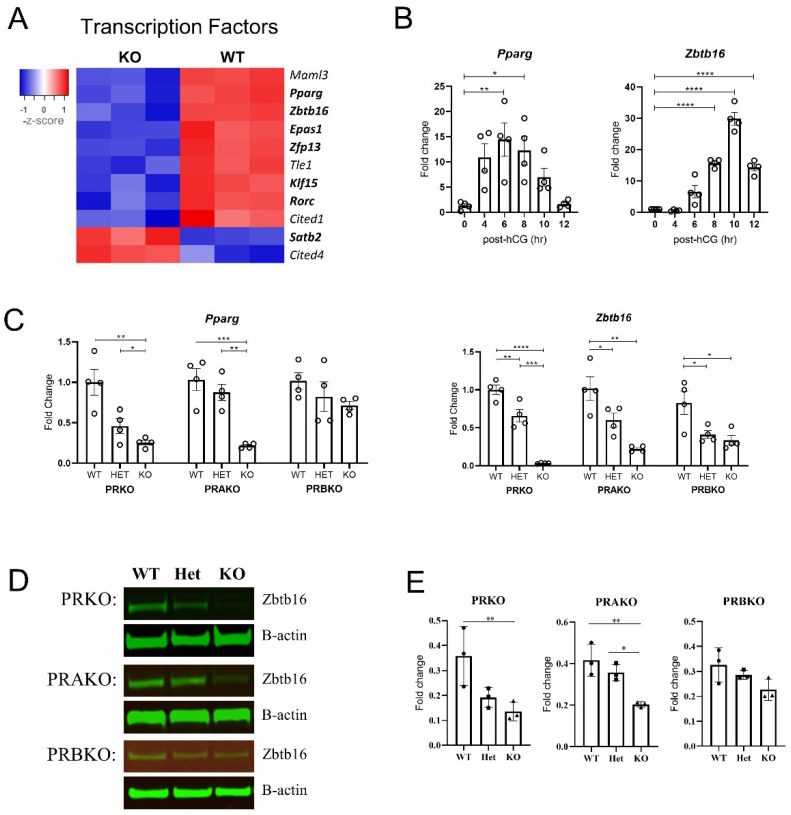
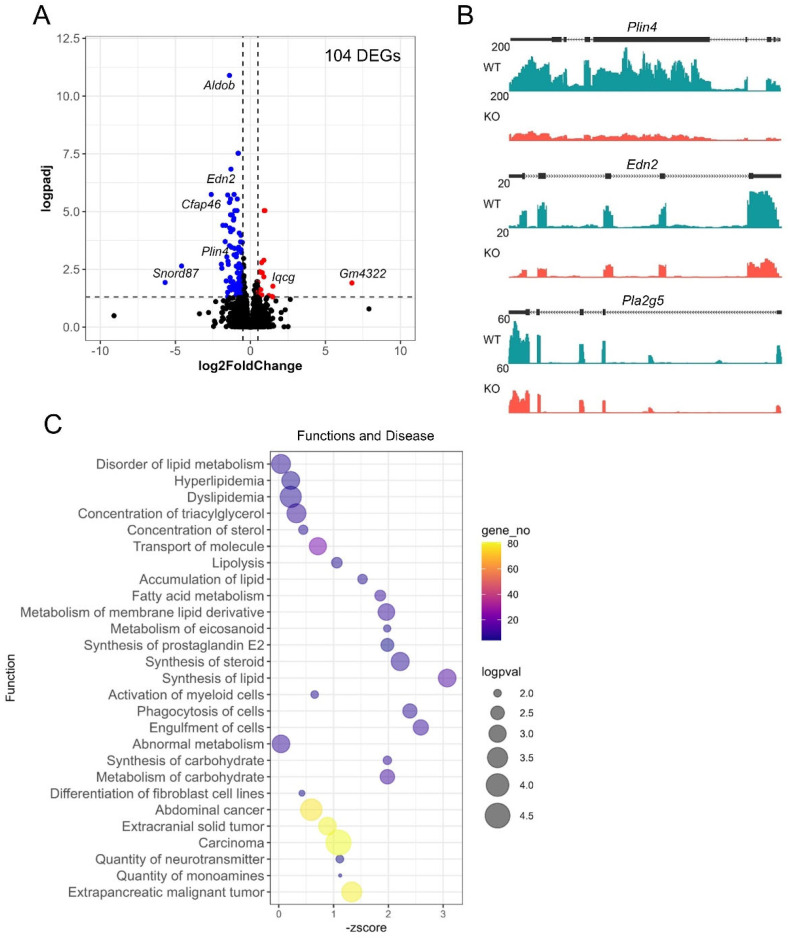
Progesterone receptor (PGR) activity is obligatory for mammalian ovulation; however, there is no established direct functional pathway explaining how progesterone receptor completely and specifically regulates oocyte release. This study examined the overarching cell- and isoform-specific effects of the PGR within each cellular compartment of the ovary, using mice null for the PGR (PRKO), as well as isoform-specific null mice. The PGR was expressed in ovarian granulosa and stromal cells and although PRKO ovaries showed no visible histological changes in preovulatory ovarian morphology, follicle rupture did not occur. Reciprocal ovarian transplant experiments established the necessity of ovarian PGR expression for ovulation. Cumulus-oocyte complexes of PRKO mice exhibited normal morphology but showed some altered gene expression. The examination of mitochondrial activity showed subtle differences in PRKO oocytes but no differences in granulosa cell respiration, glycolysis or β-oxidation. Concurrently, RNA-seq identified novel functional pathways through which the PGR may regulate ovulation. PGR-A was the predominant transcriptionally active isoform in granulosa cells and 154 key PGR-dependent genes were identified, including a secondary network of transcription factors. In addition, the PGR regulated unique gene networks in the ovarian stroma. Collectively, we establish the effector pathways activated by the PGR across the ovarian cell types and conclude that PGR coordinates gene expression in the cumulus, granulosa and stromal cells at ovulation. Identifying these networks linking the PGR to ovulation provides novel targets for fertility therapeutics and nonhormonal contraceptive development.
孕激素受体(PGR)的活性对于哺乳动物排卵是必需的;然而,目前还没有建立明确的直接功能途径来解释孕激素受体如何完全和特异性地调节卵母细胞的释放。本研究使用孕激素受体缺失(PRKO)小鼠以及同工型特异性缺失小鼠,检查了 PGR 在卵巢每个细胞区室中的总体细胞和同工型特异性效应。PGR 在卵巢颗粒细胞和基质细胞中表达,尽管 PRKO 卵巢在促排卵卵巢形态学中没有显示出明显的组织学变化,但卵泡破裂并未发生。卵巢移植的回交实验证实了卵巢 PGR 表达对于排卵的必要性。PRKO 小鼠的卵丘-卵母细胞复合物表现出正常的形态,但表现出一些改变的基因表达。线粒体活性的检查显示 PRKO 卵母细胞中存在细微差异,但颗粒细胞呼吸、糖酵解或β-氧化没有差异。同时,RNA-seq 确定了 PGR 可能调节排卵的新的功能途径。PGR-A 是颗粒细胞中主要转录活性的同工型,确定了 154 个关键的 PGR 依赖性基因,包括一个次要的转录因子网络。此外,PGR 调节了卵巢基质中的独特基因网络。总之,我们确定了 PGR 在卵巢细胞类型中激活的效应途径,并得出结论,PGR 协调卵丘、颗粒细胞和基质细胞中的基因表达在排卵过程中。确定将 PGR 与排卵联系起来的这些网络为生育治疗和非激素避孕发展提供了新的靶点。