Faculty of Chemistry, Adam Mickiewicz University in Poznań, Uniwersytetu Poznańskiego 8, 61-614 Poznań, Poland.
Molecules. 2022 May 3;27(9):2911. doi: 10.3390/molecules27092911.
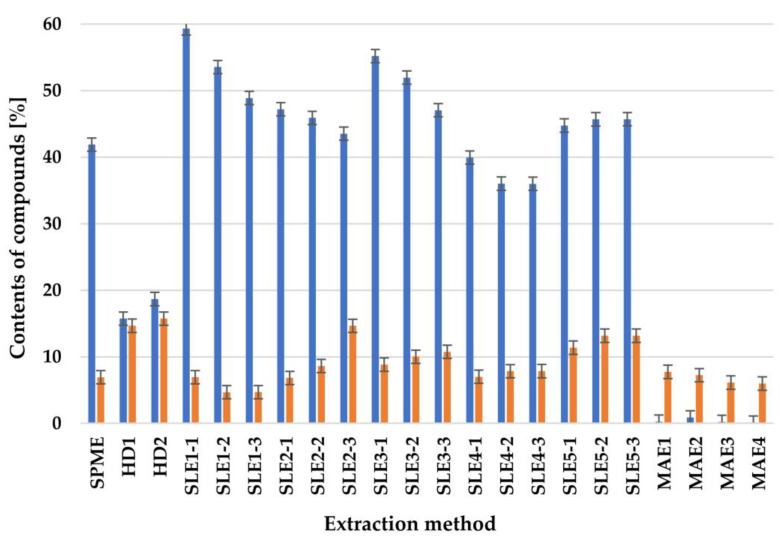
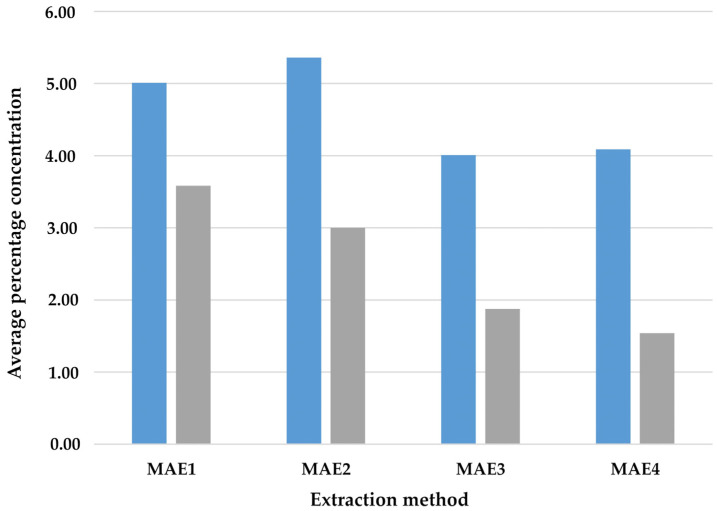
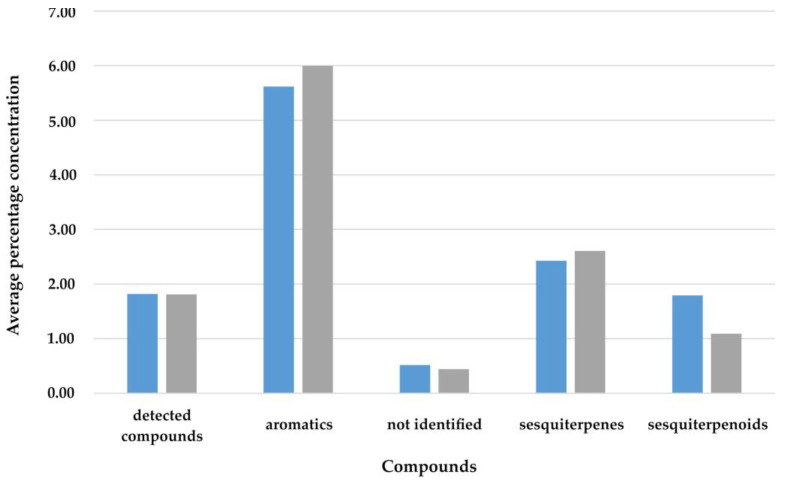
This article focuses on the comparison of four popular techniques for the extraction of volatile organic compounds (VOCs) from liverworts of the species. Since extraction is the most important step in the sample analysis of ingredients present in botanical preparations, their strengths, and weaknesses are discussed. In order to determine the VOCs present in plants, selecting the appropriate one is a key step of the extraction technique. Extraction should ensure the isolation of all components present in the oily bodies of without the formation of any artifacts during treatment. The best extraction method should yield the determined compounds in detectable amounts. Hydrodistillation (HD), applying Deryng apparatus and solid-liquid extraction (SLE), microwave-assisted extraction (MAE), and headspace solid-phase microextraction (HS-SPME) were used for volatile extraction. The extracts obtained were analysed by gas chromatography coupled to mass spectrometry (GC-MS) to determine the compounds.
本文主要比较了从 种地钱中提取挥发性有机化合物 (VOCs) 的四种常用技术。由于提取是植物制剂中存在成分样品分析的最重要步骤,因此讨论了它们的优缺点。为了确定植物中存在的 VOCs,选择合适的提取技术是关键步骤。提取应确保在处理过程中不形成任何伪影的情况下,分离存在于油性体中的所有成分。最佳提取方法应能以可检测量获得所确定的化合物。水蒸气蒸馏 (HD)、Deryng 装置和固液萃取 (SLE)、微波辅助萃取 (MAE) 和顶空固相微萃取 (HS-SPME) 均用于挥发性提取。通过气相色谱-质谱联用 (GC-MS) 对获得的提取物进行分析,以确定化合物。