Buchholz Noor, Budia Alberto, Cruz Julia de la, Kram Wolfgang, Humphreys Owen, Reches Meital, Valero Boix Raquel, Soria Federico
U-Merge Scientific Office, U-Merge Ltd. (London-Athens-Dubai), Menandrou Street, 14561 Athens, Greece.
Department of Urology, "La Fe" Polytechnic University Hospital, Avinguda de Fernando Abril Martorell, 106, 46026 Valencia, Spain.
Polymers (Basel). 2022 Apr 19;14(9):1641. doi: 10.3390/polym14091641.
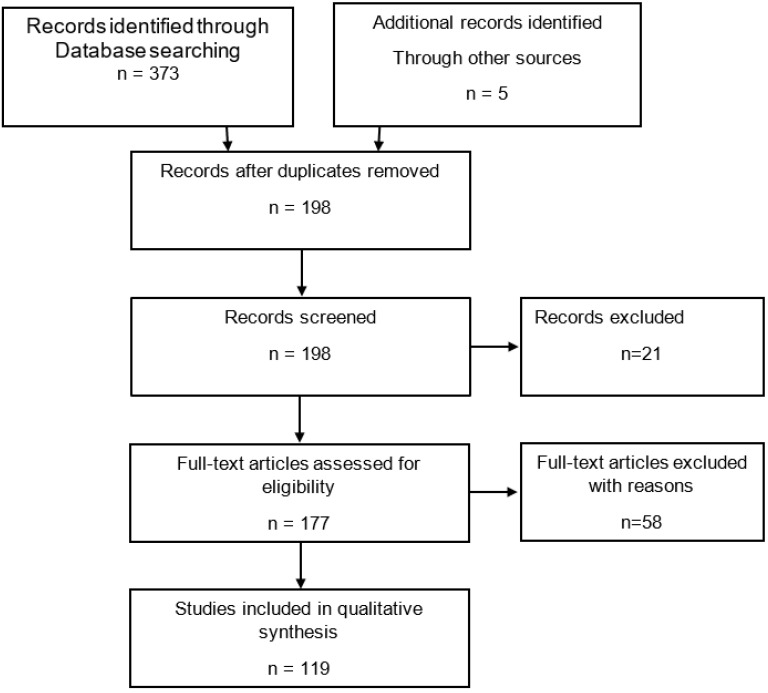
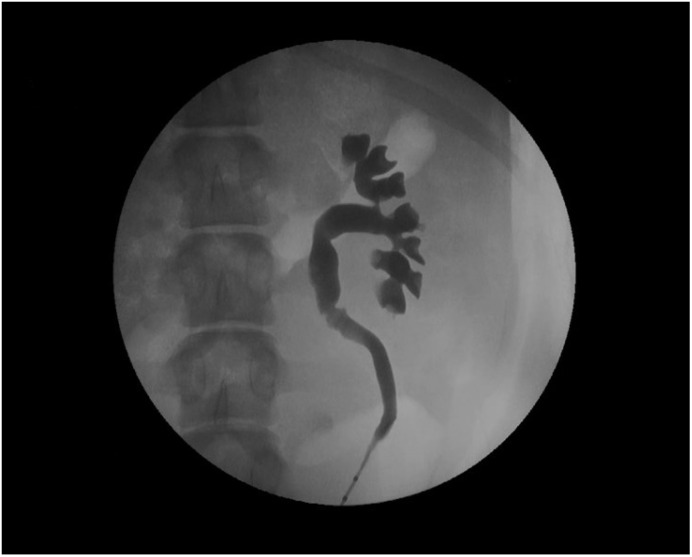
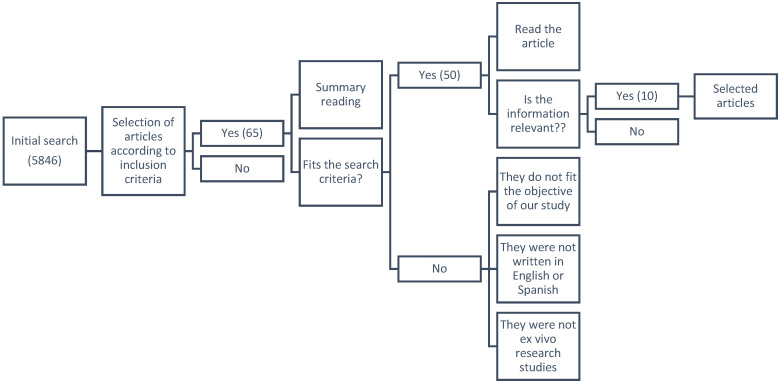
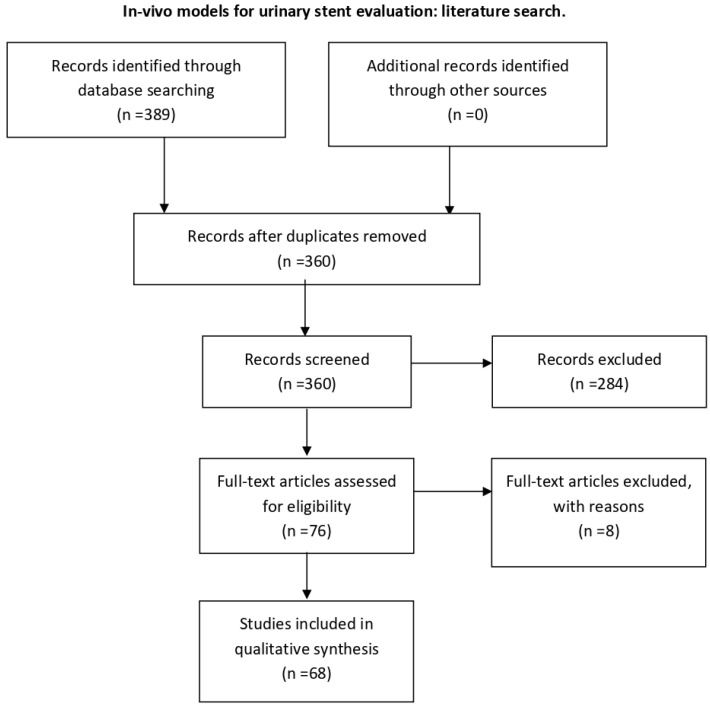
: When trying to modify urinary stents, certain pre-clinical steps have to be followed before clinical evaluation in humans. Usually, the process starts as an in silico assessment. The urinary tract is a highly complex, dynamic and variable environment, which makes a computer simulation closely reflecting physiological conditions extremely challenging. Therefore, the pre-clinical evaluation needs to go through further steps of in vitro, ex vivo and in vivo assessments. : Within the European Network of Multidisciplinary Research to Improve Urinary Stents (ENIUS), the authors summarized and evaluated stent assessment models in silico, in vitro, ex vivo and in vivo. The topic and relevant sub-topics were researched in a systematic literature search in Embase, Scope, Web of Science and PubMed. Clinicaltrials.gov was consulted for ongoing trials. Articles were selected systematically according to guidelines with non-relevant, non-complete, and non-English or Spanish language articles excluded. : In the first part of this paper, we critically evaluate in vitro stent assessment models used over the last five decades, outlining briefly their strengths and weaknesses. In the second part, we provide a step-by-step guide on what to consider when setting up an ex vivo model for stent evaluation on the example of a biodegradable stent. Lastly, the third part lists and discusses the pros and cons of available animal models for urinary stent evaluation, this being the final step before human trials. : We hope that this overview can provide a practical guide and a critical discussion of the experimental pre-clinical evaluation steps needed, which will help interested readers in choosing the right methodology from the start of a stent evaluation process once an in silico assessment has been completed. Only a transparent multidisciplinary approach using the correct methodology will lead to a successful clinical implementation of any new or modified stent.
在尝试对输尿管支架进行改良时,在对人体进行临床评估之前必须遵循某些临床前步骤。通常,该过程始于计算机模拟评估。尿路是一个高度复杂、动态且多变的环境,这使得计算机模拟紧密反映生理状况极具挑战性。因此,临床前评估需要经过进一步的体外、离体和体内评估步骤。
在欧洲改善输尿管支架多学科研究网络(ENIUS)中,作者总结并评估了计算机模拟、体外、离体和体内的支架评估模型。通过在Embase、Scope、科学网和PubMed中进行系统的文献检索来研究该主题及相关子主题。查阅Clinicaltrials.gov以获取正在进行的试验。根据指南系统地选择文章,排除不相关、不完整以及非英文或西班牙文的文章。
在本文的第一部分,我们批判性地评估了过去五十年来使用的体外支架评估模型,简要概述了它们的优缺点。在第二部分,我们以一种可生物降解支架为例,提供了关于建立用于支架评估的离体模型时应考虑因素的分步指南。最后,第三部分列出并讨论了用于输尿管支架评估的现有动物模型的优缺点,这是人体试验前的最后一步。
我们希望本综述能够提供一份实用指南,并对所需的临床前实验评估步骤进行批判性讨论,这将有助于感兴趣的读者在完成计算机模拟评估后从支架评估过程一开始就选择正确的方法。只有采用正确方法的透明多学科方法才能使任何新的或改良的支架成功实现临床应用。