Greenwood Genetic Center, 106 Gregor Mendel Circle, Greenwood, SC, 29649, USA.
Gillette Children's Hospital, St. Paul, MN, USA.
J Neurodev Disord. 2022 May 14;14(1):31. doi: 10.1186/s11689-022-09432-2.
Rett syndrome (RTT) is a neurodevelopmental disorder most often related to a pathogenic variant in the X-linked MECP2 gene. Internalizing behaviors appear to be common, but standard methods of diagnosing anxiety are not readily applied in this population which typically has cognitive impairment and limited expressive language. This study aims to describe the frequency of anxiety-like behavior and anxiolytic treatments along with associated clinical features in individuals with RTT.
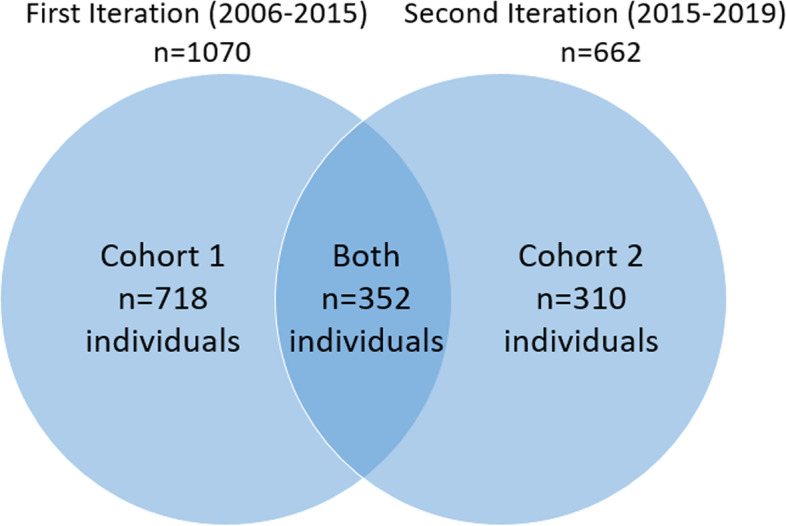
Parental reports and medication logs provided data from 1380 females with RTT participating in two iterations of the multicenter U.S. RTT Natural History Study (RNHS) from 2006 to 2019.
Most participants with RTT (77.5%) had at least occasional anxious or nervous behavior. Anxiety was reported to be the most troublesome concern for 2.6%, and within the top 3 concerns for 10.0%, of participants in the second iteration. Parents directly reported treatment for anxious or nervous behavior in 16.6% of participants in the second iteration with most reporting good control of the behavior (71.6%). In the medication logs of both RNHS iterations, the indication of anxiety was listed for a similar number of participants (15% and 14.5%, respectively). Increased use of anxiolytics and selective serotonin reuptake inhibitors (SSRIs) was related to more frequent anxiety-like behaviors (P < 0.001), older age (P < 0.001), and mild MECP2 variants (P = 0.002).
Anxiety-like behavior is frequent at all ages and is a significant parental concern in RTT. Older individuals and those with mild MECP2 variants are more likely to be treated with medications. Better diagnosis and treatment of anxiety in RTT should be a goal of both future studies and clinical care.
NCT00299312 and NCT02738281.
雷特综合征(RTT)是一种神经发育障碍,最常与 X 连锁 MECP2 基因的致病性变异有关。内在行为似乎很常见,但在这个通常有认知障碍和有限表达语言的人群中,标准的焦虑症诊断方法并不适用。本研究旨在描述 RTT 个体中焦虑样行为和抗焦虑治疗的频率以及相关的临床特征。
来自 2006 年至 2019 年参加美国 RTT 自然史研究(RNHS)两次迭代的 1380 名女性患者的家长报告和药物记录提供了数据。
大多数 RTT 患者(77.5%)有过至少偶尔出现焦虑或紧张行为。在第二次迭代中,2.6%的患者报告焦虑是最麻烦的问题,10.0%的患者报告焦虑是前 3 大问题之一。在第二次迭代中,16.6%的参与者的家长直接报告了针对焦虑或紧张行为的治疗,大多数人报告说行为得到了很好的控制(71.6%)。在两次 RNHS 迭代的药物记录中,列出焦虑症的患者数量相似(分别为 15%和 14.5%)。更频繁的焦虑样行为与更频繁使用抗焦虑药和选择性 5-羟色胺再摄取抑制剂(SSRIs)相关(P < 0.001),年龄较大(P < 0.001)和轻度 MECP2 变异(P = 0.002)。
所有年龄段的 RTT 患者都经常出现焦虑样行为,并且是家长关注的重要问题。年龄较大的患者和 MECP2 变异较轻的患者更有可能接受药物治疗。更好地诊断和治疗 RTT 中的焦虑症应该是未来研究和临床护理的目标。
NCT00299312 和 NCT02738281。