Genetic Alliance UK, Creative Works, Blackhorse Lane, London, E17 6DS, UK.
BMC Health Serv Res. 2022 May 14;22(1):648. doi: 10.1186/s12913-022-08060-9.
Rare disease patients and carers report significant impacts on mental health but studies on UK populations have focussed on relatively few, specific conditions. Collectively rare conditions represent a substantial health burden, with an estimated 3.5 million affected individuals in the UK.
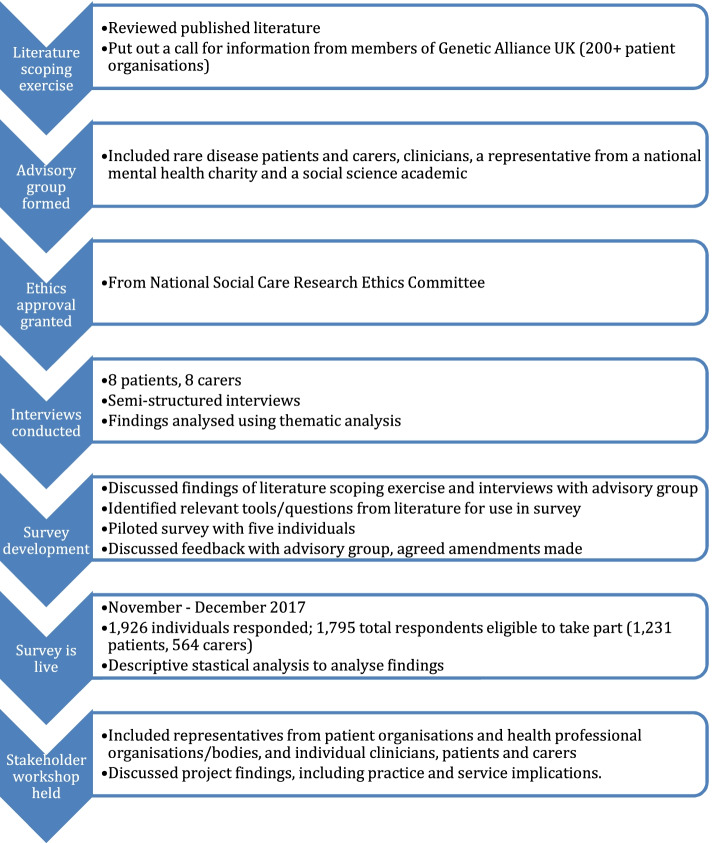
We explored the impact on mental health of living with a rare condition, and experiences of health service support, through an online survey. The survey assessed the impact of specific experiences commonly reported by those affected by a rare condition through multiple choice questions and Likert scale items, and open text question boxes. Through a multi-stakeholder workshop that involved facilitated discussion of our findings with patients/carers, clinicians and a government advisor, we developed recommendations for policy and practice toward a more person-centred and integrated approach.
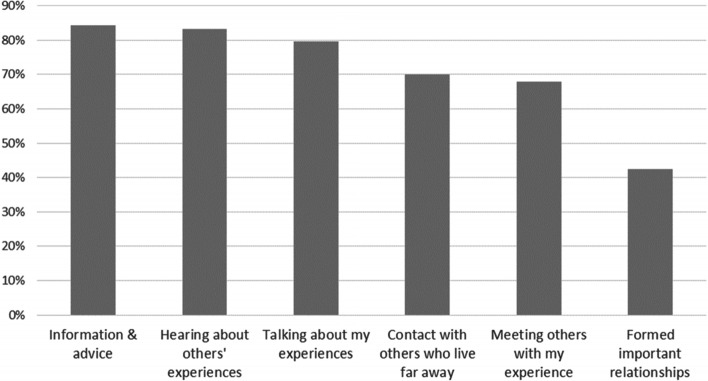
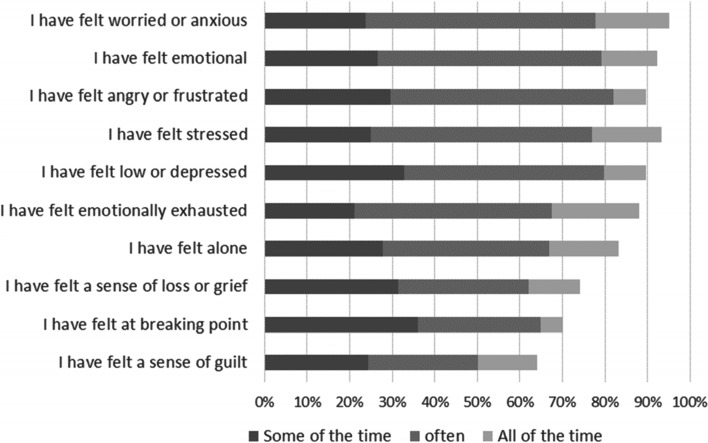
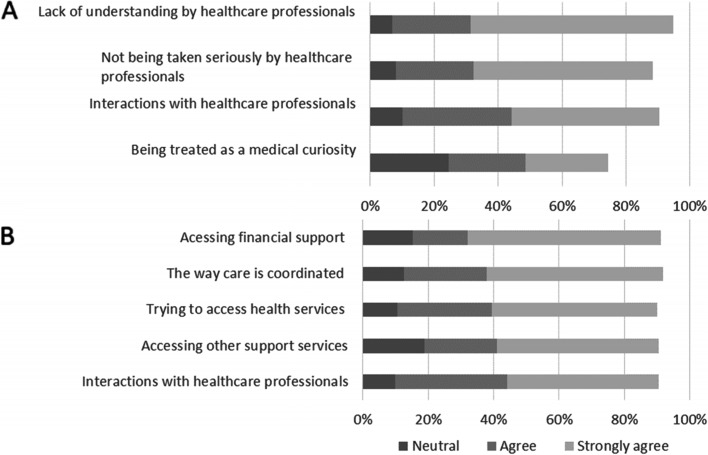
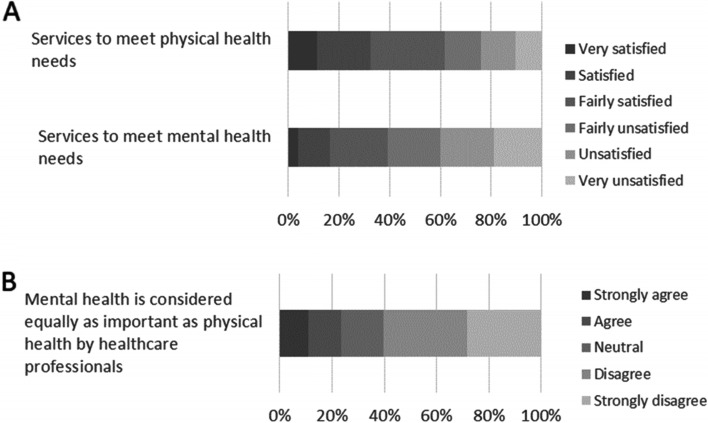
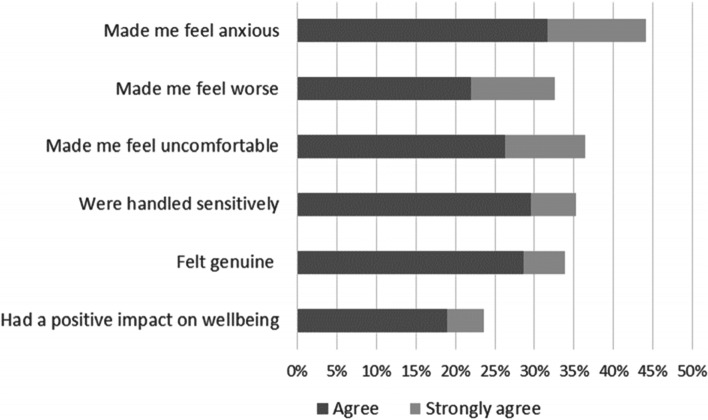
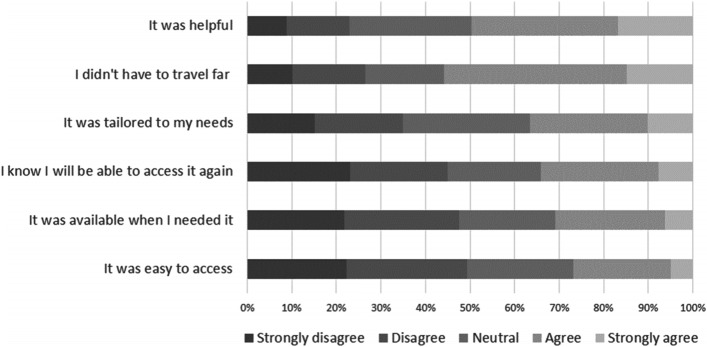
Eligible responses came from 1231 patients and 564 carers. Due to their rare condition, the majority of respondents (> 90%) had felt worried/anxious; stressed; and /or low/depressed. Thirty-six percent of patients and 19% of carers had had suicidal thoughts. Challenges that are particular to rare conditions and which negatively affect mental health included limited knowledge of the condition amongst healthcare professionals (88%), and not being believed or taken seriously by them. Only 23% of respondents felt healthcare professionals considered mental and physical health as equally important. Almost half reported never having been asked about mental health by healthcare professionals. Our findings indicate that access to, and appropriateness of, professional psychological support needs to be improved. Peer group support is important but signposting is inadequate. Our recommendations are for healthcare professionals to be supported to effectively and sensitively recognise and address patients' and carers' mental health needs; and for service level coordination of care to integrate professional psychological support with rare disease services.
Living with a rare disease substantially impacts mental health. Many of the drivers of poor mental health reflect issues specific to managing rare conditions. To meet UK government commitments, there should be a focus on empowering healthcare professionals who treat rare disease patients and on integration of mental health support with rare disease services.
罕见病患者及其照护者报告称,他们的心理健康受到了重大影响,但英国的研究主要集中在少数特定疾病上。罕见病总体上给英国带来了巨大的健康负担,据估计,英国有 350 万患者。
我们通过在线调查探讨了患有罕见病对心理健康的影响,以及对卫生服务支持的体验。该调查通过多项选择问题和李克特量表项目以及开放文本问题框评估了受罕见病影响的患者通常报告的特定经历对心理健康的影响。通过一个多利益相关者研讨会,该研讨会涉及让患者/照护者、临床医生和政府顾问共同讨论我们的研究结果,我们为政策和实践制定了建议,以实现更加以人为本和综合的方法。
符合条件的回应来自 1231 名患者和 564 名照护者。由于他们的罕见病,大多数受访者(>90%)感到焦虑/焦虑;紧张;和/或低/沮丧。36%的患者和 19%的照护者有过自杀念头。影响心理健康的罕见病特有挑战包括医疗保健专业人员对病情的了解有限(88%),并且他们不被信任或不被认真对待。只有 23%的受访者认为医疗保健专业人员同样重视身心健康。近一半的人报告说,他们从未被医疗保健专业人员询问过心理健康问题。我们的研究结果表明,需要改善专业心理支持的获取和适当性。同伴群体支持很重要,但转介不足。我们的建议是支持医疗保健专业人员有效地、敏感地识别和解决患者和照护者的心理健康需求;并协调服务水平,将专业心理支持与罕见病服务相结合。
患有罕见病会严重影响心理健康。许多心理健康状况不佳的原因反映了管理罕见病的具体问题。为了实现英国政府的承诺,应该关注授权治疗罕见病患者的医疗保健专业人员,并将心理健康支持与罕见病服务相结合。