Werny Maximilian J, Zarupski Jelena, Ten Have Iris C, Piovano Alessandro, Hendriksen Coen, Friederichs Nicolaas H, Meirer Florian, Groppo Elena, Weckhuysen Bert M
Inorganic Chemistry and Catalysis group, Debye Institute for Nanomaterials Science, Utrecht University, Universiteitsweg 99, 3584 CG Utrecht, The Netherlands.
Dutch Polymer Institute (DPI), P.O. Box 902, 5600 AX Eindhoven, The Netherlands.
JACS Au. 2021 Oct 8;1(11):1996-2008. doi: 10.1021/jacsau.1c00324. eCollection 2021 Nov 22.
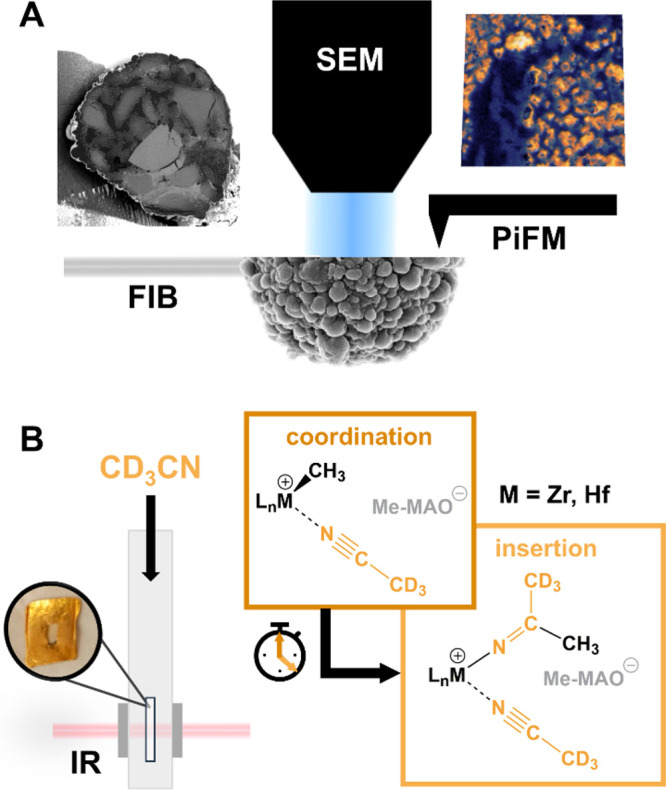
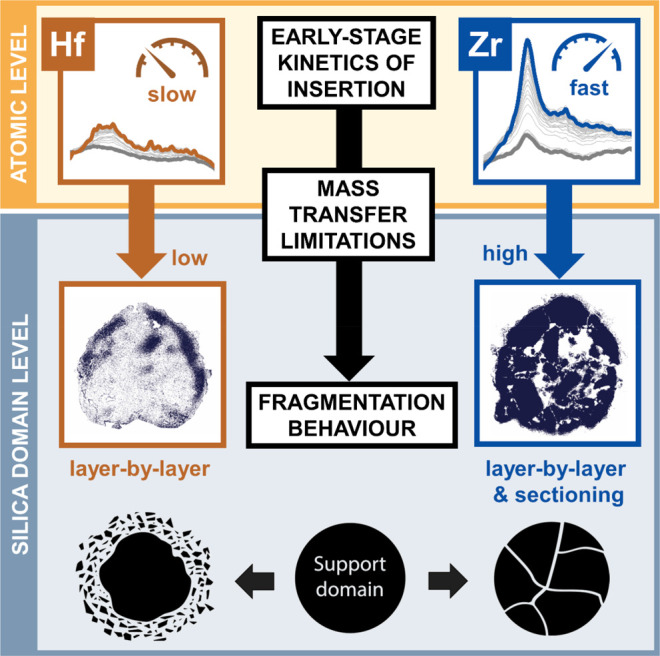
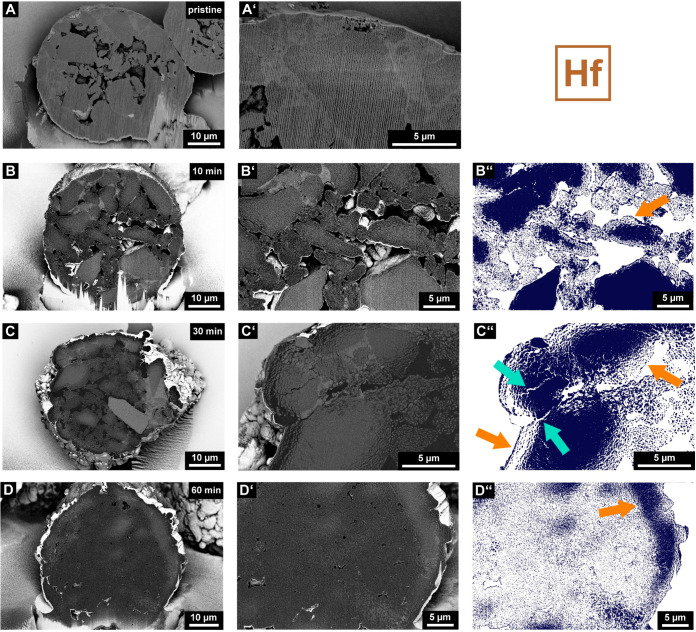
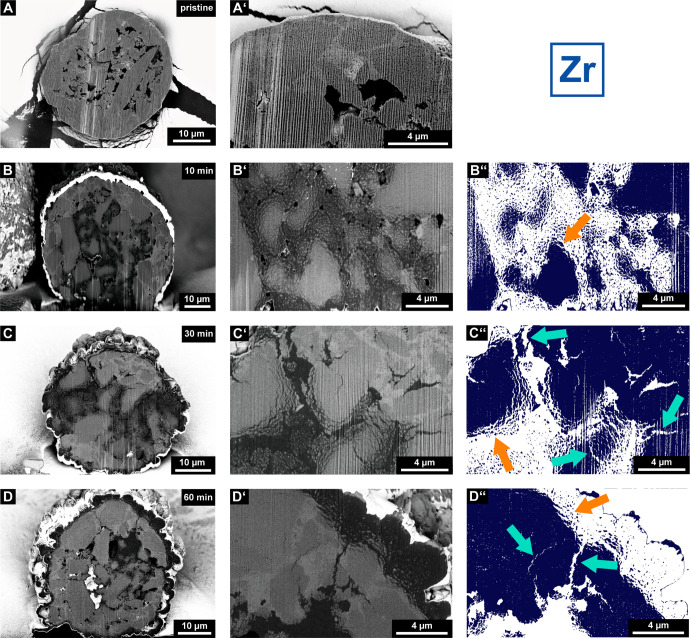
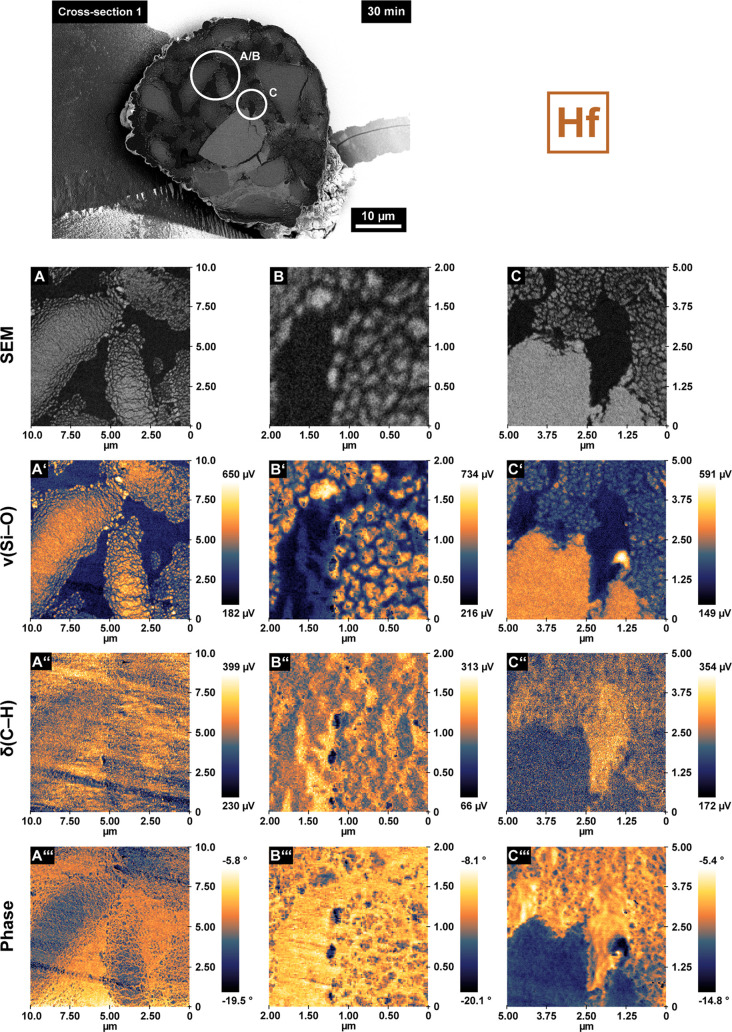
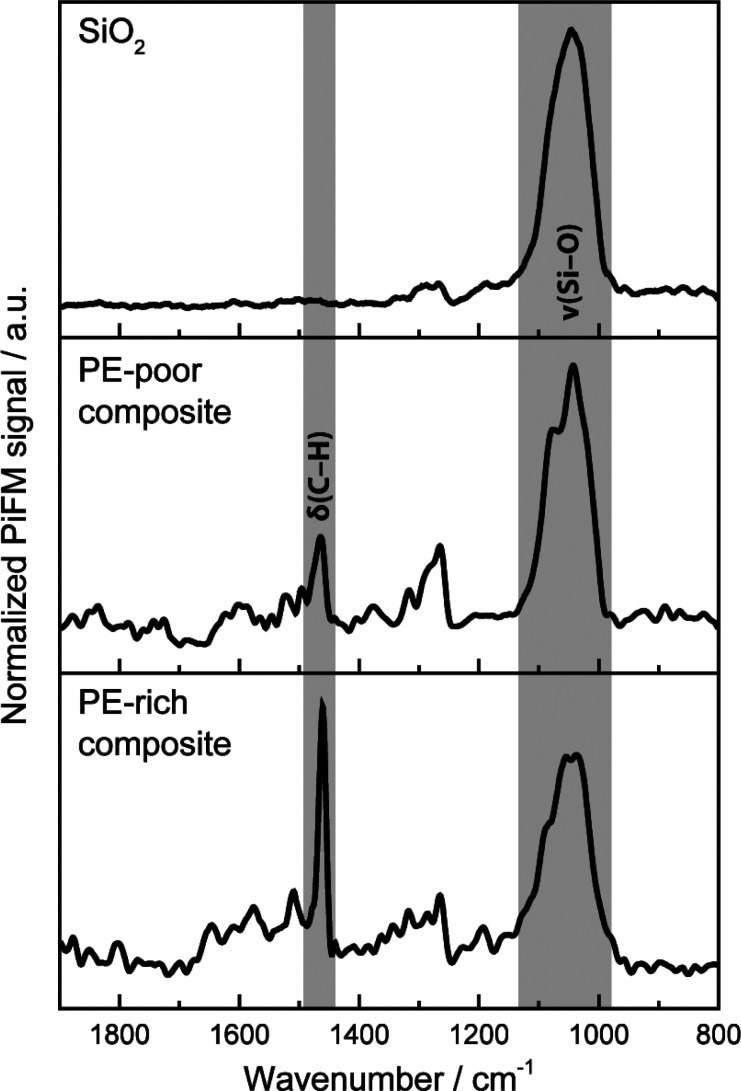
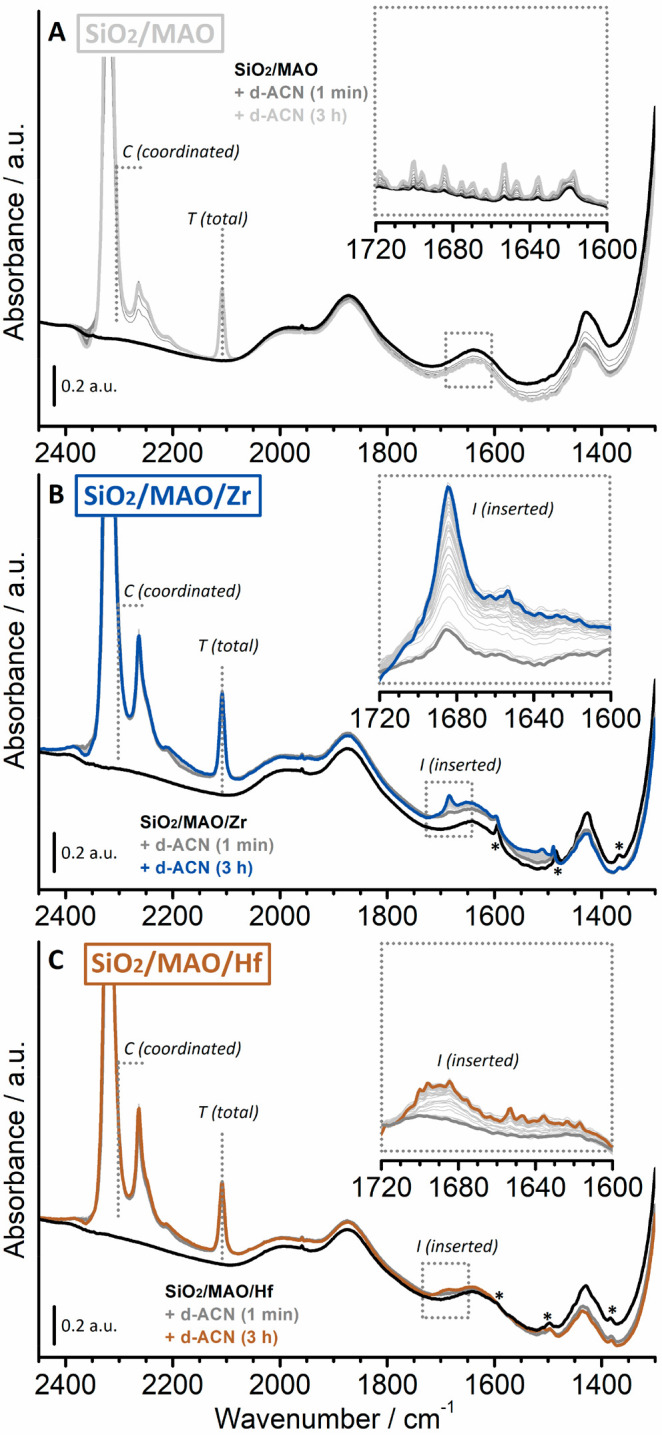
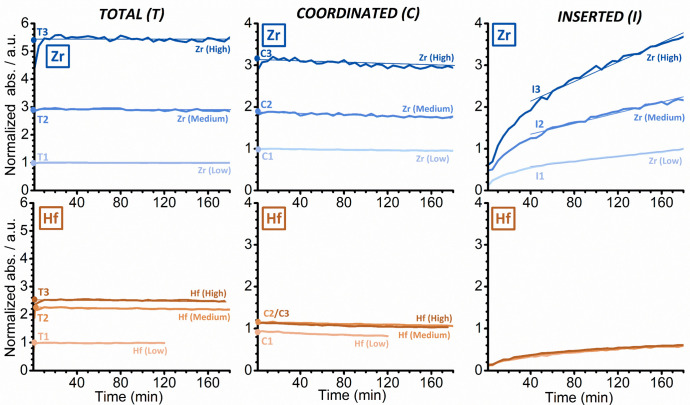
Kinetics-based differences in the early stage fragmentation of two structurally analogous silica-supported hafnocene- and zirconocene-based catalysts were observed during gas-phase ethylene polymerization at low pressures. A combination of focused ion beam-scanning electron microscopy (FIB-SEM) and nanoscale infrared photoinduced force microscopy (IR PiFM) revealed notable differences in the distribution of the support, polymer, and composite phases between the two catalyst materials. By means of time-resolved probe molecule infrared spectroscopy, correlations between this divergence in morphology and the kinetic behavior of the catalysts' active sites were established. The rate of polymer formation, a property that is inherently related to a catalyst's kinetics and the applied reaction conditions, ultimately governs mass transfer and thus the degree of homogeneity achieved during support fragmentation. In the absence of strong mass transfer limitations, a layer-by-layer mechanism dominates at the level of the individual catalyst support domains under the given experimental conditions.
在低压气相乙烯聚合过程中,观察到两种结构类似的二氧化硅负载的基于铪茂和锆茂的催化剂在早期碎片化过程中基于动力学的差异。聚焦离子束扫描电子显微镜(FIB-SEM)和纳米级红外光致力显微镜(IR PiFM)相结合,揭示了两种催化剂材料在载体、聚合物和复合相分布上的显著差异。通过时间分辨探针分子红外光谱,建立了这种形态差异与催化剂活性位点动力学行为之间的相关性。聚合物形成速率这一本质上与催化剂动力学和所应用的反应条件相关的性质,最终控制传质,从而控制载体碎片化过程中实现的均匀程度。在没有强烈传质限制的情况下,在给定实验条件下,单个催化剂载体域水平上逐层机制占主导。