Department of Occupational and Environmental Health, Wuhan University, Wuhan, Hubei, People's Republic of China.
Department of Physical Examination, Wuhan Hospital for the Prevention and Treatment of Occupational Diseases, Wuhan, Hubei, People's Republic of China.
J Immunother Cancer. 2022 May;10(5). doi: 10.1136/jitc-2021-004113.
Non-coding RNAs (ncRNAs), including small nucleolar RNAs (snoRNAs), are widely involved in the physiological and pathological processes of human beings. While up to date, although considerable progress has been achieved in ncRNA-related pathogenesis of non-small cell lung cancer (NSCLC), the underlying mechanisms and biological significance of snoRNAs in NSCLC still need to be further clarified.
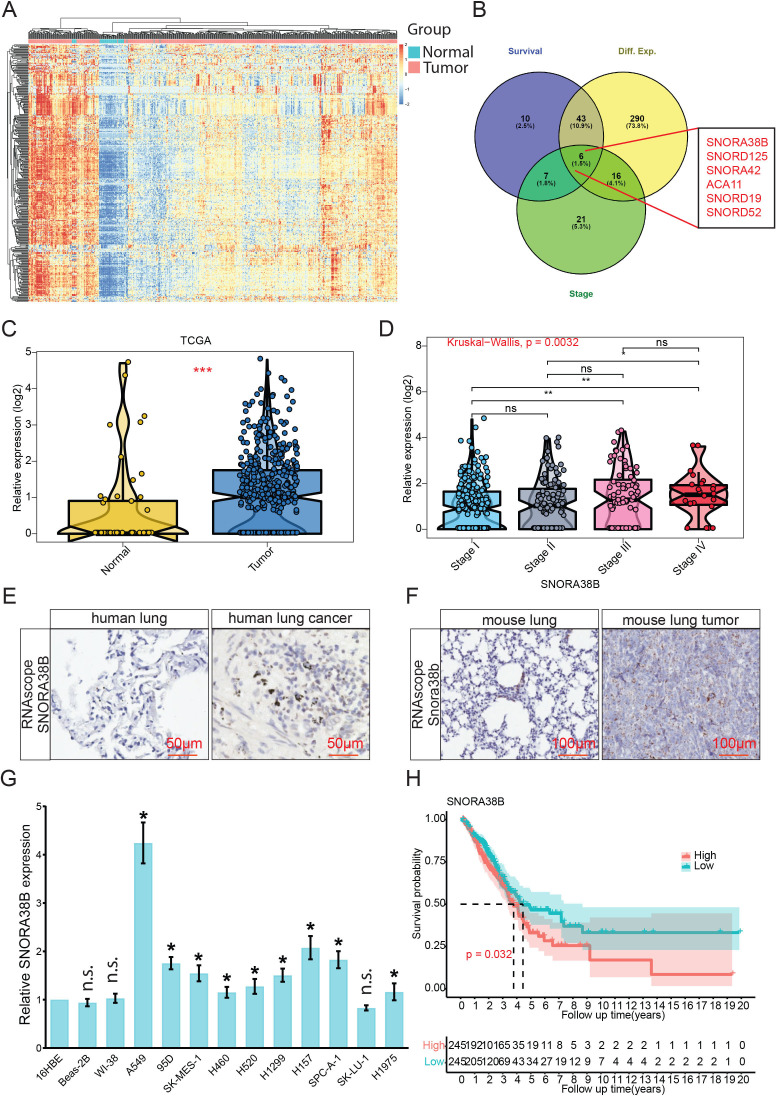
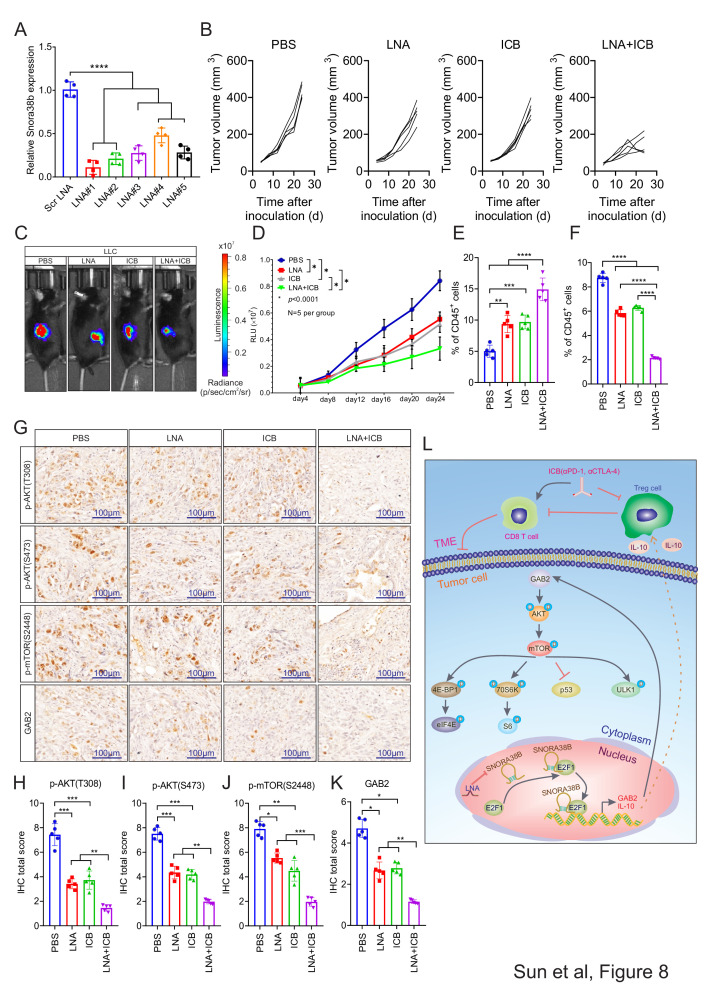
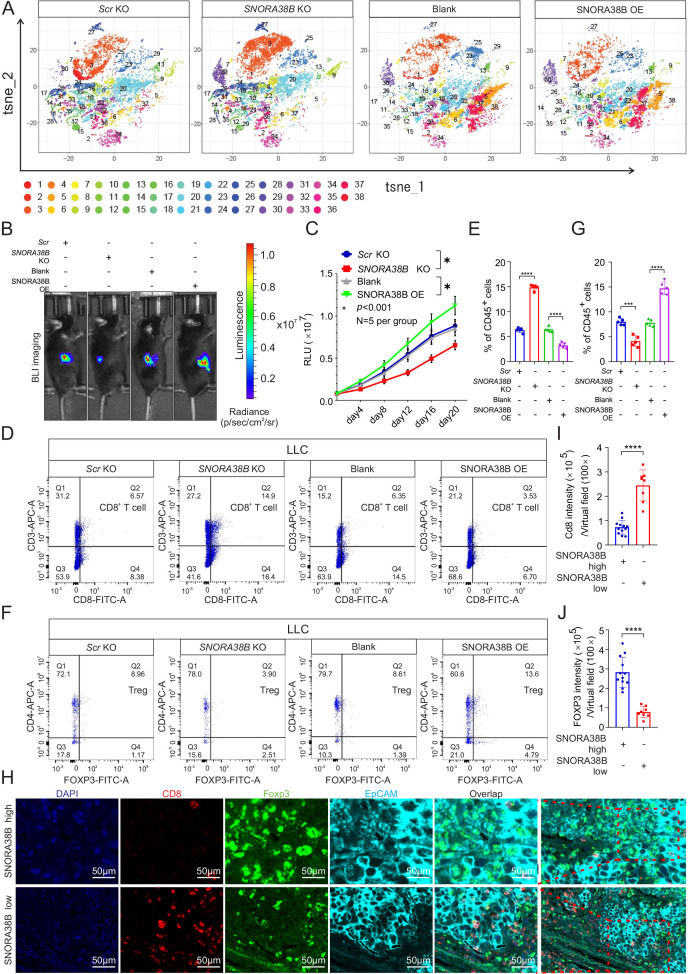
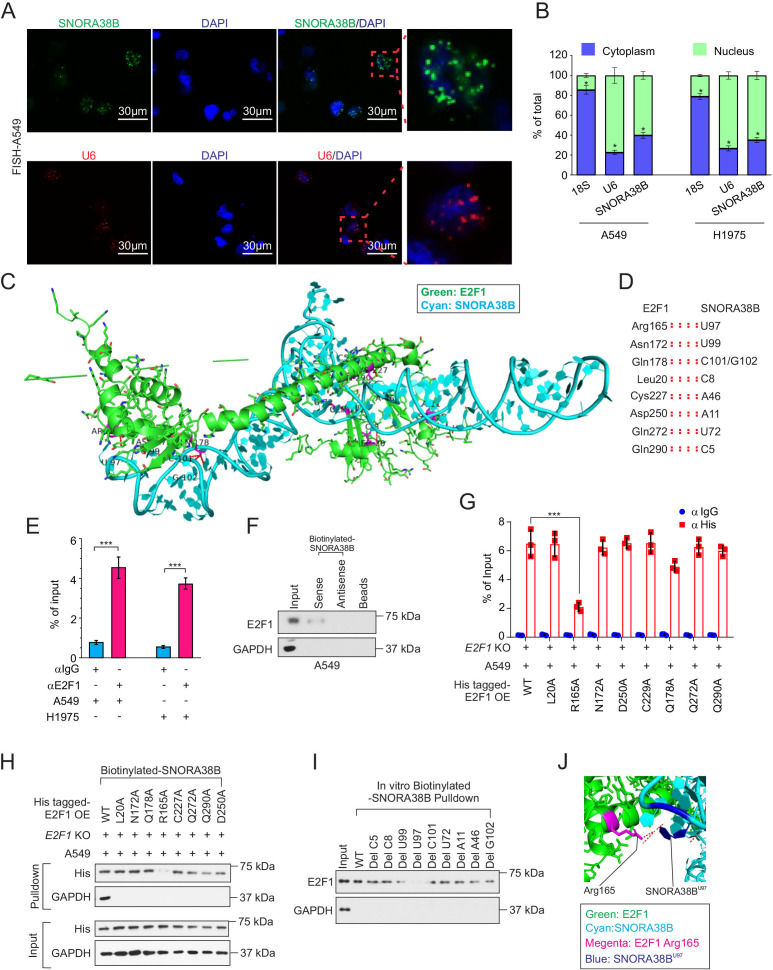
Quantitative real-time polymerase chain reaction or RNAscope was performed to verify the expression of Small Nucleolar RNA, H/ACA Box 38B (SNORA38B) in NSCLC cell lines or clinical samples. BALB/c nude mice xenograft model or C57BL/6J mice syngeneic tumor model were estimated to detect the effects of SNORA38B in tumor growth or tumor immune microenvironment in vivo. Cytometry by time of flight, enzyme-linked immunosorbent assay and flow cytometry assay were conducted to clarify the effects and mechanisms of SNORA38B-mediated tumor immunosuppressive microenvironment. The binding activity between SNORA38B and E2F transcription factor 1(E2F1) was detected by RNA immunoprecipitation and RNA pull-down assays. Then, bioinformatics analysis and chromatin immunoprecipitation were utilized to demonstrate the regulation of GRB2-associated-binding protein 2 (GAB2) by E2F1. Moreover, the combinatorial treatment of SNORA38B locked nucleic acid (LNA) and immune checkpoint blockade (ICB) was used to treat murine Lewis lung carcinoma-derived tumor burden C57BL/6J mice to clarify the effectiveness of targeting SNORA38B in NSCLC immunotherapy.
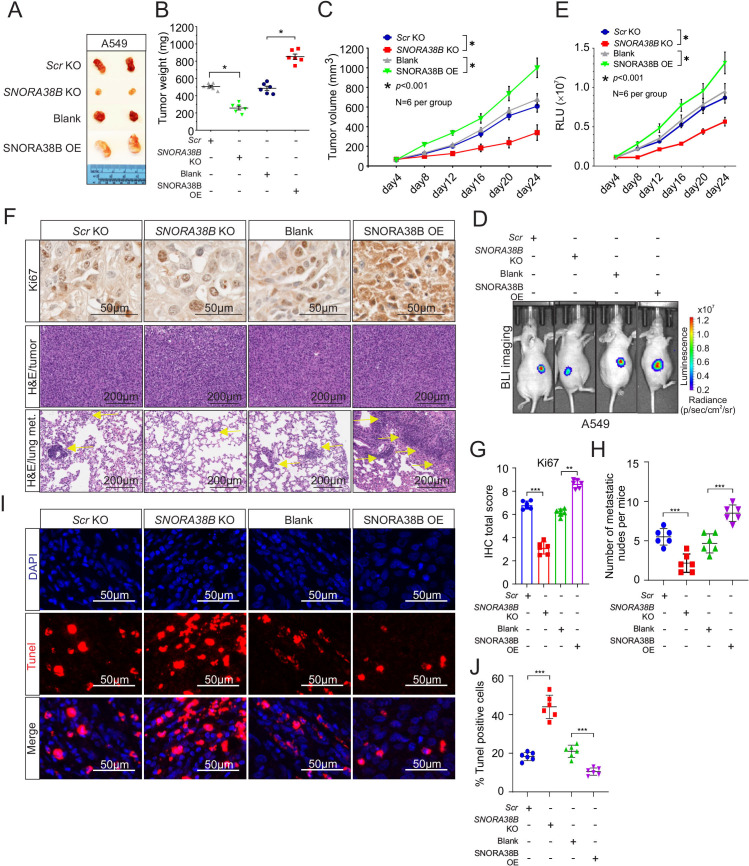
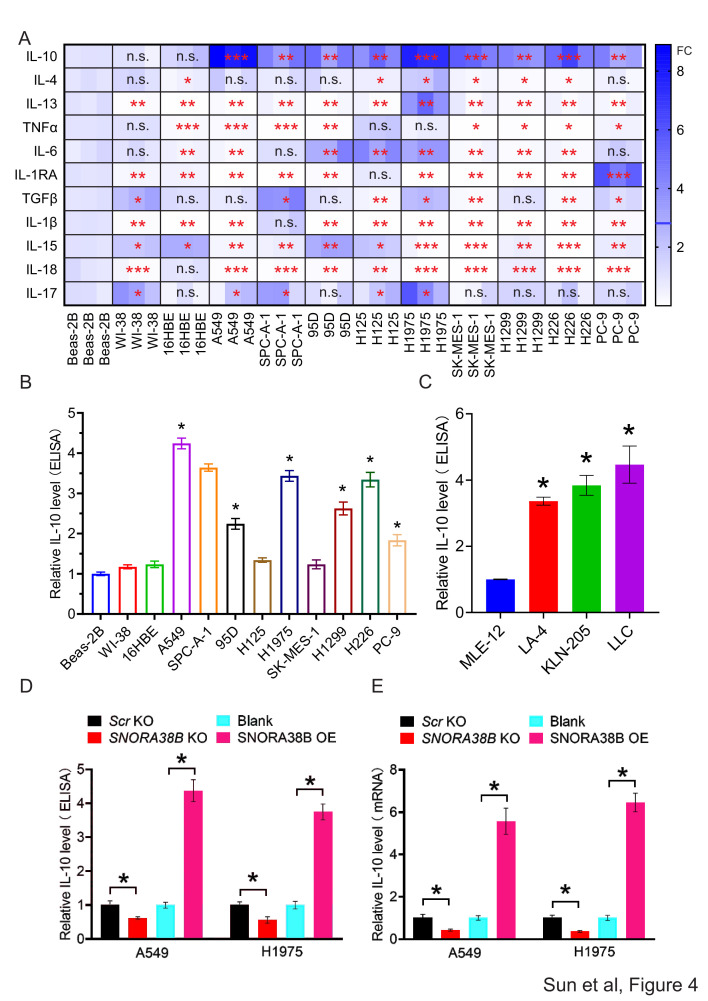
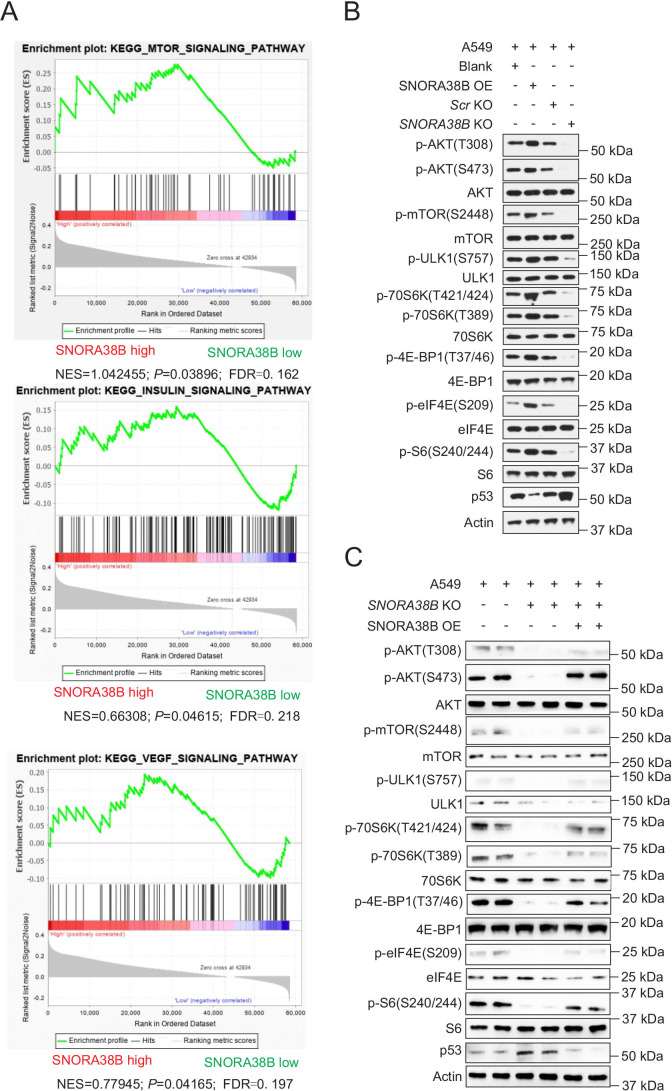
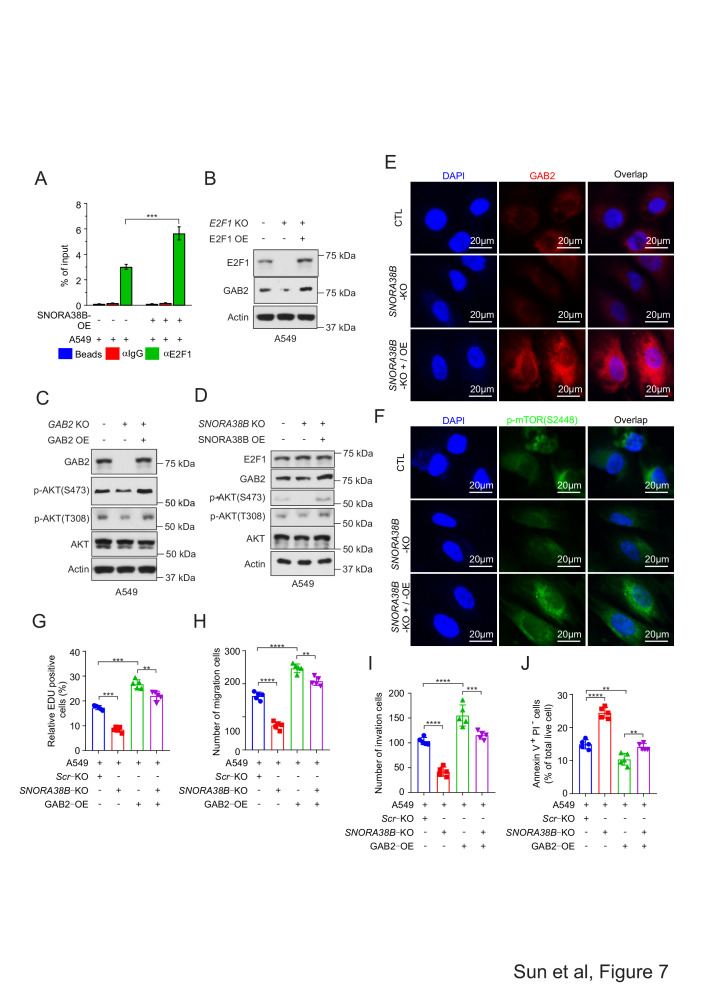
SNORA38B was found highly expressed in NSCLC tissues and cell lines, and associated with worse prognosis. Further results showed that SNORA38B functioned as an oncogene via facilitating cell proliferation, migration, invasion, and inhibiting cell apoptosis in vitro and promoting tumorigenesis of NSCLC cells in vivo. SNORA38B could also recruit the CD4FOXP3 regulatory T cells by triggering tumor cells to secrete interleukin 10, which in turn reduced the infiltration of CD3CD8 T cells in NSCLC tumor microenvironment (TME), favoring tumor progression and poorer immune efficacy. Mechanistically, SNORA38B mainly distributed in the nucleus, and promoted NSCLC progression by regulating GAB2 transcription to activate protein kinase B (AKT)/mammalian target of rapamycin (mTOR) pathway through directly binding with E2F1. Moreover, we found that SNORA38B LNAs were able to ameliorate CD3CD8 T cell infiltration in TME, which sensitized NSCLC to the treatment of ICB.
In conclusion, our data demonstrated that SNORA38B functioned as an oncogene in NSCLC both in vitro and in vivo at least in part by regulating the GAB2/AKT/mTOR pathway via directly binding to E2F1. SNORA38B could also sensitize NSCLC to immunotherapy, which may be a critical therapeutic target for NSCLC.
非编码 RNA(ncRNA),包括小核仁 RNA(snoRNA),广泛参与人类的生理和病理过程。虽然迄今为止,尽管在非小细胞肺癌(NSCLC)的 ncRNA 相关发病机制方面已经取得了相当大的进展,但 snoRNA 在 NSCLC 中的潜在机制和生物学意义仍需要进一步阐明。
采用实时定量聚合酶链反应或 RNAscope 验证 NSCLC 细胞系或临床样本中小核仁 RNA、H/ACA 盒 38B(SNORA38B)的表达。BALB/c 裸鼠异种移植模型或 C57BL/6J 小鼠同种肿瘤模型用于检测 SNORA38B 在体内肿瘤生长或肿瘤免疫微环境中的作用。通过流式细胞术、酶联免疫吸附试验和流式细胞术检测 SNORA38B 介导的肿瘤免疫抑制微环境的作用和机制。通过 RNA 免疫沉淀和 RNA 下拉测定检测 SNORA38B 与 E2F 转录因子 1(E2F1)之间的结合活性。然后,通过生物信息学分析和染色质免疫沉淀证实 E2F1 对 GRB2 相关结合蛋白 2(GAB2)的调控。此外,采用 SNORA38B 锁核酸(LNA)与免疫检查点阻断(ICB)联合治疗Lewis 肺癌衍生的肿瘤负荷 C57BL/6J 小鼠,以阐明针对 NSCLC 免疫治疗中 SNORA38B 的靶向治疗效果。
发现 SNORA38B 在 NSCLC 组织和细胞系中高表达,并与预后不良相关。进一步的结果表明,SNORA38B 通过促进体外细胞增殖、迁移、侵袭和抑制细胞凋亡以及促进 NSCLC 细胞体内肿瘤发生,发挥癌基因作用。SNORA38B 还可以通过触发肿瘤细胞分泌白细胞介素 10,招募 CD4FOXP3 调节性 T 细胞,从而减少 NSCLC 肿瘤微环境(TME)中 CD3CD8 T 细胞的浸润,有利于肿瘤进展和免疫疗效较差。在机制上,SNORA38B 主要分布在细胞核内,通过与 E2F1 直接结合,调节 GAB2 转录,激活蛋白激酶 B(AKT)/哺乳动物雷帕霉素靶蛋白(mTOR)通路,从而促进 NSCLC 的进展。此外,我们发现 SNORA38B LNA 能够改善 TME 中 CD3CD8 T 细胞的浸润,从而使 NSCLC 对 ICB 治疗敏感。
总之,我们的数据表明,SNORA38B 在体外和体内至少部分通过直接与 E2F1 结合调节 GAB2/AKT/mTOR 通路,作为 NSCLC 的癌基因发挥作用。SNORA38B 还可以使 NSCLC 对免疫治疗敏感,这可能是 NSCLC 的一个关键治疗靶点。