Department of Psychiatry and Psychotherapy, University Medicine Greifswald, Ellernholzstraße 1-2, 17489, Greifswald, Germany.
German Center for Neurodegenerative Diseases (DZNE), Site Rostock/Greifswald, Greifswald, Germany.
Eur Arch Psychiatry Clin Neurosci. 2022 Dec;272(8):1505-1516. doi: 10.1007/s00406-022-01420-w. Epub 2022 May 17.
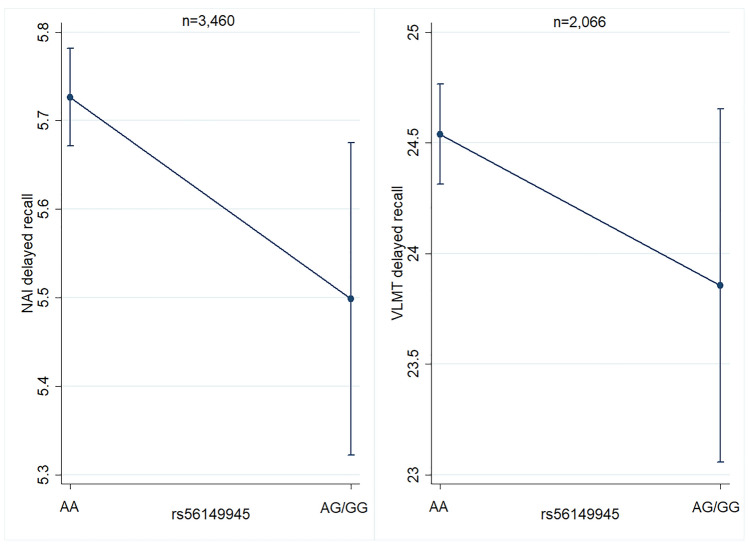
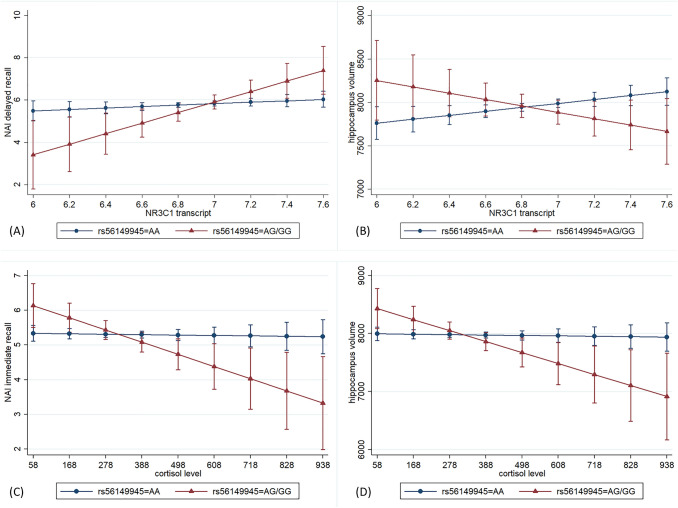
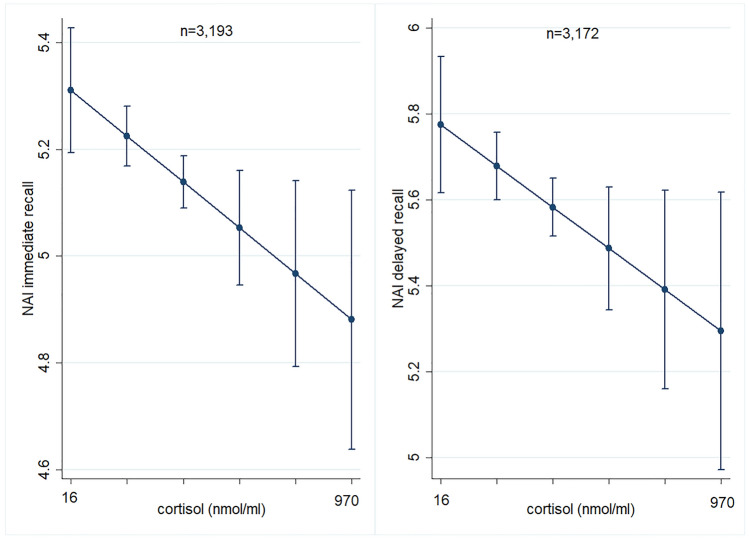
The hypothalamus-pituitary-adrenal axis is the main physiological stress response system and regulating the release of cortisol. The two corticoid receptors encoded by the genes NR3C1 and NR3C2 are the main players in regulating the physiological response to cortisol. This biological system has been linked to neurocognitive processes and memory, yet the mechanisms remain largely unclear. In two independent general population studies (SHIP, total sample size > 5500), we aim to diseantangle the effects of genetic variation, gene expression and cortisol on verbal memory and memory associated brain volume. Especially for NR3C1 results exhibited a consistent pattern of direct an interactive effects. All three biological layers, genetic variation (rs56149945), gene expression for NR3C1 and cortisol levels, were directly associated with verbal memory. Interactions between these components showed significant effects on verbal memory as well as hippocampal volume. For NR3C2 such a complex association pattern could not be observed. Our analyses revealed that different components of the stress response system are acting together on different aspects of cognition. Complex phenotypes, such as cognition and memory function are regulated by a complex interplay between different genetic and epigenetic features. We promote the glucocorticoid receptor NR3C1 as a main target to focus in the context of verbal memory and provided a mechanistic concept of the interaction between various biological layers spanning NR3C1 function and its effects on memory. Especially the NR3C1 transcript seemed to be a key element in this complex system.
下丘脑-垂体-肾上腺轴是主要的生理应激反应系统,调节皮质醇的释放。基因 NR3C1 和 NR3C2 编码的两种皮质醇受体是调节皮质醇生理反应的主要参与者。这个生物系统与神经认知过程和记忆有关,但机制在很大程度上仍不清楚。在两项独立的一般人群研究(SHIP,总样本量超过 5500 人)中,我们旨在剖析遗传变异、基因表达和皮质醇对言语记忆和与记忆相关的脑容量的影响。特别是对于 NR3C1 的结果,表现出直接和交互作用的一致模式。遗传变异(rs56149945)、NR3C1 的基因表达和皮质醇水平这三个生物学层面都直接与言语记忆相关。这些成分之间的相互作用对言语记忆和海马体体积也有显著影响。对于 NR3C2,无法观察到这种复杂的关联模式。我们的分析表明,应激反应系统的不同成分共同作用于认知的不同方面。复杂的表型,如认知和记忆功能,是由不同遗传和表观遗传特征之间的复杂相互作用调节的。我们将应激反应系统的糖皮质激素受体 NR3C1 作为一个主要目标,专注于言语记忆,并提供了一个关于各种生物学层面相互作用的机制概念,这些层面跨越了 NR3C1 功能及其对记忆的影响。特别是 NR3C1 转录本似乎是这个复杂系统的关键要素。