Dei Silvia, Braconi Laura, Romanelli Maria Novella, Teodori Elisabetta
Department of Neuroscience, Psychology, Drug Research and Child's Health - Section of Pharmaceutical and Nutraceutical Sciences, University of Florence, via Ugo Schiff 6, Sesto Fiorentino (FI) 50019, Italy.
Cancer Drug Resist. 2019 Sep 19;2(3):710-743. doi: 10.20517/cdr.2019.31. eCollection 2019.
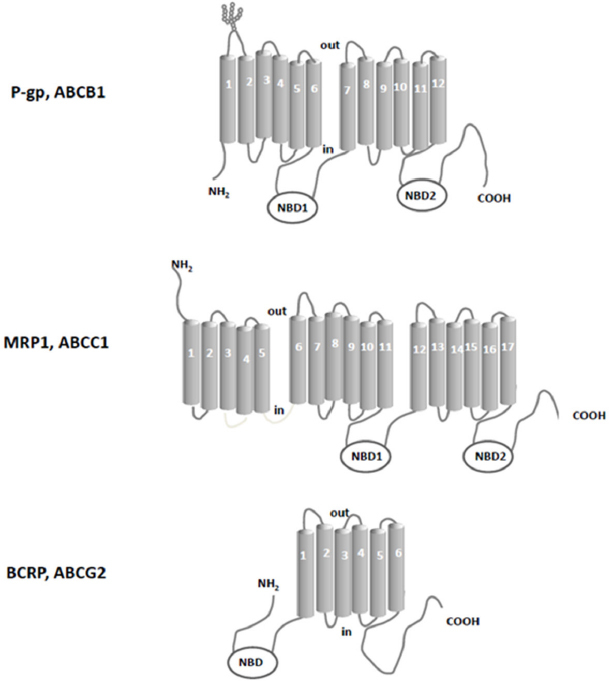
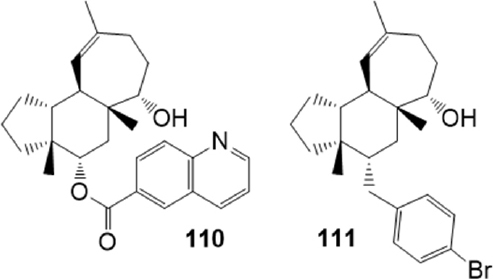
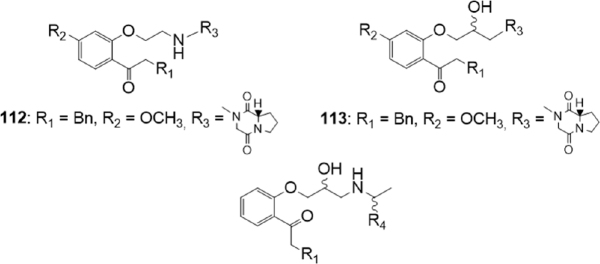
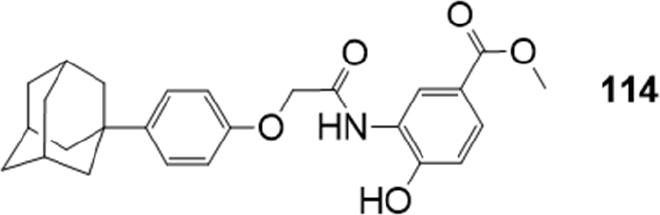
The development of multidrug resistance (MDR) is one of the major challenges to the success of chemotherapy treatment of cancer. This phenomenon is often associated with the overexpression of the ATP-binding cassette (ABC) transporters P-gp (P-glycoprotein, ABCB1), multidrug resistance-associated protein 1, ABCC1 and breast cancer resistance protein, ABCG2 (BCRP). These transporters are constitutively expressed in many tissues playing relevant protective roles by the regulation of the permeability of biological membranes, but they are also overexpressed in malignant tissues. P-gp is the first efflux transporter discovered to be involved in cancer drug resistance, and over the years, inhibitors of this pump have been disclosed to administer them in combination with chemotherapeutic agents. Three generations of inhibitors of P-gp have been examined in preclinical and clinical studies; however, these trials have largely failed to demonstrate that coadministration of pump inhibitors elicits an improvement in therapeutic efficacy of antitumor agents, although some of the latest compounds show better results. Therefore, new and innovative strategies, such as the fallback to natural products and the discover of dual activity ligands emerged as new perspectives. BCRP is the most recently ABC protein identified to be involved in multidrug resistance. It is overexpressed in several haematological and solid tumours together with P-gp, threatening the therapeutic effectiveness of different chemotherapeutic drugs. The chemistry of recently described BCRP inhibitors and dual P-gp/BCRP inhibitors, as well as their preliminary pharmacological evaluation are discussed, and the most recent advances concerning these kinds of MDR modulators are reviewed.
多药耐药性(MDR)的产生是癌症化疗成功的主要挑战之一。这种现象通常与ATP结合盒(ABC)转运蛋白P-糖蛋白(P-glycoprotein,ABCB1)、多药耐药相关蛋白1(ABCC1)和乳腺癌耐药蛋白(ABCG2,BCRP)的过表达有关。这些转运蛋白在许多组织中组成性表达,通过调节生物膜的通透性发挥相关的保护作用,但它们在恶性组织中也会过表达。P-糖蛋白是第一个被发现与癌症耐药性有关的外排转运蛋白,多年来,已公开了该泵的抑制剂,以便将它们与化疗药物联合使用。三代P-糖蛋白抑制剂已在临床前和临床研究中进行了检验;然而,这些试验在很大程度上未能证明联合使用泵抑制剂能提高抗肿瘤药物的治疗效果,尽管一些最新的化合物显示出了更好的结果。因此,新的创新策略,如回归天然产物和发现具有双重活性的配体,成为了新的研究方向。BCRP是最近被确定与多药耐药性有关的ABC蛋白。它与P-糖蛋白一起在几种血液系统肿瘤和实体瘤中过表达,威胁着不同化疗药物的治疗效果。本文讨论了最近描述的BCRP抑制剂和P-糖蛋白/BCRP双重抑制剂的化学结构及其初步药理学评价,并综述了这类MDR调节剂的最新研究进展。