Department of Neurology, University of Miami, 1120 NW 14th Street, Clinical Research Building, Miami, FL, 33136, USA.
Department of Clinical Science, Neurosciences, Umeå University, Umeå, Sweden.
Neurotherapeutics. 2022 Jul;19(4):1248-1258. doi: 10.1007/s13311-022-01237-4. Epub 2022 May 18.
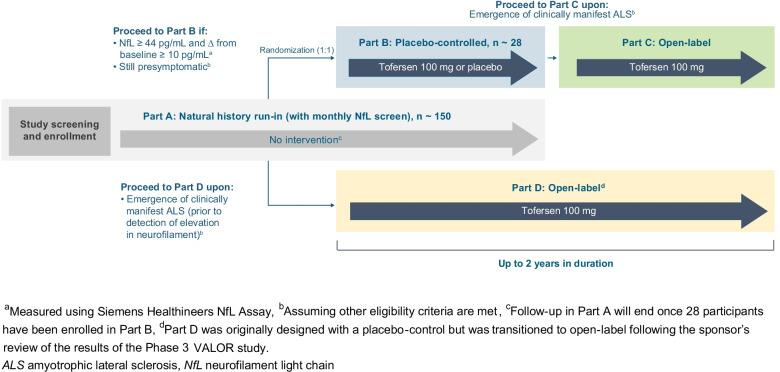
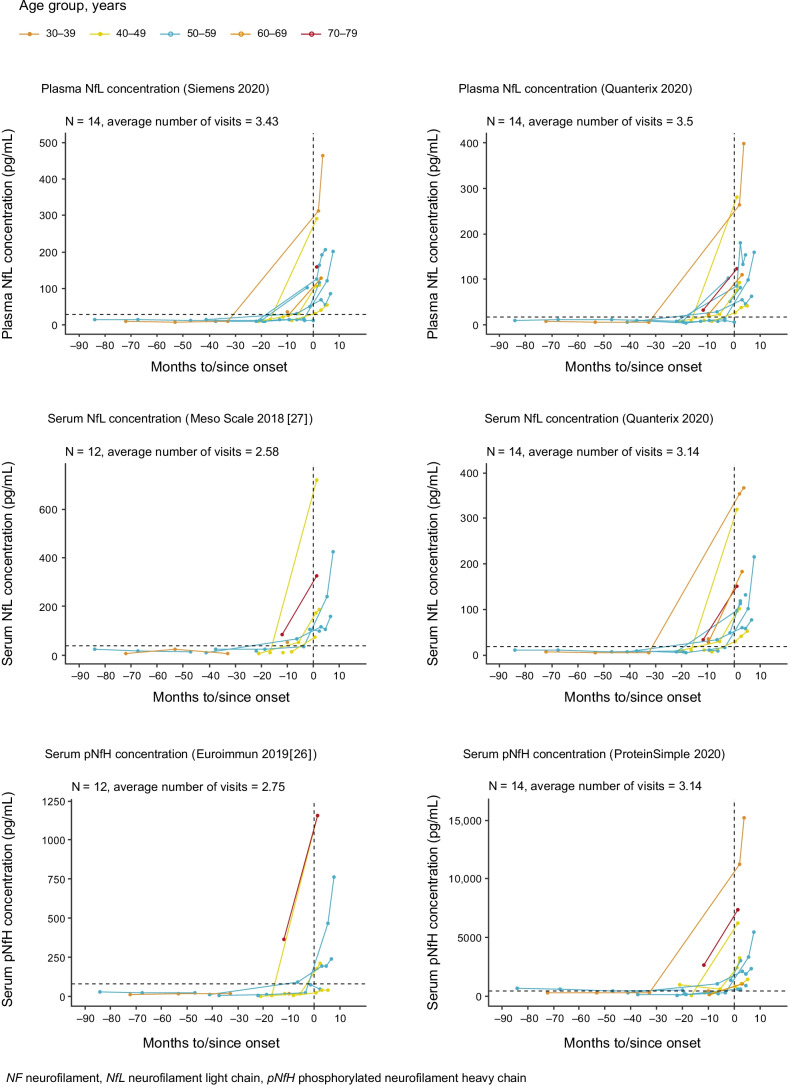
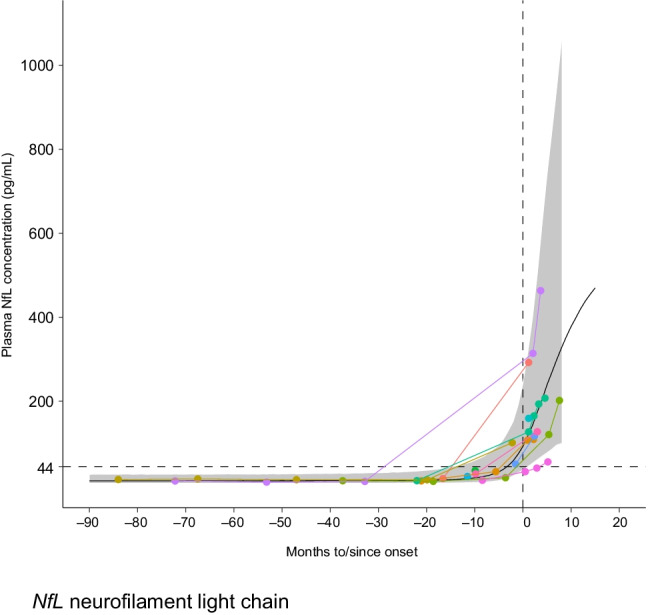
Despite extensive research, amyotrophic lateral sclerosis (ALS) remains a progressive and invariably fatal neurodegenerative disease. Limited knowledge of the underlying causes of ALS has made it difficult to target upstream biological mechanisms of disease, and therapeutic interventions are usually administered relatively late in the course of disease. Genetic forms of ALS offer a unique opportunity for therapeutic development, as genetic associations may reveal potential insights into disease etiology. Genetic ALS may also be amenable to investigating earlier intervention given the possibility of identifying clinically presymptomatic, at-risk individuals with causative genetic variants. There is increasing evidence for a presymptomatic phase of ALS, with biomarker data from the Pre-Symptomatic Familial ALS (Pre-fALS) study showing that an elevation in blood neurofilament light chain (NfL) precedes phenoconversion to clinically manifest disease. Tofersen is an investigational antisense oligonucleotide designed to reduce synthesis of superoxide dismutase 1 (SOD1) protein through degradation of SOD1 mRNA. Informed by Pre-fALS and the tofersen clinical development program, the ATLAS study (NCT04856982) is designed to evaluate the impact of initiating tofersen in presymptomatic carriers of SOD1 variants associated with high or complete penetrance and rapid disease progression who also have biomarker evidence of disease activity (elevated plasma NfL). The ATLAS study will investigate whether tofersen can delay the emergence of clinically manifest ALS. To our knowledge, ATLAS is the first interventional trial in presymptomatic ALS and has the potential to yield important insights into the design and conduct of presymptomatic trials, identification, and monitoring of at-risk individuals, and future treatment paradigms in ALS.
尽管进行了广泛的研究,但肌萎缩侧索硬化症(ALS)仍然是一种进行性且不可避免的致命神经退行性疾病。对 ALS 根本原因的了解有限,使得难以针对疾病的上游生物学机制进行靶向治疗,而且治疗干预通常在疾病过程的后期进行。ALS 的遗传形式为治疗开发提供了一个独特的机会,因为遗传关联可能揭示疾病病因的潜在见解。鉴于有可能识别出具有致病遗传变异的临床无症状、高危个体,遗传 ALS 也可能适合于研究早期干预。ALS 存在无症状前阶段的证据越来越多,Pre-symptomatic Familial ALS(Pre-fALS)研究的生物标志物数据表明,血液神经丝轻链(NfL)升高先于表现为临床显性疾病的表型转化。Tofersen 是一种研究性反义寡核苷酸,旨在通过降解 SOD1 mRNA 来减少超氧化物歧化酶 1(SOD1)蛋白的合成。根据 Pre-fALS 和 tofersen 临床开发计划,ATLAS 研究(NCT04856982)旨在评估在与高或完全外显率和快速疾病进展相关的 SOD1 变异的无症状携带者中早期开始使用 tofersen 的影响,这些携带者也有疾病活动(血浆 NfL 升高)的生物标志物证据。ATLAS 研究将探讨 tofersen 是否可以延迟临床显性 ALS 的出现。据我们所知,ATLAS 是首例在无症状 ALS 中的干预性试验,有可能为无症状试验的设计和实施、高危个体的识别和监测以及 ALS 的未来治疗模式提供重要见解。