Department of Pediatrics, The Second Xiangya Hospital of Central South University, Changsha, China.
Department of Pediatric Neurology, Children's Medical Center, The Second Xiangya Hospital of Central South University, Changsha, China.
Front Immunol. 2022 May 2;13:887041. doi: 10.3389/fimmu.2022.887041. eCollection 2022.
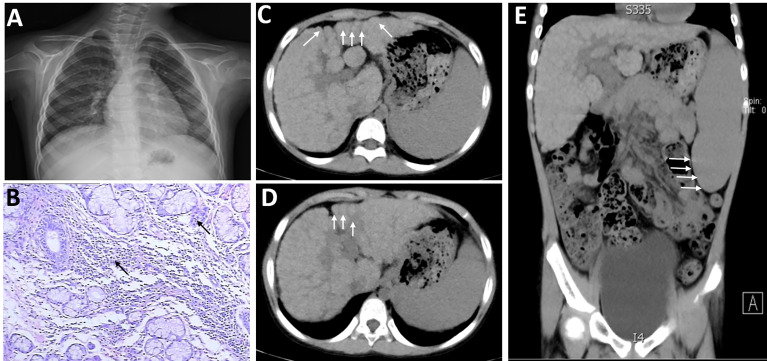
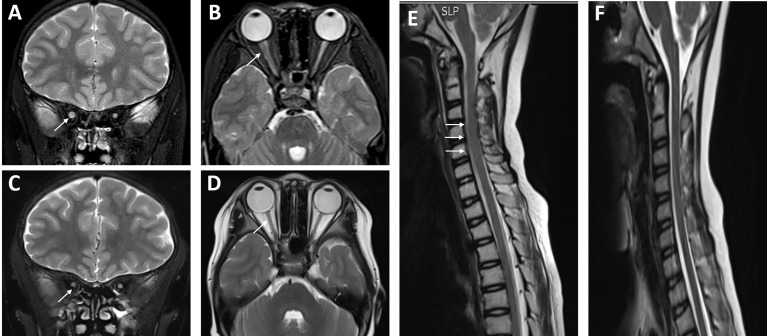
Systemic lupus erythematosus (SLE) is an autoimmune connective tissue disease (CTD), the main features of which are multiple serum autoantibodies and extensive involvement of multiple systems. The onset age of patients varies from childhood to middle age, with nearly 1/5 in childhood. Sjogren's syndrome (SS) is also an autoimmune disease characterized by high-degree lymphocytic infiltration of exocrine glands, usually occurring in middle-aged and older women, and rarely in childhood. Neuromyelitis optica spectrum disorder (NMOSD) is an immune-mediated inflammatory demyelinating disease of the central nervous system (CNS) mainly involving the optic nerve and spinal cord. The coexistence of NMOSD and SLE and/or SS is well recognized by both neurologists and rheumatologists, but cases in children have been rarely reported. In this paper, we reported a case of a girl with onset at age 5 clinically featured by recurrent parotid gland enlargement, pancytopenia, hypocomplementemia, multiple positive serum antibodies, and cirrhosis. She was initially diagnosed with SS/SLE overlap syndrome at age 5. Four years later, the patient suffered a sudden vision loss and was examined to have positive AQP4 antibodies in serum and cerebrospinal fluid (CSF), and long segmental spinal swelling, in line with the diagnostic criteria for NMOSD. Up to now, the current patient is of the youngest onset age to develop SS/SLE coexisting with NMOSD, also with cirrhosis. It is important for clinicians to be aware of the possibility of CTDs coexisting with NMOSD in children, especially in those with positive anti-multiple autoantibodies, and to decrease the rate of missed diagnosis.
系统性红斑狼疮(SLE)是一种自身免疫性结缔组织病(CTD),其主要特征是多种血清自身抗体和广泛的多系统受累。患者的发病年龄从儿童到中年不等,近 1/5 发生在儿童期。干燥综合征(SS)也是一种自身免疫性疾病,其特征是外分泌腺高度淋巴细胞浸润,通常发生在中年和老年妇女中,很少发生在儿童期。视神经脊髓炎谱系疾病(NMOSD)是一种主要累及视神经和脊髓的中枢神经系统(CNS)免疫介导的炎症性脱髓鞘疾病。神经病学家和风湿病学家都认识到 NMOSD 与 SLE 和/或 SS 的共存,但儿童病例很少报道。本文报道了一例 5 岁起病的女孩,临床表现为反复腮腺肿大、全血细胞减少、低补体血症、多种阳性血清抗体和肝硬化。她最初被诊断为 5 岁时的 SS/SLE 重叠综合征。4 年后,患者突然视力丧失,检查发现血清和脑脊液(CSF)中存在 AQP4 抗体阳性和长节段脊髓肿胀,符合 NMOSD 的诊断标准。到目前为止,该患者是发生 SS/SLE 合并 NMOSD 的最小年龄的患者,同时合并肝硬化。临床医生应意识到儿童 CTD 与 NMOSD 共存的可能性,特别是在那些具有多种自身抗体阳性的患者中,以降低漏诊率。