Department Pathogens and Inflammation-EPILAB, EA4266, Université de Franche-Comté, Université Bourgogne Franche-Comté (UBFC), 16 route de Gray, Besançon F-25030, France.
Department Pathogens and Inflammation-EPILAB, EA4266, Université de Franche-Comté, Université Bourgogne Franche-Comté (UBFC), 16 route de Gray, Besançon F-25030, France; Department of Virology, CHU Besançon, Besançon, France.
EBioMedicine. 2022 Jun;80:104056. doi: 10.1016/j.ebiom.2022.104056. Epub 2022 May 18.
Human cytomegalovirus (HCMV) infection has been actively implicated in complex neoplastic processes. Beyond oncomodulation, the molecular mechanisms that might underlie HCMV-induced oncogenesis are being extensively studied. Polycomb repressive complex 2 (PRC2) proteins, in particular enhancer of zeste homolog 2 (EZH2) are associated with cancer progression. Nevertheless, little is known about EZH2 activation in the context of HCMV infection and breast oncogenesis.
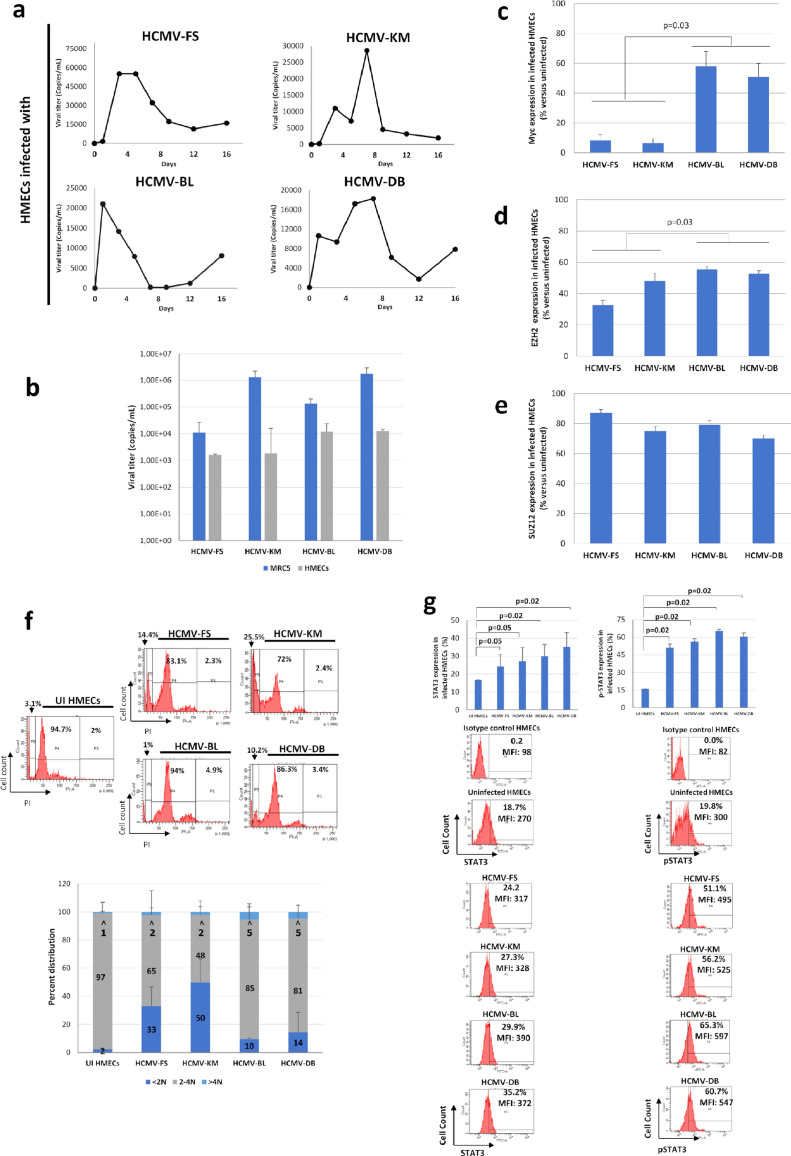
Herein, we identified EZH2 as a downstream target for HCMV-induced Myc upregulation upon acute and chronic infection with high-risk strains using a human mammary epithelial model.
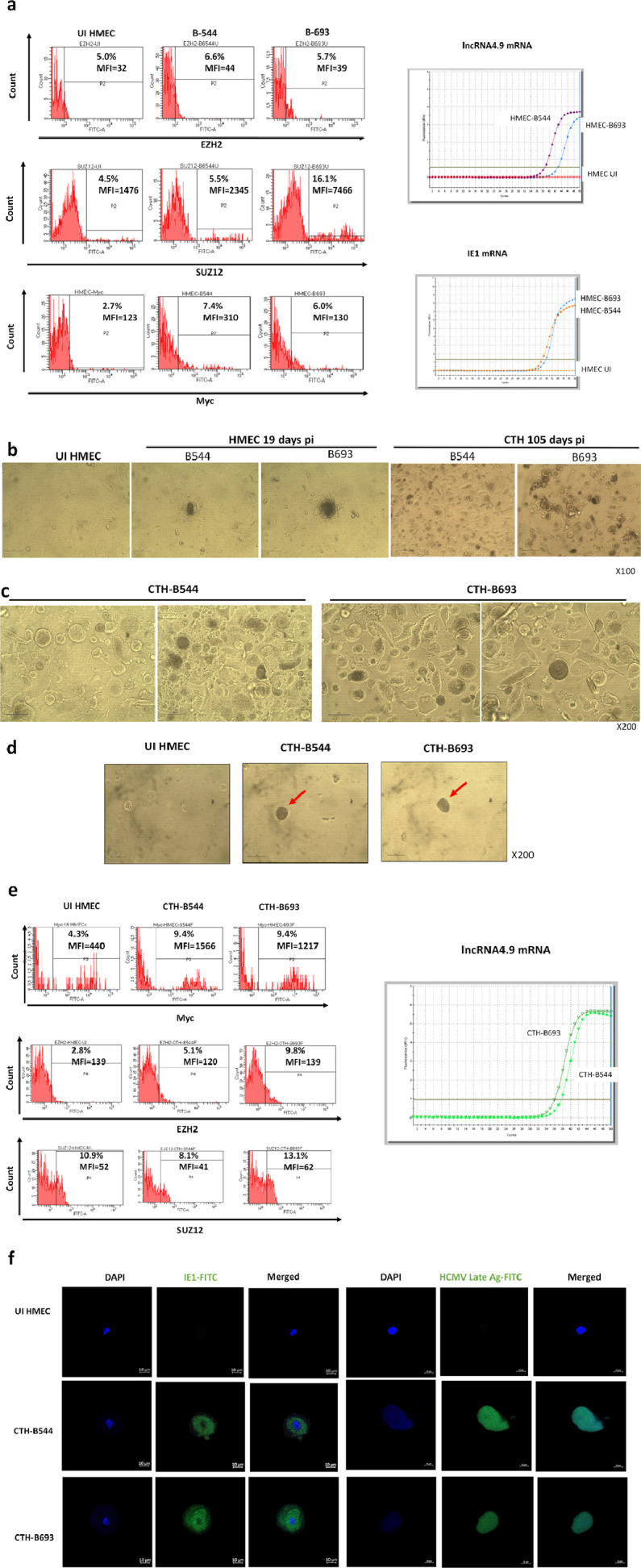
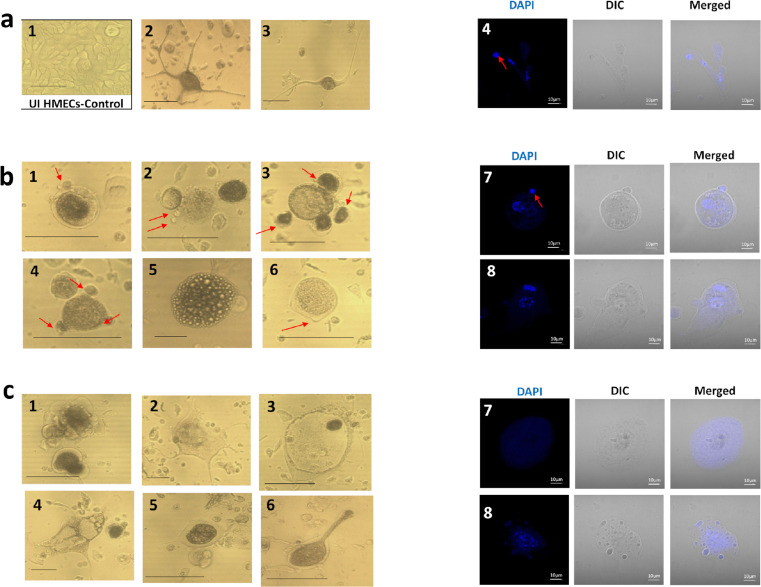
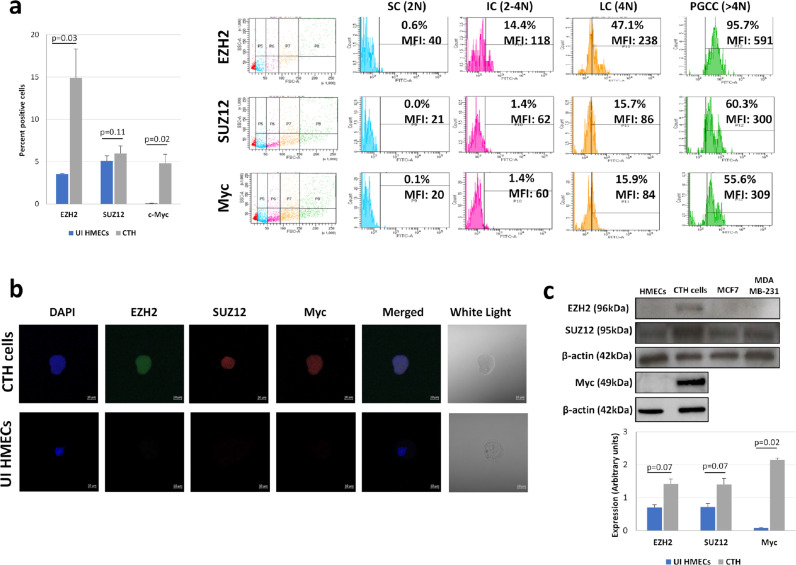
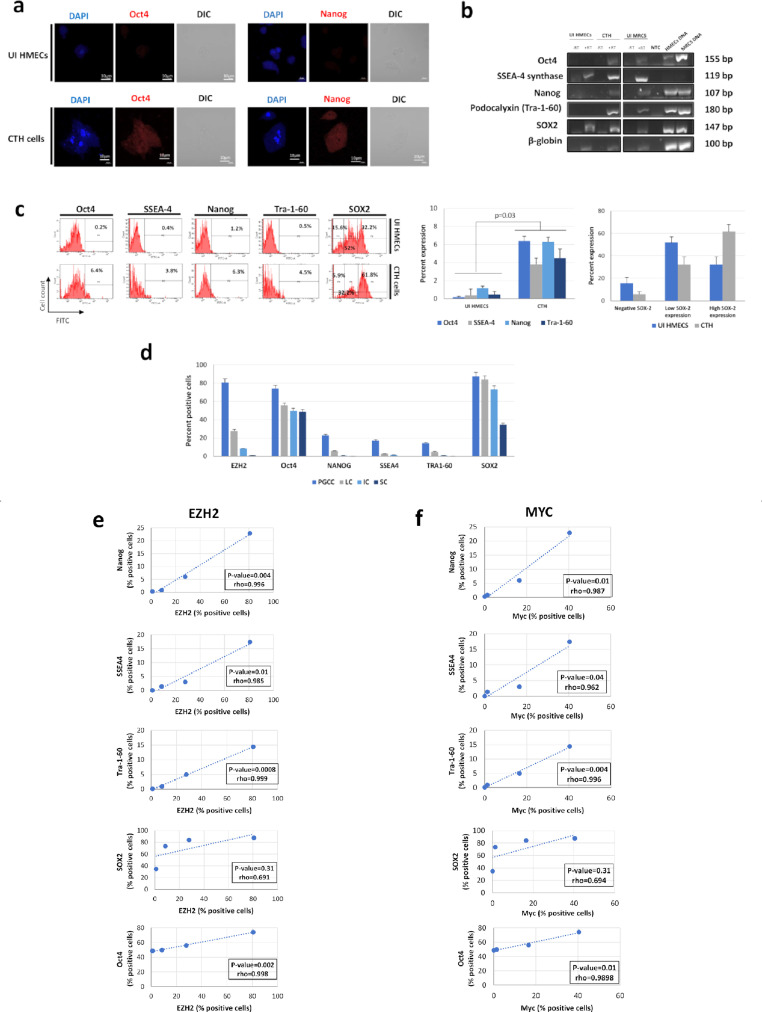
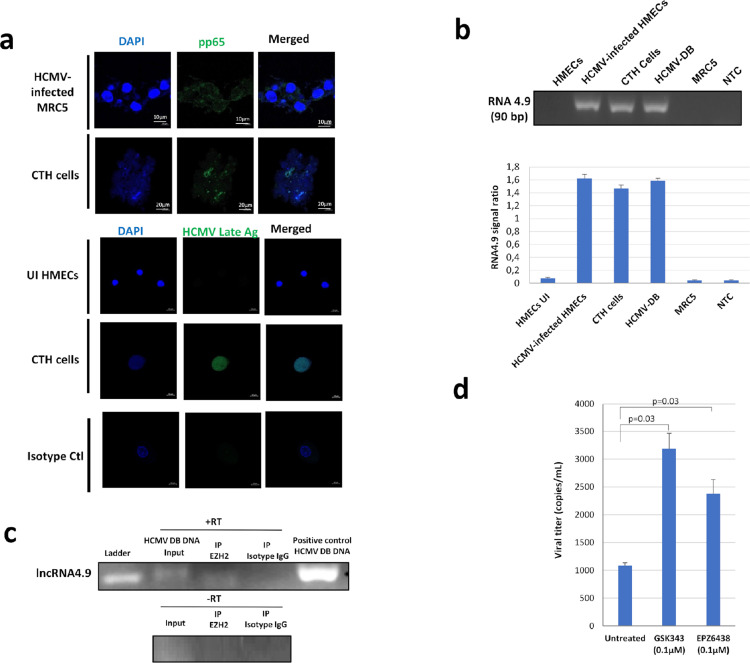
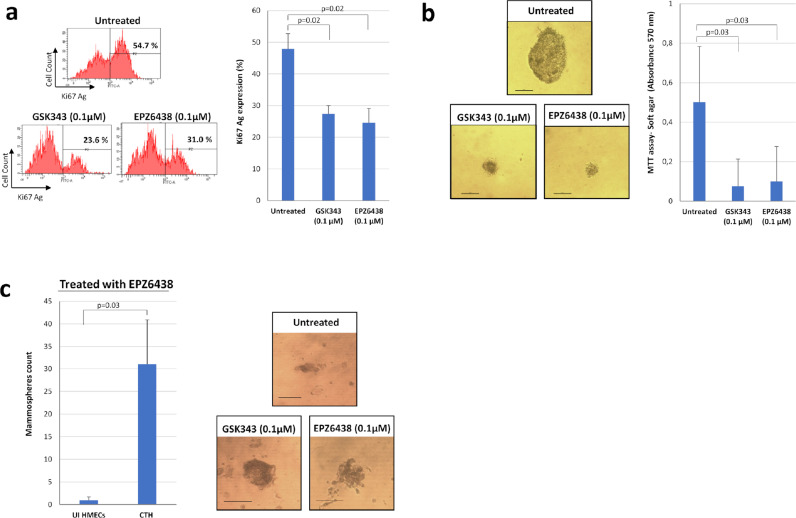
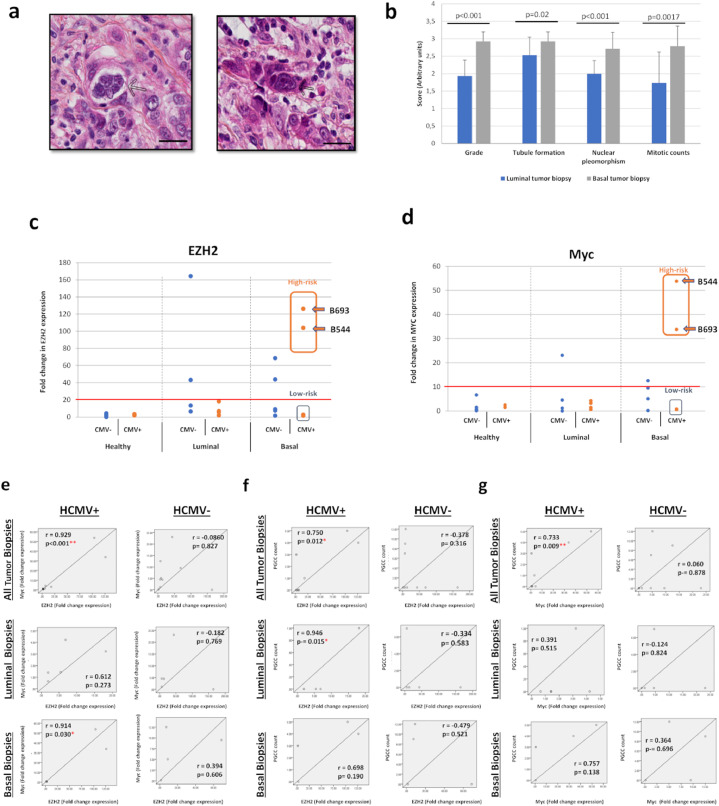
We detected polyploidy and CMV-transformed HMECs (CTH) cells harboring HCMV and dynamically undergoing the giant cells cycle. Acquisition of embryonic stemness markers positively correlated with EZH2 and Myc expression. EZH2 inhibitors curtail sustained CTH cells' malignant phenotype. Besides harboring polyploid giant cancer cells (PGCCs), tumorigenic breast biopsies were characterized by an enhanced EZH2 and Myc expression, with a strong positive correlation between EZH2 and Myc expression, and between PGCC count and EZH2/Myc expression in the presence of HCMV. Further, we isolated two HCMV strains from EZH2Myc basal-like tumors which replicate in MRC5 cells and transform HMECs toward CTH cells after acute infection.
Our data establish a potential link between HCMV-induced Myc activation, the subsequent EZH2 upregulation, and polyploidy induction. These data support the proposed tumorigenesis properties of EZH2/Myc, and allow the isolation of two oncogenic HCMV strains from EZH2Myc basal breast tumors while identifying EZH2 as a potential therapeutic target in the management of breast cancer, particularly upon HCMV infection.
This work was supported by grants from the University of Franche-Comté (UFC) (CR3300), the Région Franche-Comté (2021-Y-08292 and 2021-Y-08290) and the Ligue contre le Cancer (CR3304) to Georges Herbein. Zeina Nehme is a recipient of a doctoral scholarship from the municipality of Habbouch. Sandy Haidar Ahmad is recipient of a doctoral scholarship from Lebanese municipality. Ranim El Baba is a recipient of a doctoral scholarship from Hariri foundation for sustainable human development.
人类巨细胞病毒(HCMV)感染被积极认为与复杂的肿瘤过程有关。除了致癌调节外,HCMV 诱导致癌的分子机制正在被广泛研究。多梳抑制复合物 2(PRC2)蛋白,特别是增强子结合锌指蛋白 2(EZH2)与癌症进展有关。然而,关于 HCMV 感染和乳腺肿瘤发生中 EZH2 的激活知之甚少。
在此,我们使用人乳腺上皮细胞模型,鉴定出 EZH2 是 HCMV 诱导 Myc 上调的下游靶标,用于急性和慢性感染高危株。
我们检测到多倍体和含有 HCMV 的 CTH 细胞(CMV 转化的 HMECs),这些细胞正在经历巨细胞周期。胚胎干细胞标志物的获得与 EZH2 和 Myc 的表达呈正相关。EZH2 抑制剂可抑制持续的 CTH 细胞恶性表型。除了含有多倍体巨癌细胞(PGCCs)外,致瘤性乳腺活检的特点是 EZH2 和 Myc 表达增强,在存在 HCMV 的情况下,EZH2 和 Myc 表达之间以及 PGCC 计数和 EZH2/Myc 表达之间存在强烈的正相关。此外,我们从 EZH2Myc 基底样肿瘤中分离出两种 HCMV 株,它们在 MRC5 细胞中复制,并在急性感染后转化 HMEC 为 CTH 细胞。
我们的数据建立了 HCMV 诱导的 Myc 激活、随后的 EZH2 上调和多倍体诱导之间的潜在联系。这些数据支持 EZH2/Myc 的拟肿瘤发生特性,并允许从 EZH2Myc 基底乳腺癌中分离出两种致癌性 HCMV 株,同时鉴定出 EZH2 是管理乳腺癌的潜在治疗靶点,特别是在 HCMV 感染的情况下。
这项工作得到了弗朗什-孔泰大学(UFC)(CR3300)、弗朗什-孔泰地区(2021-Y-08292 和 2021-Y-08290)和反癌症联盟(CR3304)的资助,以及 Georges Herbein 的资助。Zeina Nehme 是哈布舒市博士奖学金的获得者。Sandy Haidar Ahmad 是黎巴嫩市博士奖学金的获得者。Ranim El Baba 是哈里里可持续人类发展基金会博士奖学金的获得者。