School of Mechanical Science & Engineering, Huazhong University of Science and Technology, Wuhan 430074, China; College of Biological Science and Engineering, Fuzhou University, Fuzhou, Fujian 350108, China.
Department of Food Science and Engineering, School of Agriculture and Biology, Shanghai Jiao Tong University, Shanghai 200240, China.
J Adv Res. 2023 Mar;45:127-140. doi: 10.1016/j.jare.2022.05.002. Epub 2022 May 10.
Antifreeze peptides regulate the physiological functions of frozen cells and even their apoptosis; however, the mechanisms by which antifreeze peptides regulate these processes remain unclear, although the interactions between cell membranes and ice are well known to be important in this process.
Our study aims to investigate how antifreeze peptides regulate cell physiological functions during the freezing process.
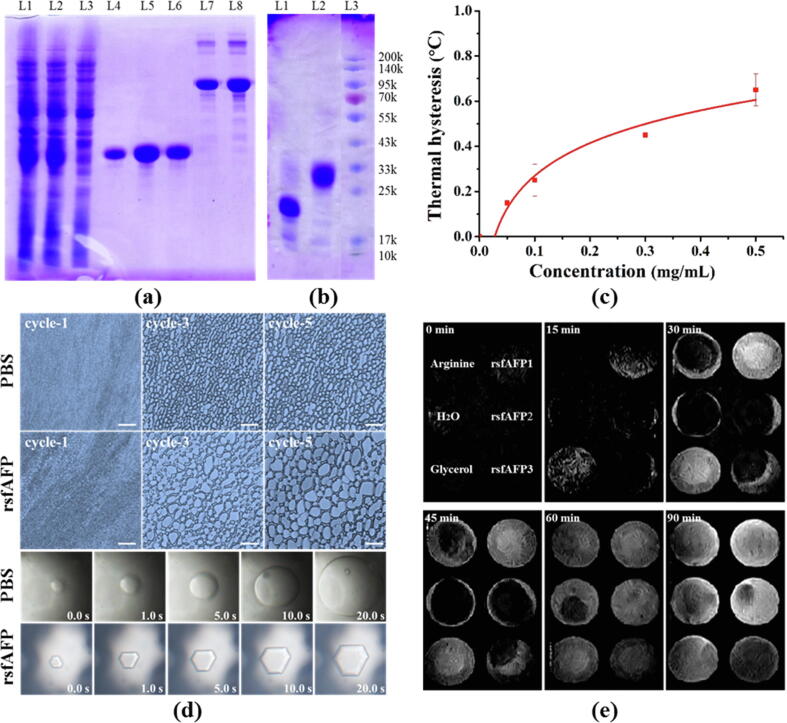
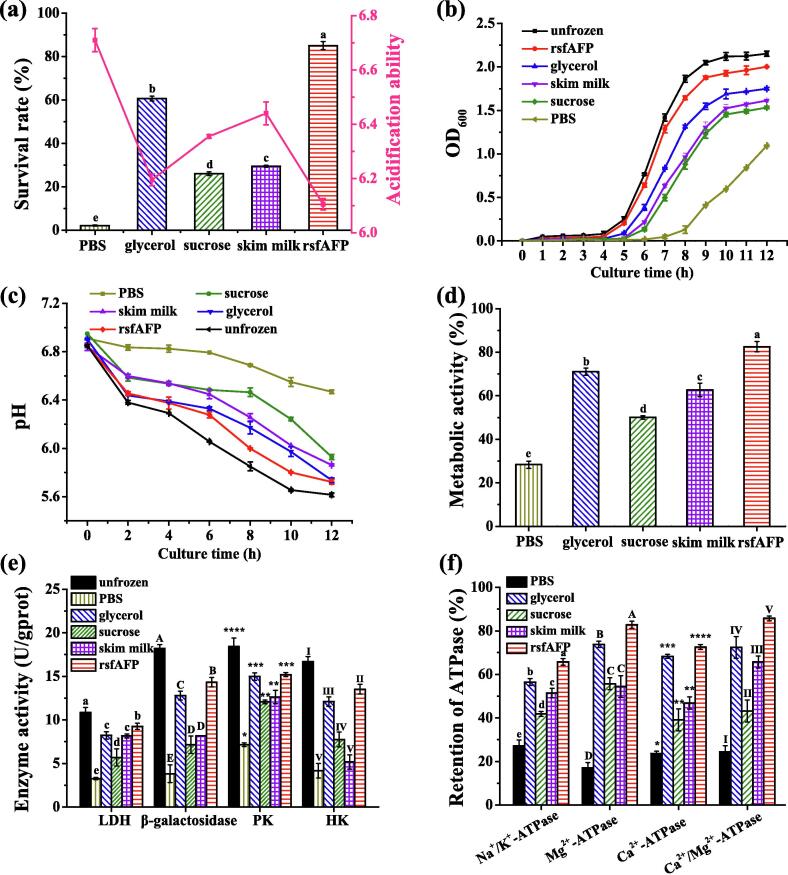
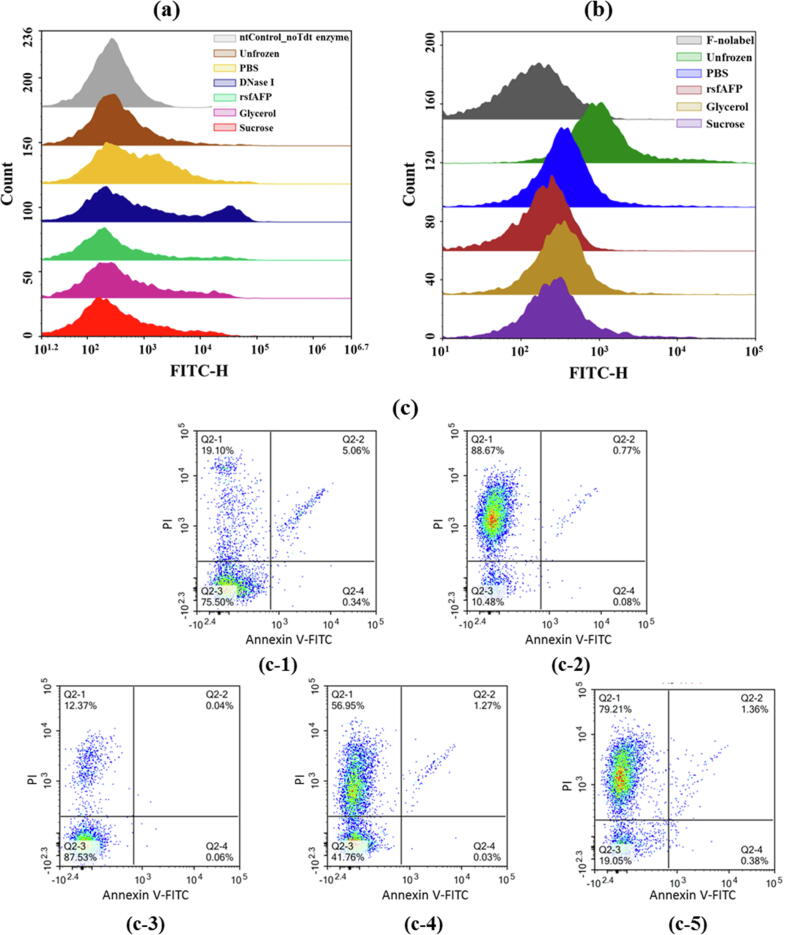
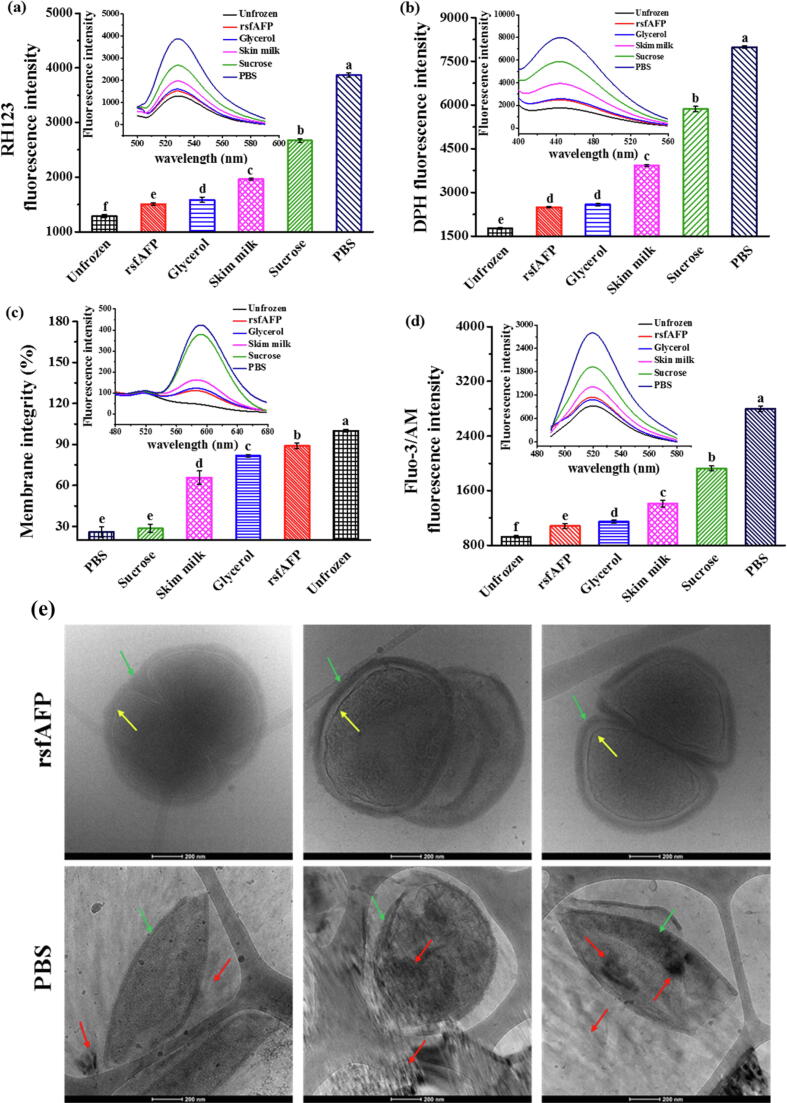
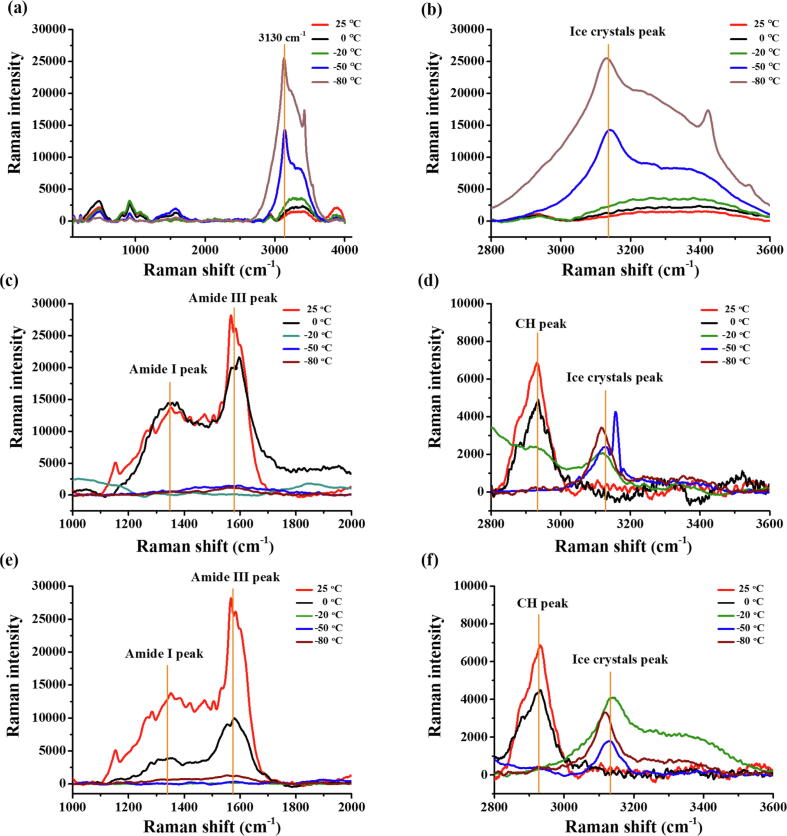
We investigated the cryoprotective effect of rsfAFP on the physiological functions of S. thermophilus under freezing stress by measuring cellular metabolism activity, intracellular enzyme activity, cell membrane characterization, and cell apoptosis. The mechanism by which rsfAFP impacts S. thermophilus physiological functions under freezing stress was investigated using multispectral techniques and cryo-TEM.
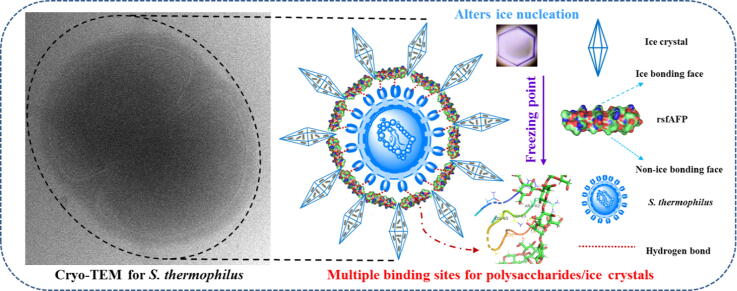
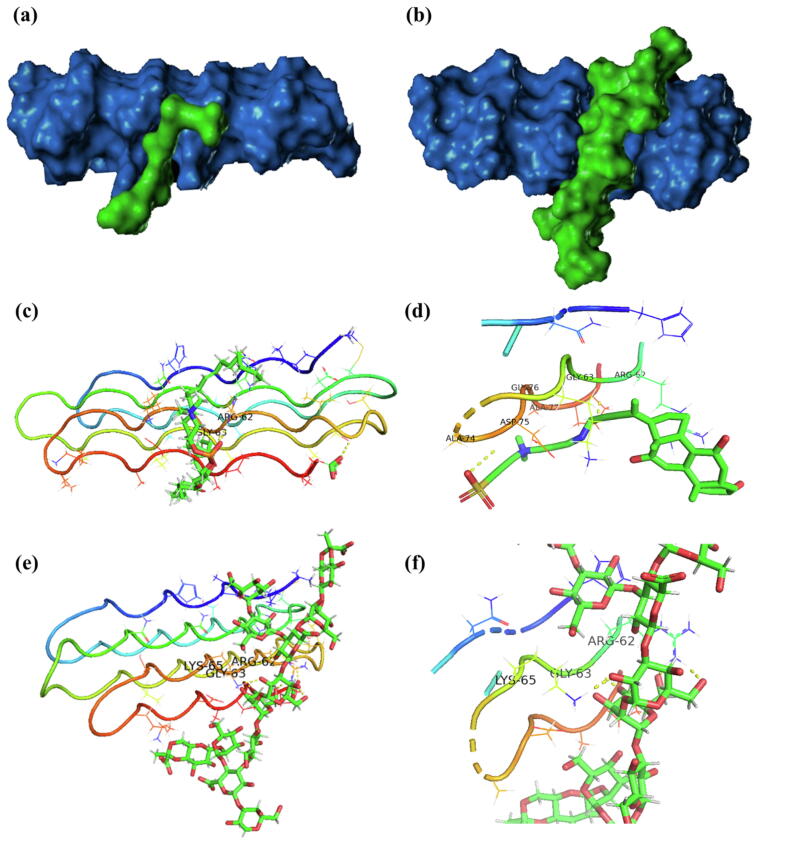
We show that a recombinant antifreeze peptide (rsfAFP) interacts with the extracellular capsular polysaccharides and peptidoglycan of Streptococcus thermophilus and ice to cover the outer layer of the membrane, forming a dense protective layer that regulates the molecular structure of extracellular ice crystals, which results in reduced extracellular membrane damage, depressed apoptosis and increased intracellular metabolic activity. This interaction mechanism was indicated by the fact that S. thermophilus better maintained its permeability barrier, membrane fluidity, membrane structural integrity, and cytoplasmic membrane potential during freezing stress with rsfAFP treatment.
These results provide new insights into the mechanism by which rsfAFP regulates frozen cellphysiological functionsand apoptosis under freezing stress.
抗冻肽调节冷冻细胞的生理功能,甚至调节其细胞凋亡;然而,尽管细胞膜与冰之间的相互作用在这个过程中很重要,但抗冻肽调节这些过程的机制仍不清楚。
本研究旨在探讨抗冻肽在冷冻过程中如何调节细胞的生理功能。
通过测量细胞代谢活性、细胞内酶活性、细胞膜特性和细胞凋亡,研究 rsfAFP 对冷冻应激下嗜热链球菌生理功能的保护作用。使用多光谱技术和 cryo-TEM 研究 rsfAFP 在冷冻应激下对嗜热链球菌生理功能的影响机制。
我们表明,一种重组抗冻肽(rsfAFP)与嗜热链球菌的细胞外荚膜多糖和肽聚糖以及冰相互作用,覆盖在膜的外层,形成密集的保护层,调节细胞外冰晶的分子结构,从而减少细胞外膜的损伤、抑制细胞凋亡并增加细胞内代谢活性。嗜热链球菌在冷冻应激下用 rsfAFP 处理时,其渗透性屏障、膜流动性、膜结构完整性和细胞质膜电位更好地保持,这表明了这种相互作用机制。
这些结果为 rsfAFP 在冷冻应激下调节冷冻细胞生理功能和细胞凋亡的机制提供了新的见解。