Department of Molecular and Cellular Biology, Roswell Park Comprehensive Cancer Center, Buffalo, NY 14203, USA.
Department of Molecular and Cellular Biology, Roswell Park Comprehensive Cancer Center, Buffalo, NY 14203, USA.
Trends Cancer. 2022 Sep;8(9):711-725. doi: 10.1016/j.trecan.2022.04.006. Epub 2022 May 20.
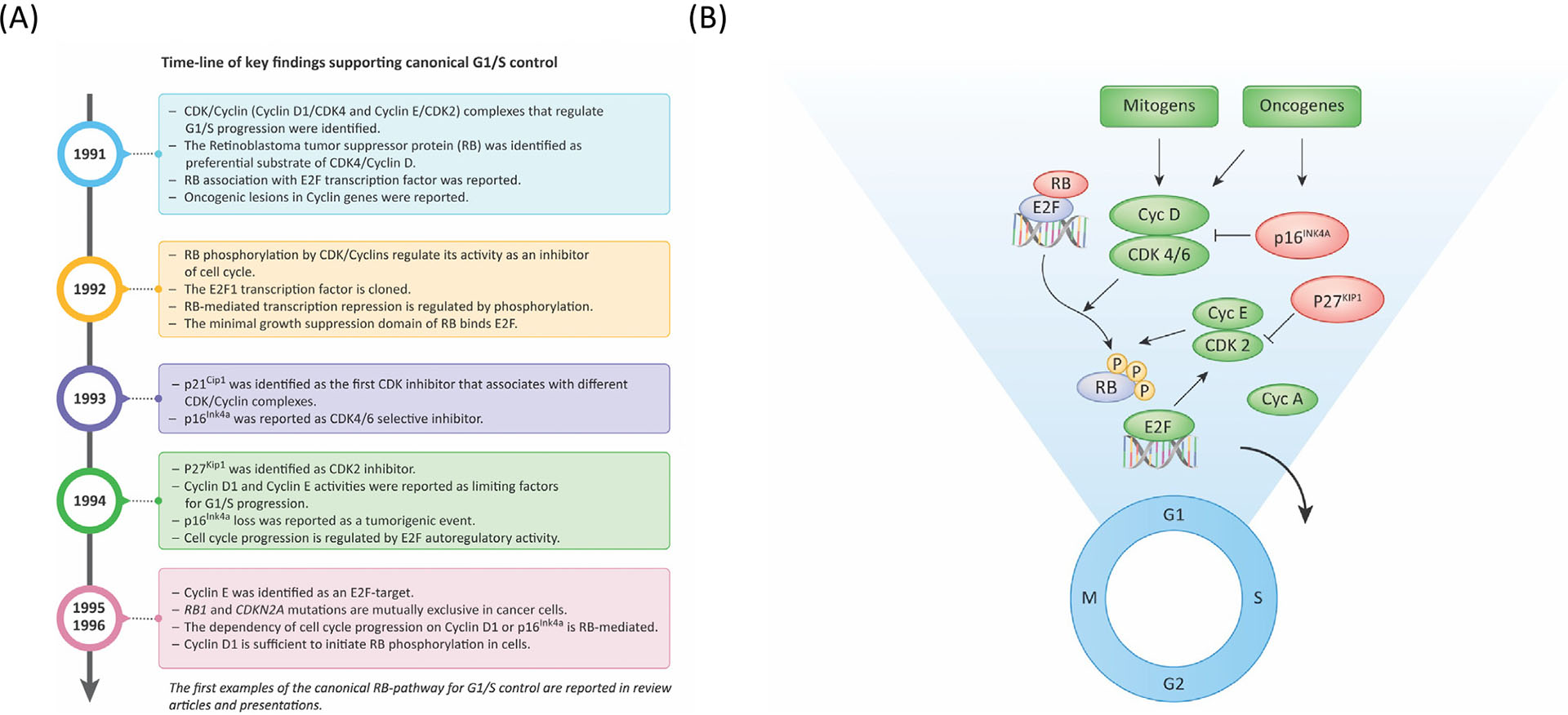
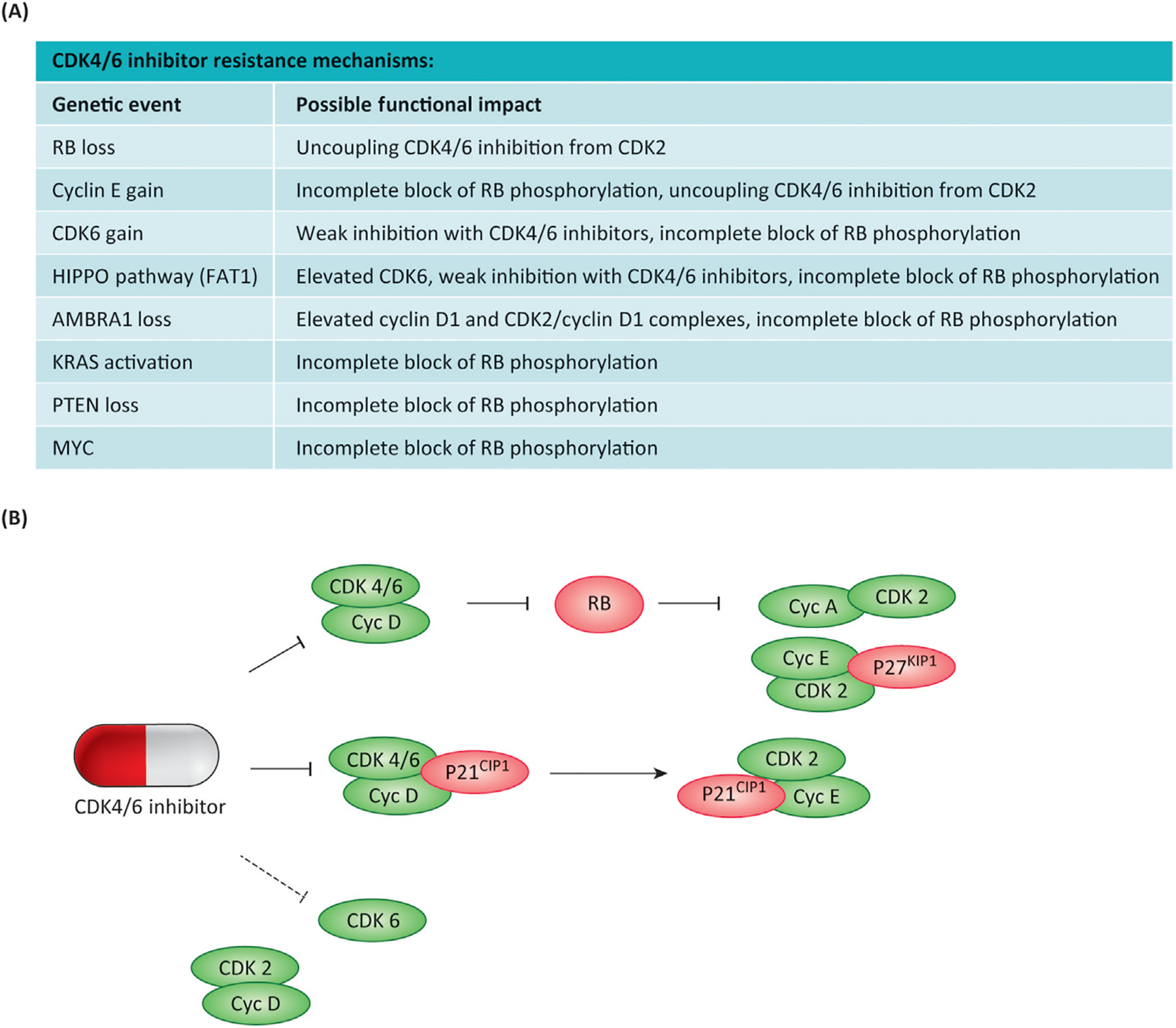
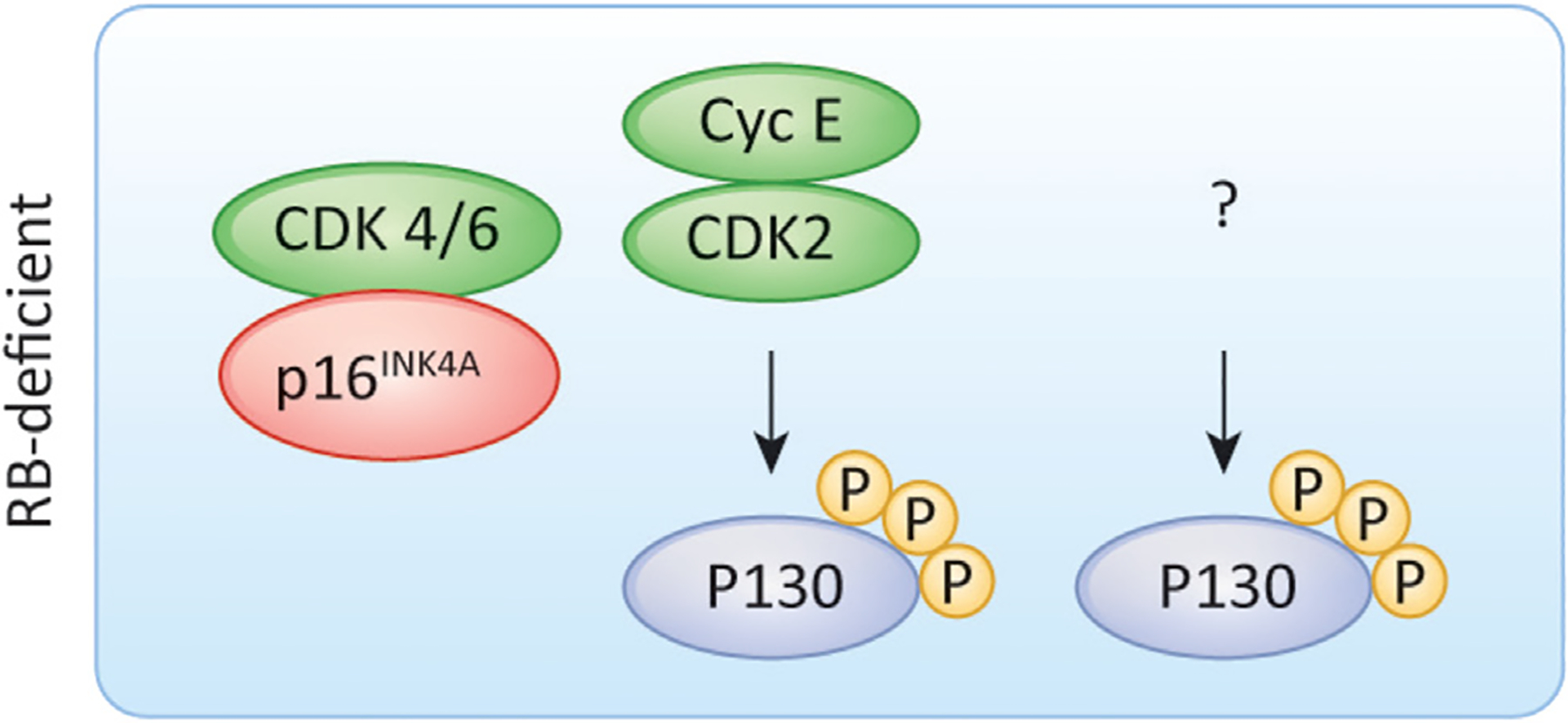
The mammalian cell cycle has been extensively studied regarding cancer etiology, progression, and therapeutic intervention. The canonical cell cycle framework is supported by a plethora of data pointing to a relatively simple linear pathway in which mitogenic signals are integrated in a stepwise fashion to allow progression through G1/S with coordinate actions of cyclin-dependent kinases (CDK)4/6 and CDK2 on the RB tumor suppressor. Recent work on adaptive mechanisms and intrinsic heterogeneous dependencies indicates that G1/S control of the cell cycle is a variable signaling pathway rather than an invariant engine that drives cell division. These alterations can limit the effectiveness of pharmaceutical agents but provide new avenues for therapeutic interventions. These findings support a dystopian view of the cell cycle in cancer where the canonical utopian cell cycle is often not observed. However, recognizing the extent of cell cycle heterogeneity likely creates new opportunities for precision therapeutic approaches specifically targeting these states.
哺乳动物细胞周期在癌症的病因、进展和治疗干预方面已经得到了广泛的研究。经典的细胞周期框架得到了大量数据的支持,这些数据表明,在这个框架中,有一个相对简单的线性途径,其中有丝分裂信号以逐步的方式整合,允许细胞通过 G1/S 期进行,同时细胞周期蛋白依赖性激酶(CDK)4/6 和 CDK2 对 RB 肿瘤抑制因子进行协调作用。最近关于适应性机制和内在异质依赖性的研究工作表明,G1/S 期对细胞周期的控制是一个可变的信号通路,而不是驱动细胞分裂的不变引擎。这些改变可能会限制药物制剂的有效性,但为治疗干预提供了新的途径。这些发现支持了癌症中细胞周期的反乌托邦观点,在这种观点中,经典的乌托邦细胞周期通常是观察不到的。然而,认识到细胞周期异质性的程度可能会为专门针对这些状态的精确治疗方法创造新的机会。