DILIsym Services, a Division of Simulations Plus, 510-862-6027, 6 Davis Drive, PO Box 12317, Research Triangle Park, North Carolina, 27709, USA.
Pharm Res. 2022 Aug;39(8):1789-1802. doi: 10.1007/s11095-022-03295-x. Epub 2022 May 24.
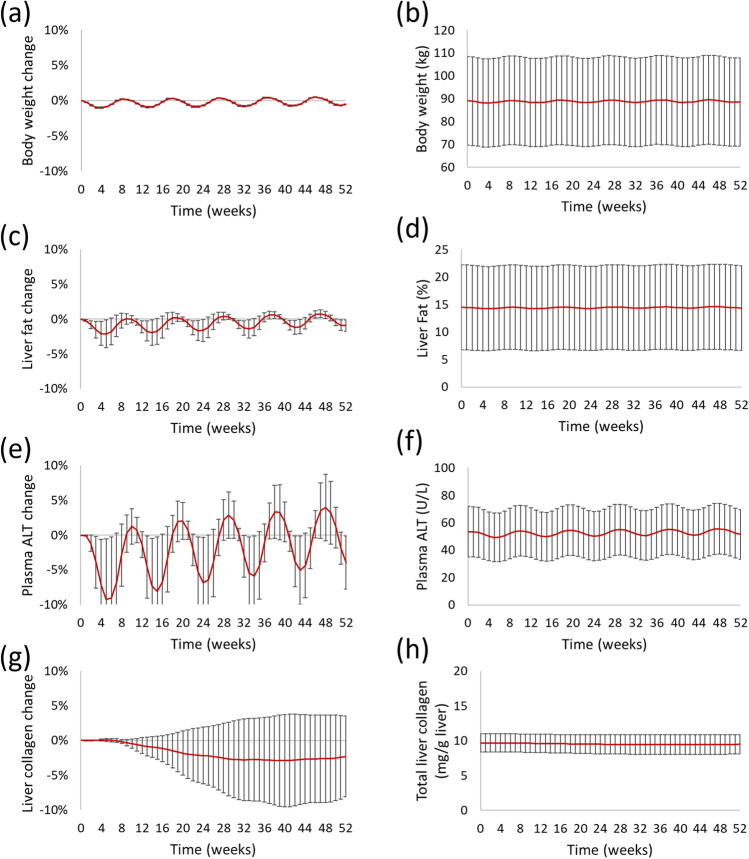
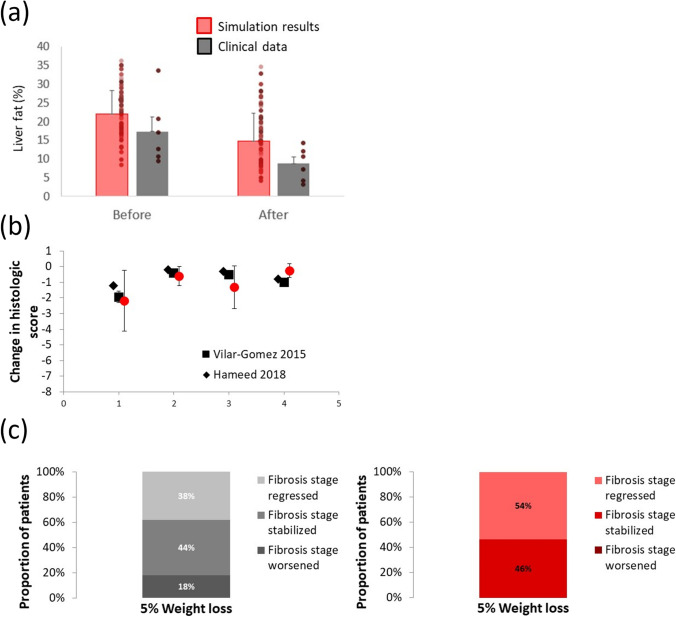
Nonalcoholic steatohepatitis (NASH) is a widely prevalent disease, but approved pharmaceutical treatments are not available. As such, there is great activity within the pharmaceutical industry to accelerate drug development in this area and improve the quality of life and reduce mortality for NASH patients. The use of quantitative systems pharmacology (QSP) can help make this overall process more efficient. This mechanism-based mathematical modeling approach describes both the pathophysiology of a disease and how pharmacological interventions can modify pathophysiologic mechanisms. Multiple capabilities are provided by QSP modeling, including the use of model predictions to optimize clinical studies. The use of this approach has grown over the last 20 years, motivating discussions between modelers and regulators to agree upon methodologic standards. These include model transparency, documentation, and inclusion of clinical pharmacodynamic biomarkers. Several QSP models have been developed that describe NASH pathophysiology to varying extents. One specific application of NAFLDsym, a QSP model of NASH, is described in this manuscript. Simulations were performed to help understand if patient behaviors could help explain the relatively high rate of fibrosis stage reductions in placebo cohorts. Simulated food intake and body weight fluctuated periodically over time. The relatively slow turnover of liver collagen allowed persistent reductions in predicted fibrosis stage despite return to baseline for liver fat, plasma ALT, and the NAFLD activity score. Mechanistic insights such as this that have been derived from QSP models can help expedite the development of safe and effective treatments for NASH patients.
非酒精性脂肪性肝炎(NASH)是一种广泛存在的疾病,但目前尚无批准的药物治疗方法。因此,制药行业非常活跃,致力于加速该领域的药物开发,提高 NASH 患者的生活质量并降低死亡率。定量系统药理学(QSP)的应用可以帮助提高整体效率。这种基于机制的数学建模方法描述了疾病的病理生理学以及药物干预如何改变病理生理机制。QSP 建模提供了多种功能,包括使用模型预测来优化临床研究。这种方法的应用在过去 20 年中不断增加,促使建模者和监管机构之间进行讨论,以达成方法标准。这些标准包括模型透明度、文件记录以及包含临床药效动力学生物标志物。已经开发了几种描述 NASH 病理生理学的 QSP 模型,其详细程度各有不同。本文描述了 QSP 模型 NAFLDsym 在 NASH 中的一种具体应用。进行了模拟以帮助理解患者行为是否有助于解释安慰剂组中纤维化程度相对较高的降低率。模拟食物摄入量和体重随时间周期性波动。肝脏胶原的周转率相对较慢,尽管肝脏脂肪、血浆 ALT 和非酒精性脂肪性肝病活动评分恢复到基线,但仍持续降低预测的纤维化程度。从 QSP 模型中得出的这种机制见解可以帮助加快为 NASH 患者开发安全有效的治疗方法。