Liu Ruolan, Peng Liyuan, Zhou Li, Huang Zhao, Zhou Chengwei, Huang Canhua
School of Basic Medical Sciences, Chengdu University of Traditional Chinese Medicine, Chengdu 611137, China.
State Key Laboratory of Biotherapy and Cancer Center, West China Hospital, and West China School of Basic Medical Sciences & Forensic Medicine, Sichuan University, and Collaborative Innovation Center for Biotherapy, Chengdu 610041, China.
Antioxidants (Basel). 2022 Apr 27;11(5):853. doi: 10.3390/antiox11050853.
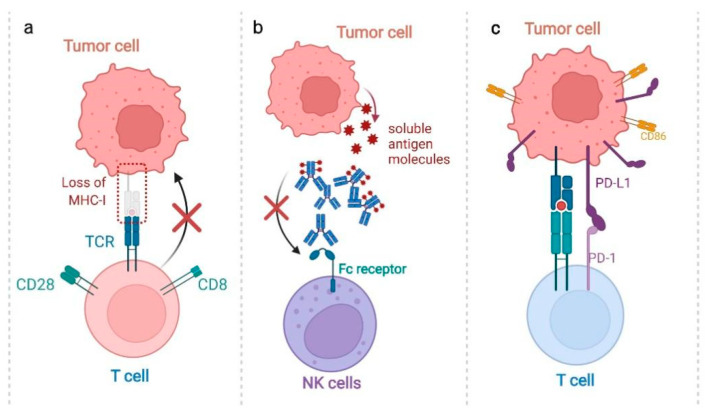
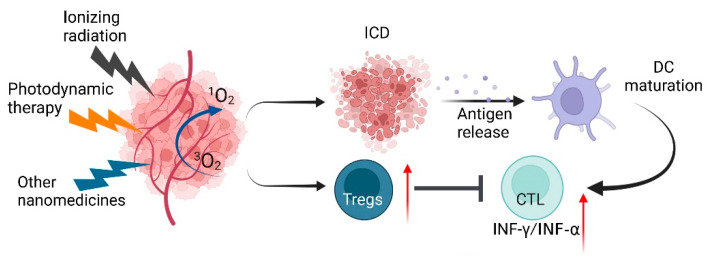
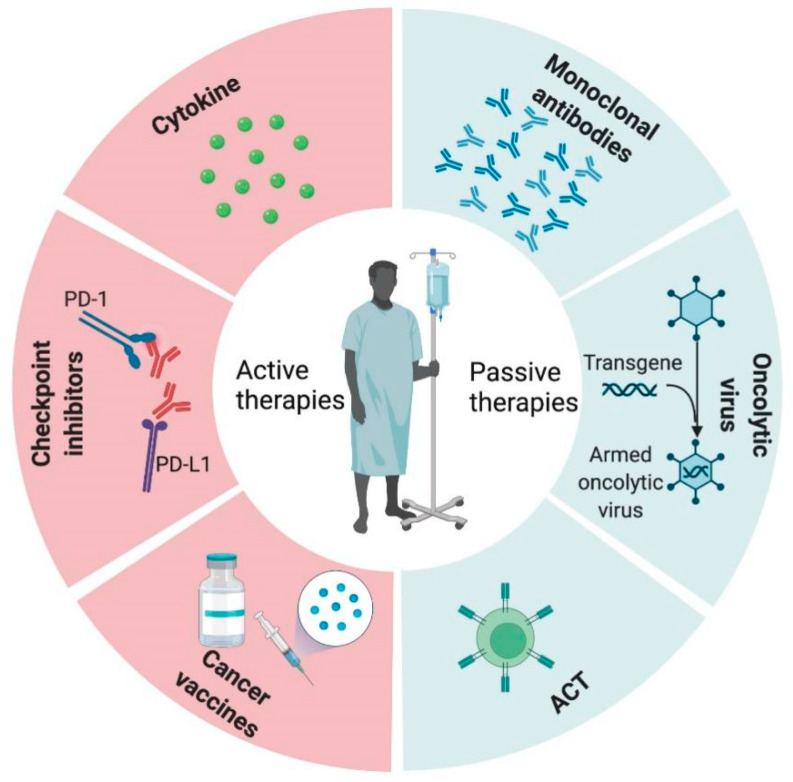
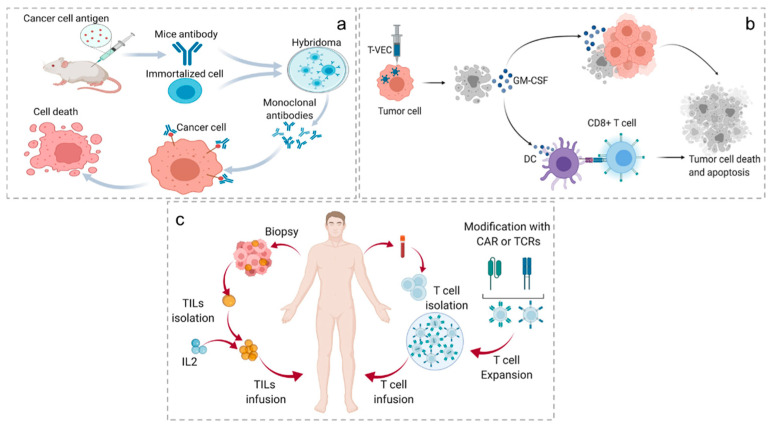
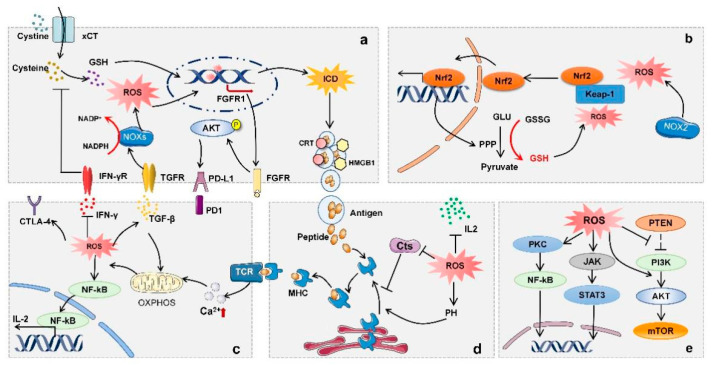
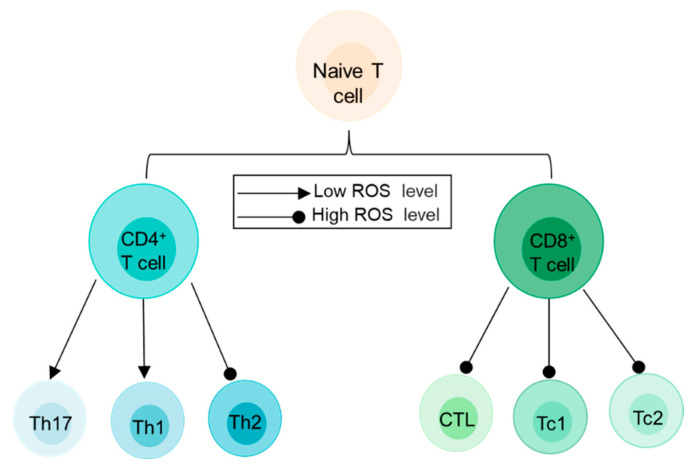
Immunotherapy is an effective treatment option that revolutionizes the management of various cancers. Nevertheless, only a subset of patients receiving immunotherapy exhibit durable responses. Recently, numerous studies have shown that oxidative stress induced by reactive oxygen species (ROS) plays essential regulatory roles in the tumor immune response, thus regulating immunotherapeutic effects. Specifically, studies have revealed key roles of ROS in promoting the release of tumor-associated antigens, manipulating antigen presentation and recognition, regulating immune cell phenotypic differentiation, increasing immune cell tumor infiltration, preventing immune escape and diminishing immune suppression. In the present study, we briefly summarize the main classes of cancer immunotherapeutic strategies and discuss the interplay between oxidative stress and anticancer immunity, with an emphasis on the molecular mechanisms underlying the oxidative stress-regulated treatment response to cancer immunotherapy. Moreover, we highlight the therapeutic opportunities of manipulating oxidative stress to improve the antitumor immune response, which may improve the clinical outcome.
免疫疗法是一种有效的治疗选择,它彻底改变了各种癌症的治疗方式。然而,接受免疫疗法的患者中只有一部分表现出持久的反应。最近,大量研究表明,活性氧(ROS)诱导的氧化应激在肿瘤免疫反应中起重要调节作用,从而调节免疫治疗效果。具体而言,研究揭示了ROS在促进肿瘤相关抗原释放、操纵抗原呈递和识别、调节免疫细胞表型分化、增加免疫细胞肿瘤浸润、防止免疫逃逸和减少免疫抑制方面的关键作用。在本研究中,我们简要总结了癌症免疫治疗策略的主要类别,并讨论了氧化应激与抗癌免疫之间的相互作用,重点是氧化应激调节癌症免疫治疗反应的分子机制。此外,我们强调了通过操纵氧化应激来改善抗肿瘤免疫反应的治疗机会,这可能会改善临床结果。