Roda Barbara, Zhang Nan, Gambari Laura, Grigolo Brunella, Eller-Vainicher Cristina, Gennari Luigi, Zappi Alessandro, Giordani Stefano, Marassi Valentina, Zattoni Andrea, Reschiglian Pierluigi, Grassi Francesco
Department of Chemistry "G. Ciamician", University of Bologna, 40126 Bologna, Italy.
byFlow SRL, 40129 Bologna, Italy.
Antioxidants (Basel). 2022 May 10;11(5):939. doi: 10.3390/antiox11050939.
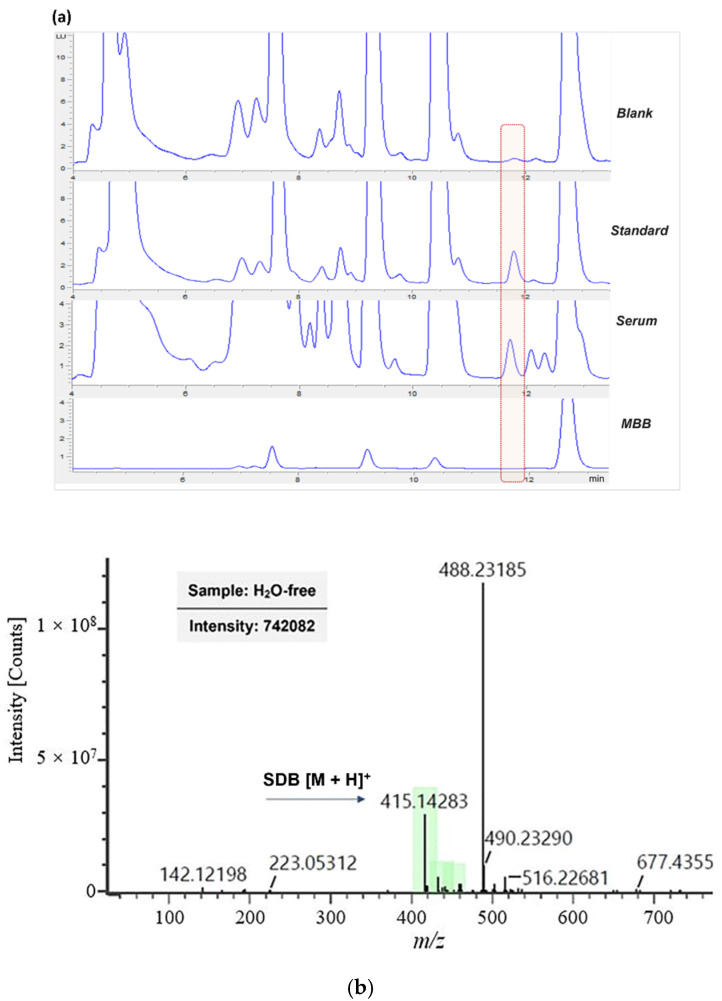
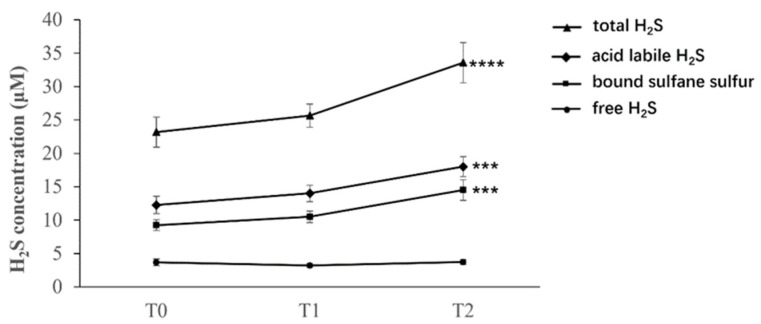
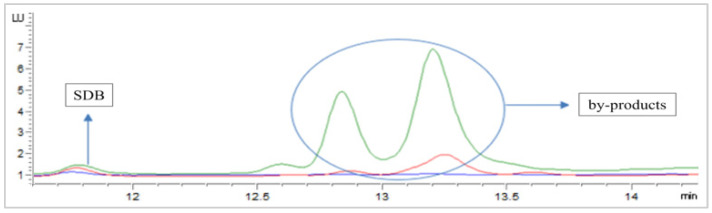
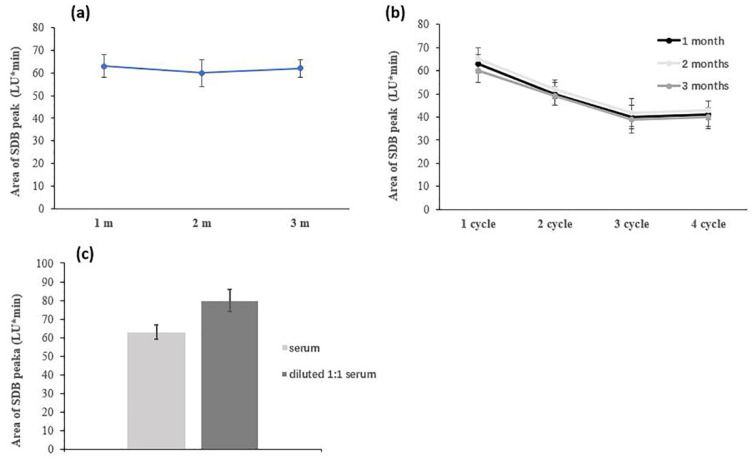
(1) Background: Hydrogen sulfide (HS) is a widely recognized gasotransmitter, with key roles in physiological and pathological processes. The accurate quantification of HS and reactive sulfur species (RSS) may hold important implications for the diagnosis and prognosis of diseases. However, HS species quantification in biological matrices is still a challenge. Among the sulfide detection methods, monobromobimane (MBB) derivatization coupled with reversed phase high-performance liquid chromatography (RP-HPLC) is one of the most reported. However, it is characterized by a complex preparation and time-consuming process, which may alter the actual HS level; moreover, a quantitative validation has still not been described. (2) Methods: We developed and validated an improved analytical protocol for the MBB RP-HPLC method. MBB concentration, temperature and sample handling were optimized, and the calibration method was validated using leave-one-out cross-validation and tested in a clinical setting. (3) Results: The method shows high sensitivity and allows the quantification of HS species, with a limit of detection of 0.5 µM. Finally, it can be successfully applied in measurements of HS levels in the serum of patients subjected to inhalation with vapors rich in HS. (4) Conclusions: These data demonstrate that the proposed method is precise and reliable for measuring HS species in biological matrices and can be used to provide key insights into the etiopathogenesis of several diseases and sulfur-based treatments.
(1) 背景:硫化氢(HS)是一种广泛认可的气体信号分子,在生理和病理过程中发挥关键作用。准确量化HS和活性硫物种(RSS)可能对疾病的诊断和预后具有重要意义。然而,在生物基质中对HS物种进行量化仍然是一项挑战。在硫化物检测方法中,单溴代双硫腙(MBB)衍生化结合反相高效液相色谱法(RP-HPLC)是报道最多的方法之一。然而,其特点是制备过程复杂且耗时,这可能会改变实际的HS水平;此外,尚未有定量验证的描述。(2) 方法:我们开发并验证了一种改进的MBB RP-HPLC分析方案。对MBB浓度、温度和样品处理进行了优化,并使用留一法交叉验证对校准方法进行了验证,并在临床环境中进行了测试。(3) 结果:该方法显示出高灵敏度,能够对HS物种进行量化,检测限为0.5 μM。最后,它可以成功应用于吸入富含HS蒸汽的患者血清中HS水平的测量。(4) 结论:这些数据表明,所提出的方法在测量生物基质中的HS物种方面精确且可靠,可用于为几种疾病的病因发病机制和基于硫的治疗提供关键见解。