Galli Francesco, Bonomini Mario, Bartolini Desirée, Zatini Linda, Reboldi Gianpaolo, Marcantonini Giada, Gentile Giorgio, Sirolli Vittorio, Di Pietro Natalia
Department of Pharmaceutical Science, University of Perugia, 06126 Perugia, Italy.
Department of Medicine and Aging, G. d'Annunzio University Chieti-Pescara, 66100 Chieti, Italy.
Antioxidants (Basel). 2022 May 18;11(5):989. doi: 10.3390/antiox11050989.
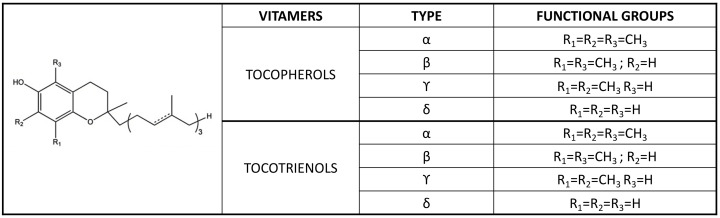
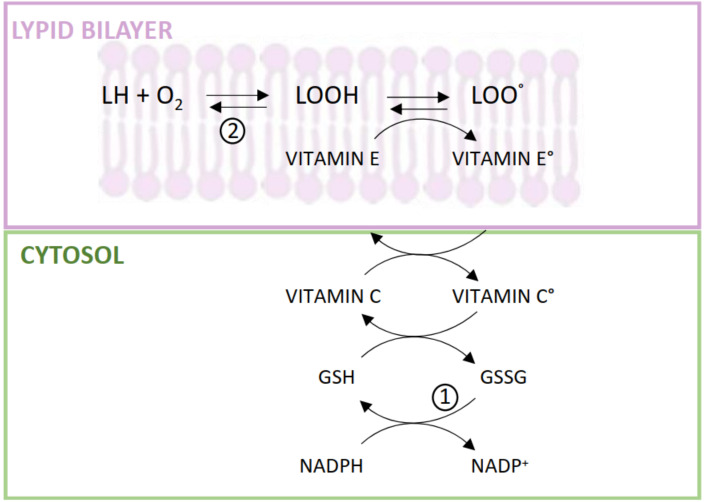
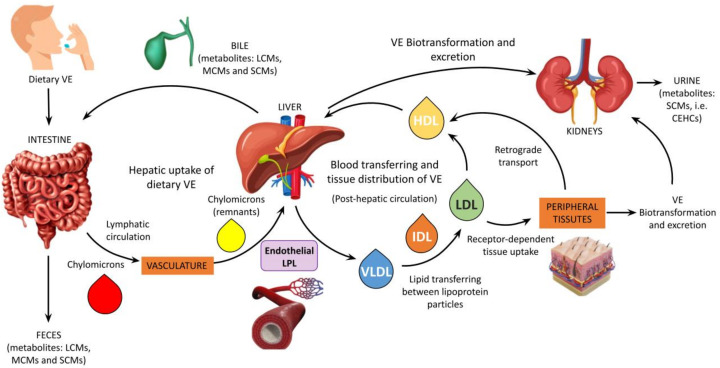
Vitamin E (alpha-tocopherol) is an essential micronutrient and fat-soluble antioxidant with proposed role in protecting tissues from uncontrolled lipid peroxidation. This vitamin has also important protein function and gene modulation effects. The metabolism of vitamin E depends on hepatic binding proteins that selectively retain food alpha-tocopherol for incorporation into nascent VLDL and tissue distribution together with esterified cholesterol and triglycerides. Chronic kidney disease (CKD) is a condition of oxidative stress and increased lipid peroxidation, that are associated with alterations of alpha-tocopherol metabolism and function. Specific changes have been reported for the levels of its enzymatic metabolites, including both short-chain and long-chain metabolites, the latter being endowed with regulatory functions on enzymatic and gene expression processes important for the metabolism of lipids and xenobiotics detoxification, as well as for the control of immune and inflammatory processes. Vitamin E therapy has been investigated in CKD using both oral vitamin E protocols and vitamin E-coated hemodialyzers, showing promising results in the secondary prevention of cardiovascular disease, as well as of immune and hematological complications. These therapeutic approaches are reviewed in the present article, together with a narrative excursus on the main findings indicating CKD as a condition of relative deficiency and impaired metabolism of vitamin E.
维生素E(α-生育酚)是一种必需的微量营养素和脂溶性抗氧化剂,在保护组织免受不受控制的脂质过氧化方面具有重要作用。这种维生素还具有重要的蛋白质功能和基因调节作用。维生素E的代谢依赖于肝脏结合蛋白,这些蛋白选择性地保留食物中的α-生育酚,以便与酯化胆固醇和甘油三酯一起掺入新生的极低密度脂蛋白(VLDL)并进行组织分布。慢性肾脏病(CKD)是一种氧化应激和脂质过氧化增加的疾病,与α-生育酚代谢和功能的改变有关。已经报道了其酶代谢产物水平的特定变化,包括短链和长链代谢产物,后者对脂质代谢和外源性物质解毒以及免疫和炎症过程控制中重要的酶和基因表达过程具有调节功能。已经使用口服维生素E方案和维生素E包被的血液透析器对CKD中的维生素E治疗进行了研究,在心血管疾病以及免疫和血液学并发症的二级预防中显示出有希望的结果。本文对这些治疗方法进行了综述,并对主要研究结果进行了叙述性探讨,这些结果表明CKD是一种维生素E相对缺乏和代谢受损的疾病。