GROW Research Laboratory, Narayana Nethralaya Foundation, Bangalore 560099, India.
Department of Cardiology, Cardiovascular Research Institute Maastricht (CARIM), Maastricht University, 6229 ER Maastricht, The Netherlands.
Cells. 2022 May 18;11(10):1668. doi: 10.3390/cells11101668.
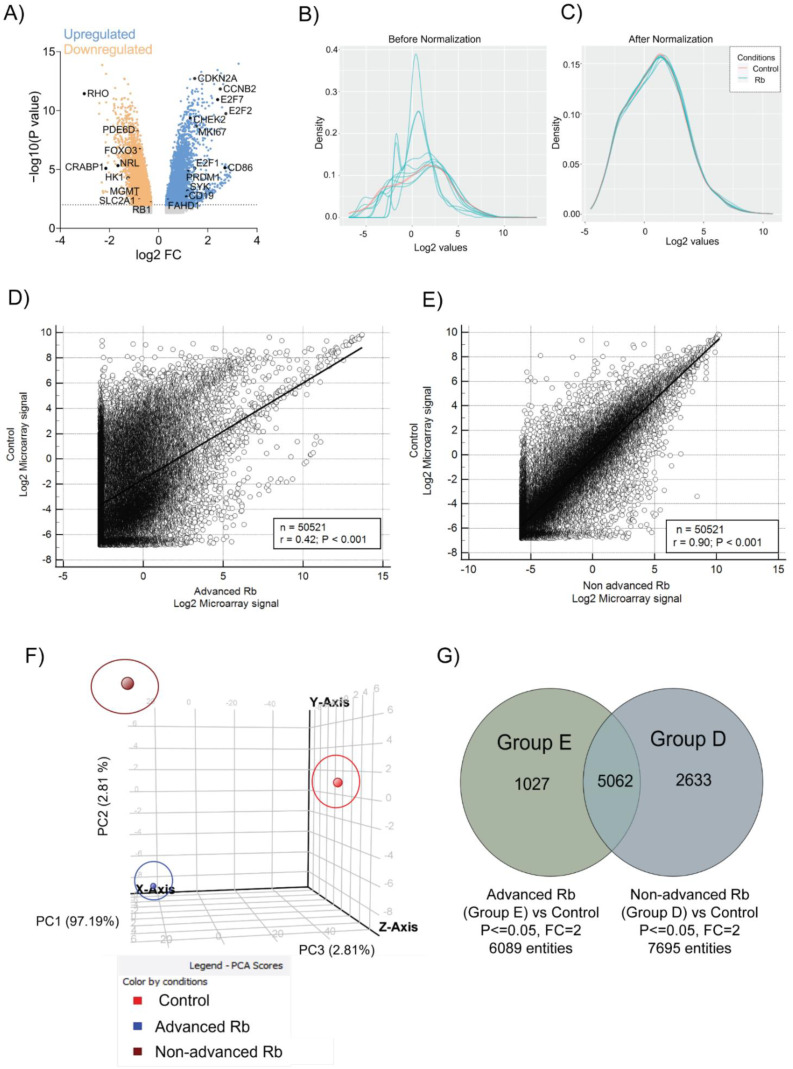
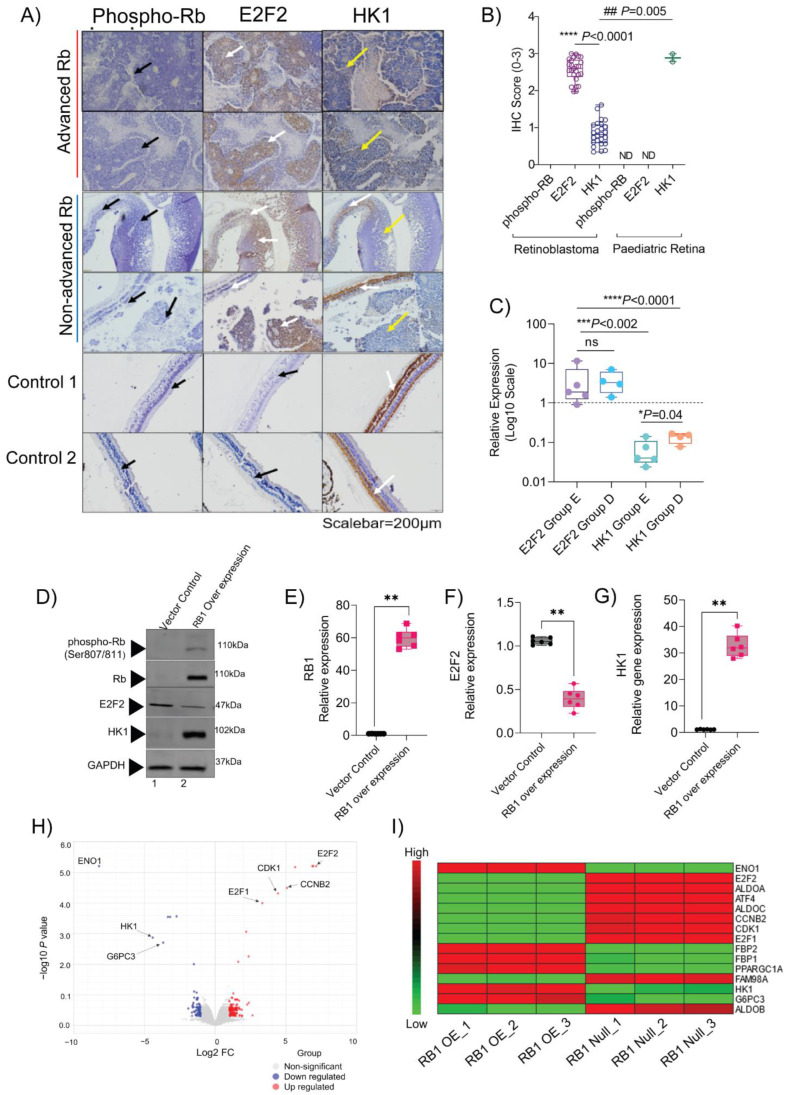
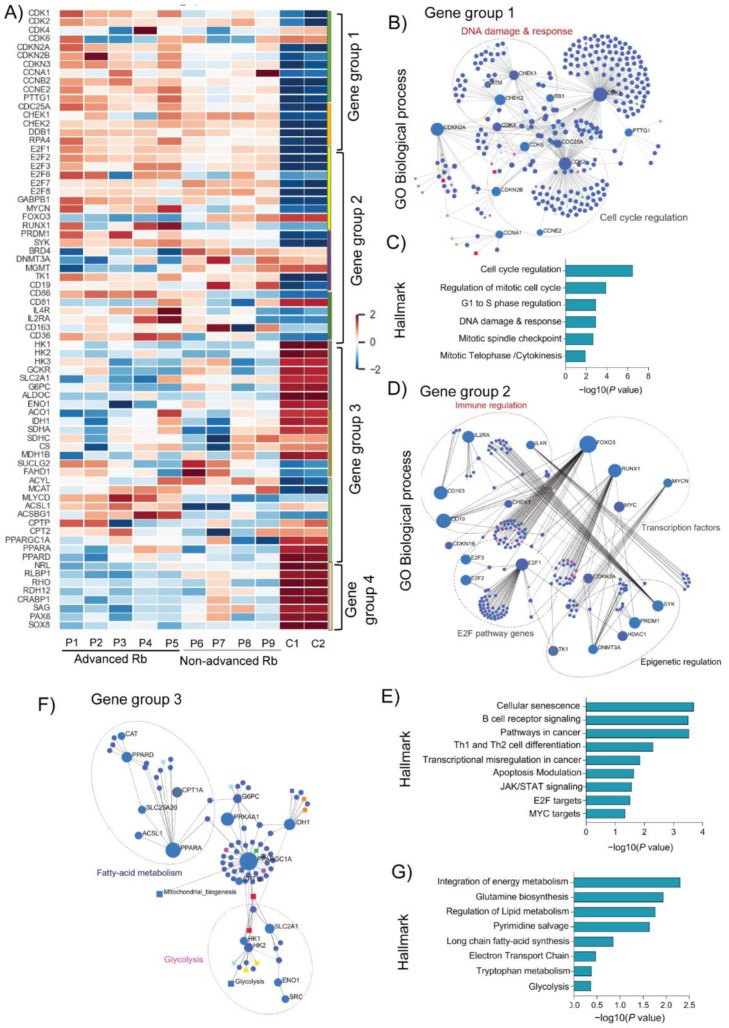
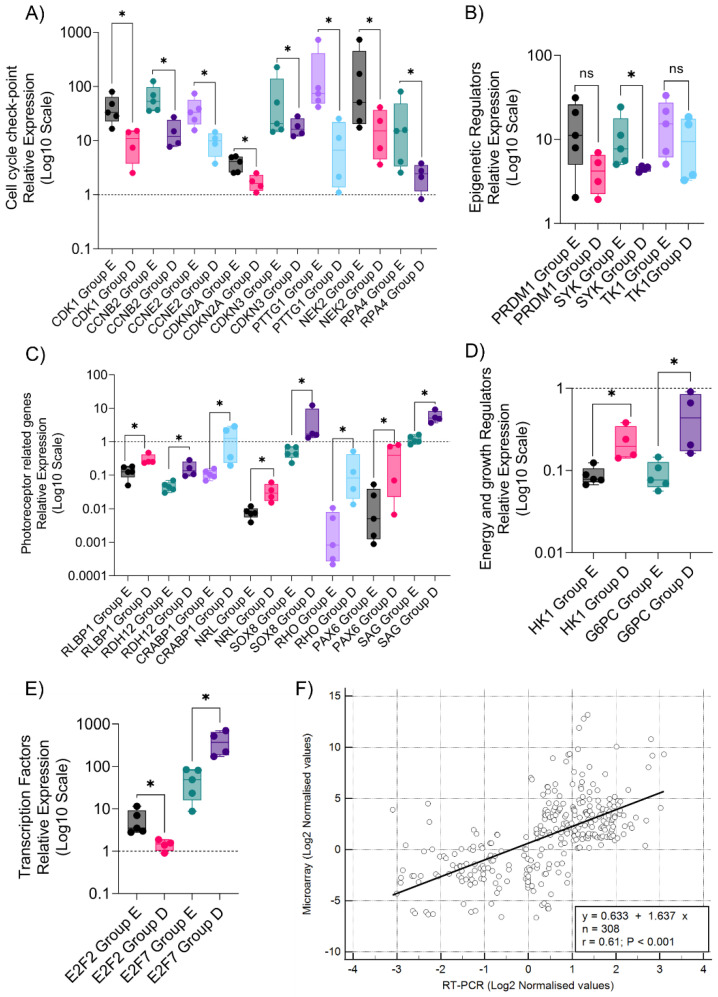
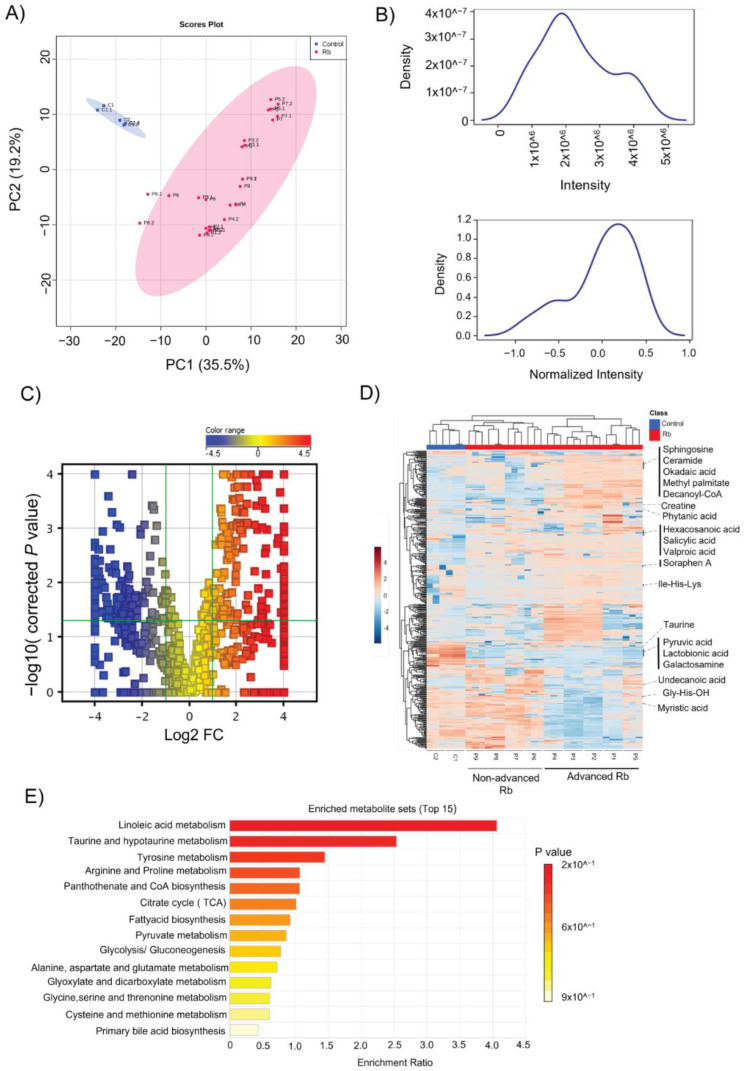
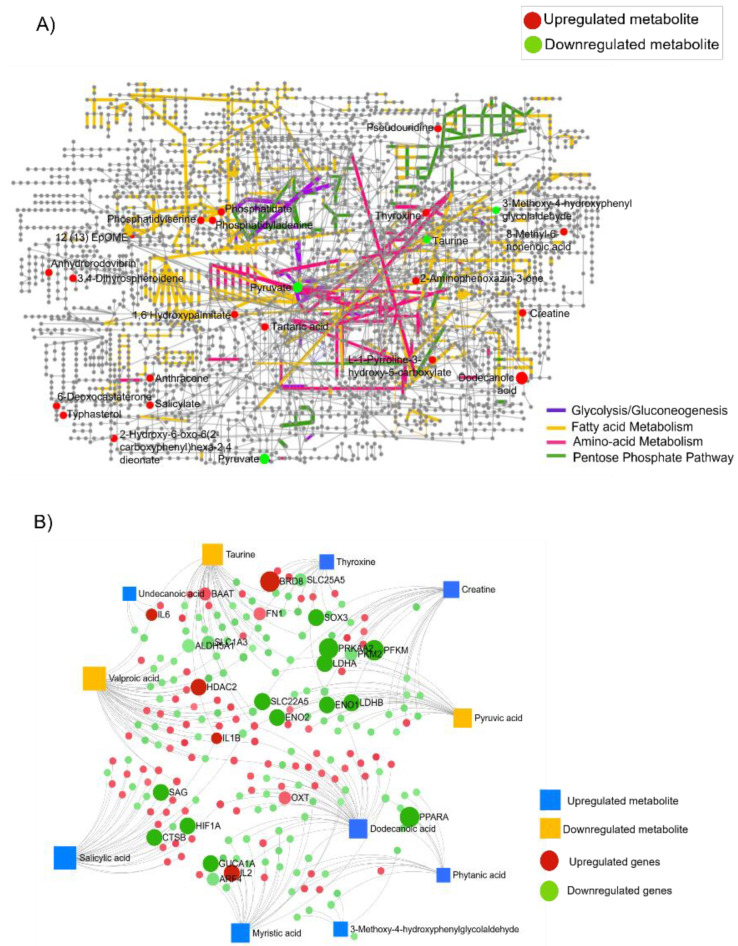
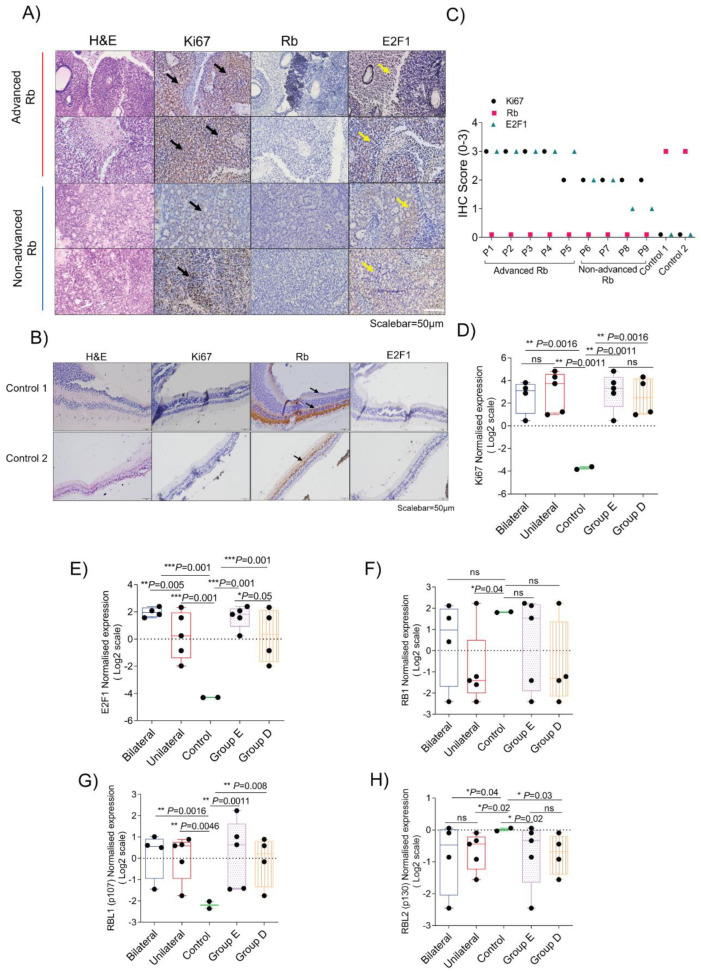
Retinoblastoma (Rb) is a pediatric intraocular malignancy that is proposed to originate from maturing cone cell precursors in the developing retina. The molecular mechanisms underlying the biological and clinical behaviors are important to understand in order to improve the management of advanced-stage tumors. While the genetic causes of Rb are known, an integrated understanding of the gene expression and metabolic processes in tumors of human eyes is deficient. By integrating transcriptomic profiling from tumor tissues and metabolomics from tumorous eye vitreous humor samples (with healthy, age-matched pediatric retinae and vitreous samples as controls), we uncover unique functional associations between genes and metabolites. We found distinct gene expression patterns between clinically advanced and non-advanced Rb. Global metabolomic analysis of the vitreous humor of the same Rb eyes revealed distinctly altered metabolites, indicating how tumor metabolism has diverged from healthy pediatric retina. Several key enzymes that are related to cellular energy production, such as hexokinase 1, were found to be reduced in a manner corresponding to altered metabolites; notably, a reduction in pyruvate levels. Similarly, E2F2 was the most significantly elevated E2F family member in our cohort that is part of the cell cycle regulatory circuit. Ectopic expression of the wild-type gene in the Rb-null Y79 and WERI-Rb1 cells rescued hexokinase 1 expression, while E2F2 levels were repressed. In an additional set of Rb tumor samples and pediatric healthy controls, we further validated differences in the expression of HK1 and E2F2. Through an integrated omics analysis of the transcriptomics and metabolomics of Rb, we uncovered a significantly altered tumor-specific metabolic circuit that reduces its dependence on glycolytic pathways and is governed by Rb1 and HK1.
视网膜母细胞瘤(Rb)是一种儿童眼内恶性肿瘤,据推测起源于发育中的视网膜中成熟的锥形细胞前体。为了改善晚期肿瘤的治疗,了解其生物学和临床行为的分子机制非常重要。虽然 Rb 的遗传原因已为人所知,但对人眼肿瘤的基因表达和代谢过程的综合理解还存在不足。通过整合肿瘤组织的转录组谱和肿瘤性眼玻璃体液样本的代谢组学(以健康、年龄匹配的儿科视网膜和玻璃体液样本作为对照),我们揭示了基因和代谢物之间独特的功能关联。我们发现临床晚期和非晚期 Rb 之间存在明显不同的基因表达模式。同一 Rb 眼中玻璃体液的全局代谢组学分析显示代谢物明显改变,表明肿瘤代谢与健康儿科视网膜已经出现分歧。几种与细胞能量产生有关的关键酶,如己糖激酶 1,其水平降低与代谢物改变相对应;值得注意的是,丙酮酸水平降低。同样,E2F2 是我们研究队列中细胞周期调控回路中上调最显著的 E2F 家族成员。在 Rb 缺失的 Y79 和 WERI-Rb1 细胞中异位表达野生型 基因可挽救己糖激酶 1 的表达,而 E2F2 水平则受到抑制。在另外一组 Rb 肿瘤样本和儿科健康对照中,我们进一步验证了 HK1 和 E2F2 表达的差异。通过对 Rb 的转录组学和代谢组学进行综合分析,我们揭示了一个明显改变的肿瘤特异性代谢回路,该回路降低了对糖酵解途径的依赖,并受 Rb1 和 HK1 调控。