Institut für Biochemie und Molekularbiologie, Universitätsklinikum Bonn, Rheinische Friedrich-Wilhelms-Universität Bonn, 53115 Bonn, Germany.
Core Facility Mass Spectrometry, Universitätsklinikum Bonn, Rheinische Friedrich-Wilhelms-Universität Bonn, 53115 Bonn, Germany.
Int J Mol Sci. 2022 May 11;23(10):5361. doi: 10.3390/ijms23105361.
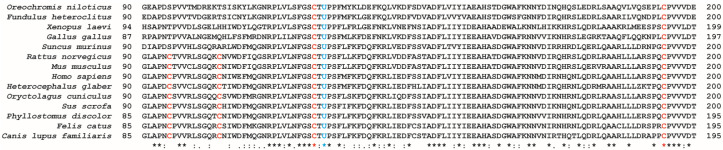
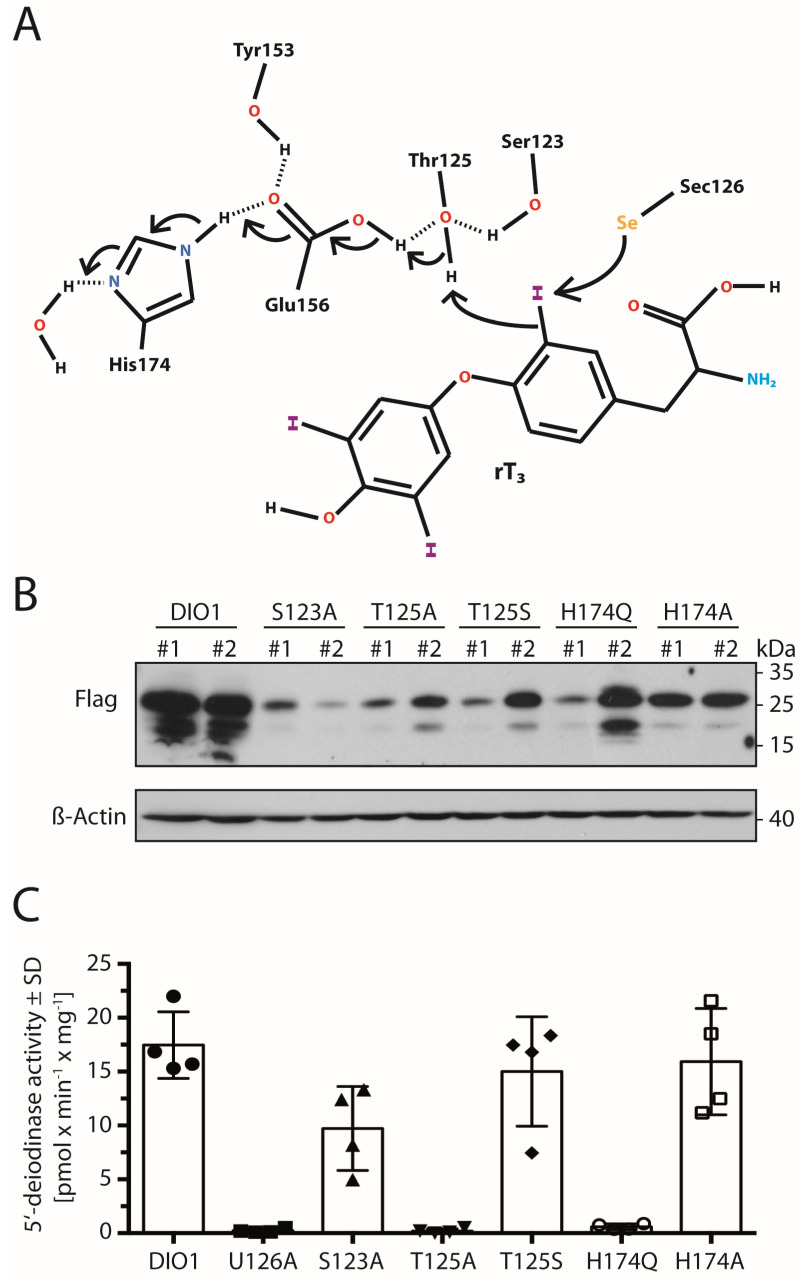
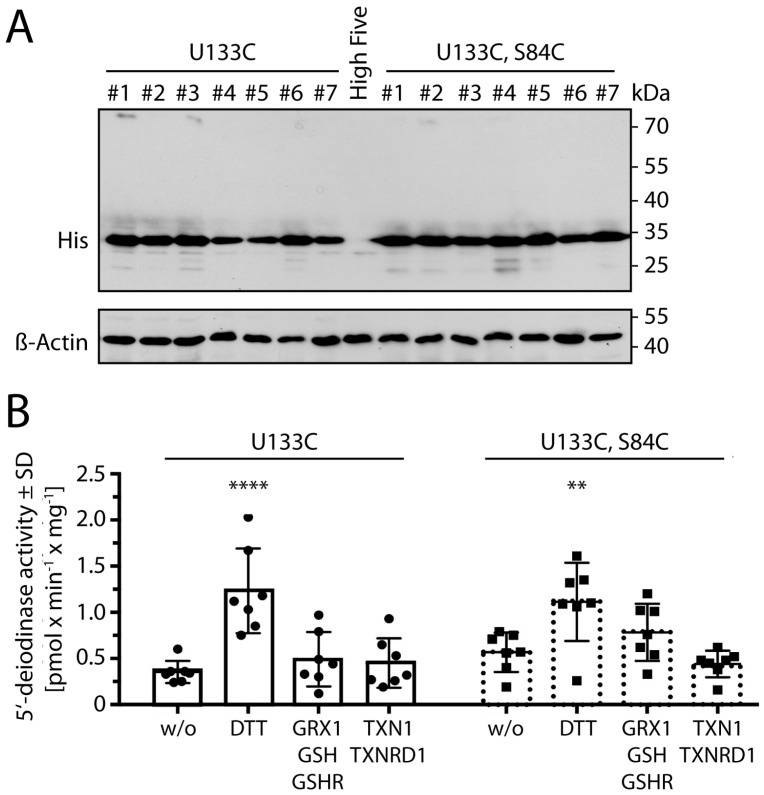
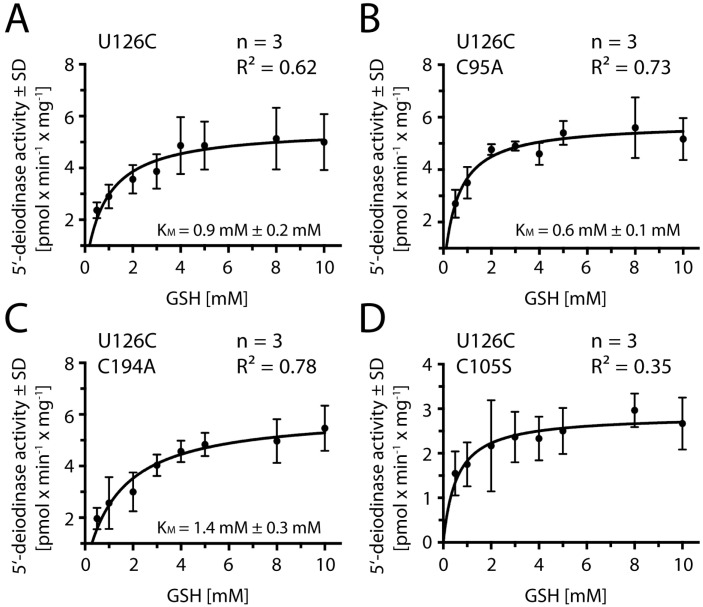
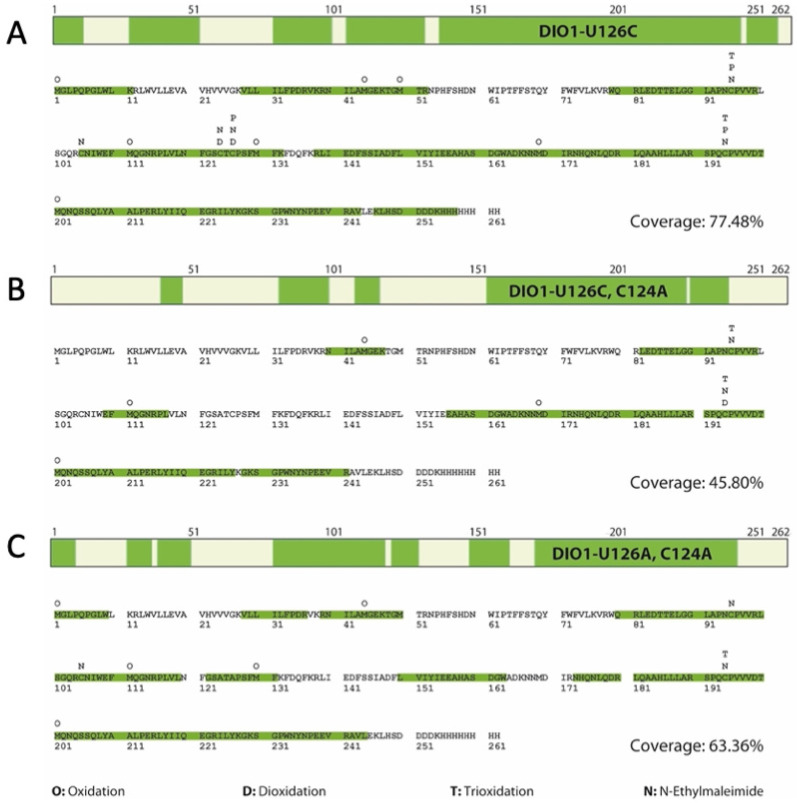
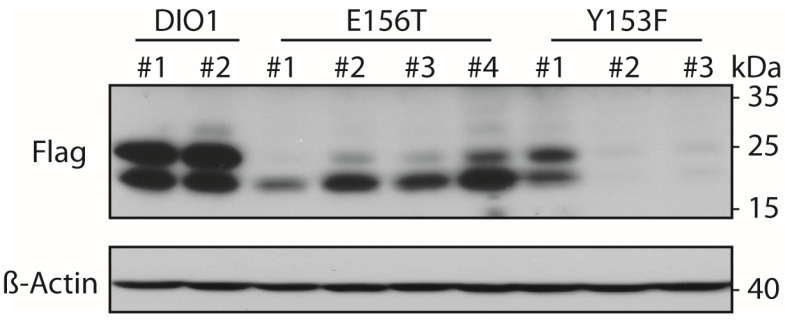
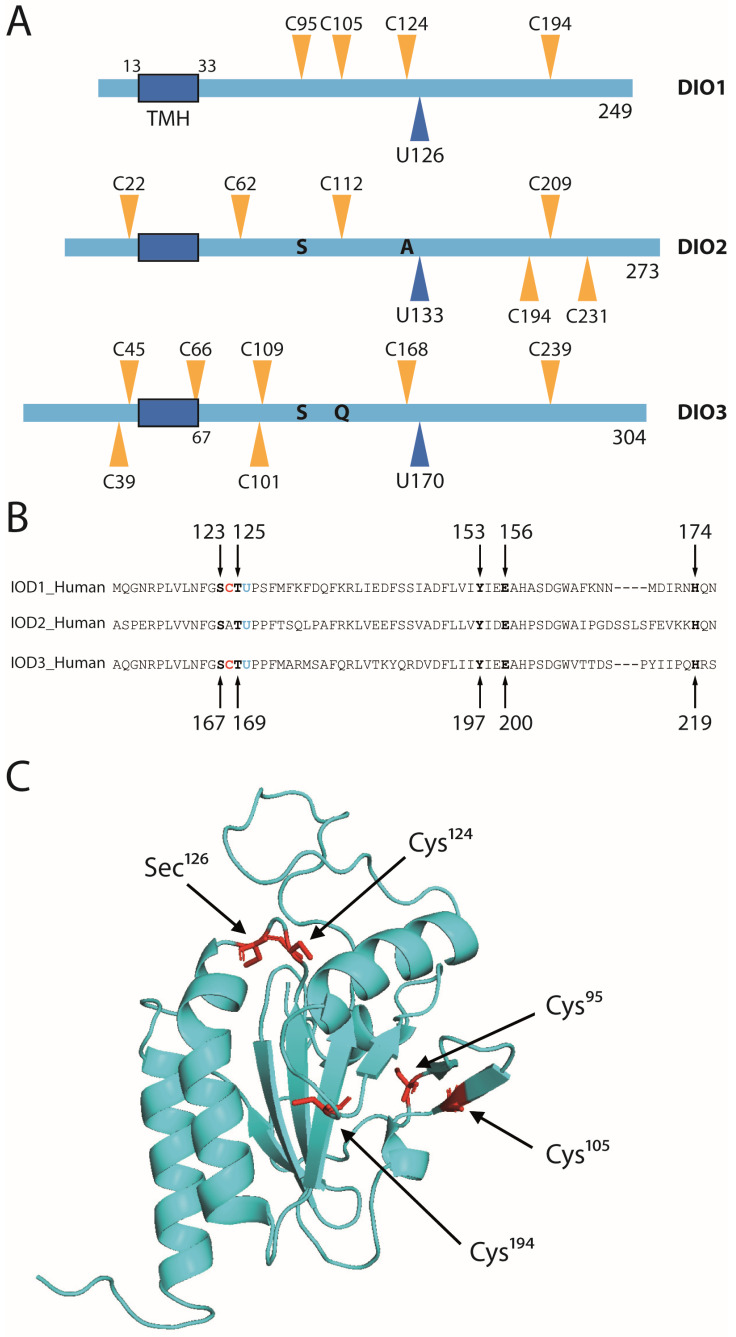
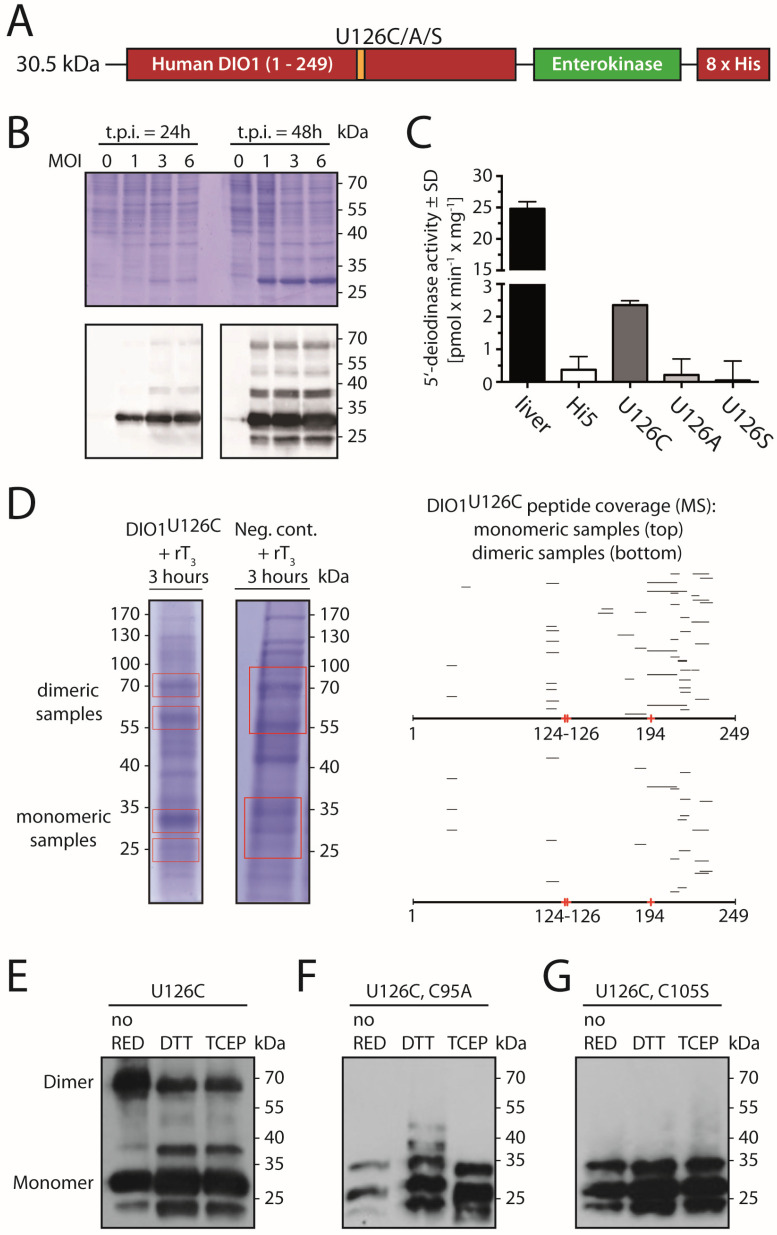
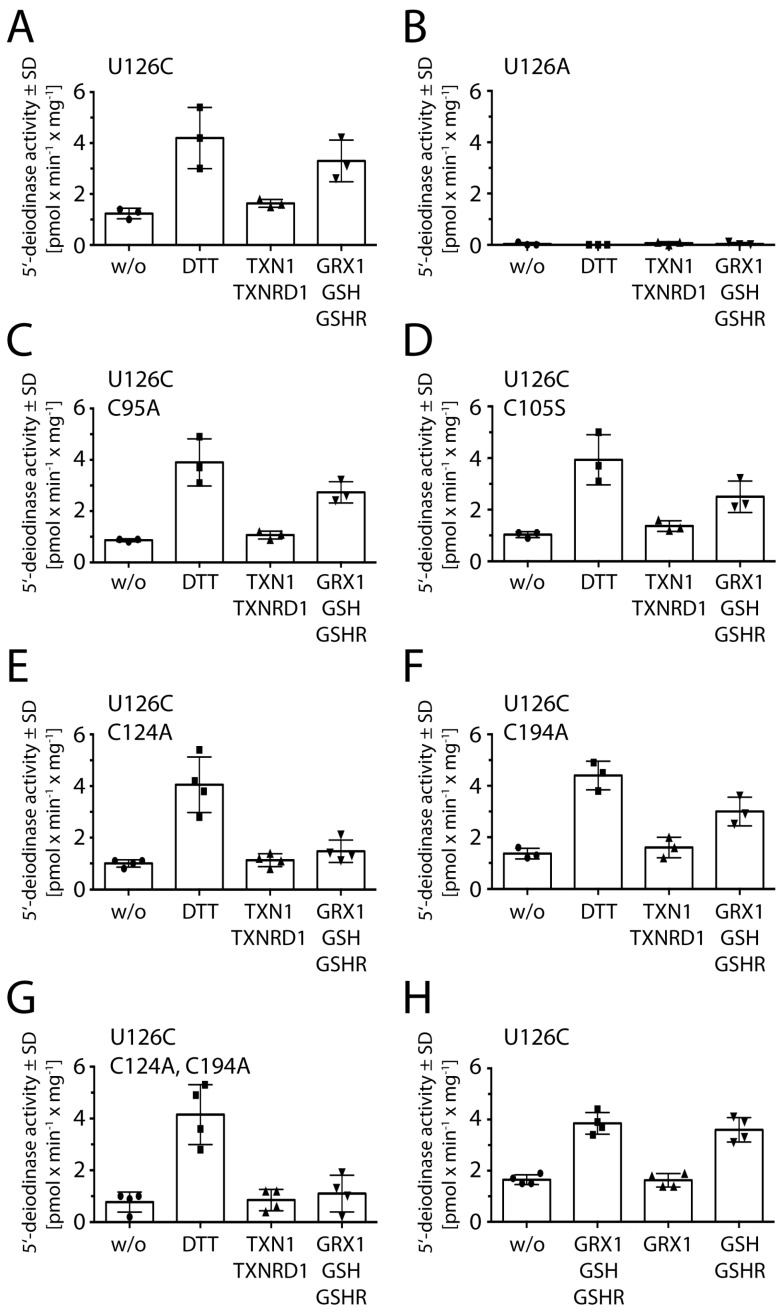
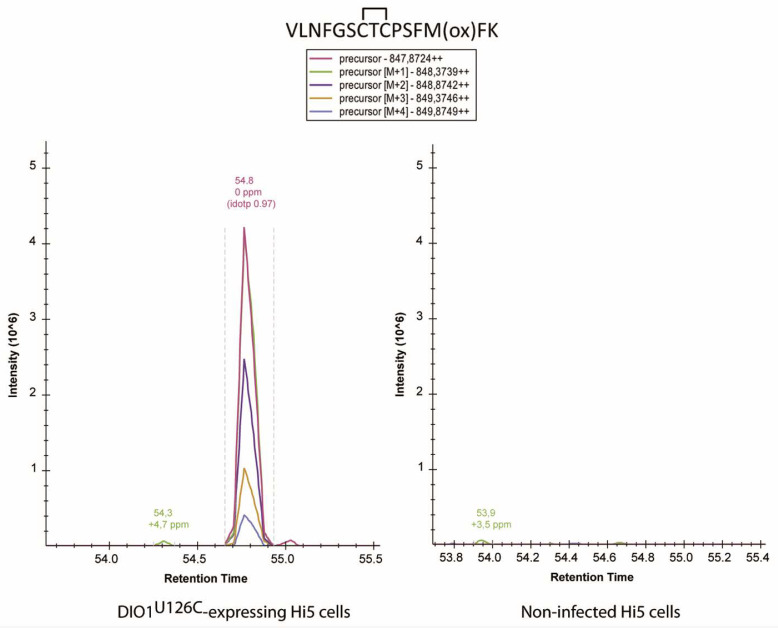
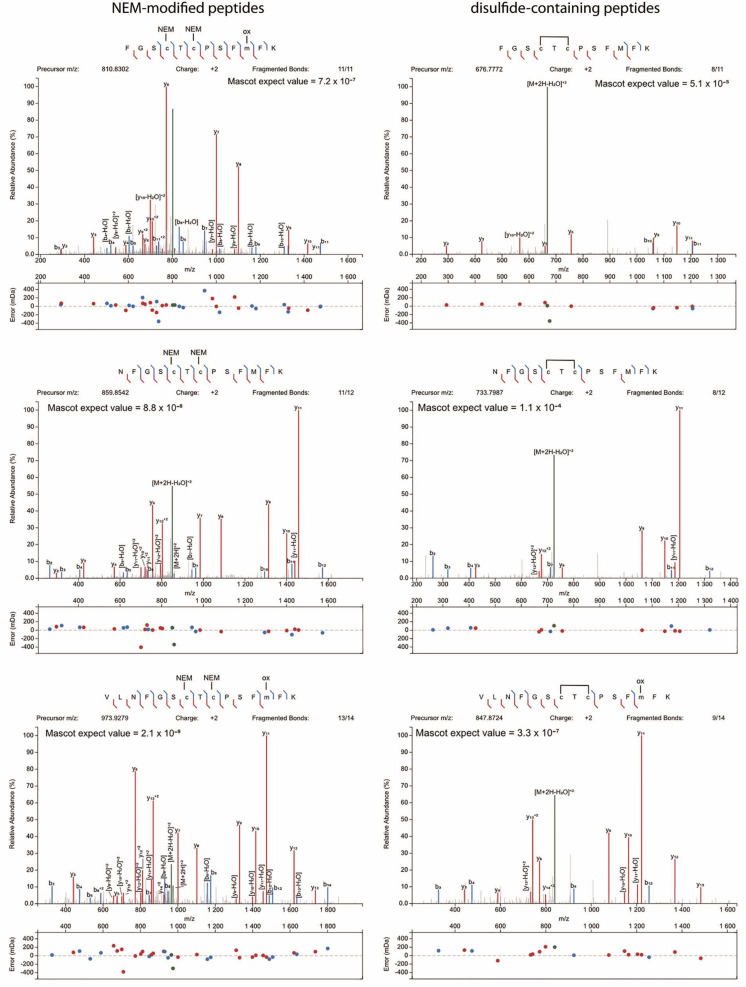
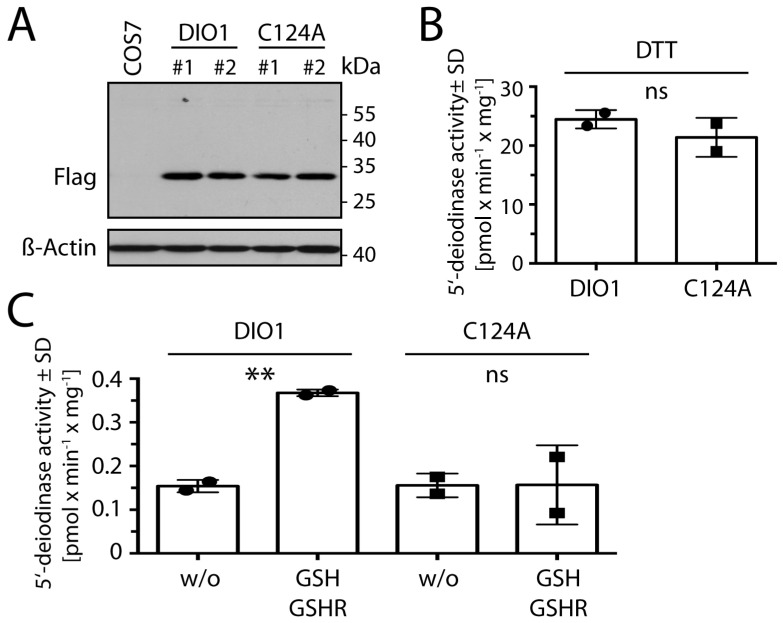
The three isoenzymes of iodothyronine deiodinases (DIO1-3) are membrane-anchored homo-dimeric selenoproteins which share the thioredoxin-fold structure. Several questions regarding their catalytic mechanisms still remain open. Here, we addressed the roles of several cysteines which are conserved among deiodinase isoenzymes and asked whether they may contribute to dimerization and reduction of the oxidized enzyme with physiological reductants. We also asked whether amino acids previously identified in DIO3 play the same role in DIO1. Human DIO1 and 2 were recombinantly expressed in insect cells with selenocysteine replaced with cysteine (DIO1) or in COS7 cells as selenoprotein. Enzyme activities were studied by radioactive deiodination assays with physiological reducing agents and recombinant proteins were characterized by mass spectrometry. Mutation of Cys124 in DIO1 prevented reduction by glutathione, while 20 mM dithiothreitol still regenerated the enzyme. Protein thiol reductants, thioredoxin and glutaredoxin, did not reduce DIO1. Mass spectrometry demonstrated the formation of an intracellular disulfide between the side-chains of Cys124 and Cys(Sec)126. We conclude that the proximal Cys124 forms a selenenyl-sulfide with the catalytic Sec126 during catalysis, which is the substrate of the physiological reductant glutathione. Mutagenesis studies support the idea of a proton-relay pathway from solvent to substrate that is shared between DIO1 and DIO3.
碘甲状腺原氨酸脱碘酶的三种同工酶(DIO1-3)是膜锚定的同二聚体硒蛋白,它们共享硫氧还蛋白折叠结构。关于它们的催化机制仍有几个问题尚未解决。在这里,我们研究了几个在脱碘酶同工酶中保守的半胱氨酸的作用,这些半胱氨酸是否可能有助于二聚化和用生理还原剂还原氧化酶。我们还询问了以前在 DIO3 中鉴定的氨基酸是否在 DIO1 中发挥相同的作用。人 DIO1 和 2 与半胱氨酸(DIO1)或 COS7 细胞中的硒蛋白一起在昆虫细胞中重组表达。通过放射性脱碘测定法研究了生理还原剂的酶活性,并通过质谱法对重组蛋白进行了表征。DIO1 中 Cys124 的突变阻止了谷胱甘肽的还原,而 20 mM 二硫苏糖醇仍能再生酶。蛋白巯基还原剂硫氧还蛋白和谷氧还蛋白不能还原 DIO1。质谱分析表明 Cys124 和 Cys(Sec)126 的侧链之间在细胞内形成了二硫键。我们得出结论,催化过程中近端 Cys124 与催化 Sec126 形成硒代-硫醚,该硫醚是生理还原剂谷胱甘肽的底物。突变研究支持 DIO1 和 DIO3 之间存在从溶剂到底物的质子传递途径的观点。