Department of Interdisciplinary Medicine, University of Bari "Aldo Moro", 70124 Bari, Italy.
Multidisciplinary Department of Medical-Surgical and Dental Specialties, University of Campania "Luigi Vanvitelli", Via L. De Crecchio 6, 80138 Naples, Italy.
Medicina (Kaunas). 2022 Apr 27;58(5):603. doi: 10.3390/medicina58050603.
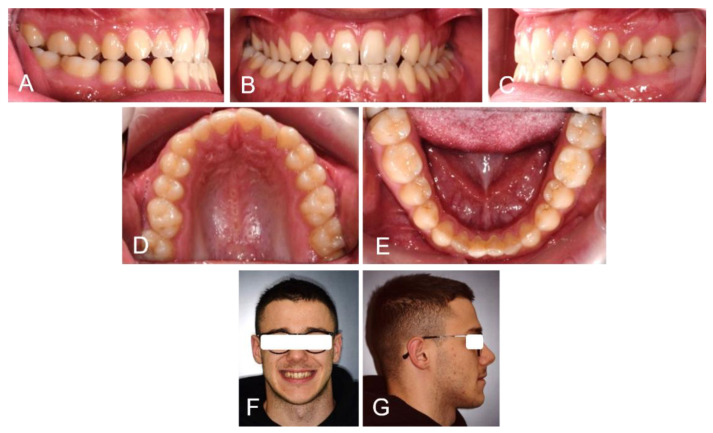
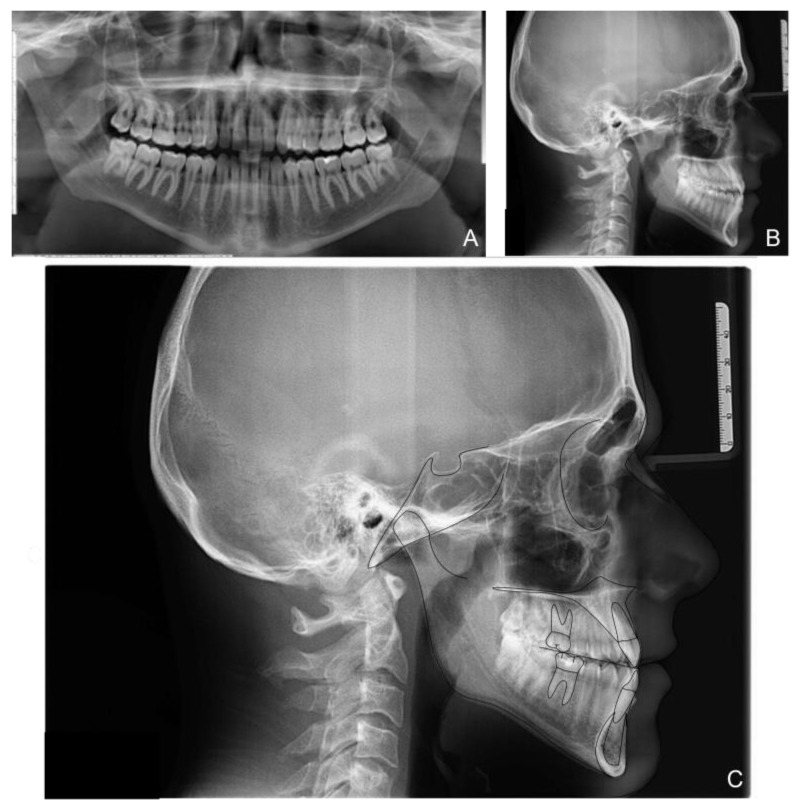
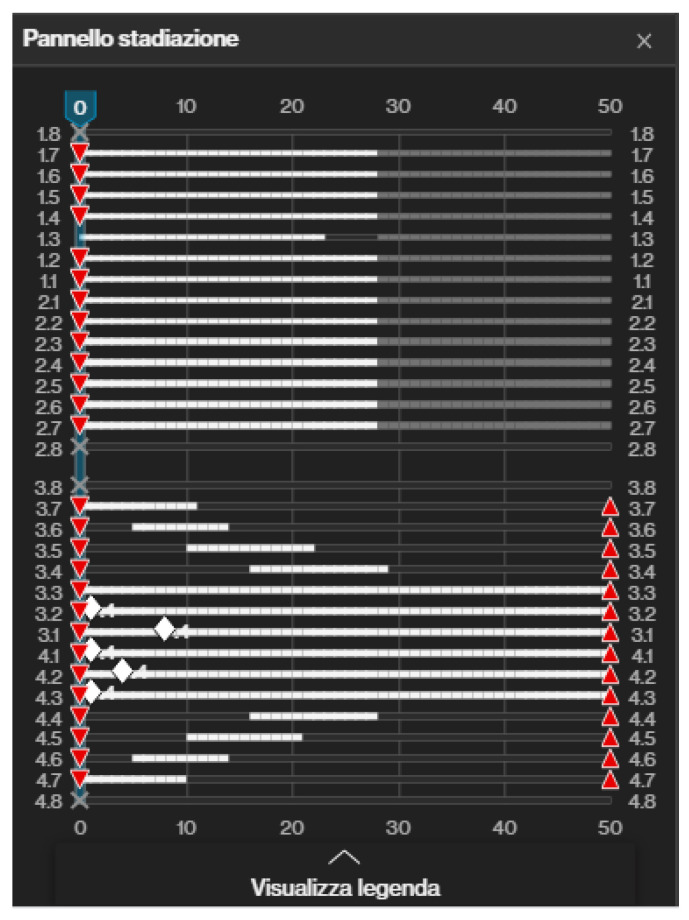
The article describes the orthodontically treated case of a 25-year-old patient with skeletal and dental class III malocclusion, anterior crossbite, which caused functional and aesthetic problems, occlusal trauma, and incisor wear. Treatment with transparent aligners was proposed to meet the patient's needs, using the sequential distalization protocol. While sequential distalization is well documented for class II malocclusion treatment in maxillary arch teeth, further investigations are necessary for class III malocclusions. In fact, lower teeth movements are more complex due to mandibular bone density and the presence of the third molars, which are often extracted to perform distalization. In addition, the use of intermaxillary elastics helps control the proclination of the anterior teeth as a reaction to distalizing forces. At the end of the treatment, the patient reached molar and canine class I and positive overjet and overbite. The inclination of lower incisors and the interincisal angle have improved, resulting in aesthetic and functional enhancement.
文章描述了一位 25 岁患者的正畸治疗案例,该患者存在骨性和牙性 III 类错颌、前牙反颌,导致功能和美观问题、咬合创伤和切牙磨损。提出使用透明牙套进行治疗,以满足患者的需求,并采用序列远移方案。虽然序列远移在治疗上颌牙列的 II 类错颌方面有充分的记录,但对于 III 类错颌还需要进一步研究。事实上,由于下颌骨密度和第三磨牙的存在,下颌牙齿的移动更为复杂,通常需要拔牙以进行远移。此外,使用颌间弹性牵引有助于控制前牙的倾斜,以应对远移力。治疗结束时,患者达到磨牙和尖牙 I 类关系,正覆颌和覆盖正常。下切牙的倾斜度和切牙交角得到改善,从而提高了美观和功能。