Fernandez Lara, Sobrino Marco, Ruiz-de-Azua Joan Adria, Calveras Anna, Camps Adriano
CommSensLab, Department of Signal Theory and Communications, UPC BarcelonaTech, 08034 Barcelona, Spain.
Department of Network Engineering, UPC BarcelonaTech, 08034 Barcelona, Spain.
Sensors (Basel). 2022 May 10;22(10):3633. doi: 10.3390/s22103633.
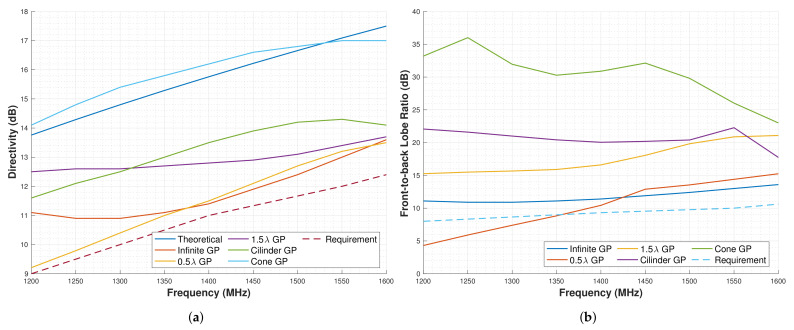
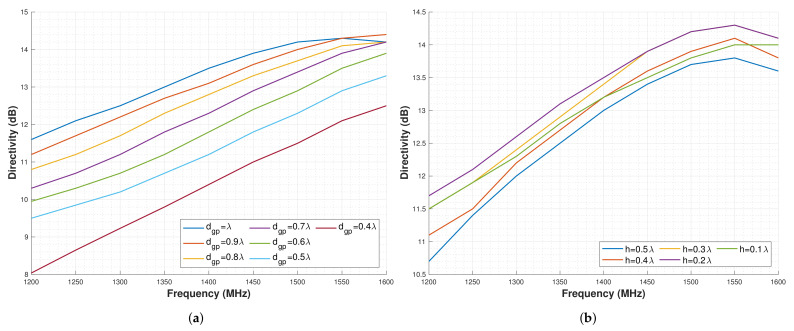
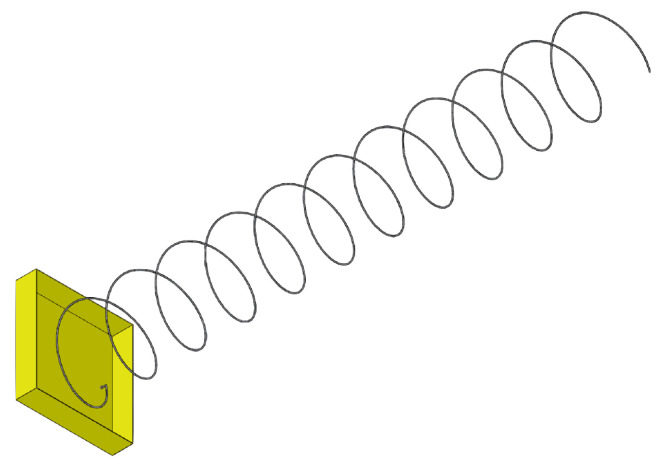
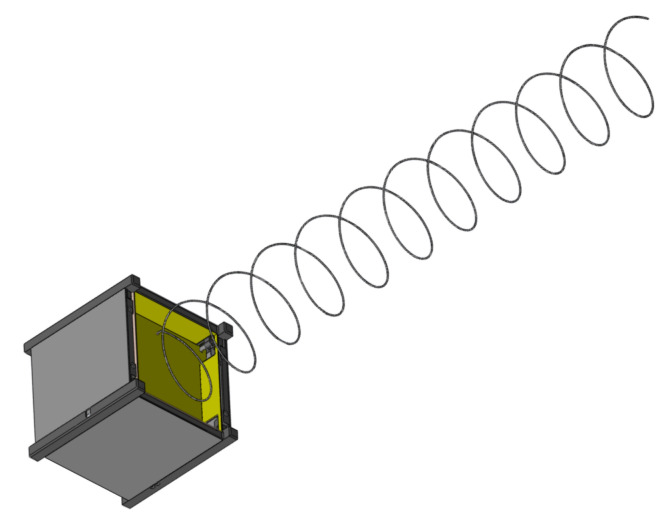
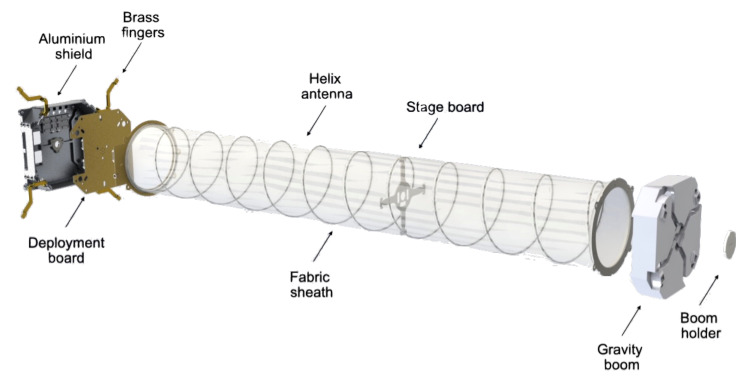
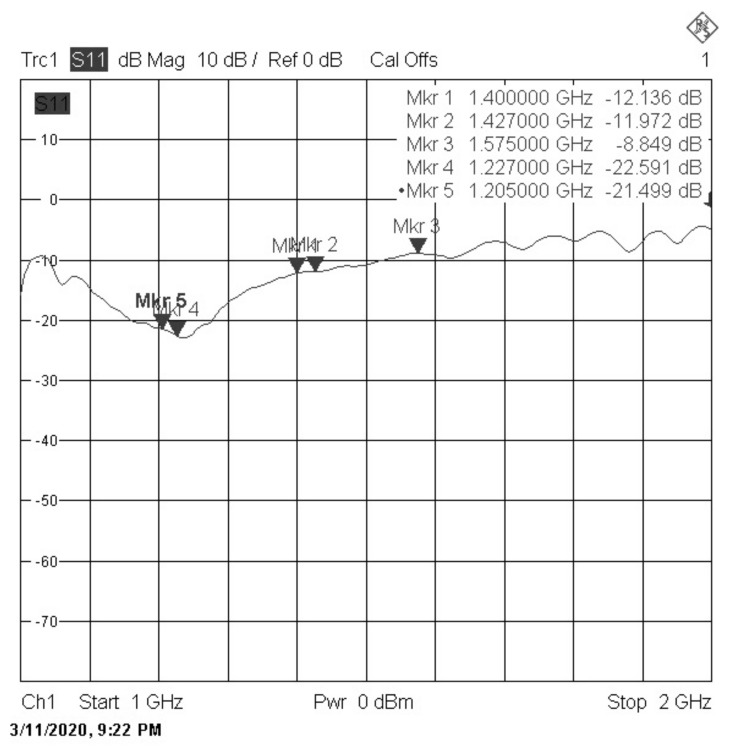
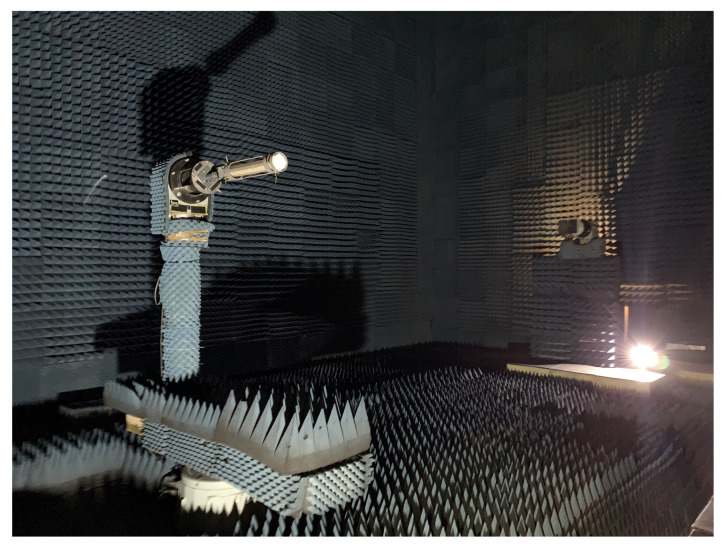
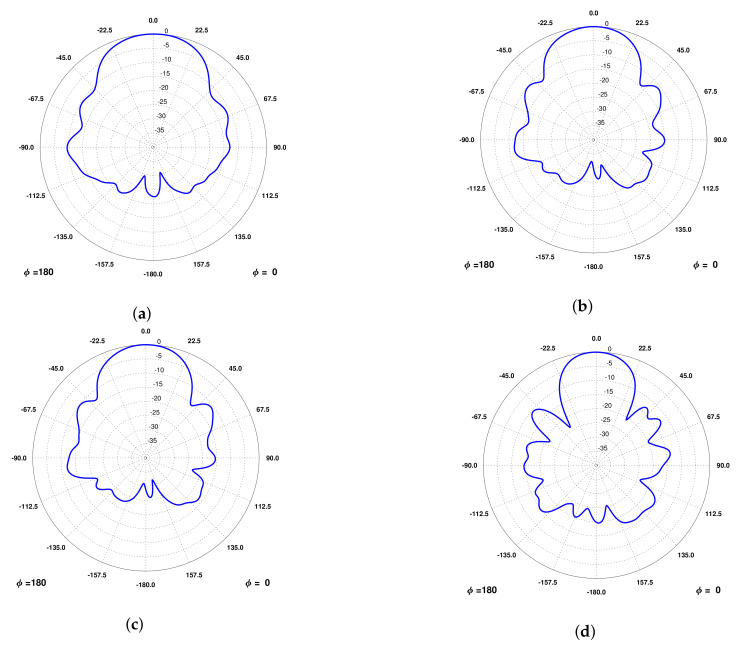
The 3Cat-4 mission aims at demonstrating the capabilities of a CubeSat to perform Earth Observation (EO) by integrating a combined GNSS-R and Microwave Radiometer payload into a 1-Unit CubeSat. One of the greatest challenges is the design of an antenna that respects the 1-Unit CubeSat envelope while operating at the different frequency bands: Global Positioning System (GPS) L1 and Galileo E1 band (1575 MHz), GPS L2 band (1227 MHz), and the microwave radiometry band (1400-1427 MHz). Moreover, it requires between 8 and 12 dB of directivity depending on the band whilst providing at least 10 dB of front-to-back lobe ratio in L1 and L2 GPS bands. After a trade-off analysis on the type of antenna that could be used, a helix antenna was found to be the most suitable option to comply with the requirements, since it can be stowed during launch and deployed once in orbit. This article presents the antenna design from a radiation performance point of view starting with a theoretical analysis, then presenting the numerical simulations, the measurements in an Engineering Model (EM), and finally the final design and performance of the Flight Model (FM).
3Cat-4任务旨在通过将全球导航卫星系统反射计(GNSS-R)和微波辐射计有效载荷集成到一个1U立方星中,展示立方星执行地球观测(EO)的能力。最大的挑战之一是设计一种天线,该天线在不同频段工作时要符合1U立方星的尺寸要求,这些频段包括:全球定位系统(GPS)L1和伽利略E1频段(1575兆赫)、GPS L2频段(1227兆赫)以及微波辐射测量频段(1400 - 1427兆赫)。此外,根据频段不同,它需要8至12分贝的方向性,同时在L1和L2 GPS频段提供至少10分贝的前后瓣比。在对可用天线类型进行权衡分析后,发现螺旋天线是符合要求的最合适选项,因为它可以在发射期间收起,并在轨道上展开。本文从辐射性能的角度介绍天线设计,首先进行理论分析,然后展示数值模拟、工程模型(EM)中的测量结果,最后介绍飞行模型(FM)的最终设计和性能。