Department of Computer Science, COMSATS University Islamabad, Abbottabad 22060, Pakistan.
Faculty of Computing and Informatics, University Malaysia Sabah, Kota Kinabalu 88400, Malaysia.
Sensors (Basel). 2022 May 10;22(10):3646. doi: 10.3390/s22103646.
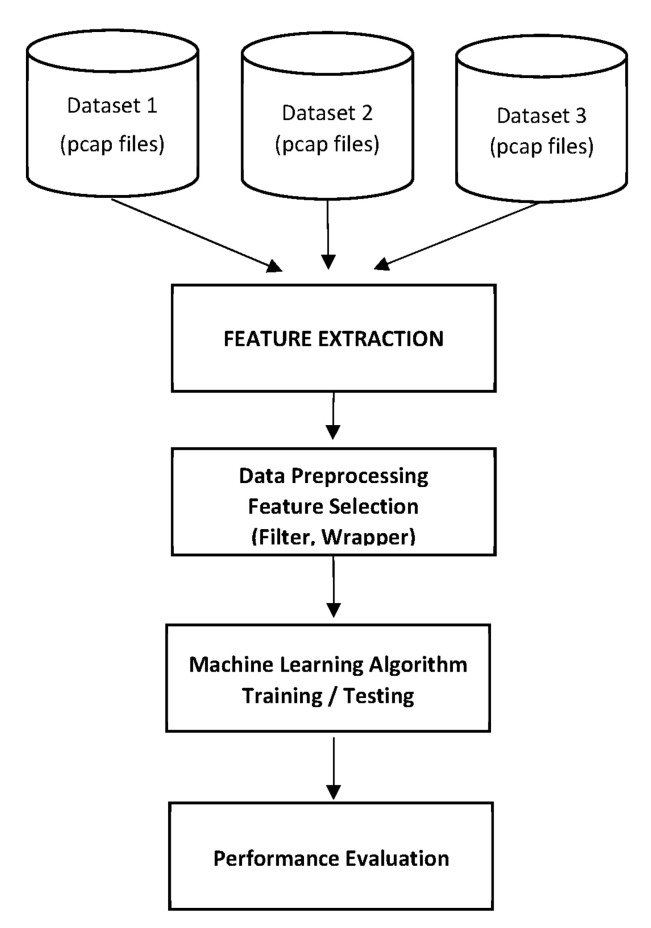
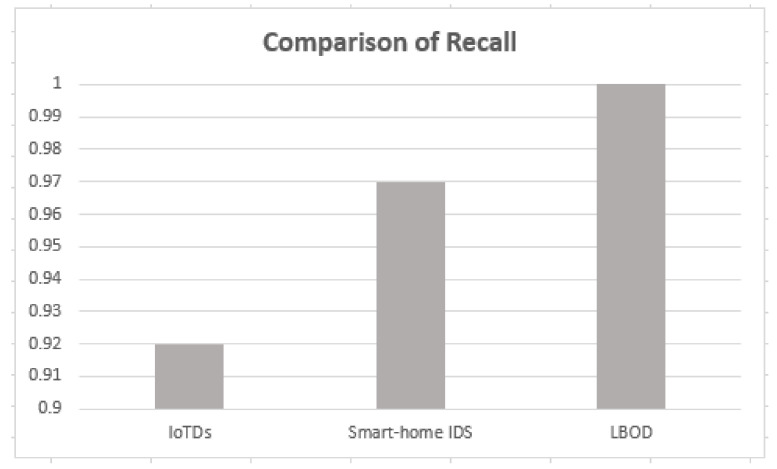
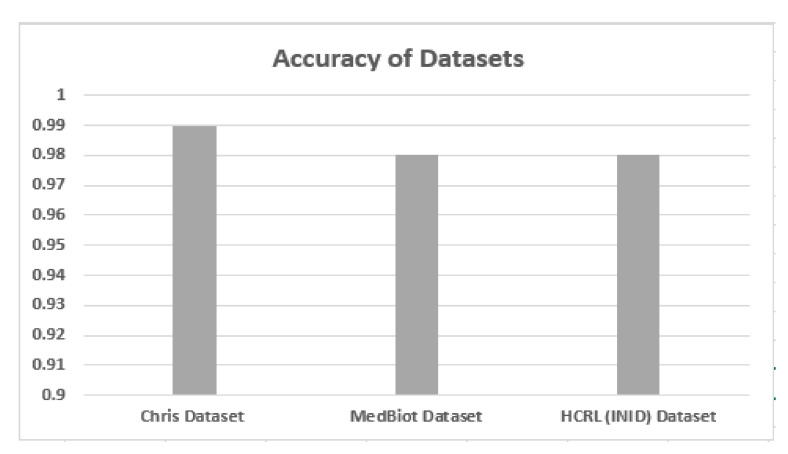
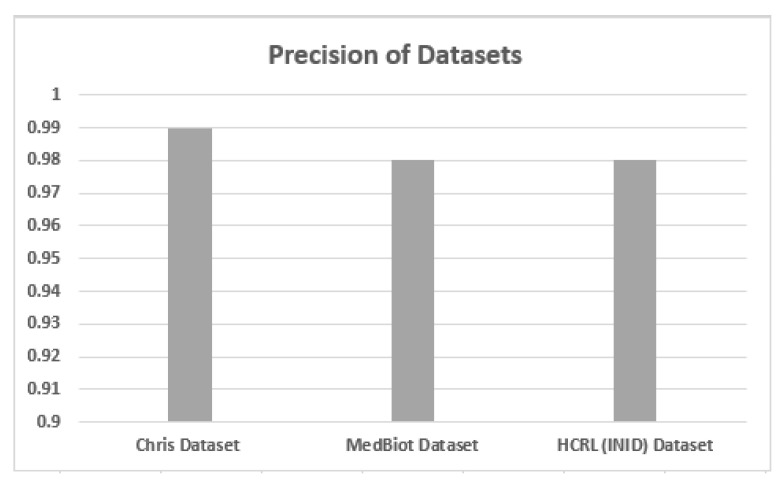
Like smart phones, the recent years have seen an increased usage of internet of things (IoT) technology. IoT devices, being resource constrained due to smaller size, are vulnerable to various security threats. Recently, many distributed denial of service (DDoS) attacks generated with the help of IoT botnets affected the services of many websites. The destructive botnets need to be detected at the early stage of infection. Machine-learning models can be utilized for early detection of botnets. This paper proposes one-class classifier-based machine-learning solution for the detection of IoT botnets in a heterogeneous environment. The proposed one-class classifier, which is based on one-class KNN, can detect the IoT botnets at the early stage with high accuracy. The proposed machine-learning-based model is a lightweight solution that works by selecting the best features leveraging well-known filter and wrapper methods for feature selection. The proposed strategy is evaluated over different datasets collected from varying network scenarios. The experimental results reveal that the proposed technique shows improved performance, consistent across three different datasets used for evaluation.
近年来,物联网(IoT)技术的使用日益增多,就像智能手机一样。由于物联网设备体积较小,资源有限,因此容易受到各种安全威胁。最近,许多借助物联网僵尸网络生成的分布式拒绝服务(DDoS)攻击影响了许多网站的服务。具有破坏性的僵尸网络需要在感染的早期阶段被检测到。机器学习模型可用于僵尸网络的早期检测。本文提出了一种基于单类分类器的机器学习解决方案,用于在异构环境中检测物联网僵尸网络。所提出的基于单类 KNN 的单类分类器可以高精度地在早期检测到物联网僵尸网络。所提出的基于机器学习的模型是一种轻量级解决方案,通过利用著名的过滤器和包装器方法选择最佳特征来选择最佳特征来工作。该策略在不同的网络场景中收集的不同数据集上进行了评估。实验结果表明,所提出的技术在用于评估的三个不同数据集上均表现出了改进的性能,且结果一致。