Department of Endocrinology, The People's Hospital of China Three Gorges University and The First People's Hospital of Yichang, Hubei, China.
Front Endocrinol (Lausanne). 2022 May 12;13:895424. doi: 10.3389/fendo.2022.895424. eCollection 2022.
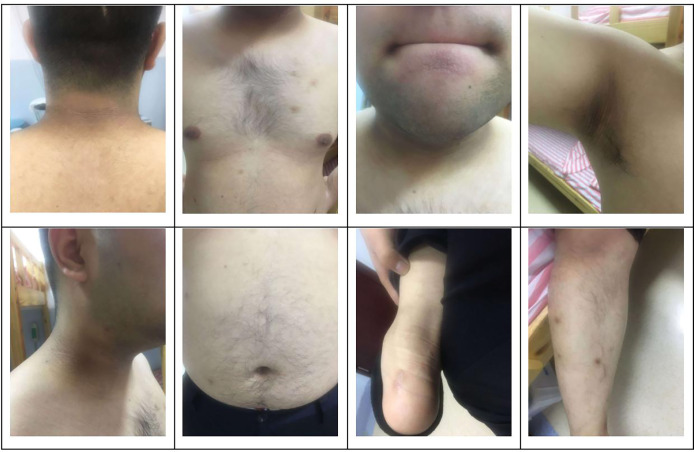
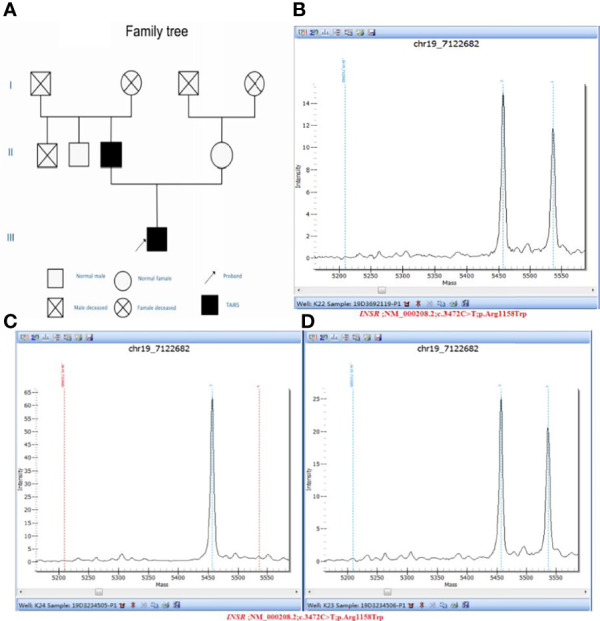
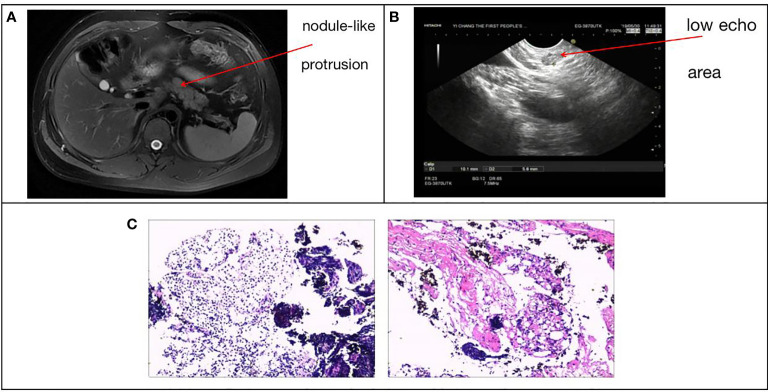
Type A Insulin resistance syndrome (TAIRS) is an autosomal dominant or recessive genetic disorder caused by insulin dysfunction resulting from insulin receptor (INSR) gene mutation. The main features of TAIRS include hyperinsulinemia, abnormal glucose metabolism, and changes in acanthosis nigricans. We identified, in China, a TAIRS family with a novel heterozygous missense gene mutation type. One patient from the Chinese Han family exhibited signs and symptoms of TAIRS and was presented for evaluation. Whole-exome sequencing revealed a heterozygous mutation. Both the patient proband and his father were identified with insulin receptor exon 19c.3472C>T(p.Arg1158Trp), which resulted in a missense mutation that led to replace by a base in the amino acid codon. We found that the patient proband and his father exhibited high insulin and C-peptide release after glucose stimulation by insulin and C-peptide release tests. At the same time, we also ruled out the possibility of islet βcell tumor through relevant examinations. These findings indicate that the INSR gene mutation may cause pancreatic β cell functional impairment and contribute to the development of diabetes.
A型胰岛素抵抗综合征(TAIRS)是一种常染色体显性或隐性遗传疾病,由胰岛素受体(INSR)基因突变导致胰岛素功能障碍引起。TAIRS 的主要特征包括高胰岛素血症、葡萄糖代谢异常和黑棘皮病的变化。我们在中国发现了一个具有新型杂合错义基因突变类型的 TAIRS 家族。一名中国汉族患者出现了 TAIRS 的体征和症状,并接受了评估。全外显子组测序显示存在杂合突变。患者先证者及其父亲均被鉴定为胰岛素受体外显子 19c.3472C>T(p.Arg1158Trp),导致氨基酸密码子中的碱基替换,从而导致错义突变。我们发现,患者先证者及其父亲在胰岛素和 C 肽刺激后葡萄糖刺激试验中表现出高胰岛素和 C 肽释放。同时,我们还通过相关检查排除了胰岛β细胞瘤的可能性。这些发现表明 INSR 基因突变可能导致胰腺β细胞功能障碍,并有助于糖尿病的发展。