Centre of Evidence Based Dermatology, Population and Lifespan Sciences, School of Medicine, University of Nottingham, Nottingham, UK.
Clin Exp Dermatol. 2022 Oct;47(10):1812-1819. doi: 10.1111/ced.15278. Epub 2022 Jul 26.
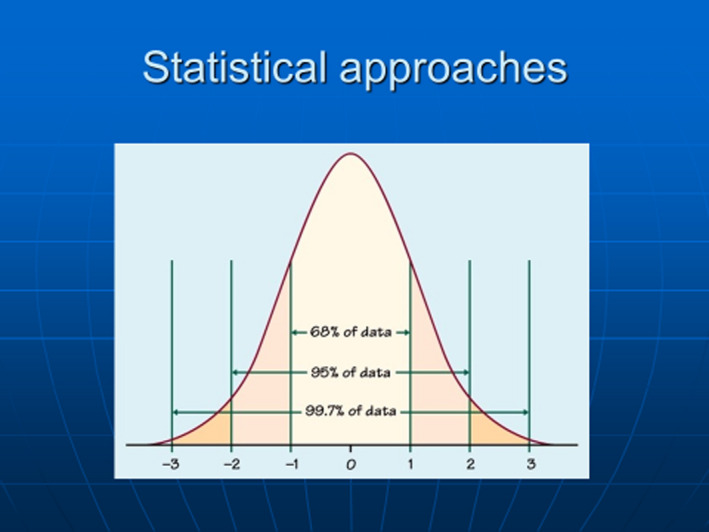
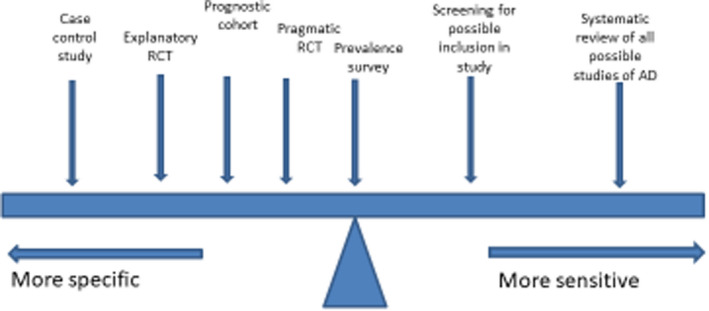
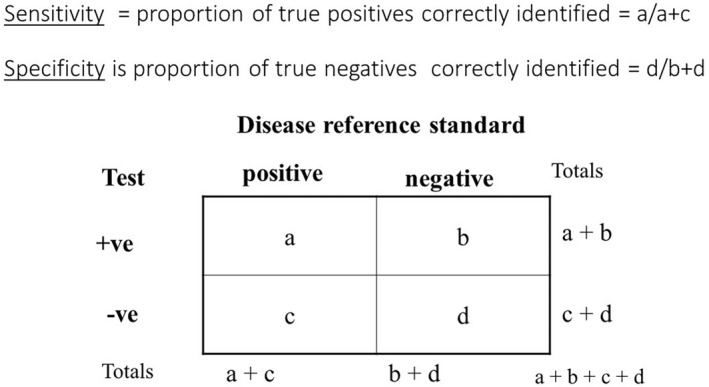
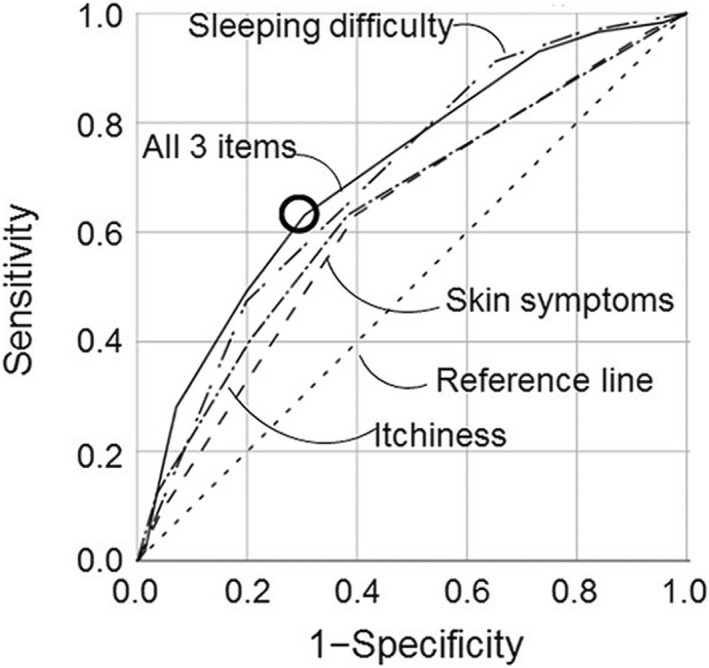
In Part 1 of this two-part review, conceptual frameworks for defining skin diseases were articulated. In this review, the main approaches that can be used to develop diagnostic criteria for skin disease are summarized, using atopic dermatitis (AD) as an example. Different frameworks for defining skin disease for research purposes are articulated, including statistical, prognostic, operational, clinical and epidemiological approaches. All share the common aim of attempting to develop criteria that enable meaningful comparisons between groups of people. The desirable attributes of a good definition are described: diagnostic criteria should measure what they are meant to measure; the results should be the same for different assessors; the criteria should be coherent with what is known about that disease; they should reflect some degree of morbidity and not pick up subclinical disease; they should be easy to administer; and they should be applicable to a range of people of different ages, sexes/genders and ethnicities. Consensus-based criteria are contrasted with epidemiological derivation methods that assess the performance of diagnostic criteria in relation to a reference standard. The sensitivity and specificity of a disease definition is explained, along with how the trade-off between these two properties can vary, depending on the purpose of the study and the study setting. The review closes with some reflections on when it is appropriate to consider splitting a disease into more than one category and how diagnostic criteria can be interpreted in the clinical setting.
在这篇由两部分组成的综述的第一部分中,阐述了定义皮肤疾病的概念框架。在这篇综述中,以特应性皮炎(AD)为例,总结了可用于制定皮肤疾病诊断标准的主要方法。为研究目的定义皮肤疾病的不同框架被阐明,包括统计学、预后、操作性、临床和流行病学方法。所有这些方法都有一个共同的目标,即试图制定出能够在人群之间进行有意义比较的标准。还描述了一个好的定义应具备的理想属性:诊断标准应测量其旨在测量的内容;不同评估者的结果应相同;标准应与对该疾病的了解一致;它们应反映出一定程度的发病率,而不是检测出亚临床疾病;它们应易于管理;并且它们应适用于不同年龄、性别/性别和种族的人群。基于共识的标准与流行病学推导方法形成对比,后者评估诊断标准相对于参考标准的性能。解释了疾病定义的敏感性和特异性,以及这两个特性之间的权衡如何根据研究的目的和研究环境而变化。综述最后还思考了何时适合将一种疾病分为多个类别,以及如何在临床环境中解释诊断标准。