Sekhar Supriya, Makaram Ravinarayan Surabhi, Kashmer D Yu Ann, Kilic Fatma, Dhawan Raghav, Sidhu Rubani, Elazrag Shahd E, Bijoora Manaal, Mohammed Lubna
Internal Medicine, California Institute of Behavioral Neurosciences & Psychology, Fairfield, USA.
Paediatrics, California Institute of Behavioral Neurosciences & Psychology, Fairfield, USA.
Cureus. 2022 Apr 17;14(4):e24212. doi: 10.7759/cureus.24212. eCollection 2022 Apr.
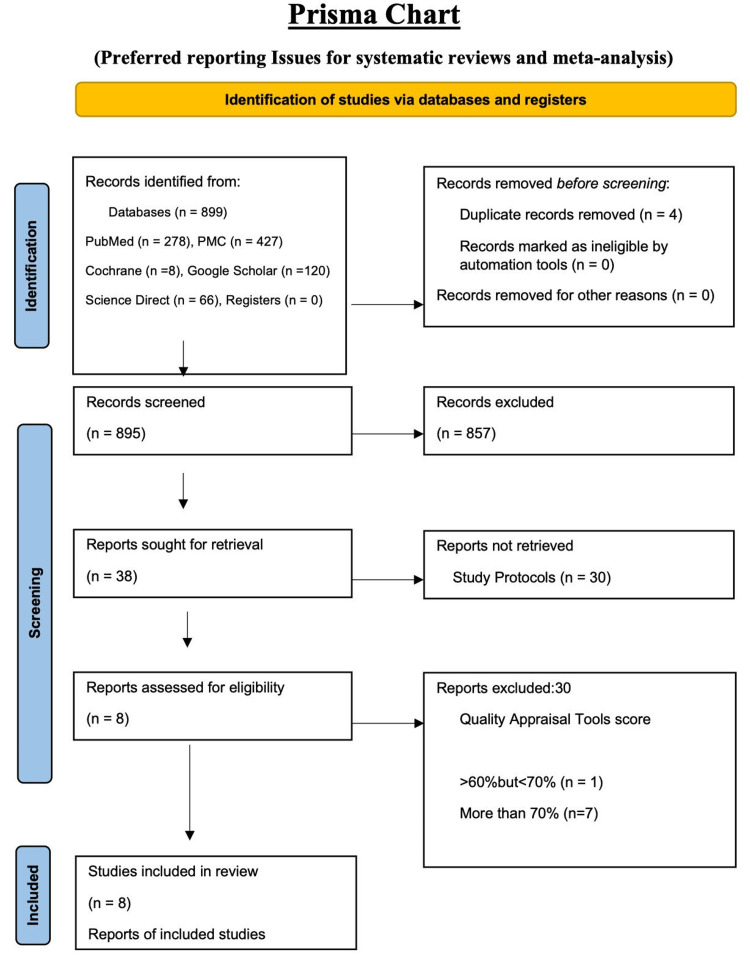
Coconut oil has been gaining popularity recently, especially with health enthusiasts claiming it to be the best fat for consumption. What is the ideal cooking fat? The answer that we are all looking for is just not solely based on one health consequence but several. Our study focuses on the cardiovascular aspects of using coconut oil by its influence on low-density lipoprotein (LDL). Cardiovascular diseases (CVDs) are the major cause of death and mortality worldwide. Hence, they are the focus of this study. For centuries, coconut oil has been used by several populations worldwide who consume it as part of their staple diets. However, they have also been consuming the flesh/meat of coconuts and decreased processed foods. One such population is the pacific islanders, who had increased LDL and decreased high-density lipoprotein (HDL) when they moved out of their natural habitat and accepted a more westernized diet. Even though coconut oil has a stronghold on the LDL aspect of the lipid parameters, which is our study's focus, it also increases HDL, whose effects on cardiovascular health are still controversial although it is called "good cholesterol." Cardiologists now utilize the ratio of total to HDL cholesterol to assess CVD risk more reliably. There have not been many human studies to support coconut oil's LDL and CVD advantages, considering all these variables. A thorough search of five databases, including PubMed, PubMed Central, Google Scholar, Cochrane Library, and ScienceDirect, was done. The last search was done on October 8th, 2021. Studies were selected based on the following criteria: last five years, English language, human studies, randomized controlled trials (RCTs), systematic reviews and meta-analysis, narrative reviews, and cross-sectional studies were included using medical subject headings (MeSH) search and keyword search. Eight hundred and ninety-nine articles were found, and eight papers were picked after quality appraisal. These included one narrative review, three RCTs, one cross-sectional study, and three systematic reviews and meta-analyses. The results showed that coconut oil did not behave differently than other saturated fats to reduce LDL. One study showed that coconut oil did not increase LDL compared to additional saturated fat like butter or lard. Coconut oil also has antioxidant properties that may prevent oxidative stress that affects cardiovascular health. However, studies in this sector are limited.
椰子油近来越来越受欢迎,尤其是受到健康爱好者的青睐,他们宣称椰子油是最适合食用的脂肪。理想的烹饪用油是什么?我们一直在寻找的答案并非仅仅基于一种健康影响,而是多种。我们的研究聚焦于椰子油对低密度脂蛋白(LDL)的影响及其在心血管方面的作用。心血管疾病(CVDs)是全球主要的死亡原因。因此,它们是本研究的重点。几个世纪以来,全球有多个群体将椰子油作为主食的一部分食用。然而,他们也食用椰子的果肉,并且减少了加工食品的摄入。太平洋岛民就是这样一个群体,当他们搬离自然栖息地并接受更西方化的饮食后,其低密度脂蛋白增加,高密度脂蛋白(HDL)降低。尽管椰子油在脂质参数的低密度脂蛋白方面占据主导地位,而这正是我们研究的重点,但它也会增加高密度脂蛋白,尽管高密度脂蛋白被称为“好胆固醇”,但其对心血管健康的影响仍存在争议。心脏病专家现在利用总胆固醇与高密度脂蛋白胆固醇的比率来更可靠地评估心血管疾病风险。考虑到所有这些变量,目前支持椰子油对低密度脂蛋白和心血管疾病有益的人体研究并不多。我们对包括PubMed、PubMed Central、谷歌学术、Cochrane图书馆和ScienceDirect在内的五个数据库进行了全面搜索。最后一次搜索是在2021年10月8日进行的。研究的选择基于以下标准:过去五年、英文、人体研究、随机对照试验(RCTs)、系统评价和荟萃分析、叙述性综述以及横断面研究,通过医学主题词(MeSH)搜索和关键词搜索纳入。共找到899篇文章,经过质量评估后挑选出8篇论文。其中包括1篇叙述性综述、3篇随机对照试验、1篇横断面研究以及3篇系统评价和荟萃分析。结果表明,在降低低密度脂蛋白方面,椰子油的表现与其他饱和脂肪并无不同。一项研究表明,与黄油或猪油等其他饱和脂肪相比,椰子油不会增加低密度脂蛋白。椰子油还具有抗氧化特性,可能预防影响心血管健康的氧化应激。然而,该领域的研究有限。