Almas Talal, Nagarajan Vikneswaran Raj, Ahmed Danyal, Ullah Muneeb, Ashary Mohammed Ali, Oruk Mert, Khan Arsalan, Amin Kiran, Malik Uzair, Ramjohn Joshua, Huang Helen, Rifai Ali, Alzahrani Ahlam, Alqallaf Nagi, Alsairefi Sood, Hur Yeoreum Summer, Bhullar Anhad, Abdulkarim Khadeer, Alwheibi Eissa, Kadom Mhmod, Alshabibi Aaisha, Shafi Adil, Murad Faisal, Mansoor Emad
RCSI University of Medicine and Health Sciences, Dublin, Ireland.
Department of Surgery, Maroof International Hospital, Islamabad, Pakistan.
Ann Med Surg (Lond). 2022 Apr 13;77:103603. doi: 10.1016/j.amsu.2022.103603. eCollection 2022 May.
Acute appendicitis is one of the leading causes of acute abdominal pain and surgical emergency. Stump appendicitis is a known complication of appendectomy whereby a retained appendiceal tip serves as a nidus for recurrent bouts of inflammation. Nevertheless, full-blown appendicitis of the vermiform appendix after a prior appendectomy remains a diagnostic conundrum.
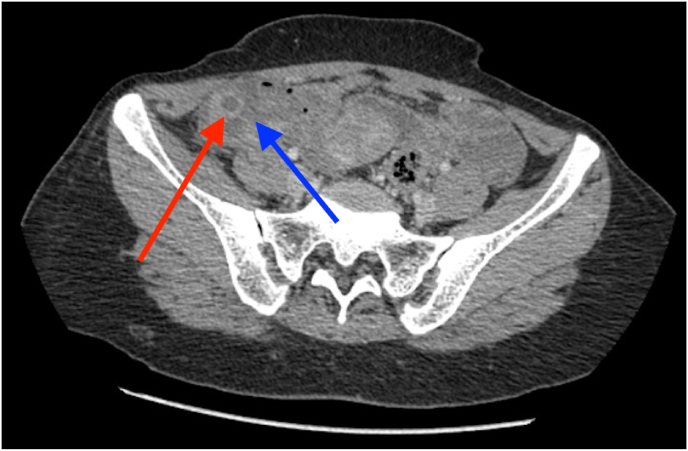
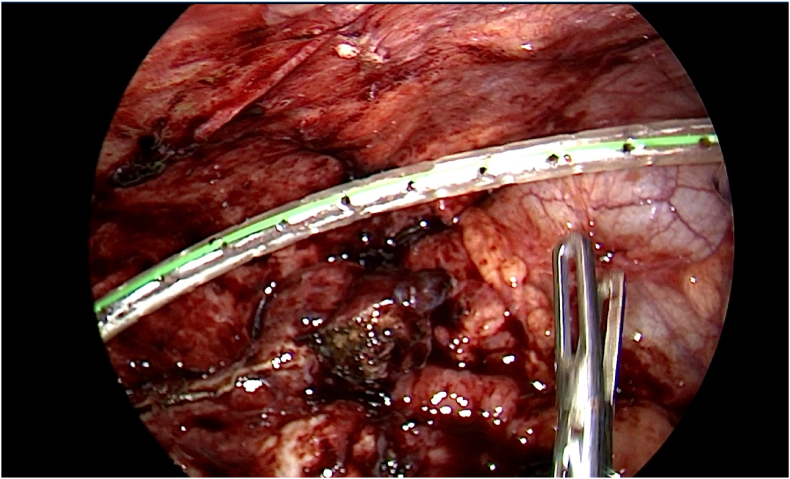
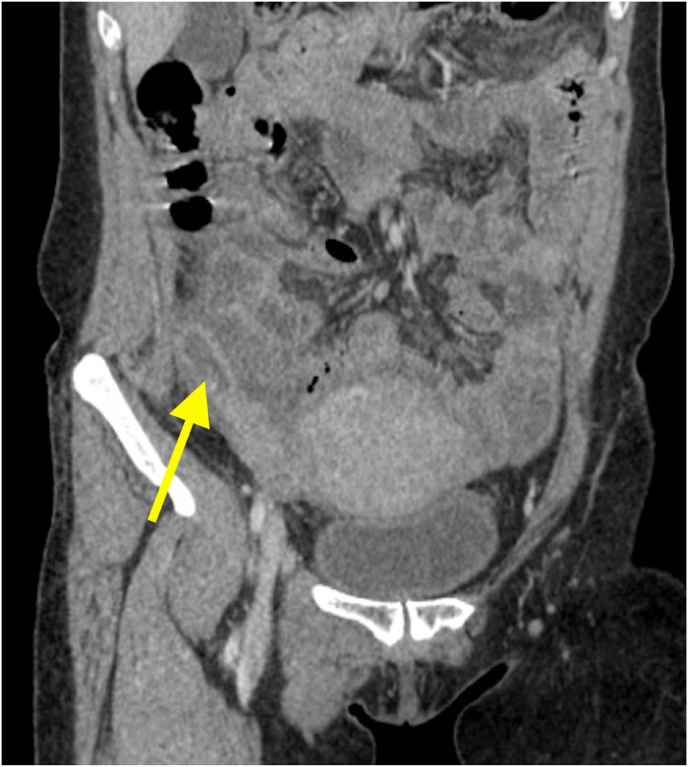
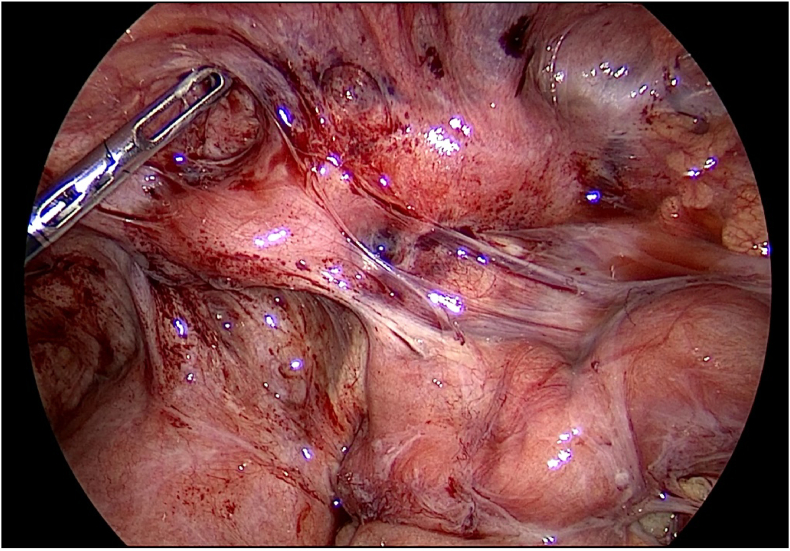
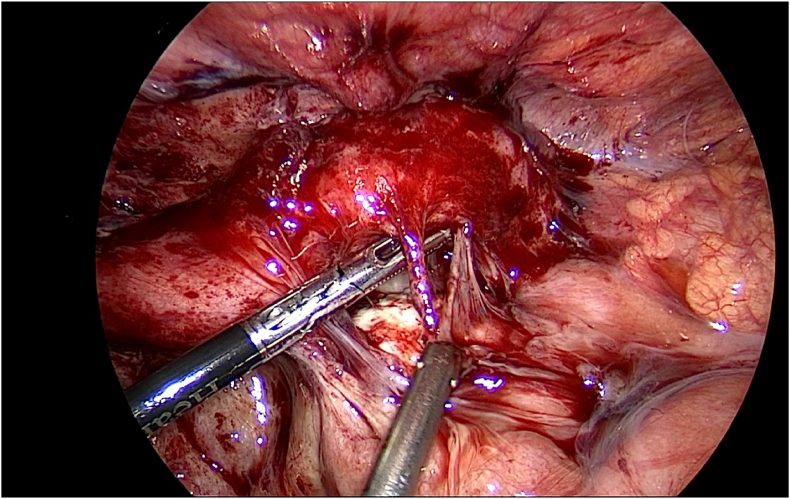
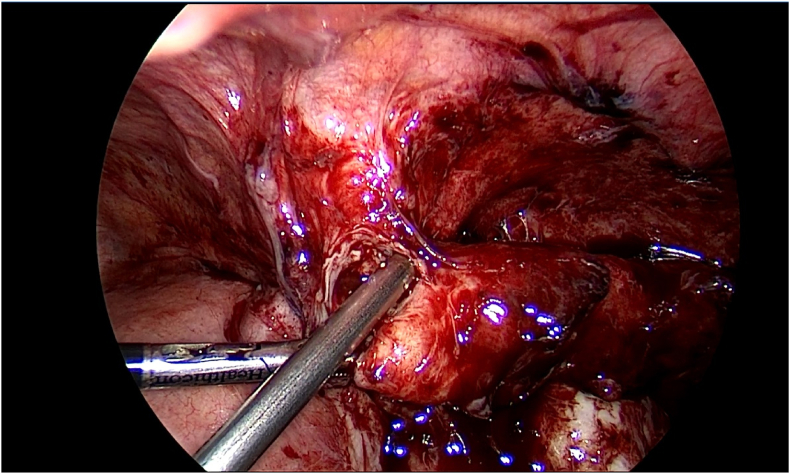
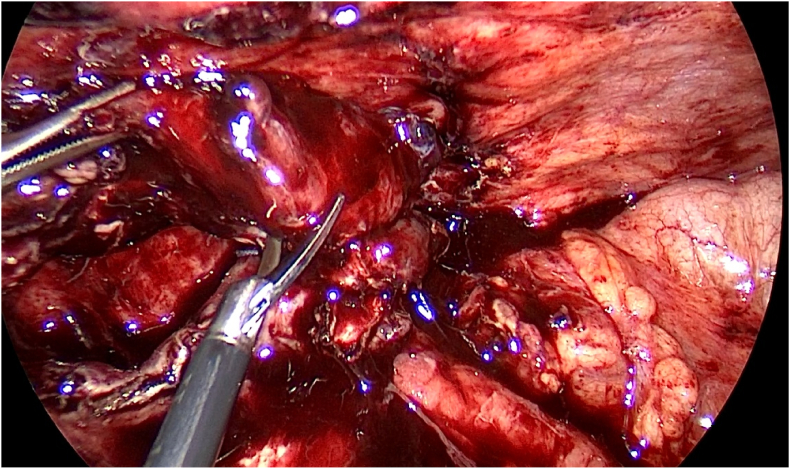
A 45-year-old woman presented with a six-month history of right iliac fossa pain. Pertinently, she had undergone a prior open appendectomy twelve years ago. Further investigative workup revealed full-blown appendicitis, which was not attributable to a retained appendiceal stump. A subsequent laparoscopic appendectomy was performed, and the resultant specimen was sent for further evaluation, confirming the diagnosis of recurrent appendicitis.
Acute appendicitis is one of the most common life-threatening abdominal surgical emergencies worldwide, with 300000 appendectomies performed annually in the United States alone. Stump and chronic appendicitis are two separate and exceedingly rare clinical entities that may present simultaneously and develop serious complications unless promptly recognized and appropriately managed. The present paper prompts the clinicians to distinguish amongst the two at the initial surgery in order to thwart further exacerbations.
While stump appendicitis is a rare but well-characterized complication of a prior appendectomy, full-blown appendicitis of vermiform appendix remains elusive. It is therefore imperative to distinguish between a duplicated and a recurrent appendix at the initial operative procedure to facilitate optimal patient management.
急性阑尾炎是急性腹痛和外科急症的主要原因之一。阑尾残株炎是阑尾切除术后已知的并发症,残留的阑尾尖端成为反复炎症发作的病灶。然而,既往阑尾切除术后发生的典型阑尾炎仍是一个诊断难题。
一名45岁女性,有右下腹疼痛6个月的病史。值得注意的是,她12年前曾接受过一次开放性阑尾切除术。进一步的检查显示为典型阑尾炎,并非由阑尾残株引起。随后进行了腹腔镜阑尾切除术,并将切除标本送去进一步评估,确诊为复发性阑尾炎。
急性阑尾炎是全球最常见的危及生命的腹部外科急症之一,仅在美国每年就有30万例阑尾切除术。阑尾残株炎和慢性阑尾炎是两种不同且极为罕见的临床情况,可能同时出现并引发严重并发症,除非能及时识别并妥善处理。本文促使临床医生在初次手术时对两者进行区分,以防止病情进一步恶化。
虽然阑尾残株炎是既往阑尾切除术后一种罕见但特征明确的并发症,但典型的阑尾炎仍难以捉摸。因此,在初次手术时区分重复阑尾和复发性阑尾对于优化患者管理至关重要。