Feng Panpan, Zhang Jingru, Zhang Juan, Liu Xiaomin, Pan Lina, Chen Dawei, Ji Min, Lu Fei, Li Peng, Li Guosheng, Sun Tao, Li Jingxin, Ye Jingjing, Ji Chunyan
Department of Hematology, Qilu Hospital, Cheeloo College of Medicine, Shandong University, Jinan, China.
Laboratory of Medical Chemistry, GIGA-Stem Cells, Faculty of Medicine, University of Liege, CHU, Liege, Belgium.
Front Cell Dev Biol. 2022 May 17;10:842214. doi: 10.3389/fcell.2022.842214. eCollection 2022.
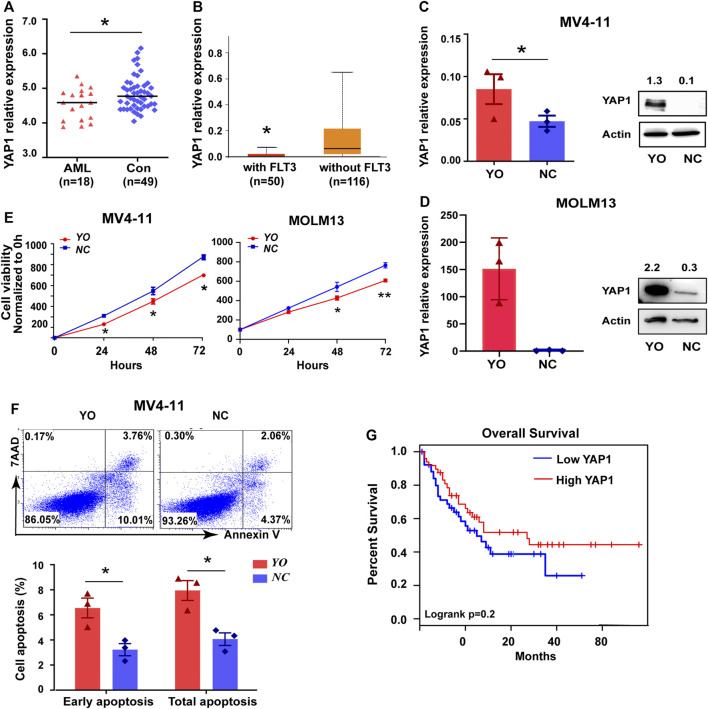
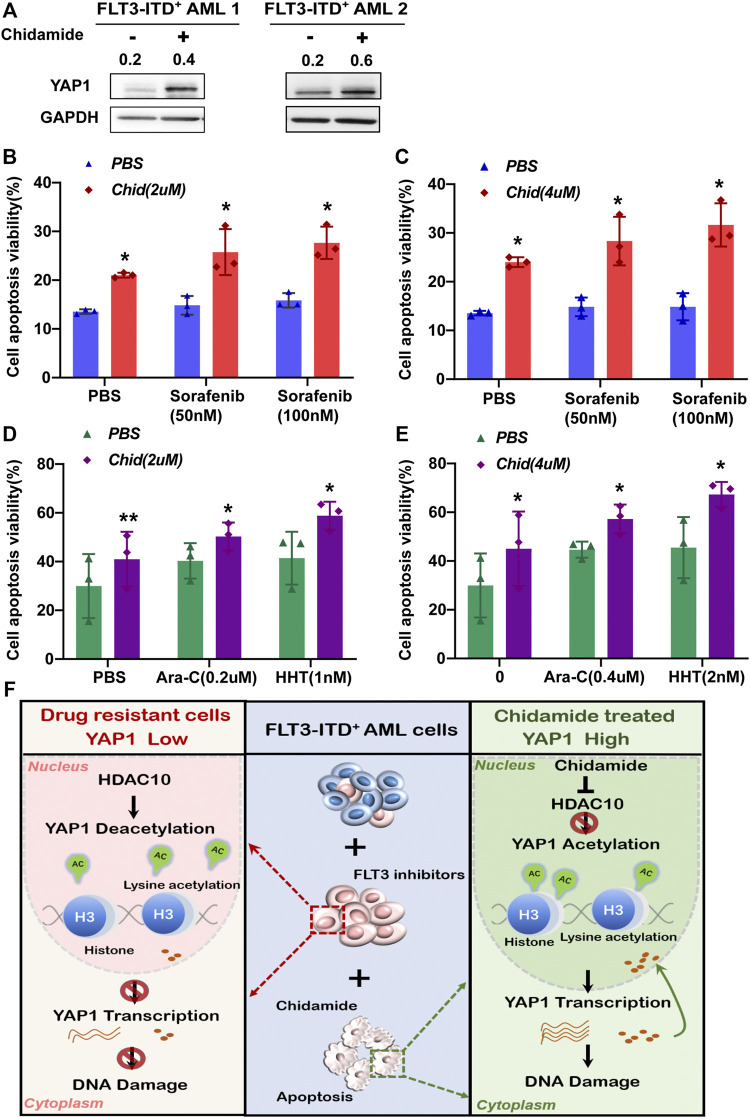
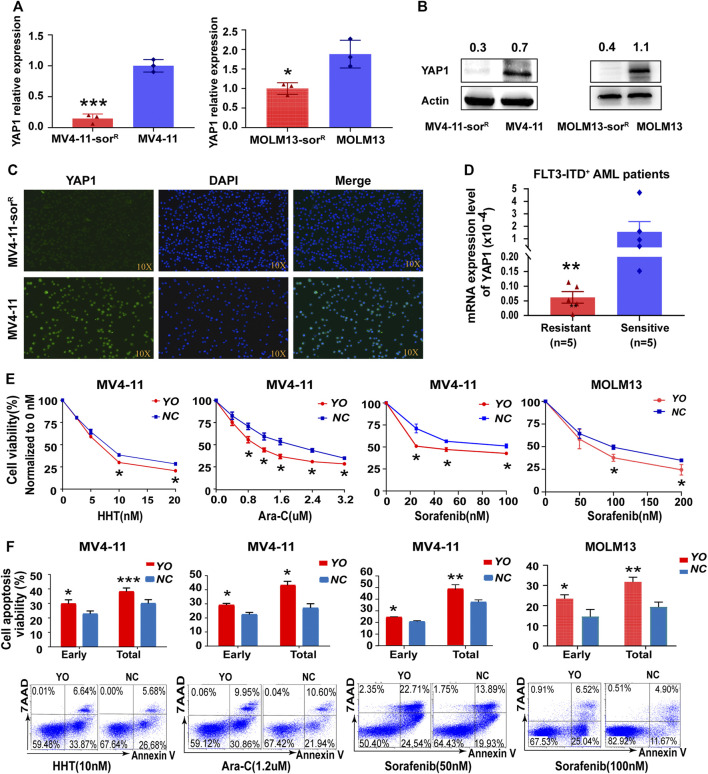
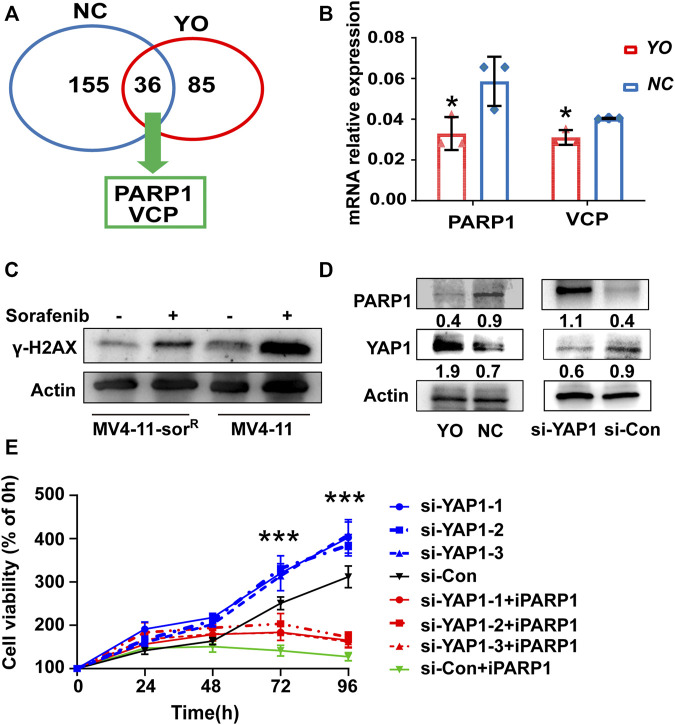
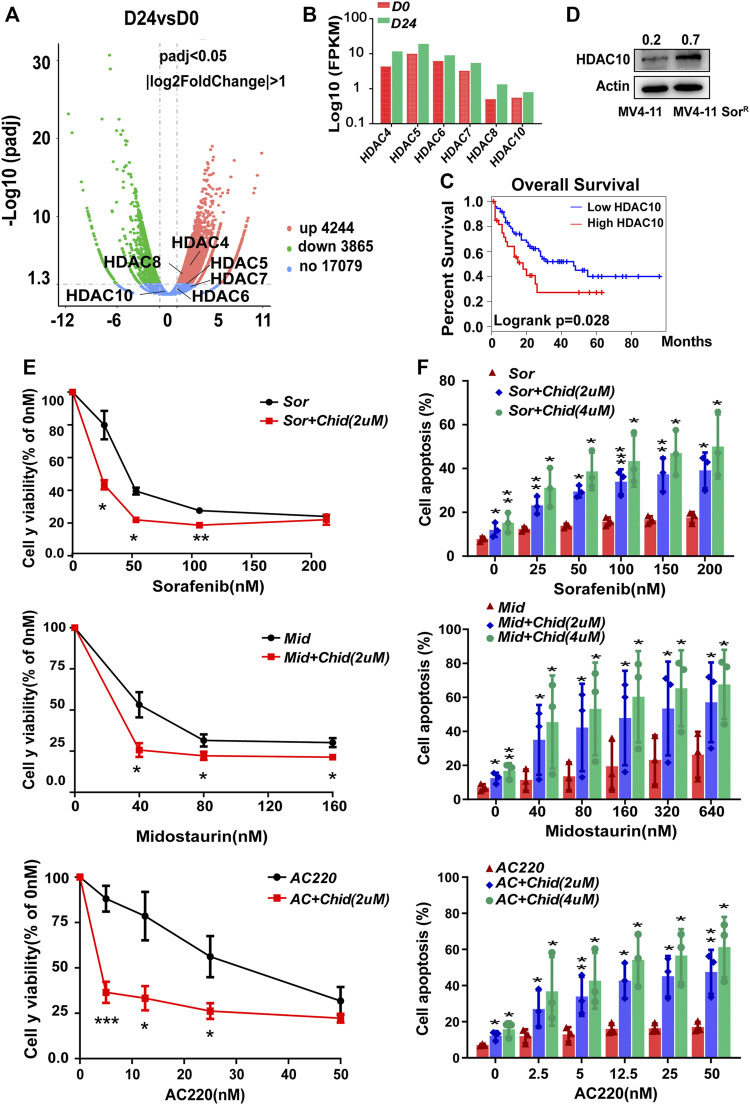
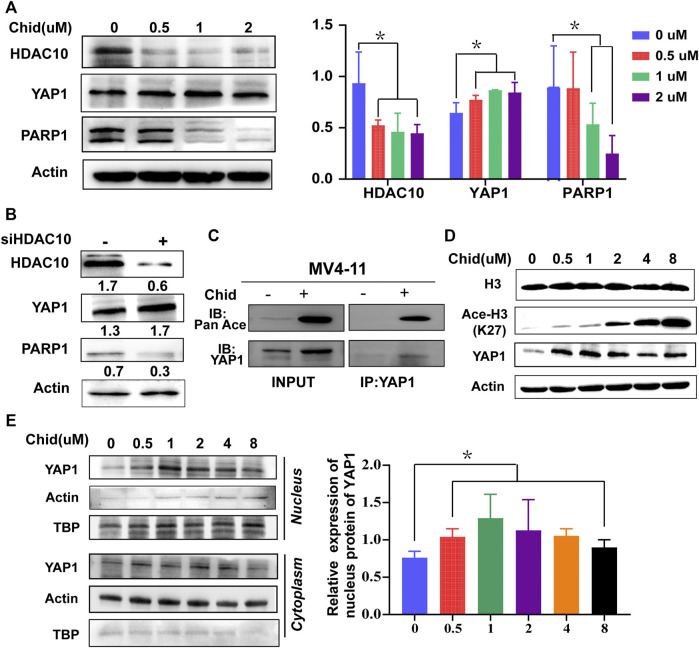
The FLT3-ITD mutation occurs in about 30% of acute myeloid leukemia (AML) and is associated with poor prognosis. However, FLT3 inhibitors are only partially effective and prone to acquired resistance. Here, we identified Yes-associated protein 1 (YAP1) as a tumor suppressor in FLT3-ITD AML. YAP1 inactivation conferred FLT3-ITD AML cell resistance to chemo- and targeted therapy. Mass spectrometric assay revealed that DNA damage repair gene poly (ADP-ribose) polymerase 1 (PARP1) might be the downstream of YAP1, and the pro-proliferative effect by YAP1 knockdown was partly reversed PARP1 inhibitor. Importantly, histone deacetylase 10 (HDAC10) contributed to decreased YAP1 acetylation levels through histone H3 lysine 27 (H3K27) acetylation, leading to the reduced nuclear accumulation of YAP1. Selective HDAC10 inhibitor chidamide or HDAC10 knockdown activated YAP1, enhanced DNA damage, and significantly attenuated FLT3-ITD AML cell resistance. In addition, combination chidamide with FLT3 inhibitors or chemotherapy agents synergistically inhibited growth and increased apoptosis of FLT3-ITD AML cell lines and acquired resistant cells from the relapse FLT3-ITD AML patients. These findings demonstrate that the HDAC10-YAP1-PARP1 axis maintains FLT3-ITD AML cells and targeting this axis might improve clinical outcomes in FLT3-ITD AML patients.
FLT3-ITD突变发生在约30%的急性髓系白血病(AML)中,与预后不良相关。然而,FLT3抑制剂仅部分有效且容易产生获得性耐药。在此,我们确定Yes相关蛋白1(YAP1)是FLT3-ITD AML中的一种肿瘤抑制因子。YAP1失活赋予FLT3-ITD AML细胞对化疗和靶向治疗的抗性。质谱分析显示,DNA损伤修复基因聚(ADP-核糖)聚合酶1(PARP1)可能是YAP1的下游分子,YAP1敲低的促增殖作用被PARP1抑制剂部分逆转。重要的是,组蛋白去乙酰化酶10(HDAC10)通过组蛋白H3赖氨酸27(H3K27)乙酰化导致YAP1乙酰化水平降低,从而导致YAP1核内积累减少。选择性HDAC10抑制剂西达本胺或HDAC10敲低激活YAP1,增强DNA损伤,并显著减弱FLT3-ITD AML细胞的抗性。此外,西达本胺与FLT3抑制剂或化疗药物联合使用可协同抑制FLT3-ITD AML细胞系以及复发FLT3-ITD AML患者获得性耐药细胞的生长并增加其凋亡。这些发现表明,HDAC10-YAP1-PARP1轴维持FLT3-ITD AML细胞,靶向该轴可能改善FLT3-ITD AML患者的临床结局。