Department of Experimental Oncology, Institute of Oncology Ljubljana, Zaloska cesta 2, SI-1000 Ljubljana, Slovenia; Faculty of Pharmacy, University of Ljubljana, Aškerčeva 7, SI-1000 Ljubljana, Slovenia.
Department of Experimental Oncology, Institute of Oncology Ljubljana, Zaloska cesta 2, SI-1000 Ljubljana, Slovenia.
Biomed Pharmacother. 2022 Jun;150:113088. doi: 10.1016/j.biopha.2022.113088. Epub 2022 May 10.
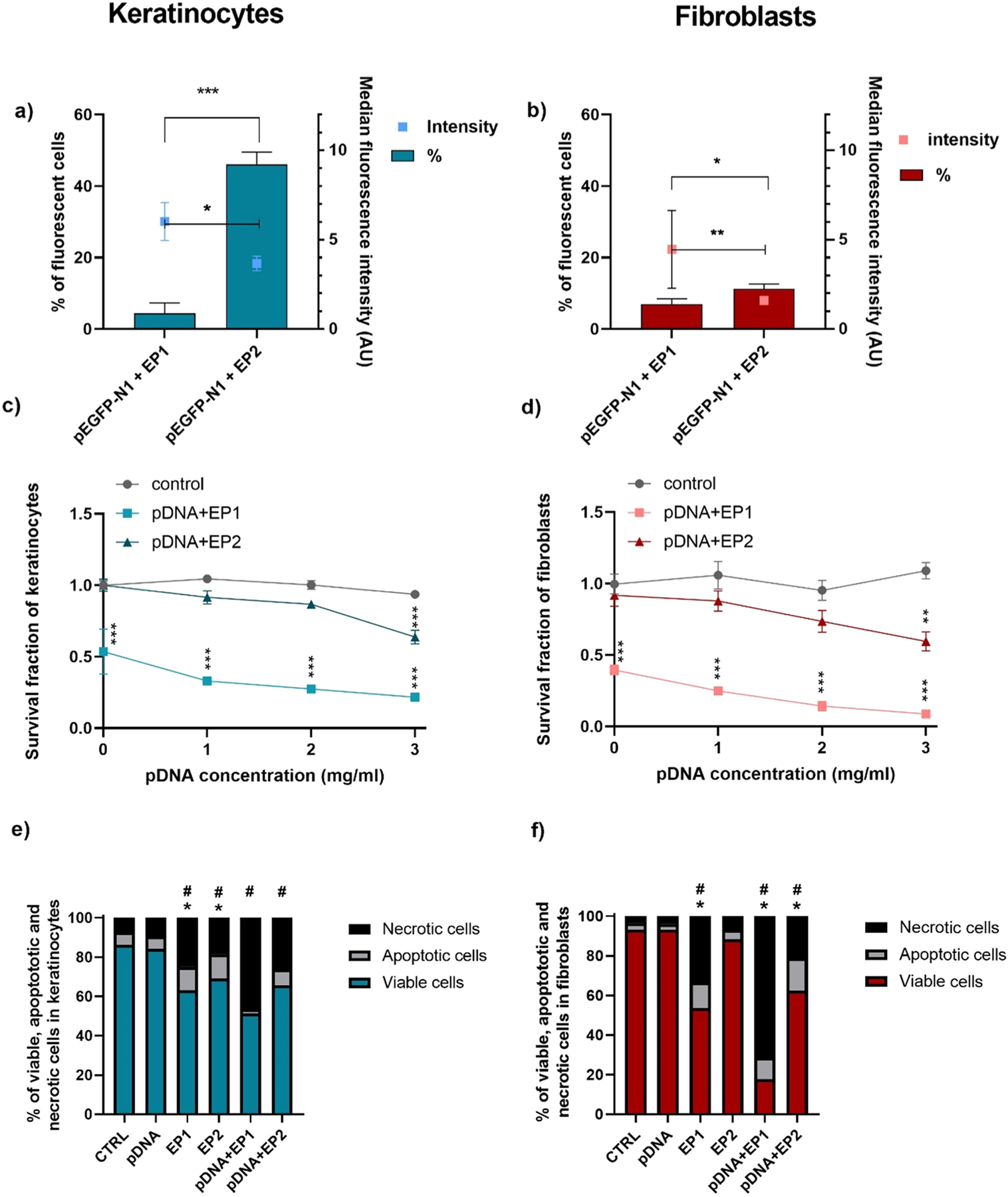
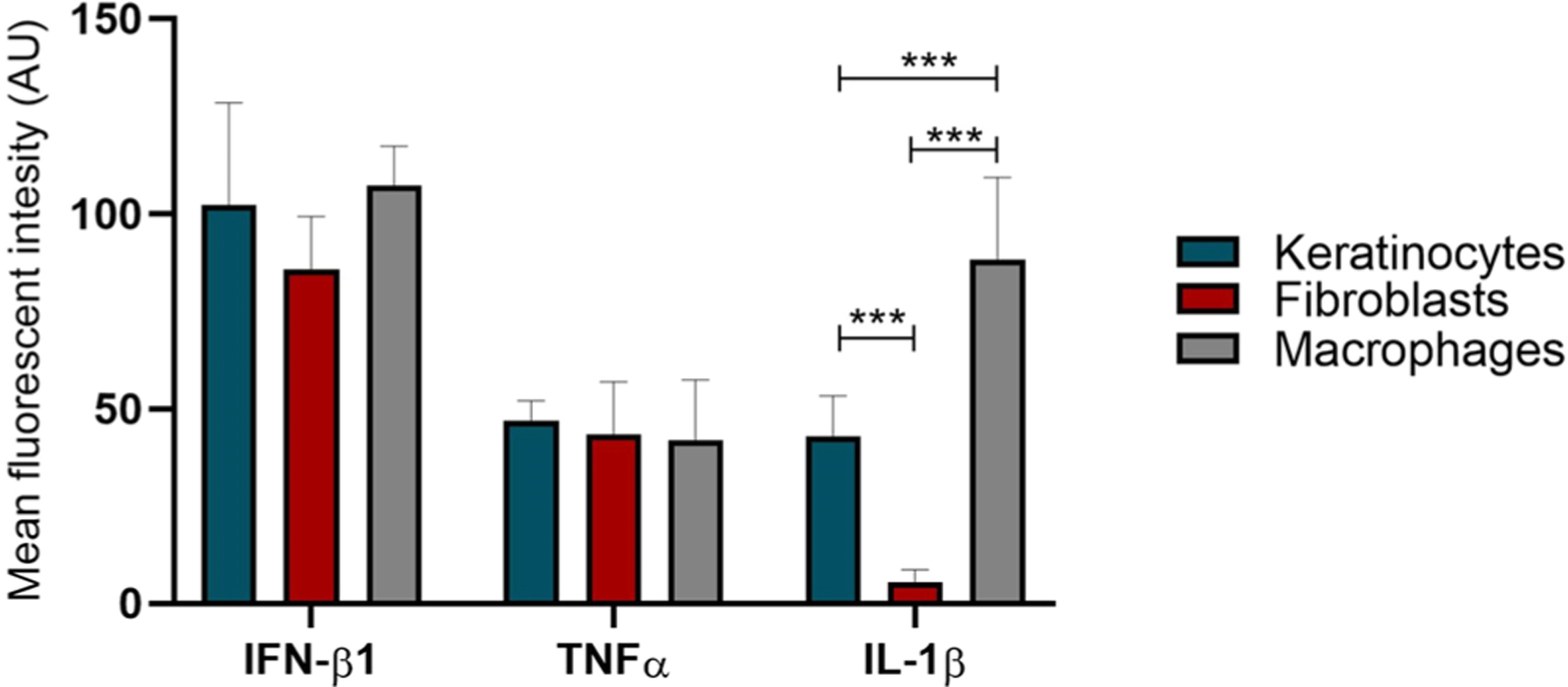
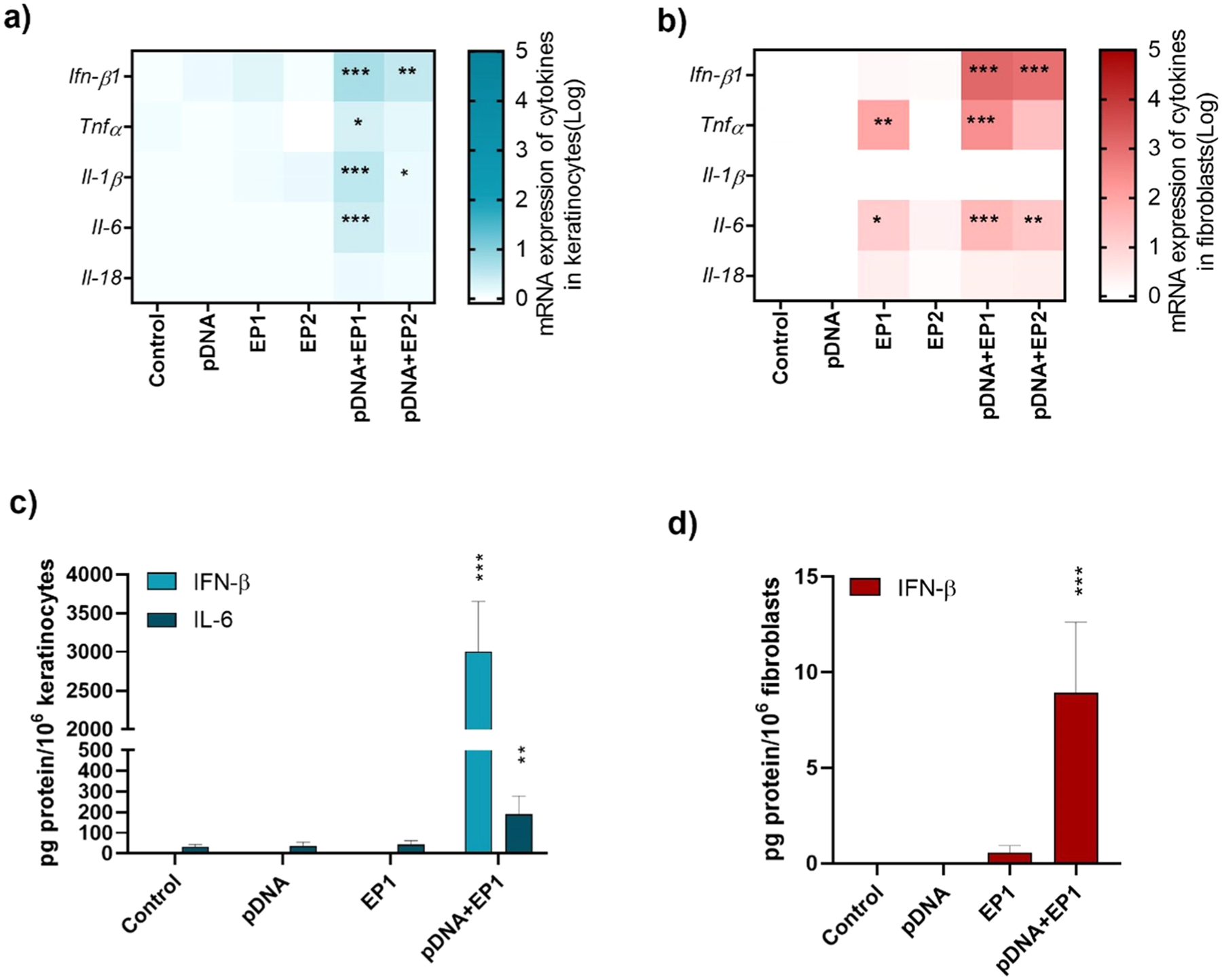
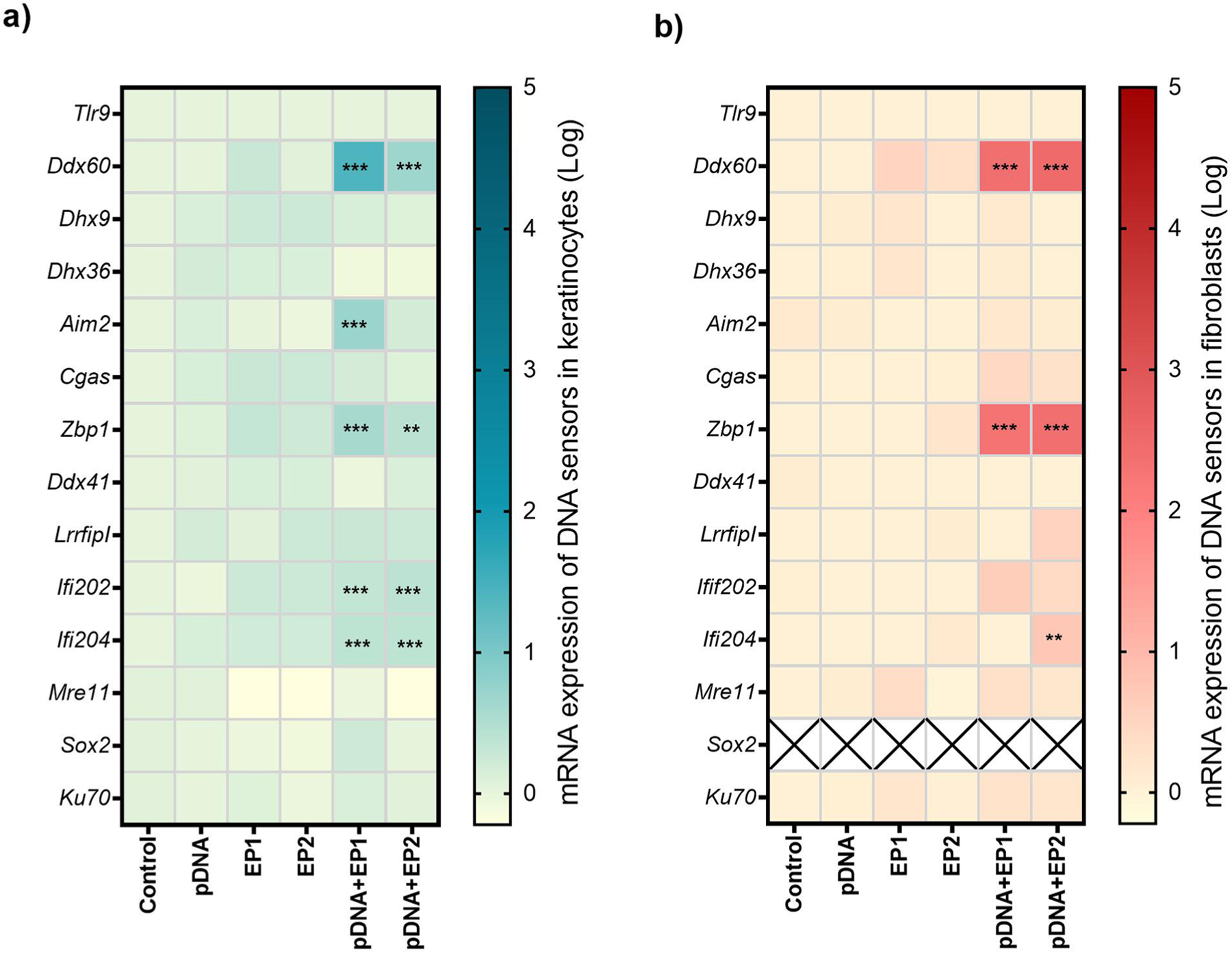
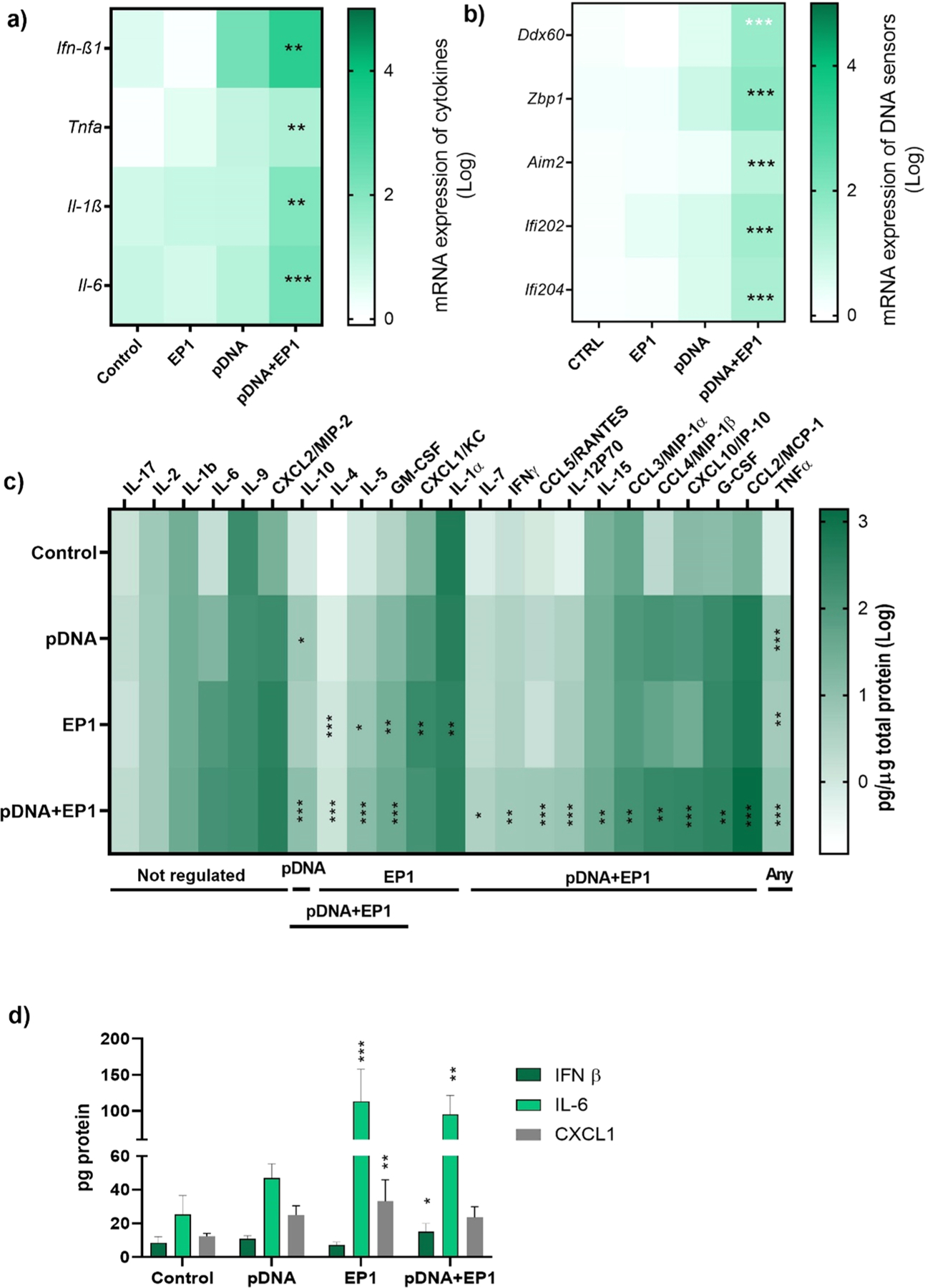
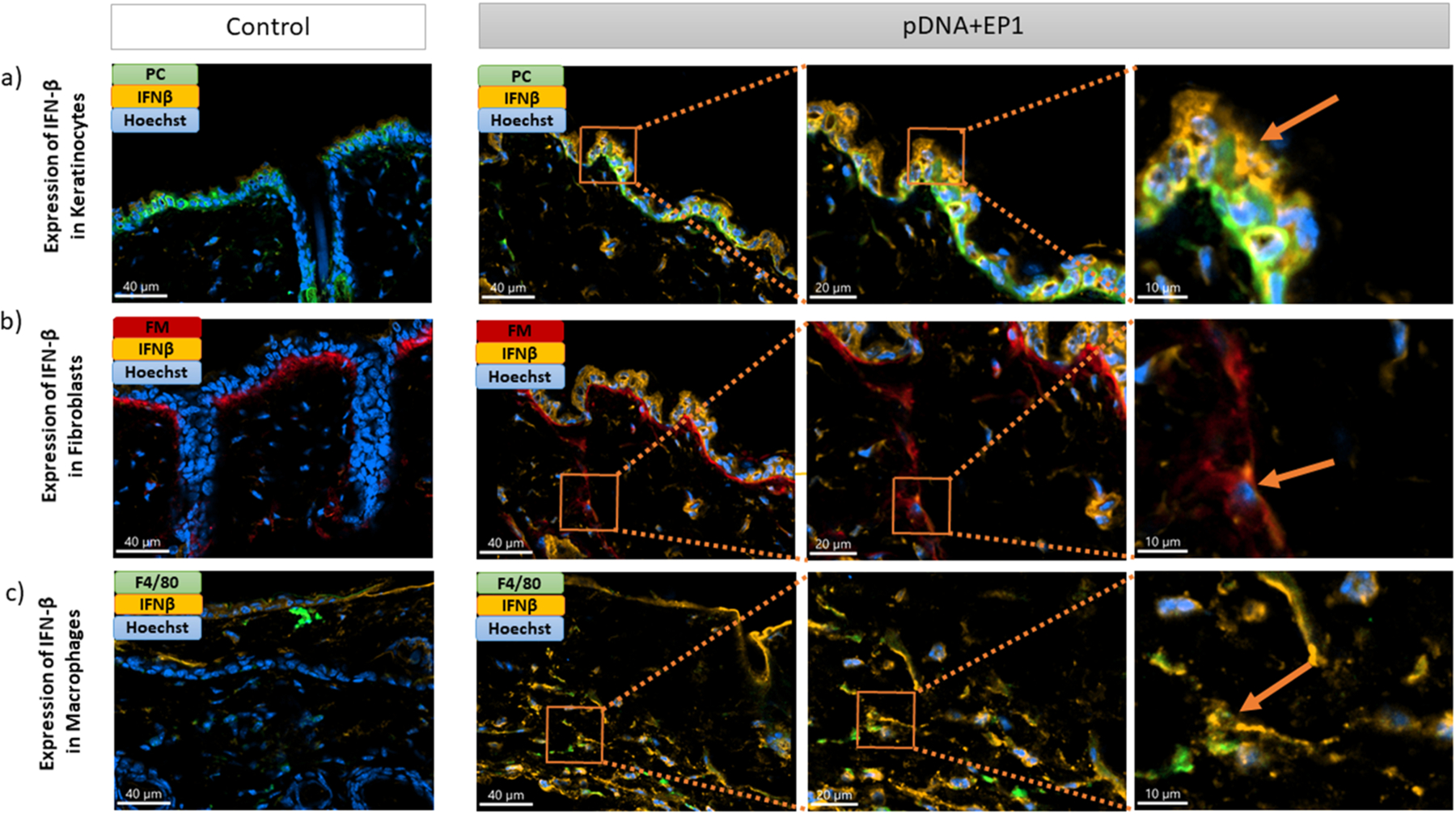
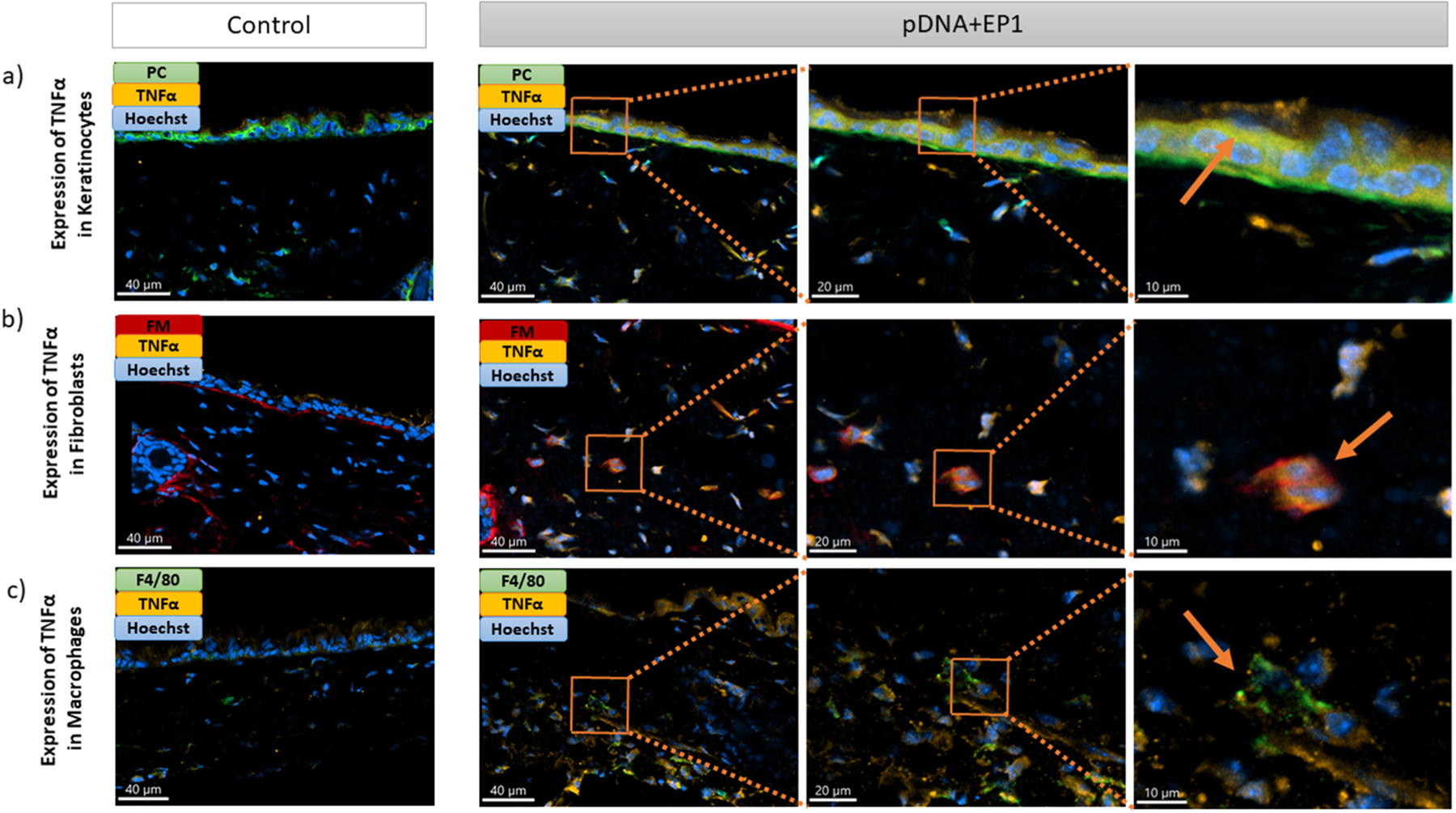
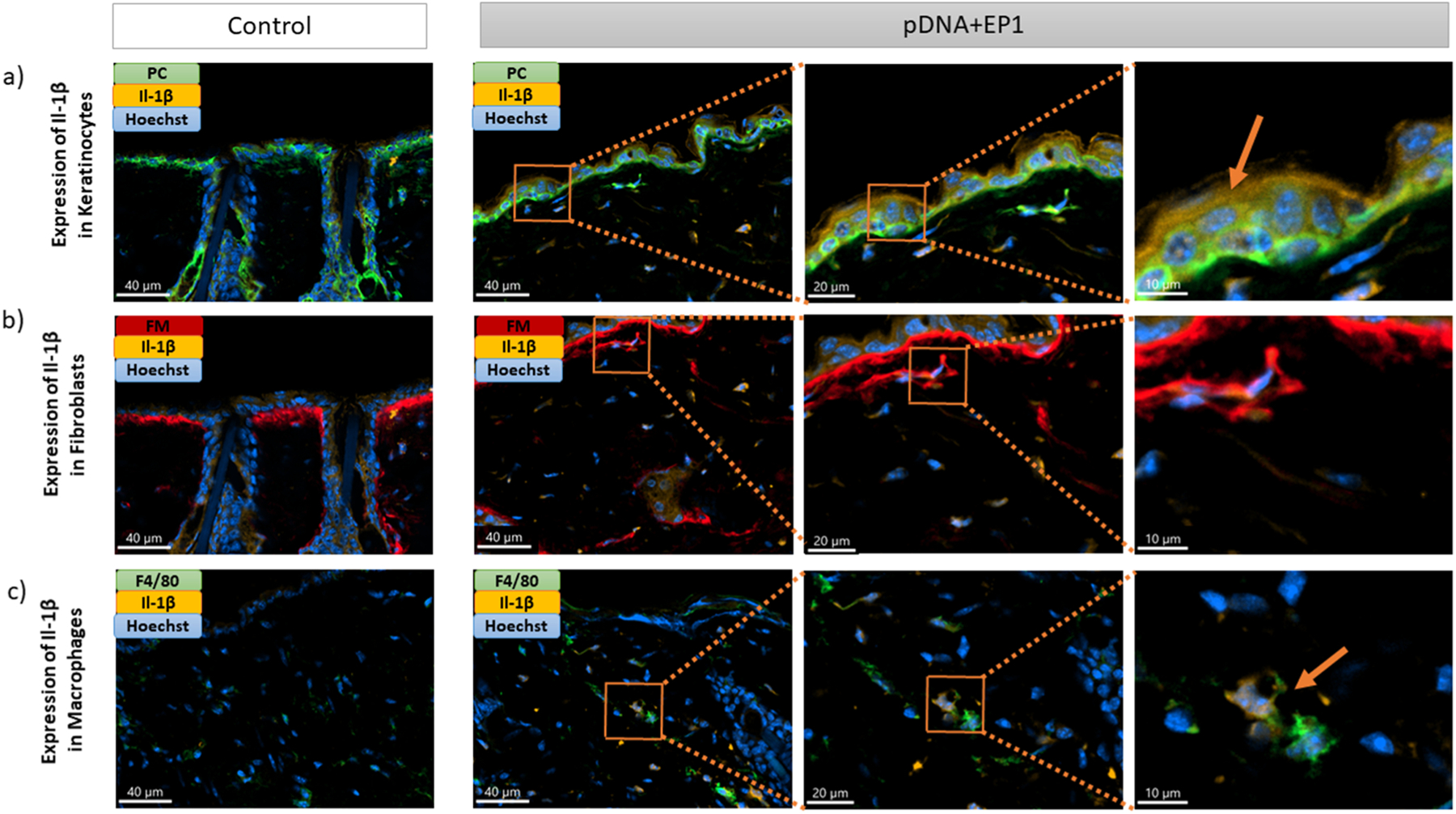
Skin, the largest organ in the body, provides a passive physical barrier against infection and contains elements of the innate and adaptive immune systems. Skin consists of various cells, including keratinocytes, fibroblasts, endothelial cells and immune cells. This diversity of cell types could be important to gene therapies because DNA transfection could elicit different responses in different cell types. Previously, we observed the upregulation and activation of cytosolic DNA sensing pathways in several non-tumor and tumor cell types as well in tumors after the electroporation (electrotransfer) of plasmid DNA (pDNA). Based on this research and the innate immunogenicity of skin, we correlated the effects of pDNA electrotransfer to fibroblasts and keratinocytes to mouse skin using reverse transcription real-time PCR (RT-qPCR) and several types of protein quantification. After pDNA electrotransfer, the mRNAs of the putative DNA sensors DEAD (AspGlu-Ala-Asp) box polypeptide 60 (Ddx60), absent in melanoma 2 (Aim2), Z-DNA binding protein 1 (Zbp1), interferon activated gene 202 (Ifi202), and interferon-inducible protein 204 (Ifi204) were upregulated in keratinocytes, while Ddx60, Zbp1 and Ifi204 were upregulated in fibroblasts. Increased levels of the mRNAs and proteins of several cytokines and chemokines were detected and varied based on cell type. Mouse skin experiments in vivo confirmed our in vitro results with increased expression of putative DNA sensor mRNAs and of the mRNAs and proteins of several cytokines and chemokines. Finally, with immunofluorescent staining, we demonstrated that skin keratinocytes, fibroblasts and macrophages contribute to the immune response observed after pDNA electrotransfer.
皮肤是人体最大的器官,提供了被动的物理屏障,防止感染,并包含先天和适应性免疫系统的元素。皮肤由各种细胞组成,包括角质形成细胞、成纤维细胞、内皮细胞和免疫细胞。这种细胞类型的多样性对于基因治疗可能很重要,因为 DNA 转染可能会在不同的细胞类型中引起不同的反应。以前,我们观察到几种非肿瘤和肿瘤细胞类型以及质粒 DNA(pDNA)电转染后肿瘤中的细胞质 DNA 感应途径的上调和激活。基于这项研究以及皮肤的固有免疫原性,我们使用逆转录实时 PCR(RT-qPCR)和几种蛋白定量方法,将 pDNA 电转染对成纤维细胞和角质形成细胞的影响与小鼠皮肤相关联。在 pDNA 电转染后,推测的 DNA 传感器 DEAD(AspGlu-Ala-Asp)盒多肽 60(Ddx60)、黑色素瘤 2(Aim2)缺失、Z-DNA 结合蛋白 1(Zbp1)、干扰素激活基因 202(Ifi202)和干扰素诱导蛋白 204(Ifi204)的 mRNA 在角质形成细胞中上调,而 Ddx60、Zbp1 和 Ifi204 在成纤维细胞中上调。检测到几种细胞因子和趋化因子的 mRNA 和蛋白水平升高,并根据细胞类型而变化。体内小鼠皮肤实验证实了我们的体外结果,即推测的 DNA 传感器 mRNA 以及几种细胞因子和趋化因子的 mRNA 和蛋白表达增加。最后,通过免疫荧光染色,我们证明了皮肤角质形成细胞、成纤维细胞和巨噬细胞有助于 pDNA 电转染后观察到的免疫反应。