Department of Rhetoric & Writing, The University of Texas at Austin, Austin, TX, USA.
Department of Communication, North Dakota State University, Fargo, ND, USA.
Stud Health Technol Inform. 2022 Jun 6;290:405-409. doi: 10.3233/SHTI220106.
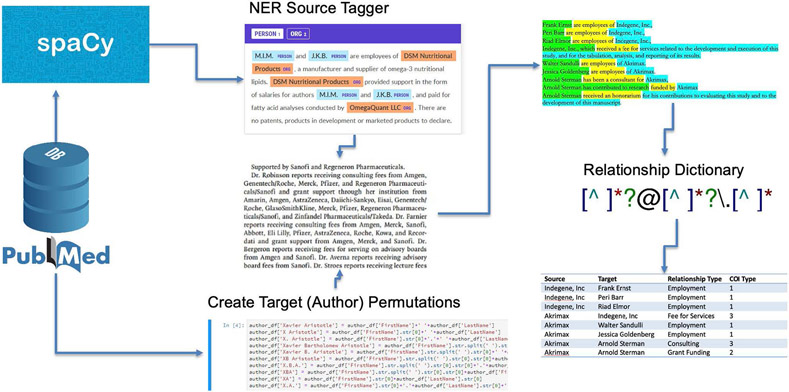
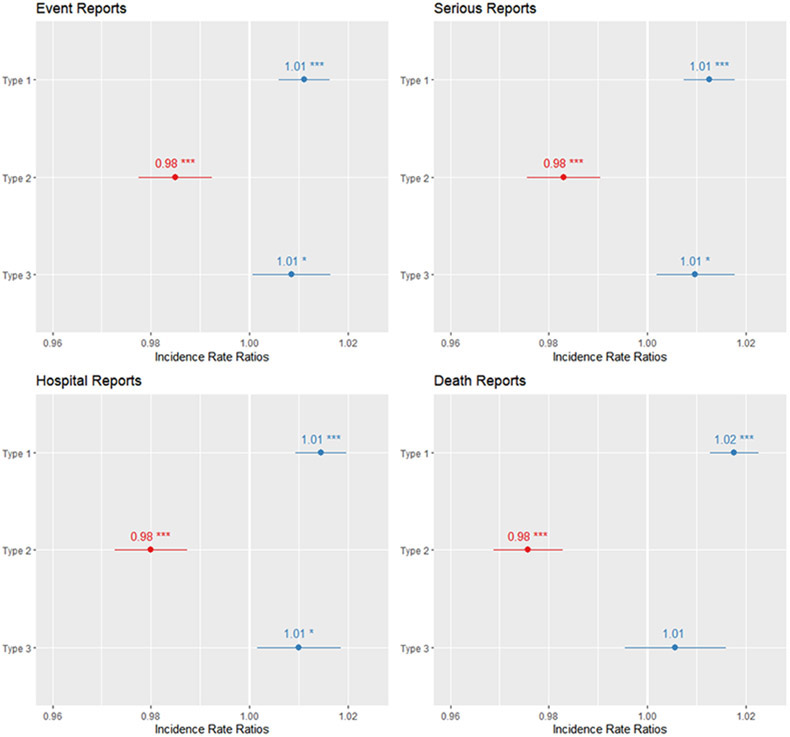
This study evaluates associations between aggregate conflicts of interest (COI) and drug safety. We used a machine-learning system to extract and classify COI from PubMed-indexed disclosure statements. Individual conflicts were classified as Type 1 (personal fees, travel, board memberships, and non-financial support), Type 2 (grants and research support), or Type 3 (stock ownership and industry employment). COI were aggregated by type compared to adverse events by product. Type 1 COI are associated with a 1.1-1.8% increase in the number of adverse events, serious events, hospitalizations, and deaths. Type 2 COI are associated with a 1.7-2% decrease in adverse events across severity levels. Type 3 COI are associated with an approximately 1% increase in adverse events, serious events, and hospitalizations, but have no significant association with adverse events resulting in death. The findings suggest that COI policies might be adapted to account the relative risks of different types of financial relationships.
本研究评估了总体利益冲突(COI)与药物安全之间的关联。我们使用机器学习系统从 PubMed 索引的披露声明中提取和分类 COI。个体冲突被分类为 1 型(个人酬金、差旅、董事会成员和非财务支持)、2 型(赠款和研究支持)或 3 型(股票所有权和行业就业)。将 COI 按类型与产品相关的不良事件进行汇总比较。1 型 COI 与不良事件、严重事件、住院和死亡的数量增加 1.1-1.8%相关。2 型 COI 与各严重程度水平不良事件减少 1.7-2%相关。3 型 COI 与不良事件、严重事件和住院的数量增加约 1%相关,但与导致死亡的不良事件无显著关联。研究结果表明,可能需要调整 COI 政策,以考虑不同类型财务关系的相对风险。